Find the Best Wildlife Removal Companies for Your Business
No obligation • Fast responses • Nationwide coverage
Why you can trust Pest Crews
Pest Crews is a leading U.S. resource for finding and evaluating residential and commercial pest control services. Our team researches providers, reviews treatment approaches, and organizes unbiased information to help you make informed decisions. Companies cannot pay to change our editorial content or influence how they appear.
Search providers near you
Top Wildlife Removal Companies in Leesburg, Virginia Ranked
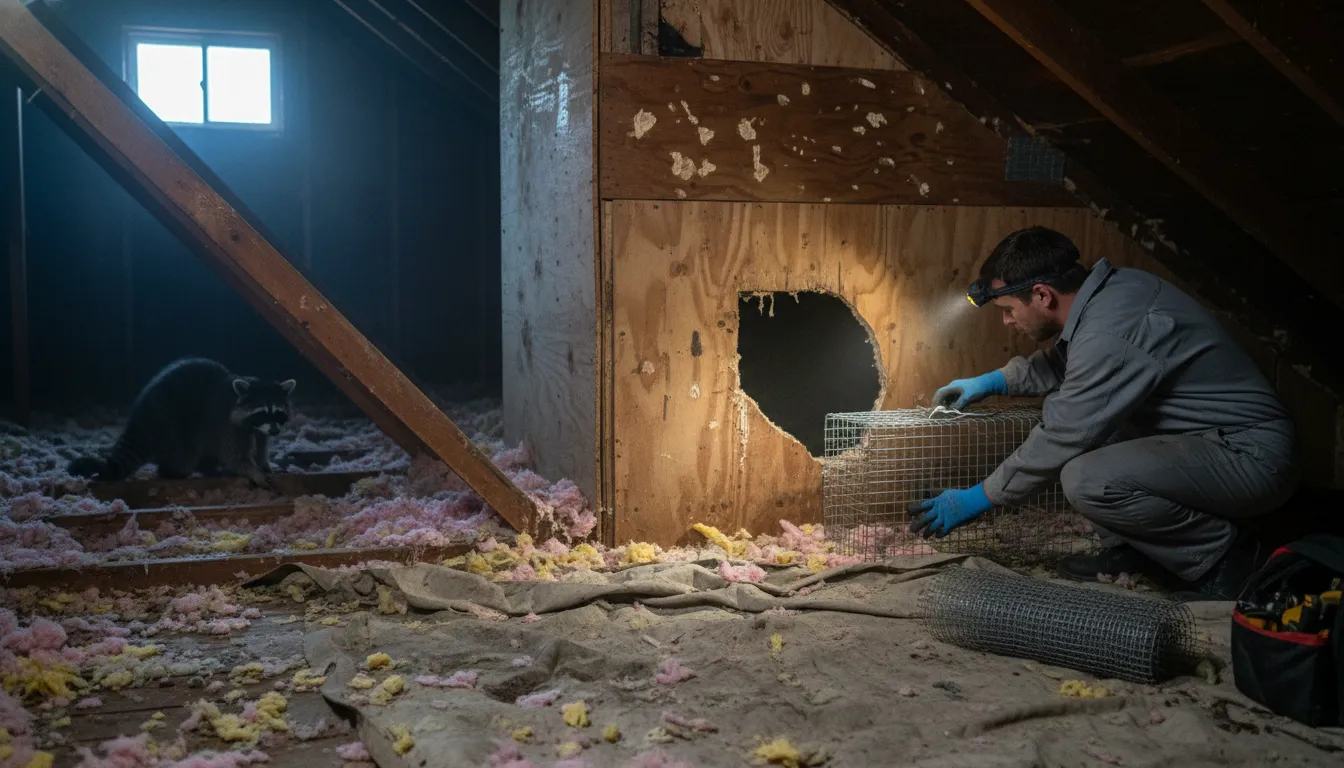
Discovering a raccoon in your attic or a family of squirrels in your chimney can be unsettling. In Leesburg, managing these encounters requires a blend of practical knowledge and an understanding of Virginia's specific wildlife regulations. This guide provides Leesburg homeowners with essential information on identifying common nuisance animals, understanding your legal options for control, and knowing when to call in a licensed professional. By learning about effective exclusion techniques and the services available locally, you can protect your property and coexist safely with the area's wildlife.
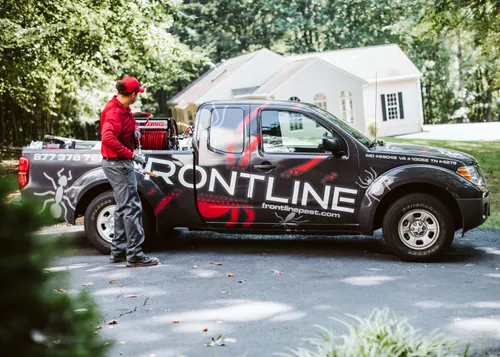
Frontline Pest and Termite of Rockville
1095 Taft St # A, Rockville, MD 20850
Frontline Pest and Termite of Rockville offers comprehensive pest control services in Washington, DC, with 18 years of experience. Their licensed technicians provide treatments for a wide range of pests including termites, rodents, mosquitoes, ants, and stinging insects. The company uses safe, eco-friendly methods and offers specialized services such as the Sentricon termite protection system and rodent exclusion repairs. They provide year-round protection plans and continuous termite safeguarding to address local pest challenges effectively.
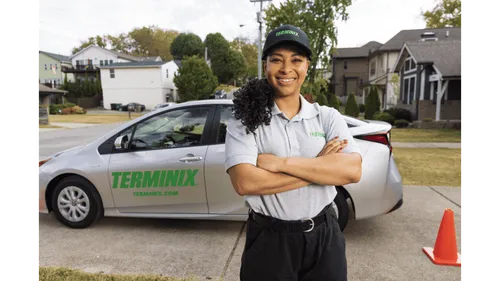
Terminix
1356 Beverly Rd, McLean, VA 22101
Terminix provides pest control services in Washington, DC, addressing common local pests such as bed bugs, cockroaches, ants, rodents, termites, and wildlife. The company offers tailored treatment plans based on thorough inspections to manage infestations and prevent future issues. Terminix also specializes in termite control with annual inspections and a termite protection system that includes a damage repair guarantee. Their services cover both residential and commercial properties in the Washington, DC area, combining local knowledge with national expertise.
Pestechs Pest Control
1451 Rockville Pike Suite 250, Rockville, MD 20852
Pestechs Pest Control offers comprehensive pest management services in Washington, DC, and the surrounding Maryland and Virginia areas. They specialize in controlling a wide range of pests including bed bugs, cockroaches, ants, rodents, termites, and wildlife. Their team uses advanced pest control techniques tailored to the specific pest and severity of the infestation, providing ongoing protection for both residential and commercial properties. Pestechs also provides termite treatment with a termite-free warranty and family-safe rodent control options. Their technicians are knowledgeable about local pest behaviors and environmental factors, ensuring customized and effective solutions for each customer.

Environmental Pest Control
11874 Sunrise Valley Dr STE 201, Reston, VA 20191
Environmental Pest Control is a full-service pest control company based near Washington, DC, offering solutions for a wide range of pest issues including ants, rodents, termites, mosquitoes, bed bugs, and wildlife removal. Serving residential and commercial clients, they provide year-round protection with their quarterly Standard Care Plan covering over 20 pests and rodents. The company uses advanced termite baiting systems and offers specialized services such as mosquito and tick control, bat and squirrel removal, and commercial pest management. Established in 2006, Environmental Pest Control emphasizes quick response times with same-day or next-day treatments and provides free re-treatments under their service guarantees.
Terminix
504 E Diamond Ave, Gaithersburg, MD 20877
Terminix offers pest control and termite inspection services in Washington, DC, focusing on common household pests such as bed bugs, ants, cockroaches, rodents, and termites. The company provides customized pest management plans including regular inspections and treatments designed to protect homes from infestations and damage. Terminix also offers specialized termite protection systems with guarantees covering termite damage. Their local technicians are familiar with the pest challenges in the Washington, DC area and are supported by a nationwide network of expertise.
Common Wildlife Issues in Leesburg Homes
The natural landscapes surrounding Leesburg are home to a diverse array of animals that can sometimes become unwelcome houseguests. Understanding which species are most likely to cause problems is the first step in addressing an issue.
Mammals are the most frequent culprits for indoor invasions. Raccoons are intelligent and dexterous, often tearing through roof vents or soffits to access warm, dry attics for denning. Squirrels, both gray and flying species, chew on wood, wiring, and insulation, creating fire hazards and structural damage. Bats can form colonies in attics or wall voids; a single entry point can allow hundreds inside, and their droppings (guano) pose serious health risks. Other common mammalian visitors include opossums, foxes, and groundhogs (also known as woodchucks), which may burrow under decks, sheds, or foundations.
Birds can also create significant nuisances. Starlings, English sparrows, and pigeons (rock doves) often nest in building cavities, vents, and under eaves. Their nests block ventilation systems, and accumulated droppings are corrosive and can harbor diseases. Snakes occasionally enter basements or crawl spaces in search of rodents, and while most are non-venomous, their presence is alarming for residents. Rats and mice are perennial problems, seeking food and shelter, especially as temperatures drop.
Virginia Laws and Regulations for Wildlife Control
Before taking action, it's crucial to understand the legal framework governing wildlife management in Virginia. The state's Department of Wildlife Resources (DWR) sets clear guidelines to protect both animals and residents.
For species classified as "nuisance wildlife," such as rats, mice, coyotes, woodchucks, starlings, and pigeons, property owners have more flexibility. You are generally permitted to trap and euthanize these animals on your own property if they are causing damage 1. However, a critical rule applies to almost all other species: relocation is illegal 2. Trapped animals must be euthanized humanely or released on the property where they were captured. This law exists to prevent the spread of diseases like rabies and distemper, and because relocated animals often suffer poor survival rates, struggling to find food and shelter in unfamiliar territory 2.
Extra precautions are required for Rabies Vector Species (RVS), which include raccoons, bats, skunks, and foxes. Handling these animals, even when deceased, poses a direct health risk. For trapping and dispatching RVS, it is strongly advised-and often legally necessary-to hire a licensed Wildlife Control Operator (WCO) who is trained in safe, humane methods and can ensure the animal is released on-site if that is the chosen course of action.
Effective Do-It-Yourself Strategies
For minor issues or as a preventive measure, homeowners can employ several effective DIY wildlife exclusion and deterrent techniques. The goal is to make your property less attractive and accessible to animals.
- Seal Entry Points: Conduct a thorough inspection of your home's exterior. Look for gaps in siding, loose roof shingles, broken vent covers, and openings where utility lines enter. Use high-quality materials like hardware cloth, steel wool (for rodents), and metal flashing to seal any holes larger than a quarter-inch. Remember, a determined raccoon can exploit a very small opening.
- Remove Food Sources: Secure your trash and recycling bins with tight-fitting lids or bungee cords. Avoid leaving pet food outdoors overnight. Pick up fallen fruit from trees and clean up spilled birdseed from feeders, which can attract rodents and larger animals.
- Modify Habitat: Trim tree branches that hang within 6-10 feet of your roof to eliminate squirrel highways. Clear away dense brush, woodpiles, and tall grass near your home's foundation where snakes and rodents may hide.
- Use Deterrents: Motion-activated lights or sprinklers can startle nocturnal animals. Ultrasonic repellents may have limited effectiveness. For birds, installing physical barriers like bird spikes or netting on ledges can prevent roosting and nesting.
These non-lethal animal control methods are often the most sustainable long-term solution for nuisance wildlife prevention.
Find the perfect wildlife removal companies for your needs
Get personalized recommendations and expert advice
When to Call a Professional Wildlife Removal Service
While DIY methods work for prevention, many situations require the expertise of a licensed professional. Knowing when to make the call can save you time, money, and potential danger.
You should contact a Licensed Wildlife Control Operator (WCO) for:
- Rabies Vector Species: Any issue involving raccoons, bats, skunks, or foxes inside the home.
- Large or Established Infestations: Such as a colony of bats in the attic or a large number of squirrels or rodents.
- Animals in Hard-to-Reach Areas: Inside walls, chimneys, or deep within crawl spaces.
- The Need for Structural Repairs and Cleanup: After animals are removed, professional-grade exclusion (sealing entry points) and sanitization of contaminated areas (like attic insulation soiled with droppings or urine) are essential to prevent re-entry and health risks.
- Complex Trapping Scenarios: When simple traps are ineffective or the animal is elusive.
You can find a licensed professional near you by using the Virginia DWR's online Trapper Finder tool. For sick, injured, or dangerously aggressive animals in public areas, or for concerns about exotic pets, you should contact Leesburg Animal Control or Loudoun Animal Services (LAS) 3. For dead animals on public streets, contact Leesburg Street Maintenance 3.
Understanding Wildlife Removal Costs in Leesburg
The cost of professional wildlife management services in Leesburg varies significantly based on the species, the extent of the infestation, and the necessary repairs.
- Basic Removal: Trapping and removal of a common problem like a single raccoon or a family of squirrels typically ranges from $200 to $8004 5.
- Complex Removal and Cleanup: Bat removal is often more expensive due to the need for specialized exclusion techniques and thorough decontamination. Complete bat colony removal, exclusion sealing, and attic cleanup can range from $500 to over $1,5006 7 8.
- Additional Services: Costs will increase if the job requires extensive repairs to roofing, siding, or ductwork, or if hazardous waste cleanup (like guano removal) is necessary.
Most reputable companies offer free inspections and detailed quotes. Investing in professional exclusion work after removal is crucial, as it provides a permanent solution and prevents future costly invasions.
Long-Term Prevention and Coexistence
Successfully resolving a wildlife issue is not just about removal; it's about implementing lasting changes to your property. After any animal is removed, a professional should perform a comprehensive exclusion, sealing every potential entry point with durable materials. Consider installing chimney caps, vent guards, and gutter guards as preventive measures.
It's also helpful to adopt a mindset of coexistence. Many of these animals play vital roles in our local ecosystem. By securing our homes and removing attractants, we can enjoy observing wildlife in our yards and parks without inviting them into our living spaces. Resources from the Virginia DWR and local extension offices offer valuable guidance on living responsibly with our wild neighbors 9 10.
Frequently asked questions
Sources
Footnotes
-
Overview: Collecting, Exhibiting, and Releasing Wildlife | Virginia DWR - https://dwr.virginia.gov/permits/guide/ ↩
-
Wildlife Relocation: Not a Solution - Fairfax County - https://www.fairfaxcounty.gov/wildlife/sites/wildlife/files/Assets/Documents/PDF/Wildlife%20Relocation%20-%20Not%20a%20Solution.pdf ↩ ↩2
-
Animal Control | Town of Leesburg, Virginia - https://www.leesburgva.gov/residents/assistance-requests/animal-control ↩ ↩2
-
Humane Wildlife Removal in Virginia: Top Companies & Prices - https://connorspestpros.com/humane-wildlife-removal-in-virginia-top-companies-prices/ ↩
-
How Much Does Animal & Wildlife Removal Cost? (2025) - https://homeguide.com/costs/animal-and-wildlife-removal-costs ↩
-
Leesburg - Summit Wildlife Removal - https://www.summitwildliferemoval.com/service-area/leesburg/ ↩
-
Critter Control in Leesburg, VA - https://www.crittercontrol.com/office-finder/virginia/northern-virginia/leesburg/ ↩
-
The Cost of Wildlife Removal: What You Need to Know - https://coastalwildlifeservices.com/cost-of-wildlife-removal/ ↩
-
Help with Human-Wildlife Conflicts | Virginia DWR - https://dwr.virginia.gov/wildlife/nuisance/ ↩
-
Wildlife Among Us: Dealing With Neighborhood Wildlife Furbearers - https://dwr.virginia.gov/wildlife/urban/ ↩