Find the Best Wildlife Removal Companies for Your Business
No obligation • Fast responses • Nationwide coverage

Why you can trust Pest Crews
Pest Crews is a leading U.S. resource for finding and evaluating residential and commercial pest control services. Our team researches providers, reviews treatment approaches, and organizes unbiased information to help you make informed decisions. Companies cannot pay to change our editorial content or influence how they appear.
Search providers near you
Top Wildlife Removal Companies in Suffolk, Virginia Ranked
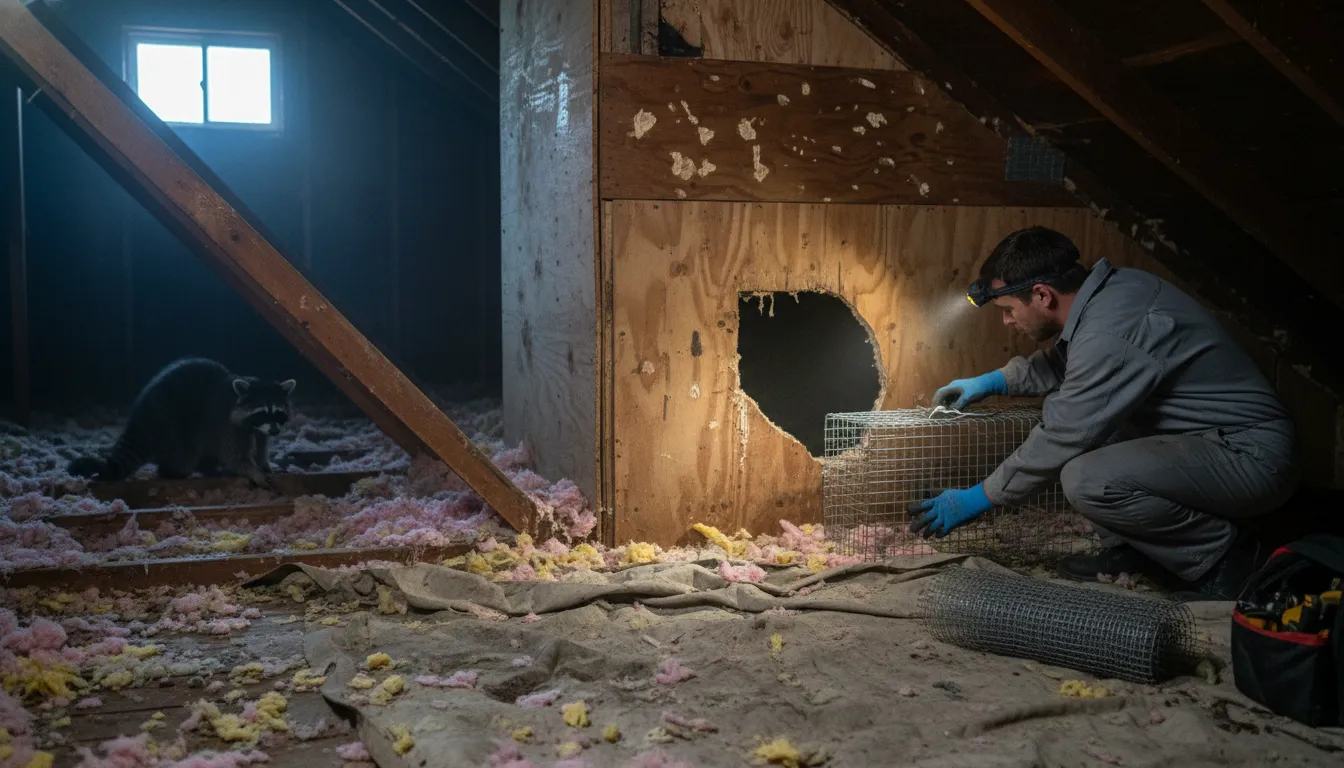
Living alongside nature is part of Suffolk's charm, but when raccoons, squirrels, or bats decide to move into your attic or under your deck, it becomes a serious nuisance wildlife issue. Professional wildlife control is essential for safely and legally removing these animals, protecting your property from damage, and safeguarding your family's health. This guide will help you understand the common wildlife problems in Suffolk, the legal landscape for animal removal in Virginia, and how to find qualified local specialists to resolve your situation.
Go-Forth Pest Control
1431 Air Rail Ave, Virginia Beach, VA 23455
Go-Forth Pest Control is a family-owned pest control company serving Virginia Beach, VA, since 1959. They offer comprehensive pest management services for homes and businesses, including ant, termite, rodent, mosquito control, and wildlife removal. Their approach combines thorough inspections with eco-friendly treatments tailored to the local coastal environment. Go-Forth specializes in termite inspections and ongoing prevention, using advanced monitoring and treatment methods to protect structures from damage. They also provide commercial pest control solutions customized to meet regulatory requirements. Same-day and emergency services are available to address urgent pest issues promptly.
Terminix
957 Norfolk Square, Norfolk, VA 23502
Terminix offers pest, termite, wildlife, and moisture control services in Virginia Beach, VA. The company provides residential and commercial pest control solutions, including bed bug treatment, cockroach and ant control, rodent management, termite inspections, and wildlife removal. Terminix also specializes in moisture control to prevent wood decay and reduce insect infestations, particularly in crawl spaces. The company serves the Tidewater region and Eastern North Carolina and is known for implementing comprehensive moisture control measures.
Mitchell Pest Services
4604 Pembroke Lake Cir #104, Virginia Beach, VA 23455
Mitchell Pest Services is a locally owned pest control company based in Virginia Beach, VA. They provide residential and commercial pest management solutions including bed bug treatment, rodent control, termite inspections, mosquito control, and wildlife removal. The company offers same-day service and free retreatments to address persistent pest issues. Mitchell Pest Services serves a broad area including Virginia and West Virginia, with coverage in cities such as Arlington, Chesapeake, Richmond, and more. Their team is trained to deliver tailored pest control solutions that focus on both immediate pest removal and long-term prevention.
Terminix
1606 S Church St, Smithfield, VA 23430
Terminix provides pest, termite, wildlife, and moisture control services in Virginia Beach, VA. They offer treatment for bed bugs, cockroaches, ants, rodents, and termites, along with moisture control to prevent wood-decaying fungus. Terminix serves both residential and commercial clients and is known for implementing moisture control measures in crawl spaces and other environments. Their service area extends from Eastern North Carolina to Tidewater, VA.
Alpha Pest Solutions LLC
94 Kings Point Ave, Smithfield, VA 23430
Alpha Pest Solutions LLC is a family-owned pest control company serving Chesapeake, VA, and the broader Hampton Roads area. Established in 2010, they provide a range of services including pest, termite, and fungus control, as well as real estate inspections. Their service area extends across the VA Peninsula, Southside, and up to Richmond and Petersburg. Alpha Pest Solutions is licensed, insured, and bonded, offering personalized customer care with availability on weekends and evenings.
Common Nuisance Wildlife in Suffolk
Suffolk's mix of suburban neighborhoods, wooded areas, and proximity to wetlands creates ideal habitats for several species that frequently come into conflict with homeowners. Knowing which animal you're dealing with is the first step toward effective control.
Raccoons are intelligent, dexterous, and often the most destructive. They tear into attic vents, rip up roof shingles to gain entry, and rummage through trash cans. Beyond property damage, they are primary carriers of rabies in Virginia, making any encounter a potential health risk.
Squirrels, particularly gray squirrels, are notorious for chewing. They gnaw on electrical wiring, which poses a significant fire hazard, and damage soffits, fascia boards, and roof edges to create nesting sites in attics.
Opossums are typically less destructive but can become a nuisance by taking up residence under porches, decks, or sheds. They carry parasites like fleas and can create messes in yards and crawl spaces.
Bats present a unique challenge. Small colonies can infest attic spaces or vents, and their guano (droppings) can pose respiratory health risks. Critically, most bat species are federally protected, meaning their removal is highly regulated and requires specialized exclusion techniques, not simple trapping.
Birds, such as starlings or sparrows, often nest in dryer vents, chimneys, and roof gaps. Their nests block ventilation and can attract mites. Like bats, many birds are protected by federal law, prohibiting the destruction of active nests1.
Virginia Laws and Regulations for Wildlife Control
Understanding state regulations is crucial before attempting any animal removal. Virginia has specific laws designed to manage wildlife conflicts ethically and effectively.
A key regulation is that it is illegal to live-trap and relocate most wildlife in Virginia. Relocating an animal simply transfers the problem to another property and can spread disease. For rabies vector species-primarily raccoons, skunks, and foxes-the law typically requires that trapped animals be humanely euthanized on-site or by a licensed professional 2.
The Virginia Department of Wildlife Resources (DWR) oversees nuisance wildlife. For problems beyond simple prevention, the DWR recommends contacting a licensed trapper or wildlife control specialist3. These professionals hold a Commercial Nuisance Animal Permit, which authorizes them to legally trap and handle problem animals. You can find a licensed specialist directly through the DWR's online trapper finder tool.
Animal Control services in Suffolk are generally limited to domestic animals (stray dogs and cats) or wildlife that is visibly injured, sick, or displaying clear signs of rabies (e.g., stumbling, aggression, foaming at the mouth) 4. For standard nuisance wildlife in an attic or yard, they will likely refer you to a private, DWR-licensed wildlife removal company.
DIY Prevention and Exclusion Strategies
The most effective and cost-efficient approach to wildlife management is to make your property less attractive to animals in the first place. Focus on exclusion and habitat modification, which are always legal and recommended as a first step5.
- Seal Entry Points: Conduct a thorough inspection of your home's exterior. Look for gaps in roof lines, loose vent covers, holes in siding, and openings under decks or porches. Use heavy-duty materials like hardware cloth, steel wool (for rodents), and metal flashing to seal these potential entryways.
- Remove Food Sources: Secure your trash cans with locking lids or bungee cords. Avoid leaving pet food outdoors overnight. Pick up fallen fruit from trees and keep barbecue grills clean.
- Eliminate Shelter: Trim tree limbs back at least 6-8 feet from your roofline to prevent easy access for squirrels and raccoons. Keep woodpiles elevated and away from your home's foundation. Clear out dense brush and yard debris where animals might hide6.
- Use Deterrents Temporarily: Motion-activated lights or sprinklers can startle animals away from gardens. Playing a radio talk station in an attic may encourage a solitary animal to leave. Remember, these are temporary solutions; permanent exclusion through sealing is necessary to prevent re-entry.
Find the perfect wildlife removal companies for your needs
Get personalized recommendations and expert advice
When to Call a Professional Wildlife Removal Service
While DIY prevention is important, there are clear situations where hiring a professional is the safest and most prudent choice.
You should contact a licensed wildlife control operator if:
- An animal is already living inside your home (attic, walls, chimney).
- You are dealing with a rabies vector species (raccoon, skunk, bat, fox).
- The animal is protected by federal or state law (bats, most birds).
- You are uncomfortable or unable to safely perform exclusion work at heights or in confined spaces.
- There is a large infestation or significant property damage.
- Previous DIY attempts have failed, and the animal has returned.
Professional services follow an integrated process: First, they conduct a detailed inspection to identify the species, entry points, and extent of the problem. They then humanely remove the animals in compliance with Virginia law. The most critical step is exclusion repair-sealing all entry points to prevent future intrusions. Finally, they often offer cleanup and sanitization services to remove hazardous droppings and decontaminate the affected area.
Understanding Costs for Wildlife Control in Suffolk
The cost for professional animal removal services varies based on the species, the extent of the infestation, and the repairs needed. Here is a general overview of what homeowners in Suffolk might expect7 8 9:
- Basic Trapping and Removal: For a single animal like a raccoon or opossum, services typically start between $200 and $500.
- Exclusion and Repair Work: This is where costs can increase significantly. Permanently sealing entry points and making repairs to damaged soffits, vents, or roof edges can range from $250 to over $1,000, depending on the materials and labor required.
- Cleanup and Sanitization: If an attic or crawl space has been contaminated with droppings or urine, professional cleanup and disinfecting services add to the total cost. This price varies greatly with the size of the area and level of contamination.
- Specialized Removal (Bats/Birds): Services for protected species like bats are often more expensive due to the need for specialized exclusion devices (one-way doors) and adherence to strict legal protocols, often exceeding the cost of standard rodent removal.
Always get a detailed, written estimate from any service provider before work begins. A reputable company will clearly explain the charges for inspection, removal, exclusion, and any additional cleanup.
Choosing a Qualified Suffolk Wildlife Specialist
Selecting the right professional is key to a permanent solution. Look for a company that holds a valid Virginia Department of Wildlife Resources Commercial Nuisance Animal Permit10 11. They should carry comprehensive insurance, including liability and worker's compensation. Ask about their specific experience with the type of animal you have (e.g., bats require very different expertise than squirrels). A trustworthy operator will emphasize permanent exclusion methods over repeated trapping and will provide a clear warranty on their exclusion work. Finally, check online reviews and ask for local references to gauge their reputation and reliability in the Suffolk community.
Frequently asked questions
Sources
Footnotes
-
Wildlife Removal in Richmond, Henrico, and Hanover - https://www.critterauthority.com/wildlife-removal/ ↩
-
What are the requirements and conditions for wildlife removal ... - https://www.facebook.com/groups/virginiawildlife/posts/1175365429464519/ ↩
-
Help with Human-Wildlife Conflicts | Virginia DWR - https://dwr.virginia.gov/wildlife/nuisance/ ↩
-
Skunks & Opossums | Virginia DWR - https://dwr.virginia.gov/wildlife/nuisance/skunks-and-opossums/ ↩
-
Humane Wildlife Removal in Virginia: Top Companies & Prices - https://connorspestpros.com/humane-wildlife-removal-in-virginia-top-companies-prices/ ↩
-
Dealing With Neighborhood Wildlife Furbearers | Virginia DWR - https://dwr.virginia.gov/wildlife/urban/ ↩
-
Wildlife Removal Suffolk | Summit Environmental Solutions - https://sespestcontrol.com/service-areas/suffolk-va/ ↩
-
Virginia Wildlife Removal | Wildlife Control - Animal Trapping ... - https://virginia-wildlife-removal.com/ ↩
-
Suffolk Wildlife Removal, Pest Animal Control VA - http://www.wildlife-removal.com/city/VA-Suffolk.htm ↩
-
Virginia Commercial Nuisance Animal Permit - https://dwr.virginia.gov/forms-download/PERM/PERM-nuisance.pdf ↩
-
Find a Licensed Trapper or Wildlife Control Specialist | Virginia DWR - https://dwr.virginia.gov/wildlife/nuisance/trappers/ ↩