Find the Best Wildlife Removal Companies for Your Business
No obligation • Fast responses • Nationwide coverage

Why you can trust Pest Crews
Pest Crews is a leading U.S. resource for finding and evaluating residential and commercial pest control services. Our team researches providers, reviews treatment approaches, and organizes unbiased information to help you make informed decisions. Companies cannot pay to change our editorial content or influence how they appear.
Search providers near you
Best Wildlife Removal Companies in Washington Ranked
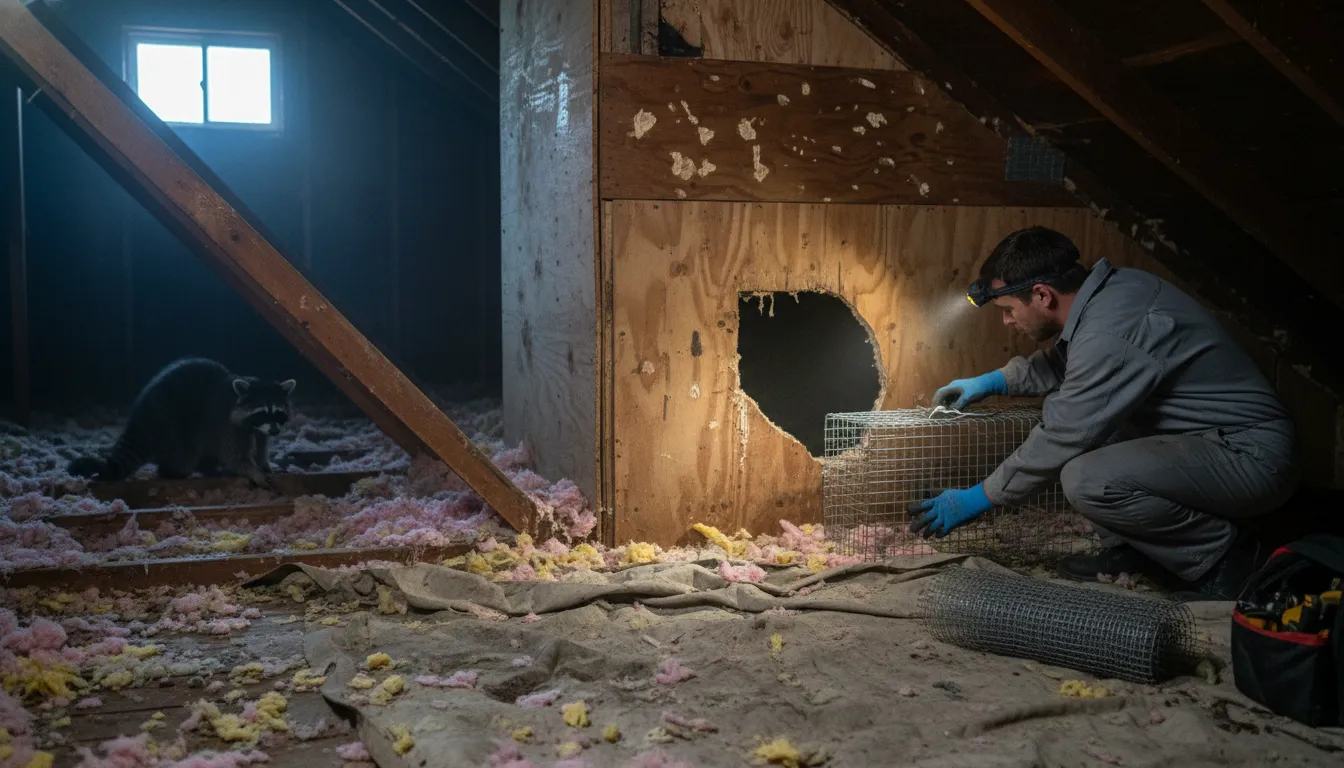
Dealing with unwelcome wildlife on your property can be a stressful and confusing experience. Whether it's raccoons in the attic, squirrels in the walls, or beavers damming a creek, these animals can cause significant damage and pose health risks. In Washington, navigating the rules for wildlife control is essential, as state regulations protect both property owners and native species. This guide provides clear, practical information on your options, from do-it-yourself methods to hiring certified professionals, helping you resolve conflicts with wildlife effectively and legally.
Cascade Pest Control
1420 5th Ave Suite 2260, Seattle, WA 98101
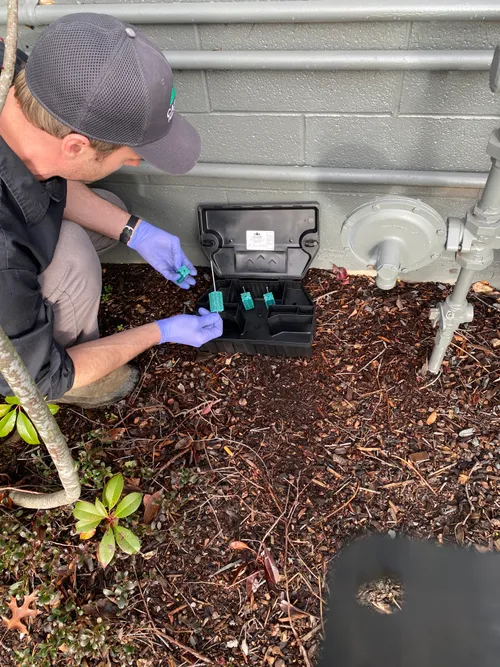
Cascade Pest Control is a family-owned pest control company serving Seattle, WA, and nearby areas. Established in 1979, they specialize in environmentally safe pest and rodent control services tailored to the unique needs of homes and businesses in the region. Their licensed technicians provide comprehensive inspections and treatments for common Seattle pests such as ants, spiders, rodents, termites, and wasps. Cascade Pest Control offers rodent removal and prevention, including damage remediation and exclusion services, along with ongoing pest prevention maintenance programs to protect properties year-round.
Insulation Co
1420 E Pine St, Seattle, WA 98122
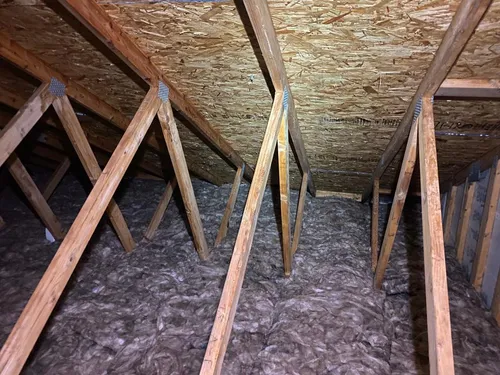
Insulation Co is a Seattle, WA-based company specializing in attic and crawl space services. Their offerings include insulation installation and removal, mold remediation, ventilation improvements, and rodent proofing and clean-up. They also provide sump pump installation and drainage solutions. The company focuses on improving energy efficiency and indoor air quality through services like duct sealing and insulation. Insulation Co also handles rodent and pest exclusion with humane removal and sanitization. Their expertise includes mold removal and moisture control to maintain healthy living spaces.
Insight Pest Solutions
3635 S Cedar St Suite F, Tacoma, WA 98409
Insight Pest Solutions is a pest control company based in Tacoma, WA, specializing in the removal of ants, spiders, rodents, and other wildlife. They offer comprehensive pest control services including inspections and treatments to prevent and address infestations. Their team of certified local exterminators uses methods they trust in their own homes to ensure effective and safe pest management.

PURCOR Pest Solutions
450 Alaskan Way S Ste: 200-269, Seattle, WA 98104
PURCOR Pest Solutions provides pest and termite control services in Seattle, WA. They manage a variety of pests including ants, mice, spiders, roaches, rodents, and seasonal invaders for both homes and businesses. Their services include pest prevention, rodent removal, termite inspections, and wildlife cleanup, with a focus on minimizing environmental impact. PURCOR is locally managed and committed to serving the Seattle community with expert pest control solutions.
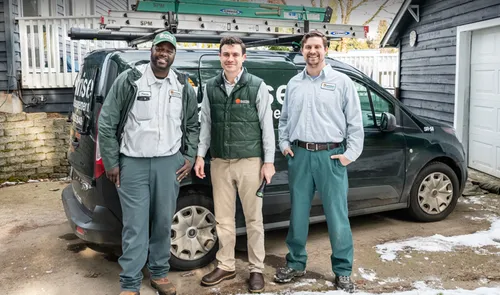
Sunrise Pest & Turf Management | Bellevue, WA
1840 130th Ave NE #13th, Bellevue, WA 98005
Sunrise Pest & Turf Management | Bellevue, WA has been providing pest control and lawn care services in Seattle, WA and the surrounding areas since 1978. They offer comprehensive pest management solutions for ants, rodents, wasps, termites, and moles, as well as lawn care treatments including fertilization, weed control, aeration, and disease management. Their commercial services cater to retail, industrial, and HOA properties. The company is affiliated with WSPMA and has an A+ rating from the BBB. Customers can speak directly with licensed technicians during business hours for straightforward quotes and scheduling.
Understanding Washington's Wildlife Regulations
Washington State manages wildlife through the Washington Department of Fish and Wildlife (WDFW). The core principle is that property owners have the right to address animals causing damage, but this right is balanced with conservation laws designed to protect native species. The rules you must follow depend heavily on the specific animal involved and the methods you plan to use.
A critical first step is accurately identifying the species. Common nuisance animals like raccoons, opossums, and non-protected rodents have one set of rules, while state or federally protected species have much stricter requirements. Before taking any action, it's wise to confirm the animal's status and the applicable regulations.
Protected Species: What You Cannot Remove Yourself
Washington is home to many species that are protected by state and/or federal law. It is generally illegal to hunt, trap, or kill these animals without specific permits issued under recovery plans.
State-Protected Species include animals like the Western Gray Squirrel, Pika, Hoary Marmot, and numerous endangered or threatened species. This list encompasses wolves, certain cranes and owls (like the Northern Spotted Owl), and rare amphibians 1.
Federally Protected Species, such as the Marbled Murrelet and California Condor, carry additional protections under laws like the Endangered Species Act 2.
The Rule: If you suspect the animal on your property is a protected species, you must not attempt lethal removal. Your first action should be to contact the WDFW for guidance. They can advise on whether a permit is available for your situation or if they will manage the issue directly.
When Can You Handle Wildlife Removal Yourself?
For common nuisance wildlife that is not protected, Washington law allows property owners to take action. According to RCW 77.36.030, a person may trap or kill wildlife that is threatening human safety or causing property damage. However, this is not a free pass. Key conditions apply:
- Non-Lethal Methods First: You are required to first attempt to resolve the problem using non-lethal methods. This includes exclusion (sealing entry points), using repellents, installing fencing, or employing scare tactics.
- Humane Disposal: Any wildlife that is killed must be disposed of humanely within 24 hours. The WDFW provides guidelines, which typically include burial or disposal at a licensed landfill, to prevent public nuisance or water contamination 3 4.
- Prohibited Methods: Certain traps, like body-gripping traps (e.g., Conibear traps), cannot be used without a special permit, even on your own property.
If non-lethal methods fail and you wish to use more advanced trapping methods, you may need to apply for a permit from the WDFW.
Permits and Certifications: Navigating Legal Requirements
Understanding the difference between a permit for a homeowner and a certification for a professional is crucial.
Special Trapping Permit (STP): This permit is required for any person-homeowner or professional-to use body-gripping traps for nuisance wildlife control. The application process requires you to provide evidence that non-lethal methods have been attempted and failed 5 6.
Wildlife Control Operator (WCO) Certification: This is not a permit for homeowners. If you plan to hire someone or if you want to offer wildlife removal services for a fee, the individual performing the work must be a state-certified Wildlife Control Operator. WCOs must complete specific training and carry proof of their certification 7 8.
Scientific Collection Permits: For researchers or in very specific circumstances involving protected species, a Scientific Collection Permit may be an option, but these are not typically for standard nuisance wildlife situations 9.
Find the perfect wildlife removal companies for your needs
Get personalized recommendations and expert advice
The Professional Wildlife Removal Process
Hiring a certified Wildlife Control Operator (WCO) is often the most effective and legally compliant solution for persistent or complex problems. A professional brings expertise in animal behavior, exclusion techniques, and state regulations.
A qualified WCO will typically follow a multi-step process:
- Inspection and Identification: They will identify the species, locate entry points, and assess the extent of the damage and infestation.
- Customized Plan: They develop a plan that may include live trapping, exclusion (one-way doors), habitat modification, and, where legal and necessary, euthanasia.
- Exclusion and Repair: After removing animals, the critical step is sealing entry points to prevent re-entry. Many professionals also offer repair services for damage caused by wildlife.
- Cleanup and Sanitation: For animals like rodents or bats, decontamination and cleanup of droppings (guano) or urine is vital for health and safety.
Always ask to see a professional's WCO certification and ensure they carry proper insurance.
Cost Considerations for Wildlife Control
The cost of resolving a wildlife issue in Washington varies dramatically based on the species, the severity of the problem, and the methods required.
DIY Costs: If you handle the problem yourself, expenses are limited to materials like wire mesh for exclusion, repellents, or live-catch traps. These can range from a few dollars to a few hundred.
Professional Removal Costs: Hiring a certified WCO involves service fees that can range widely. Simple removals (e.g., a single raccoon) may start around $150-$300. More complex jobs, such as removing a colony of bats from an attic, sealing all entry points, and performing biohazard cleanup, can easily cost $1,000 or more 10. Factors influencing price include the animal's accessibility, the time required, and whether the service includes repairs and warranties against re-entry.
Key Action Steps for Washington Property Owners
Follow this streamlined checklist to address wildlife issues legally and effectively:
- Identify the Species: Use caution and observe from a distance. Consult WDFW resources or contact a professional for help with identification.
- Check Protection Status: Verify if the animal is a common nuisance species or a protected one. Contact WDFW if you are unsure.
- Attempt Non-Lethal Solutions: Implement exclusion, habitat modification (removing food sources), or scare devices as a first step.
- Contact WDFW for Guidance: For protected species, complex situations, or if you need clarification on permits, reach out to the WDFW directly.
- Hire a Certified WCO: For persistent problems or if you prefer a professional solution, hire a state-certified Wildlife Control Operator. Verify their certification and get a detailed written estimate.
Frequently asked questions
Sources
Footnotes
-
WAC 220-200-100: - | WA.gov - https://app.leg.wa.gov/wac/default.aspx?cite=220-200-100 ↩
-
Non-Hunted Animals and Protected Species - Hunter Ed - https://www.hunter-ed.com/washington/studyGuide/Non-Hunted-Animals-and-Protected-Species/20105001_110790/ ↩
-
RCW 77.36.030: Trapping or killing wildlife threatening ... - | WA.gov - https://app.leg.wa.gov/rcw/default.aspx?cite=77.36.030 ↩
-
Chapter 220-440 WAC: - | WA.gov - https://app.leg.wa.gov/wac/default.aspx?cite=220-440&full=true ↩
-
Special trapping permit for a nuisance wildlife problem | Washington Department of Fish & Wildlife - https://wdfw.wa.gov/licenses/hunting/trapping ↩
-
How to apply for a special permit to use body-gripping traps - https://wdfw.wa.gov/species-habitats/living/nuisance-wildlife/special-trapping ↩
-
Wildlife control operator classes and FAQ | Washington Department ... - https://wdfw.wa.gov/species-habitats/living/nuisance-wildlife/wildlife-control-operators/faq ↩
-
Washington | Training Information for Wildlife Control Operators - https://nwco.net/states/states-q-z/washington/ ↩
-
Scientific Collection Permits | Washington Department of Fish & ... - https://wdfw.wa.gov/licenses/environmental/scientific-collection ↩
-
Animal Removal & Trapping - https://www.animalevictor.com/animal-removal--trapping.html ↩