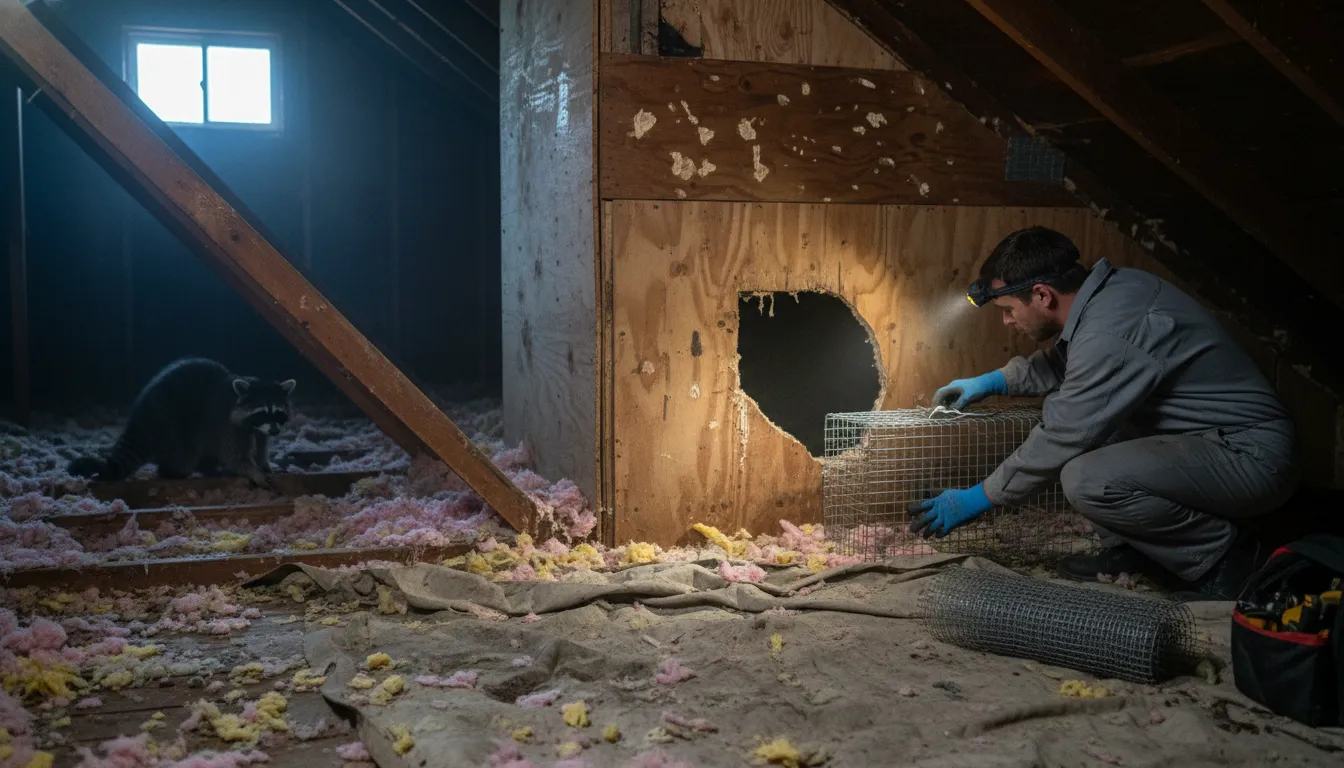
Find the Best Wildlife Removal Companies for Your Business
No obligation • Fast responses • Nationwide coverage

Why you can trust Pest Crews
Pest Crews is a leading U.S. resource for finding and evaluating residential and commercial pest control services. Our team researches providers, reviews treatment approaches, and organizes unbiased information to help you make informed decisions. Companies cannot pay to change our editorial content or influence how they appear.
Search providers near you
Top Wildlife Removal Companies in Seattle, Washington Ranked
Living in Seattle means sharing our beautiful urban environment with a diverse array of wildlife. While encounters with raccoons, squirrels, and bats can be fascinating, they become a serious concern when these animals decide to move into your attic, walls, or crawlspace. Professional wildlife removal is the specialized process of safely and legally evicting nuisance animals from human structures, implementing exclusion measures to prevent their return, and addressing the health and property damage risks they pose. This guide will help you understand the common challenges, your legal options, and how to find qualified local experts to resolve conflicts with our wild neighbors effectively and humanely.
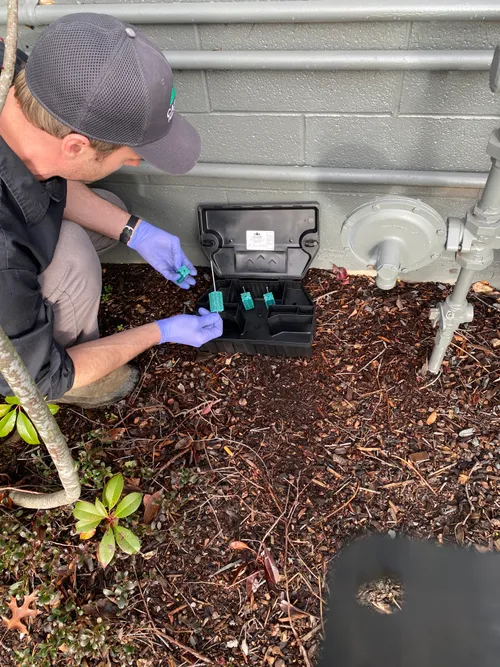
Cascade Pest Control
1420 5th Ave Suite 2260, Seattle, WA 98101
Cascade Pest Control is a family-owned pest control company serving Seattle, WA, and nearby areas. Established in 1979, they specialize in environmentally safe pest and rodent control services tailored to the unique needs of homes and businesses in the region. Their licensed technicians provide comprehensive inspections and treatments for common Seattle pests such as ants, spiders, rodents, termites, and wasps. Cascade Pest Control offers rodent removal and prevention, including damage remediation and exclusion services, along with ongoing pest prevention maintenance programs to protect properties year-round.
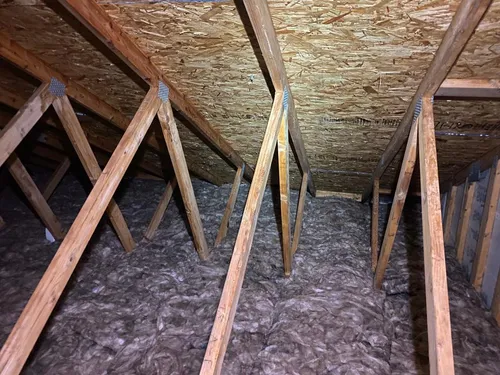
Insulation Co
1420 E Pine St, Seattle, WA 98122
Insulation Co is a Seattle, WA-based company specializing in attic and crawl space services. Their offerings include insulation installation and removal, mold remediation, ventilation improvements, and rodent proofing and clean-up. They also provide sump pump installation and drainage solutions. The company focuses on improving energy efficiency and indoor air quality through services like duct sealing and insulation. Insulation Co also handles rodent and pest exclusion with humane removal and sanitization. Their expertise includes mold removal and moisture control to maintain healthy living spaces.
Insight Pest Solutions
3635 S Cedar St Suite F, Tacoma, WA 98409
Insight Pest Solutions is a pest control company based in Tacoma, WA, specializing in the removal of ants, spiders, rodents, and other wildlife. They offer comprehensive pest control services including inspections and treatments to prevent and address infestations. Their team of certified local exterminators uses methods they trust in their own homes to ensure effective and safe pest management.

PURCOR Pest Solutions
450 Alaskan Way S Ste: 200-269, Seattle, WA 98104
PURCOR Pest Solutions provides pest and termite control services in Seattle, WA. They manage a variety of pests including ants, mice, spiders, roaches, rodents, and seasonal invaders for both homes and businesses. Their services include pest prevention, rodent removal, termite inspections, and wildlife cleanup, with a focus on minimizing environmental impact. PURCOR is locally managed and committed to serving the Seattle community with expert pest control solutions.
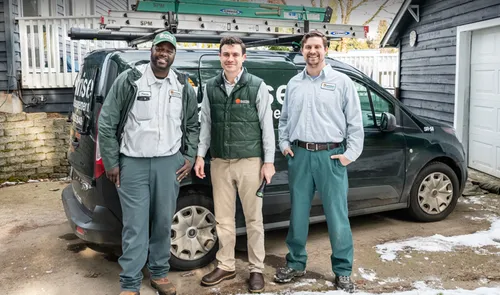
Sunrise Pest & Turf Management | Bellevue, WA
1840 130th Ave NE #13th, Bellevue, WA 98005
Sunrise Pest & Turf Management | Bellevue, WA has been providing pest control and lawn care services in Seattle, WA and the surrounding areas since 1978. They offer comprehensive pest management solutions for ants, rodents, wasps, termites, and moles, as well as lawn care treatments including fertilization, weed control, aeration, and disease management. Their commercial services cater to retail, industrial, and HOA properties. The company is affiliated with WSPMA and has an A+ rating from the BBB. Customers can speak directly with licensed technicians during business hours for straightforward quotes and scheduling.
Common Nuisance Wildlife in Seattle
The Pacific Northwest's rich ecosystems mean Seattle residents often encounter specific mammals and birds seeking shelter or food. Knowing which species you're dealing with is the first step toward a proper solution.
Mammals:
- Raccoons: Intelligent and dexterous, they are common culprits for attic invasions, often tearing open roof vents or soffits to create dens.
- Squirrels: Both Eastern gray and Douglas squirrels can cause significant damage by chewing electrical wiring, insulation, and structural wood when nesting in attics or eaves 1.
- Rats & Mice: Norway rats and house mice are prolific breeders that contaminate food, spread disease, and gnaw on virtually anything.
- Bats: Several species, like the Little Brown Bat, are protected and require special handling. A colony in an attic poses health risks from accumulated guano.
- Other Frequent Visitors: Opossums, coyotes, moles, voles, skunks, and chipmunks also regularly cause issues for homeowners 2.
Birds:
- Pigeons: Their droppings are corrosive and can damage roofing and siding, while nests can block gutters and vents.
- Crows: Nuisance issues with crows are often directly related to feeding by residents, which can lead to large, noisy gatherings and property damage.
What Seattle Homeowners Can Do: DIY Prevention & Eviction
Before a situation escalates, there are several safe and legal actions you can take to discourage wildlife and encourage them to leave on their own.
Prevention is Key: The most effective strategy is to make your property less attractive. Secure trash cans with locking lids, never leave pet food outdoors, and pick up fallen fruit from trees 3. Regularly inspect your home's exterior for potential entry points, such as loose siding, gaps in roof lines, or broken vent covers, and seal them with appropriate materials.
Humane Eviction Techniques: If an animal is already inside a structure like a shed or attic, you may use deterrents like bright lights, loud radios, or safe repellents to encourage it to leave. For certain situations, installing a one-way exclusion door allows an animal to exit but prevents re-entry. This must be done with extreme care, ensuring no young animals are trapped inside, which is both inhumane and illegal 4.
Handling Dead Wildlife: For small carcasses (under 15 lbs), you can typically double-bag the remains and dispose of them with your regular household trash 5. Always wear gloves and wash hands thoroughly. For larger animals on your property, you may need to contact a professional.
Understanding Local Regulations and Legal Restrictions
Washington State and the City of Seattle have specific laws governing human-wildlife conflicts. Attempting to handle a situation improperly can result in fines or legal trouble.
Feeding Wildlife: Many local ordinances, including those in Seattle and surrounding areas like Bellevue, prohibit or strongly discourage feeding wild animals. This practice artificially increases wildlife populations and leads to nuisance behavior 6.
Trapping and Relocation: It is generally illegal for private citizens to trap and relocate wildlife in Washington without a special permit from the Washington Department of Fish and Wildlife (WDFW) 7. Relocation often simply moves the problem to another neighborhood and can spread disease or doom the animal to starvation in an unfamiliar territory. The WDFW oversees all permitting, typically requiring that non-lethal options be exhausted first 8.
Permits: Special trapping permits are required for most species and are issued by the WDFW on a case-by-case basis for specific nuisance problems. A licensed professional will understand when and how to obtain these necessary permits.
Find the perfect wildlife removal companies for your needs
Get personalized recommendations and expert advice
When to Call Animal Control vs. a Wildlife Professional
Knowing which agency or service to contact will save you time and ensure the problem is handled correctly.
Contact Seattle Animal Control (SAC) for:
- Dangerous or menacing animals posing an immediate threat.
- Injured wildlife (though their capacity may be limited).
- Stray domestic animals.
- Property damage caused by a neighbor's pet 9.
Contact the Washington Department of Fish and Wildlife (WDFW) for:
- Incidents involving large, potentially dangerous animals like deer, cougars, or bears.
- Guidance on obtaining a special trapping permit if you plan to pursue DIY control legally 10.
Hire a Licensed Wildlife Control Operator (WCO) for:
- Health and Safety Hazards: Situations involving large accumulations of droppings (like from bats or rodents), which can harbor pathogens and require specialized cleanup.
- Complex Removals: When animals are deeply entrenched in walls, chimneys, or under concrete slabs.
- Presence of Young: Removing a mother animal without her offspring is ineffective and inhumane. Professionals can safely reunite and remove families 11.
- Disease Carriers: Animals like raccoons (which can carry rabies) or bats (associated with histoplasmosis) require expert handling.
- When You're Uncomfortable: If you lack the experience, tools, or time to handle the situation safely and legally, a professional is the best choice.
The Professional Wildlife Removal Process
A qualified Wildlife Control Operator follows a systematic, humane, and legal approach to resolve your issue permanently.
- Inspection and Assessment: The professional will conduct a thorough inspection of your property to identify the species, locate all entry points, and assess the extent of the damage and contamination.
- Humane Removal and Eviction: Using species-appropriate methods-such as live trapping (where permitted), exclusion devices, or deterrents-the animals are removed from the structure.
- Exclusion and Repair: This is the most critical step. All entry points are permanently sealed with durable materials like steel mesh, hardware cloth, or specialized flashing to prevent re-entry by the same or different animals.
- Cleanup and Sanitation: Affected areas are cleaned, and droppings/urine are removed. In some cases, antimicrobial treatments are applied to mitigate health risks. Damaged insulation may be replaced.
- Follow-up and Monitoring: A reputable service will often offer a warranty period and follow up to ensure the exclusion is holding and the animals have not returned.
Cost Estimates for Wildlife Control in Seattle
Costs vary significantly based on the species, the severity of the infestation, the size of your home, and the extent of repairs needed. The following are general estimates to help you budget 12 13 14.
- Initial Inspection/Assessment: Typically ranges from $100 to $300+.
- Raccoon Removal: Due to their size and intelligence, removing a raccoon family and sealing entry points can cost between $300 and $1,000+.
- Squirrel or Rat Removal: For common attic infestations, including trapping and exclusion, costs often fall between $200 and $600+.
- Bat Removal and Exclusion: This is often the most expensive service due to the need for meticulous sealing of many tiny gaps and potential guano cleanup, ranging from $500 to $2,000+.
- Average Service Call-Out Fee: Many companies charge a trip fee starting around $150 to $250+, which may be applied toward the total service cost.
It's always wise to get detailed, written estimates from several licensed and insured professionals before making a decision.
Frequently asked questions
Sources
Footnotes
-
Frequently Asked Questions - Animal Shelter - Seattle.gov - https://www.seattle.gov/animal-shelter/resources/faq ↩
-
Wildlife & Critter Removal | Trapping Services | Sammamish, Seattle, ... - https://seattlewildlifecontrol.com/services/ ↩
-
Nuisance wildlife | Washington Department of Fish & Wildlife - https://wdfw.wa.gov/species-habitats/living/nuisance-wildlife ↩
-
Humane Wildlife Removal: Best Methods & Benefits - https://wildsidewildliferemoval.ca/decoding-humane-wildlife-removal-understand-the-optimal-methods-and-their-benefits/ ↩
-
Moles | Chillicothe, OH - https://www.muddywaterswildlifecontrol.com/wildlife-services ↩
-
Animal Nuisances - MRSC - https://mrsc.org/explore-topics/code-enforcement/nuisances/animal-nuisances ↩
-
Who can legally trap, release wild animals in WA state? - https://www.tri-cityherald.com/news/state/washington/article289587116.html ↩
-
Nuisance Wildlife Removal - Turner Pest Control - https://www.turnerpest.com/nuisance-wildlife-removal/ ↩
-
Animal Control - Animal Shelter | seattle.gov - https://www.seattle.gov/animal-shelter/animal-control ↩
-
Special trapping permit for a nuisance wildlife problem | Washington ... - https://wdfw.wa.gov/licenses/hunting/trapping ↩
-
Evicting animals from buildings | Washington Department of Fish & ... - https://wdfw.wa.gov/species-habitats/living/nuisance-wildlife/evicting ↩
-
Hiring a Wildlife Control Operator | Washington Department of ... - https://wdfw.wa.gov/species-habitats/living/nuisance-wildlife/wildlife-control-operators ↩
-
Wildlife Removal in Greater Seattle - Critter Control - https://www.crittercontrol.com/office-finder/washington/seattle/ ↩
-
Squirrel Removal Cost | Average Cost of Squirrel Removal - https://www.fixr.com/costs/squirrel-removal ↩