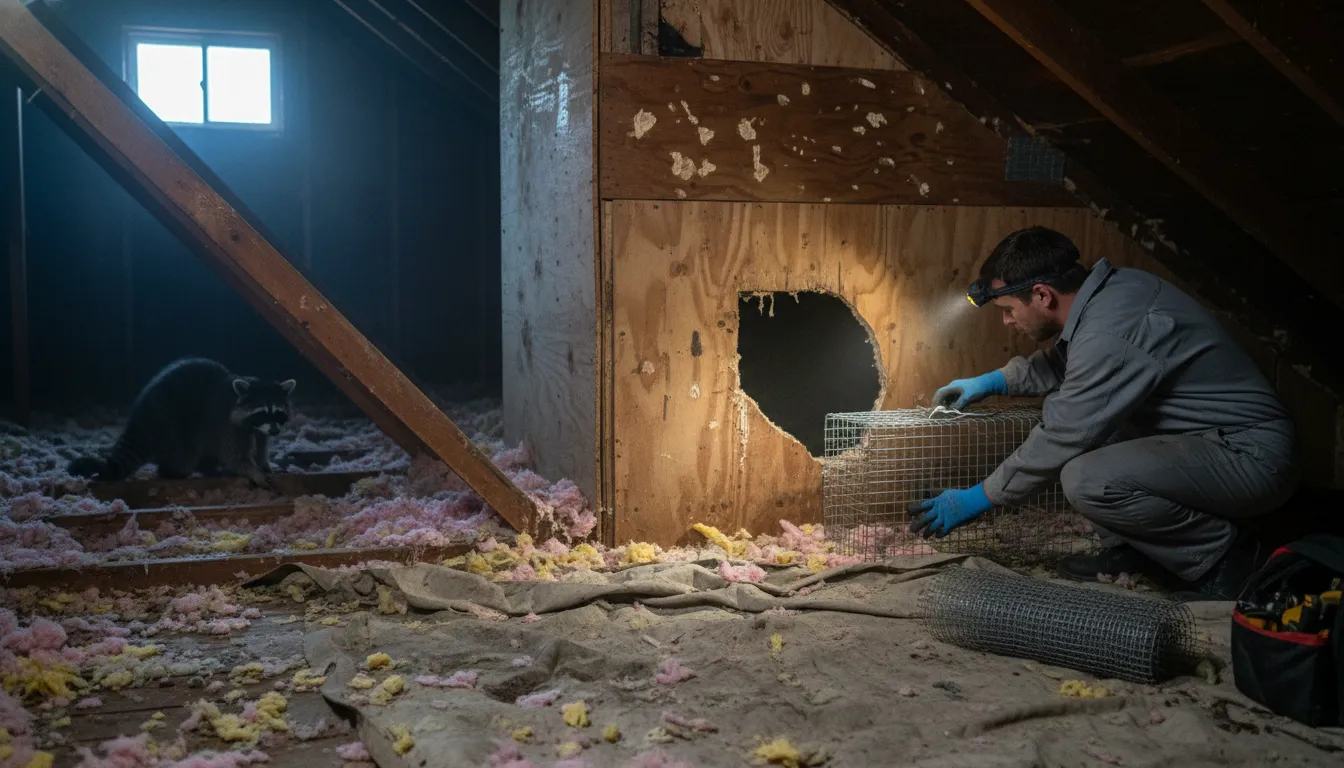
Find the Best Wildlife Removal Companies for Your Business
No obligation • Fast responses • Nationwide coverage

Why you can trust Pest Crews
Pest Crews is a leading U.S. resource for finding and evaluating residential and commercial pest control services. Our team researches providers, reviews treatment approaches, and organizes unbiased information to help you make informed decisions. Companies cannot pay to change our editorial content or influence how they appear.
Search providers near you
Top Wildlife Removal Companies in Vancouver, Washington Ranked
When raccoons rummage through your trash, squirrels nest in your attic, or skunks take up residence under your deck, you're dealing with nuisance wildlife. These encounters are common in Vancouver, where urban expansion meets natural habitats, leading animals to seek food and shelter in our homes and yards. Professional wildlife removal is the safe, legal, and humane process of evicting these unwanted guests and preventing their return. This guide is designed to help Vancouver homeowners understand their options, from state regulations to local service providers, ensuring conflicts with wildlife are resolved effectively and responsibly.
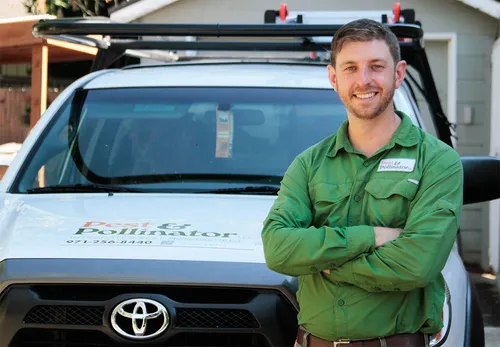
Pest & Pollinator LLC
315 SE 61st Ave, Portland, OR 97215
Pest & Pollinator LLC is a pest control company based in Portland, OR, specializing in eco-friendly integrated pest management solutions. Owner Keith Chaloux brings over a decade of experience in habitat restoration and pest control, focusing on protecting native species and promoting biodiversity. The company offers services including ant and rodent control, wildlife removal, and tree, turf, and shrub care. Pest & Pollinator LLC emphasizes safe, environmentally conscious methods to manage pests while supporting natural ecosystems.
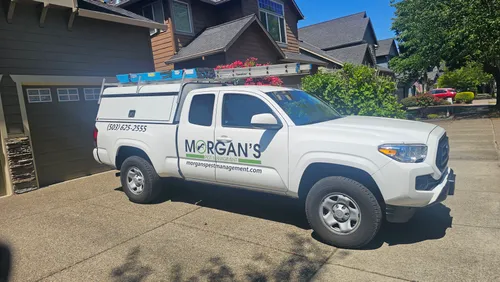
Morgan's Pest Management
Portland, OR
Morgan's Pest Management is a pest control company based in Portland, OR, serving Portland neighborhoods and surrounding cities including Sherwood, Tigard, Beaverton, and more. They provide services for bed bug treatment, ant control, rodent control, bee and wasp removal, wildlife removal, and general pest extermination. With over 10 years of experience, they handle a variety of pests such as ants, spiders, wasps, hornets, yellow jackets, mice, rats, squirrels, and fleas.
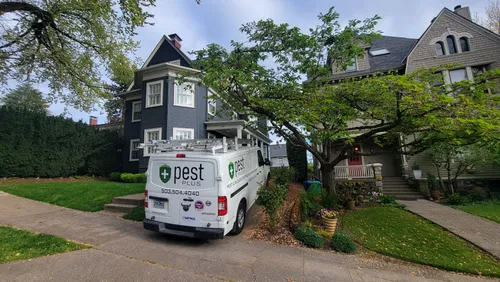
Pest Plus LLC
Portland, OR
Pest Plus LLC is a locally owned pest control company serving the Portland, OR metro area and surrounding regions. They provide custom pest management solutions for residential, commercial, and industrial clients. Their services include thorough inspections, advanced exclusion repairs, crawlspace and attic restorations, sanitation services, and solar panel exclusions. Pest Plus specializes in wildlife removal, rodent control, ant control, bee and wasp removal, and bird and pigeon control. The company emphasizes tailored strategies and offers flexible service programs without long-term contracts to meet customer needs.
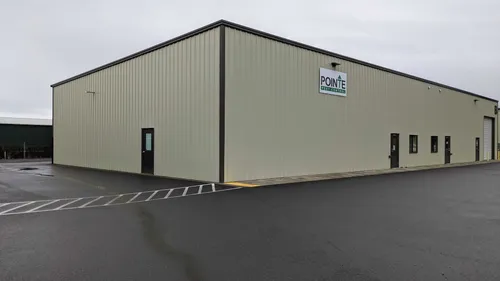
Pointe Pest Control - Vancouver
5900 NE 152nd Ave Bldg B #250, Vancouver, WA 98682
Pointe Pest Control - Vancouver provides pest control and wildlife removal services in Portland, OR. They handle infestations of rodents, ants, cockroaches, bed bugs, bees, wasps, pigeons, and other pests. Their technicians are experienced in identifying vulnerable areas of homes and managing infestations ranging from moderate to advanced. Pointe Pest Control has extensive knowledge of pest behavior and control methods to address a variety of pest problems effectively.

PURCOR Pest Solutions
4949 S Macadam Ave #6, Portland, OR 97239
PURCOR Pest Solutions provides pest and termite control services in Portland, OR. They manage a variety of pests including ants, mice, spiders, roaches, rodents, and seasonal invaders for both residential and commercial properties. Their services include pest prevention, termite inspections, rodent control, and wildlife removal, with additional support for cleanup after infestations. PURCOR emphasizes environmentally mindful pest management and offers resources to help customers understand termite-related issues.
Common Nuisance Wildlife in Vancouver
Vancouver's mix of wooded areas, waterways, and residential neighborhoods attracts a variety of mammals looking for easy resources. Knowing which animal you're dealing with is the first step toward a solution.
- Raccoons: Intelligent and dexterous, raccoons are frequent culprits for tipped garbage cans and can cause significant damage tearing into attics or crawlspaces to create dens. They are also common carriers of diseases like rabies and roundworm.
- Squirrels: Both Eastern gray squirrels and flying squirrels are known for entering attics, often chewing on electrical wiring, insulation, and structural wood, which creates a fire hazard and requires costly repairs 1 2.
- Skunks & Opossums: These animals often seek shelter under porches, decks, and sheds. While opossums are generally less destructive, skunks pose a obvious defensive problem and can dig up lawns in search of grubs.
- Rats and Mice: While often categorized under pest control, rodent infestations require exclusion and removal strategies similar to those for larger wildlife, especially when they invade home interiors.
- Bats: Small openings in eaves or vents can allow bats to enter attics. Bat colonies are protected in many contexts due to their ecological role, so their removal is highly regulated and must be handled with special care.
Washington State Laws and Regulations
Wildlife in Washington is managed by the Washington Department of Fish and Wildlife (WDFW). It's crucial to understand that state laws strictly govern how nuisance animals can be handled. Attempting do-it-yourself (DIY) removal without knowing these rules can lead to legal trouble and inhumane outcomes.
- Trapping Regulations: For most nuisance species like raccoons, squirrels, and opossums, a trapping license is not required on your own property. However, all trapping must comply with WDFW regulations (WAC 220-417-030). These rules specify approved trap types, checking frequencies, and humane treatment standards.
- The Relocation Problem: A critical law for homeowners to know is that it is generally illegal to trap and relocate wildlife in Washington. Relocating animals, especially in residential areas, is prohibited without a special permit because it can spread disease, cause undue stress to the animal, and simply transfer the problem to someone else's neighborhood 3. Trapped animals must often be humanely euthanized on-site if they cannot be released where they were caught.
- Humane Requirements: State law (RCW 77.36.030) mandates that any wildlife causing damage must be managed in a humane manner. This applies to both lethal and non-lethal control methods.
Your Options for Wildlife Control
Do-It-Yourself (DIY) Prevention and Exclusion
For minor issues or as a preventive measure, homeowners can take several effective steps. The goal of DIY efforts should be to make your property less attractive and accessible, not to trap animals.
- Exclusion: This is the most effective long-term strategy. It involves sealing all potential entry points with durable materials like metal flashing, hardware cloth, or concrete. Pay special attention to roof vents, soffits, chimney caps, and gaps where utilities enter the home.
- Habitat Modification: Remove food sources (secure trash cans with locking lids, bring in pet food, clean up fallen fruit). Trim tree branches away from the roof and clear dense brush from building foundations.
- One-Way Doors: For animals like squirrels or raccoons that are actively living inside a structure, licensed professionals often install one-way exclusion doors. These allow animals to leave but prevent re-entry. Caution: This should never be done during baby season (spring/summer), as it can trap and orphan young inside your walls or attic.
Hiring a Professional Wildlife Control Operator (WCO)
For established infestations, animals inside living spaces, or when DIY methods fail, hiring a professional is the recommended course of action. A licensed Wildlife Control Operator (WCO) has the expertise, tools, and legal knowledge to resolve the situation correctly.
- What They Do: A professional will conduct a thorough inspection, identify all entry points, humanely remove the animals in compliance with WDFW regulations, clean and disinfect affected areas (droppings can carry health risks), and perform exclusion repairs to prevent future entry.
- Finding a Licensed WCO: The WDFW maintains resources for finding licensed professionals. It's advisable to get multiple estimates and ask for proof of licensing, insurance, and references.
Find the perfect wildlife removal companies for your needs
Get personalized recommendations and expert advice
Who to Call: Vancouver Wildlife Removal Services
Knowing which agency or service to contact depends on the nature of the wildlife problem.
- For Immediate Danger or Cruelty: If an animal is posing an immediate threat to public safety (e.g., an aggressive raccoon in a schoolyard) or you suspect animal cruelty or neglect, contact Clark County Animal Protection and Control. They handle emergency calls during business hours (M-F, 8 am-5 pm) 4.
- For Nuisance Wildlife in or on Your Home: This is the primary domain of private Wildlife Control Operators (WCOs). They are licensed to handle year-round removal of small game mammals from private property.
- For Large or Dangerous Game: Conflicts with deer, bear, cougar, or elk fall under the jurisdiction of the Washington Department of Fish and Wildlife (WDFW). Homeowners should contact WDFW directly for guidance and to obtain any necessary special permits 5 6.
Understanding Wildlife Removal Costs in Vancouver
The cost for professional animal removal services in Vancouver varies widely based on the species, the extent of the infestation, the location of the animal within the structure, and the amount of repair work needed. Here is a general pricing framework based on local service estimates:
- Small Job (Assessment & Basic Removal): Starting around $100 - $200. This might cover the removal of a single animal from a readily accessible location, like a raccoon from a chimney or a squirrel from a garage, with minimal repairs.
- Medium Job (Standard Removal & Exclusion): Typically $300 - $500. This is a common range for removing a family of raccoons or squirrels from an attic, including initial cleanup and the installation of exclusion repairs on the main entry points.
- Large/Complex Job: Can exceed $500+. Jobs in this category involve multiple animals, extensive damage, difficult-to-access areas (like deep crawlspaces), or significant biohazard cleanup (e.g., accumulated droppings and urine) and full-structure exclusion 7 8.
Always request a detailed, written estimate that breaks down inspection, removal, cleanup, and repair costs before work begins.
The Professional Removal Process: What to Expect
When you hire a reputable WCO, they should follow a comprehensive process:
- Inspection and Assessment: The technician will inspect your property inside and out to identify the animal species, locate all entry points, and assess the extent of the damage and contamination 9.
- Humane Removal: Using methods compliant with WDFW regulations, the animals will be removed. This may involve live trapping, exclusion devices, or, in some cases, euthanasia if legal relocation is not an option 10.
- Cleanup and Sanitization: This critical step involves removing nesting materials, droppings, and urine. Professionals use specialized equipment like HEPA vacuums and enzyme cleaners to eliminate odors and disease pathogens.
- Exclusion and Repair: All identified entry points are permanently sealed with animal-proof materials. This is the key to preventing a recurring problem, as simply removing the animals leaves your home vulnerable to the next opportunistic creature 11 12.
- Follow-up: Many companies offer a warranty period on their exclusion work and will schedule a follow-up visit to ensure the problem is fully resolved and no new entry points have been exploited.
Frequently asked questions
Sources
Footnotes
-
Hiring a Wildlife Control Operator | Washington Department of ... - https://wdfw.wa.gov/species-habitats/living/nuisance-wildlife/wildlife-control-operators ↩
-
Wildlife Removal Vancouver WA - http://www.wildliferemovalvancouver.com/ ↩
-
Frequently Asked Wildlife And Animal Control Questions - https://www.animalevictor.com/frequently-asked-wildlife-and-animal-control-questions.html ↩
-
Report animal concerns - Clark County - https://clark.wa.gov/community-development/report-animal-concerns ↩
-
Nuisance wildlife | Washington Department of Fish & Wildlife - https://wdfw.wa.gov/species-habitats/living/nuisance-wildlife ↩
-
Special trapping permit for a nuisance wildlife problem | Washington ... - https://wdfw.wa.gov/licenses/hunting/trapping ↩
-
Vancouver Wildlife Control / Washington Animal Removal - http://www.aaanimalcontrol.com/professional-trapper/city/WA-Vancouver.htm ↩
-
Wildlife Removal Vancouver Cell Phone: 360-450-6288 - http://www.wildlifeanimalcontrol.com/Vancouver-WA.html ↩
-
Vancouver WA Wildlife Removal - Critter Control - https://www.crittercontrol.com/office-finder/washington/critter-control-of-portland/ ↩
-
Trapping nuisance wildlife | Washington Department of Fish ... - https://wdfw.wa.gov/species-habitats/living/nuisance-wildlife/trapping ↩
-
Evicting animals from buildings | Washington Department of Fish & ... - https://wdfw.wa.gov/species-habitats/living/nuisance-wildlife/evicting ↩
-
Vancouver Wildlife Removal, Pest Animal Control WA - http://www.wildlife-removal.com/city/WA-Vancouver.htm ↩