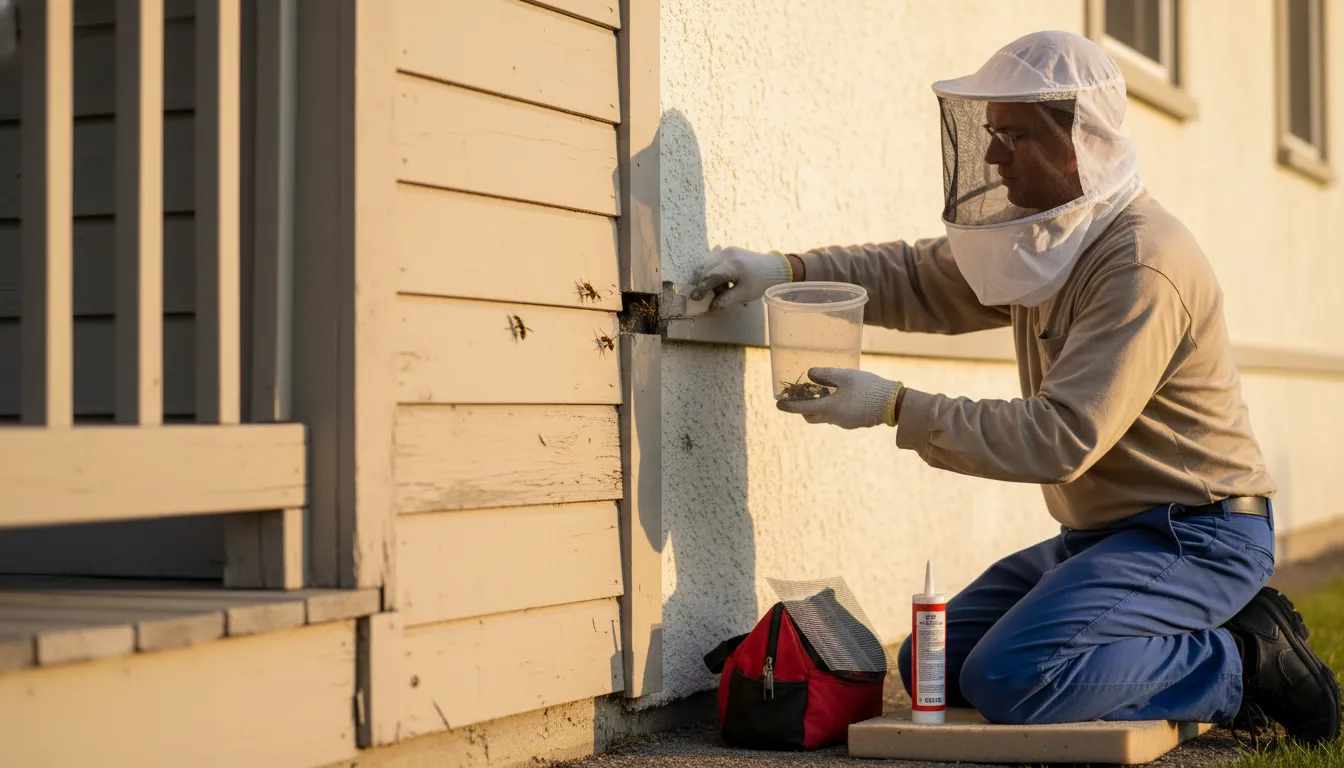
Find the Best Wasp & Hornet Removal Companies for Your Business
No obligation • Fast responses • Nationwide coverage

Why you can trust Pest Crews
Pest Crews is a leading U.S. resource for finding and evaluating residential and commercial pest control services. Our team researches providers, reviews treatment approaches, and organizes unbiased information to help you make informed decisions. Companies cannot pay to change our editorial content or influence how they appear.
Search providers near you
Top Wasp & Hornet Removal Companies in Charlotte, North Carolina Ranked
Discovering a buzzing nest on your property can be unsettling. In Charlotte, professional bee and wasp removal services provide safe, effective solutions for these stinging insects. This guide helps you understand the process, costs, and seasonal patterns of stinging pest control in the Queen City, so you can make informed decisions to protect your home and family.

ClearDefense Pest Control
501 Penman St Suite 301, Charlotte, NC 28203
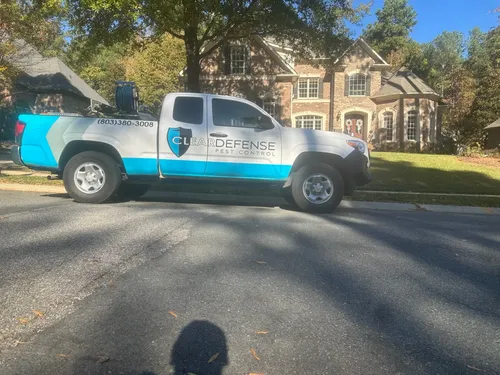
ClearDefense Pest Control is a pest control company based in Charlotte, NC, specializing in environmentally responsible pest management. They provide targeted treatments for cockroaches, ants, rodents, bees, wasps, and other pests using a micro-crystallized formula that releases treatment slowly for ongoing effectiveness. Their services include establishing anti-bug barriers, baiting, trapping, wall injections, and nest removal to control and prevent pest activity year-round. ClearDefense Pest Control serves Charlotte and surrounding areas, applying methods designed to minimize exposure to people and pets while maintaining environmental safety.
ClearDefense Pest Control
1383 Old Springdale Rd, Rock Hill, SC 29730
ClearDefense Pest Control is a pest control company serving Charlotte, NC, and surrounding areas. They specialize in environmentally responsible pest management, including cockroach, ant, rodent control, and bee and wasp removal. Their approach uses a micro-crystallized formula that releases treatment slowly for ongoing effectiveness, focusing on targeted applications based on pest behavior and habitats. ClearDefense serves multiple nearby cities and maintains pest barriers year-round to address seasonal pest activity. Their services include web and nest removal as well as precision treatments at entry points to homes.
Noosa Pest Management LLC
6916 Rea Croft Dr, Charlotte, NC 28226
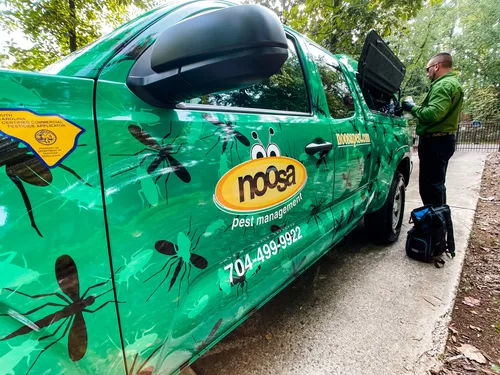
Noosa Pest Management LLC is a locally owned pest control company serving Charlotte, NC. They provide a range of residential and commercial pest management services including bed bug treatment, ant and rodent control, termite inspections, mosquito control, bee and wasp removal, bird and wildlife control, and crawl space encapsulation. Their approach emphasizes environmentally friendly and botanical pest control solutions, integrating natural treatments and comprehensive inspections to address pest issues effectively. Noosa Pest Management also offers specialized termite control and uses heat treatment for bed bugs. They participate in the EPA's Pesticide Environmental Stewardship Program and focus on minimizing chemical use. The company is known for its thorough inspections, customized treatment plans, and ongoing maintenance visits. Noosa Pest Management is family-operated and prioritizes eco-conscious methods while covering a wide range of pests common in the Charlotte area.

Go-Forth Pest Control
1974 Carolina Pl Ste 120, Fort Mill, SC 29708
Go-Forth Pest Control is a pest management company based in Charlotte, NC, serving the Fort Mill area and nearby towns. They provide a wide range of pest control services including ant, cockroach, flea, mosquito, rodent, bed bug, termite, bee, wasp, and wildlife removal. The company uses pet- and kid-friendly products and applies the latest pest management technologies to protect homes and businesses. Established in 1959, Go-Forth Pest Control has decades of experience and offers same-day service to address pest issues promptly.
At Ease Pest Solutions, LLC
694 S Main St, Troutman, NC 28166
At Ease Pest Solutions, LLC is a veteran-owned pest control company serving Charlotte, NC. They offer a range of residential and commercial pest control services including bed bug treatment, ant and rodent control, termite inspection and extermination, mosquito control, and bee and wasp removal. Their approach focuses on exterior pest control methods to create a barrier around properties, minimizing the need for interior pesticide use. The company also provides specialized treatments for pests like termites and bed bugs, and offers service plans that cover multiple pest types with satisfaction guarantees.
Understanding Stinging Insects in Charlotte
Charlotte's warm climate and diverse landscapes provide an ideal habitat for various stinging insects. Knowing which type you're dealing with is the first step toward a safe resolution.
Honeybees are crucial pollinators and are often protected. A cluster of honeybees resting on a tree branch or fence is likely a temporary swarm-a natural process where a colony splits to find a new home. These swarms are generally docile and are prime candidates for humane relocation by a beekeeper or pest professional.
Bumble bees are large, fuzzy, and typically nest in the ground or in abandoned rodent burrows. While they can sting, they are not overly aggressive unless their nest is threatened.
Paper wasps build the familiar open-comb, umbrella-shaped nests under eaves, decks, and railings. They are less aggressive than other wasps but will defend their nest.
Yellow jackets are a significant concern. They often build nests in the ground, inside wall voids, or in hollow structures. They are highly aggressive, especially in late summer and fall, and can sting repeatedly 1.
Bald-faced hornets construct large, enclosed, football-shaped nests, usually high in trees or on buildings. They are protective of their nest and can be very aggressive.
Due to the danger of stings and potential for severe allergic reactions, professional stinging insect extermination is highly recommended for all but the simplest, most accessible swarms.
Where to Look for Nests on Your Property
Stinging insects are adept at finding sheltered, discreet spots to build their homes. Regular inspection of these common areas can help you catch an infestation early 2.
Above-Ground Nesting Sites
- Eaves, Soffits, and Overhangs: These sheltered spots are prime real estate for paper wasps and hornets, offering protection from rain.
- Attics and Wall Voids: Small openings around vents, pipes, or siding can give yellow jackets and bees access to the spacious, protected interior of your walls or attic.
- Roof Rafters and Under Decks: Enclosed spaces that are rarely disturbed are attractive to many species.
- Sheds, Garages, and Playhouses: Doors and windows left ajar can invite insects to build nests inside these outbuildings.
In or On-the-Ground Nesting Sites
- Abandoned Animal Burrows: Yellow jackets frequently take over old rodent holes in the ground.
- Landscaping Areas: Nests can be found under rocks, within dense shrubbery, in old tree stumps, or in piles of leaf litter or mulch 3 4.
- Foundation Voids: The gap between the soil and your home's siding or foundation can be an entry point to a subterranean nest.
Other Common Locations
- Trees and Shrubs: Hornets often build aerial nests in tree branches, while bees may occupy hollow tree trunks.
- Utility Boxes, Grills, and Outdoor Furniture: Infrequently used items with small openings can become nesting sites.
Find the perfect wasp & hornet removal companies for your needs
Get personalized recommendations and expert advice
The Seasonal Cycle of Bees and Wasps in Charlotte
Activity levels for stinging pests in Charlotte are closely tied to the region's climate and temperature 5. Understanding their seasonal behavior can help with prevention and timing for removal.
Spring (March - May): As temperatures consistently rise above 50°F, overwintering queens emerge from hibernation. They begin the solitary work of building a small starter nest and laying the first eggs. Activity is low but steadily increasing during this period. Spring is also the peak time for honeybee swarms as established colonies divide 6.
Summer (June - August): This is the peak season for pest activity. Colony populations explode, reaching their maximum size. Worker wasps and bees are constantly foraging for food to feed the developing larvae, making them more visible. Nests are fully established and well-defended, making summer the most dangerous time for DIY removal attempts 7.
Fall (September - November): As the colony's lifecycle winds down, behavior changes. Worker wasps, with no larvae to feed, seek out high-sugar foods (like fallen fruit or your soda can), making them a nuisance at outdoor gatherings. They can also become more aggressive as the colony declines. New queens and drones mate, and the fertilized queens will seek sheltered spots to hibernate through the winter 8.
Winter (December - February): With consistent cold weather, worker bees, wasps, and drones die off. Only the newly mated queens survive, hibernating in protected crevices, under bark, or inside attics and wall voids. Visible activity ceases until the cycle begins again in spring.
Professional Removal: Methods and What to Expect
When you contact a local Charlotte pest control company for bee hive removal or wasp nest extermination, here's what the process typically involves:
- Inspection: A technician will identify the insect species, locate all nests (there may be more than one), and assess the nest's size and accessibility.
- Treatment Plan: Based on the inspection, the professional will recommend a course of action. For honeybees and sometimes bumble bees, humane bee relocation is often preferred and performed in cooperation with local beekeepers. For wasps, hornets, and inaccessible bee colonies, extermination is usually necessary.
- Treatment: Using professional-grade insecticides and specialized equipment, the technician will eliminate the colony. This often requires application at night when insects are less active and all inside the nest. For ground nests or wall voids, different tools and techniques are used.
- Nest Removal: After the colony is eradicated, the physical nest is often removed to prevent secondary pest issues (like carpet beetles feeding on leftover larvae) and to deter future colonies from using the same spot.
- Exclusion and Repair: A key final step is sealing the entry points used by the insects. For nests inside walls, this may involve minor carpentry repairs to prevent future infestations.
Local companies like Noosa Pest Management, Bug Out Service, and Carolina Pest Management offer these comprehensive inspection and removal services 9 10 11.
Cost of Bee and Wasp Removal in Charlotte
The cost for professional stinging insect control in Charlotte varies widely based on the species, nest location, size, and required repairs 12. Below is a breakdown of typical price ranges.
| Service Type | Typical Cost Range | Notes |
|---|---|---|
| Wasp/Hornet Extermination | $100 - $700 | The average cost is around $385. Price depends on species aggressiveness and ease of access. Paper wasp nests are often on the lower end, while large, high-up hornet nests cost more 13. |
| Bee Removal (Relocation) | $100 - $1,000+ | Humane relocation is more labor-intensive. A simple, accessible swarm removal might be free from a beekeeper or cost $125-$200. Complex removals from inside structures drive costs higher 14 15. |
| Difficult Access Removal | $300 - $2,000+ | Nests inside walls, attics, or between floors often require cutting open drywall, removal of insulation, and subsequent repairs, which significantly increases the total price. |
| Preventative Pest Service | $90 - $290 per visit | Many homeowners opt for quarterly general pest control, which can include monitoring for and treating accessible nests of stinging insects as part of a broader plan 16. |
Risks of DIY Removal and Prevention Tips
Attempting to remove a nest yourself is hazardous. Professionals have the proper protective gear, insecticides, and experience to handle aggressive colonies safely. Disturbing a nest can trigger a mass attack, especially from yellow jackets or hornets 17.
For prevention:
- Seal Entry Points: In early spring, inspect and seal cracks in your home's exterior, around utility lines, and in foundation vents with caulk or steel wool.
- Manage Attractants: Keep trash cans tightly sealed, clean up fallen fruit, and avoid leaving sugary drinks or food uncovered outdoors.
- Reduce Nesting Sites: Fill in abandoned animal burrows in your yard. Keep sheds and garages closed, and store seldom-used items in sealed containers.
- Regular Inspections: Periodically check the common nesting sites listed above, particularly in spring and early summer when nests are small and easier to manage.
Frequently asked questions
Sources
Footnotes
-
Non-Honey Bee Stinging Insects in North Carolina - https://content.ces.ncsu.edu/non-honeybee-stinging-insects-in-north-carolina ↩
-
Common Places You Find Bee and Wasp Nests - Abarb Pest Services - https://abarbpest.com/common-places-you-find-bee-and-wasp-nests/ ↩
-
What To Do About Wasp Nests On Your Charlotte Property - https://www.aruzapest.com/blog/post/what-to-do-about-wasp-nests-on-your-charlotte-property ↩
-
What To Do If You Spot A Wasp Nest On Your Charlotte Property - https://www.aruzapest.com/blog/post/what-to-do-if-you-spot-a-wasp-nest-on-your-charlotte-property ↩
-
What Month Do Wasps Go Away? - Lookout Pest Control - https://www.lookoutpestcontrol.com/blog/what-seasons-are-wasps-most-active/ ↩
-
Springtime Bee Swarms - Buncombe County Extension - https://buncombe.ces.ncsu.edu/springtime-bee-swarms/ ↩
-
Non-Honey Bee Stinging Insects in North Carolina - https://content.ces.ncsu.edu/non-honeybee-stinging-insects-in-north-carolina ↩
-
Wasp Pest Control - https://www.excelpestservices.com/pests/wasps/ ↩
-
Seasonal Pests in Charlotte: What Pest Control Services Near ... - https://www.carolinapest.com/seasonal-pests-in-charlotte-what-pest-control-services-near-me-are-doing-about-them/ ↩
-
Bee, Wasp, & Hornet Removal in Charlotte, NC - https://noosapest.com/bee-hornet-wasp-removal-charlotte/ ↩
-
Bee, Wasps & Hornet Removal - Bug Out - https://www.bugoutservice.com/bees-wasps-exterminators/ ↩
-
How much does Wasp extermination cost? - Yelp - https://www.yelp.com/costs/wasp_extermination ↩
-
Wasp Nest Removal Cost [2026 Data] | Angi - https://www.angi.com/articles/how-much-does-wasp-removal-cost.htm ↩
-
How Much Does Bee Removal Cost? [2026 Data] | Angi - https://www.angi.com/articles/how-much-does-bee-removal-cost.htm ↩
-
How Much Does Bee Removal Cost? (2026) - HomeGuide - https://homeguide.com/costs/bee-removal-cost ↩
-
How Much Does Pest Control Cost in Charlotte, NC - https://pestextinct.com/charlotte-nc-pest-control/ ↩
-
The Complete Guide to Wasp, Hornet, and Yellow Jacket ... - https://www.wakepest.com/the-complete-guide-to-wasp-hornet-and-yellow-jacket-control-in-the-triangle-area/ ↩