Find the Best Wasp & Hornet Removal Companies for Your Business
No obligation • Fast responses • Nationwide coverage

Why you can trust Pest Crews
Pest Crews is a leading U.S. resource for finding and evaluating residential and commercial pest control services. Our team researches providers, reviews treatment approaches, and organizes unbiased information to help you make informed decisions. Companies cannot pay to change our editorial content or influence how they appear.
Search providers near you
Top Wasp & Hornet Removal Companies in Cedar Hill, Texas Ranked
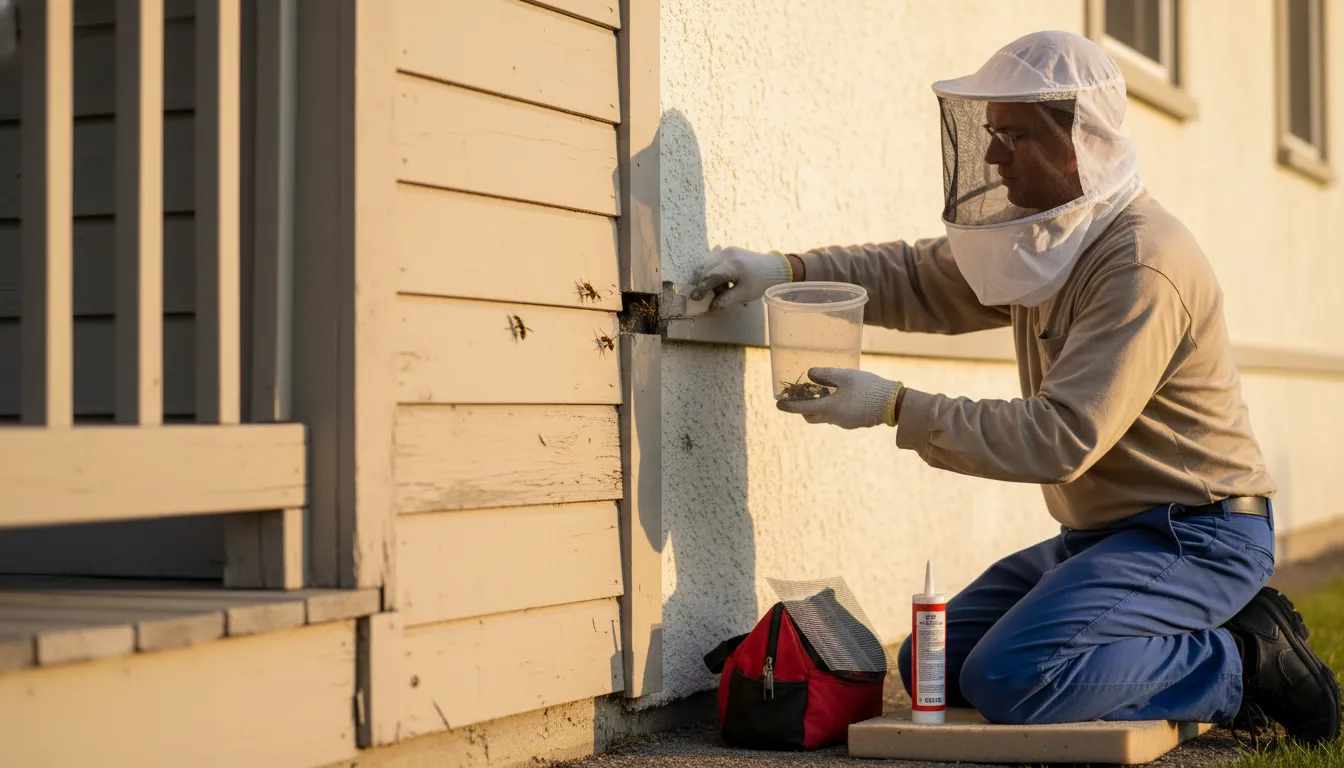
Discovering a buzzing nest on your property can be alarming. In Cedar Hill, Texas, professional removal is strongly recommended for bee and wasp nests due to the potential for aggression and the need for safe, effective handling. Whether you're dealing with a small paper wasp nest under an eave or a large, aggressive yellowjacket colony in a wall void, understanding your options is key to resolving the problem safely. This guide will help you navigate the process, from identifying common nesting sites and seasonal activity to choosing between humane relocation and extermination services.
Mr. Bee Removal
Arlington, TX
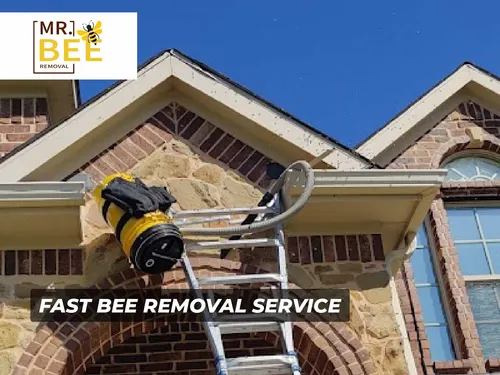
Mr. Bee Removal is a pest control company based in Arlington, TX, specializing in bee and wasp removal. They focus on safe and eco-friendly bee control methods, avoiding harmful chemicals to protect both the environment and your family. Their services include removing bees, nests, and honeycombs, as well as sealing affected areas to prevent future infestations. Mr. Bee Removal uses the latest techniques and equipment to ensure effective and humane removal while providing advice on preventing future bee problems.
Buzz Kill Pest Control
8200 Northeast Pkwy #116, North Richland Hills, TX 76182
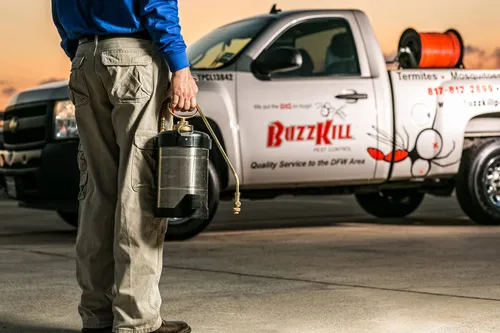
Buzz Kill Pest Control is a locally owned company based in Dallas, TX, specializing in residential and commercial pest control services. They provide comprehensive solutions for a variety of pests including ants, termites, bed bugs, roaches, spiders, rodents, mosquitoes, and wasps. Their termite services include pre-construction soil treatments and in-ground baiting systems to protect new and existing buildings. With over 30 years of experience serving the Dallas-Fort Worth metroplex, Buzz Kill offers tailored integrated pest management plans using low-impact chemicals to ensure safety for families, pets, and workers.
911 Pest Control Services
Arlington, TX
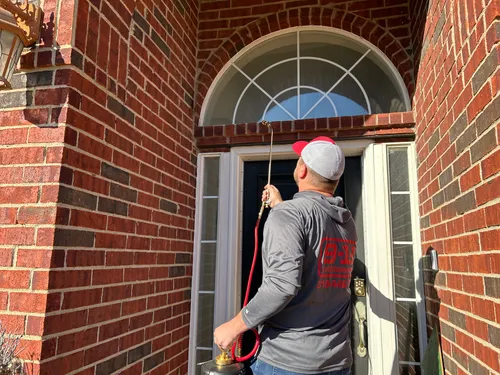
911 Pest Control Services provides pest management solutions for homes and businesses in Arlington, TX. They cover the Dallas-Fort Worth metroplex, including Dallas and Tarrant Counties, offering treatments for wasps, spiders, flies, cockroaches, earwigs, ants, termites, and other common pests. Their licensed technicians use proven methods to address infestations and provide preventative care with same-day service available.
HomeTeam Pest Defense
671 N Plano Rd Ste 202, Richardson, TX 75081
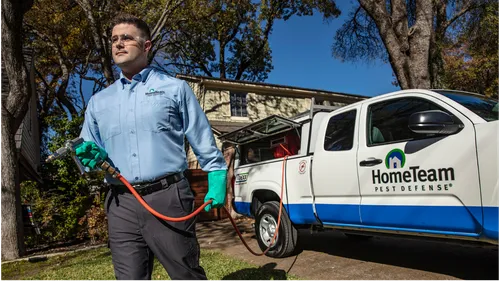
HomeTeam Pest Defense offers comprehensive pest control services in Plano, TX, specializing in managing ants, roaches, rodents, termites, bees, wasps, and other common pests. They provide both residential and commercial pest management solutions using advanced techniques and equipment, including the Taexx built-in pest control system for targeted treatment inside walls. With over two decades of experience, HomeTeam Pest Defense also delivers termite control through soil treatments, baiting systems, and preventive measures for homes under construction. Their service includes ongoing protection with guaranteed re-treatments if pests return between scheduled visits.
Fox Pest Control Southlake
2100 Greenwood Dr #120, Southlake, TX 76092
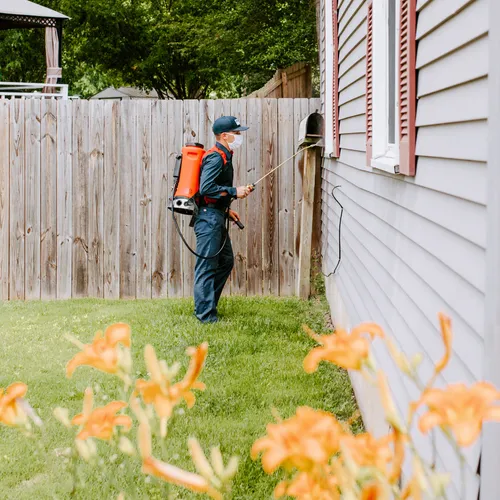
Fox Pest Control Southlake provides comprehensive pest control services in Dallas, TX, addressing a wide range of pests including ants, cockroaches, rodents, termites, spiders, bees, and mosquitoes. They offer both residential and commercial pest management solutions tailored to various industries such as hospitality, healthcare, food service, and property management. Their termite control utilizes the Sentricon® System with Always Active technology for effective termite defense. Fox Pest Control Southlake offers same-day service and flexible scheduling, including evenings and Saturdays, to accommodate customer needs.
Understanding Your Stinging Insect Problem
The first step in addressing a bee or wasp issue is proper identification. Different species have distinct behaviors, nesting preferences, and levels of aggression, which directly influence the removal approach and cost.
Common Species in Cedar Hill:
- Honeybees: These are crucial pollinators and are generally not aggressive unless their hive is threatened. They often build wax comb hives inside hollow trees, wall cavities, or chimneys. For honeybees, live bee rescue and relocation is the preferred, eco-friendly solution offered by many local specialists.
- Paper Wasps: Identified by their long legs and small, open-comb, umbrella-shaped nests, paper wasps are less aggressive than yellowjackets but will defend their nest. Their nests are often found under roof overhangs, deck railings, and inside grills or outdoor furniture 1.
- Yellowjackets: Highly aggressive, especially in late summer and fall, yellowjackets often build large nests underground in old rodent burrows or within wall voids and attics 2. Their ground nests can be a hidden hazard in lawns and gardens.
- Mud Daubers: These solitary wasps are less aggressive and build distinctive mud tube nests on sheltered exterior walls. While they are beneficial predators of spiders, their nests can be a nuisance.
- Bald-Faced Hornets: Known for their large, gray, football-shaped paper nests often hung high in trees or dense shrubs, these hornets are fiercely protective of their colony and should only be handled by professionals 3.
Where to Look for Nests Around Your Home
Stinging insects seek sheltered, undisturbed spots to build their colonies. A thorough inspection of these common areas can help you locate a potential problem early 4.
Above Ground and Structural Sites:
- Roof Lines: Check under eaves, soffits, and inside attic vents.
- Wall Cavities: Listen for buzzing inside walls, especially near vents or gaps in siding.
- Decks and Porches: Look underneath decking, inside hollow railings, and on porch ceilings.
- Outbuildings: Sheds, garages, and playhouses are prime real estate for nests.
- Miscellaneous Structures: Don't forget to check inside grills, mailboxes, utility boxes, and children's playground equipment 5.
Ground-Level and Vegetation Sites:
- Landscaping: Inspect dense shrubs, bushes, and tree branches, particularly for hornet nests.
- Ground Burrows: Yellowjackets frequently colonize abandoned rodent holes, so watch for insect traffic near holes in your lawn or garden beds 6.
- Rock Walls and Foundations: Cracks and crevices in retaining walls or your home's foundation offer perfect shelter.
The Texas Seasonal Cycle of Bees and Wasps
Activity levels for stinging insects in Cedar Hill are heavily influenced by our distinct seasons. Knowing what to expect can help with prevention and timing your removal 7.
- Spring (March - April): This is the foundation period. Overwintering queens emerge and begin scouting for nesting sites. You'll see solitary queens building small starter nests and laying the first eggs. Early spring is an ideal time for prevention, as colonies are still small 8.
- Summer (May - August): Colonies experience rapid growth. Worker populations explode as they take over foraging and nest expansion duties. By late summer, nests can contain thousands of individuals. The intense Texas heat can also make insects more defensive and irritable 9.
- Fall (September - November): This is peak activity and aggression. As natural food sources like insects dwindle, wasps and hornets aggressively seek out sugars, often bothering outdoor gatherings. This is when most problematic interactions with humans occur. The colony prepares the next generation of queens to overwinter 10.
- Winter (December - February): Most wasp and hornet colonies die off, with only new queens surviving in hibernation. Honeybee hives become less active but remain alive inside their structure. Paper wasp activity may persist year-round during our milder winters 11.
Find the perfect wasp & hornet removal companies for your needs
Get personalized recommendations and expert advice
Professional Removal Options and What to Expect
When you discover a nest, you have two primary professional pathways: general pest control extermination or specialized live bee rescue. The right choice depends on the species and your personal preference.
General Pest Control for Extermination: Many established local pest control companies offer bee and wasp removal as part of their stinging insect control services. This process typically involves:
- Inspection and Identification: A technician will assess the nest's location, size, and species.
- Treatment: Using specialized equipment and protective gear, they will apply insecticidal dust or foam directly into the nest entrance to eliminate the colony.
- Removal and Clean-up: Once the colony is neutralized, the nest is often removed to prevent secondary pests like carpet beetles from moving in.
- Prevention Advice: A good professional will offer tips on sealing entry points to prevent re-infestation.
Specialized Live Bee Rescue and Relocation: For honeybees, which are vital to our ecosystem, humane removal is widely available and encouraged. Specialists like live bee removers focus on:
- Saving the Colony: Using techniques like vacuuming or careful comb cutting, the entire bee colony-including the queen, workers, brood, and honeycomb-is extracted alive.
- Relocation: The bees are transported to a local apiary or bee farm where they can continue to thrive and pollinate.
- Structural Repair: These specialists often coordinate the repair of any damage caused during removal, such as cutting into a wall to access a hive 12.
Why DIY Removal is Not Recommended Attempting to remove a nest yourself, especially with over-the-counter sprays, is highly risky. It can provoke the colony, leading to multiple stings and severe allergic reactions. Without proper knowledge and equipment, you may only agitate the insects, causing them to retreat deeper into a wall void, making professional removal later more difficult and costly 13.
Understanding Removal Costs in Cedar Hill
The cost for professional bee or wasp control in Cedar Hill varies significantly based on the insect type, nest size, location, and accessibility. Below is a typical price range for the North Texas area 14.
| Service Scenario | Typical Price Range | Key Factors |
|---|---|---|
| Small Wasp Nest (e.g., Paper Wasp) | $100 - $400 | Easily accessible, visible location; often a single treatment. |
| Yellowjacket or Hornet Nest (Medium-Large) | $500 - $1,200+ | High aggression; difficult access (underground, inside walls); may require specialized equipment. |
| Honeybee Swarm (temporary cluster on a branch) | $125 - $200 | Generally easy for a beekeeper to collect; some may offer this service for free. |
| Established Honeybee Hive (inside a structure) | $150 - $1,000+ | Requires careful live removal; cost increases if structural repair (e.g., cutting into siding) is needed. |
| Structural Repairs (after nest removal) | $300 - $1,000+ | Additional cost to repair drywall, siding, or roofing after hive extraction. |
Getting an Estimate: Most reputable local providers offer free inspections and quotes 15. It's wise to get estimates from 2-3 licensed professionals. Be sure to ask what is included in the price-does it cover the initial removal, a follow-up visit, and any warranty or guarantee on the service?
Preventing Future Infestations
After removal, take proactive steps to make your property less attractive to stinging insects:
- Seal Entry Points: Carefully inspect and seal cracks, gaps, and holes in your home's exterior, especially around rooflines, windows, and utility penetrations.
- Manage Food Sources: Keep trash cans tightly sealed, clean up fallen fruit promptly, and avoid leaving sugary drinks or food uncovered outdoors.
- Reduce Nesting Sites: Fill in abandoned rodent burrows in your yard. Regularly inspect and maintain sheds, play structures, and deck areas.
- Landscape Maintenance: Trim back tree branches and dense shrubs that touch your house, as these can provide bridges and shelter.
Frequently asked questions
Sources
Footnotes
-
Where Wasps Build Nests - Tyler's Bee Removal - https://tylersbeeremoval.com/uncategorized/where-wasps-build-nests/ ↩
-
Yellow jacket exterminator cost 2025: Top 5 Proven Savings - https://bigginsexterminating.com/yellow-jacket-exterminator-cost/ ↩
-
Common Places You Find Bee and Wasp Nests - Abarb Pest Services - https://abarbpest.com/common-places-you-find-bee-and-wasp-nests/ ↩
-
How Weather and Seasons Affect Stinging Insect Activity - https://www.askawayblog.com/2025/10/how-weather-and-seasons-affect-stinging.html ↩
-
The 10 Best Pest Control Services in Cedar Hill, TX (2025) - https://homeguide.com/tx/cedar-hill/pest-control/ ↩
-
Understanding Seasonal Pest Patterns in Texas - https://killum.com/understanding-seasonal-pest-patterns-in-texas/ ↩
-
Learn More About Paper Wasps & Yellow Jackets In North TX - https://www.adamspest.com/pest-library/wasps/ ↩
-
Pest Control Cedar Hill - https://alamopest.com/locations/pest-control-cedar-hill ↩
-
How to Get Rid of Paper & Mud Wasp Nests Above & Underground | Orkin - https://www.orkin.com/pests/stinging-pests/wasps/wasp-nests ↩
-
Here's when wasp season wraps in Central Texas - https://www.youtube.com/watch?v=DRNrKbg6a0M&t=147 ↩
-
Wasp Season Has Started-Here's What to Watch For (And ... - https://www.bugzonepest.com/post/wasp-season-has-started-here-s-what-to-watch-for-and-what-to-do-about-it ↩
-
Wasp Nest Removal Cost [2026 Data] | Angi - https://www.angi.com/articles/how-much-does-wasp-removal-cost.htm ↩
-
The Best Cedar Hills Pest Control - https://www.campnaturalpestcontrol.com/cedar-hills-pest-control/ ↩
-
Why Are There So Many Swarming Bees & Aggressive Wasps Right ... - https://www.atexpest.com/blog/2019/november/why-are-there-so-many-swarming-bees-aggressive-w/ ↩
-
Bee Control Treatments In Cedar Hill TX | Bee Removal Service - https://sureguardpest.com/blog/bee-control-treatments-in-cedar-hill/ ↩