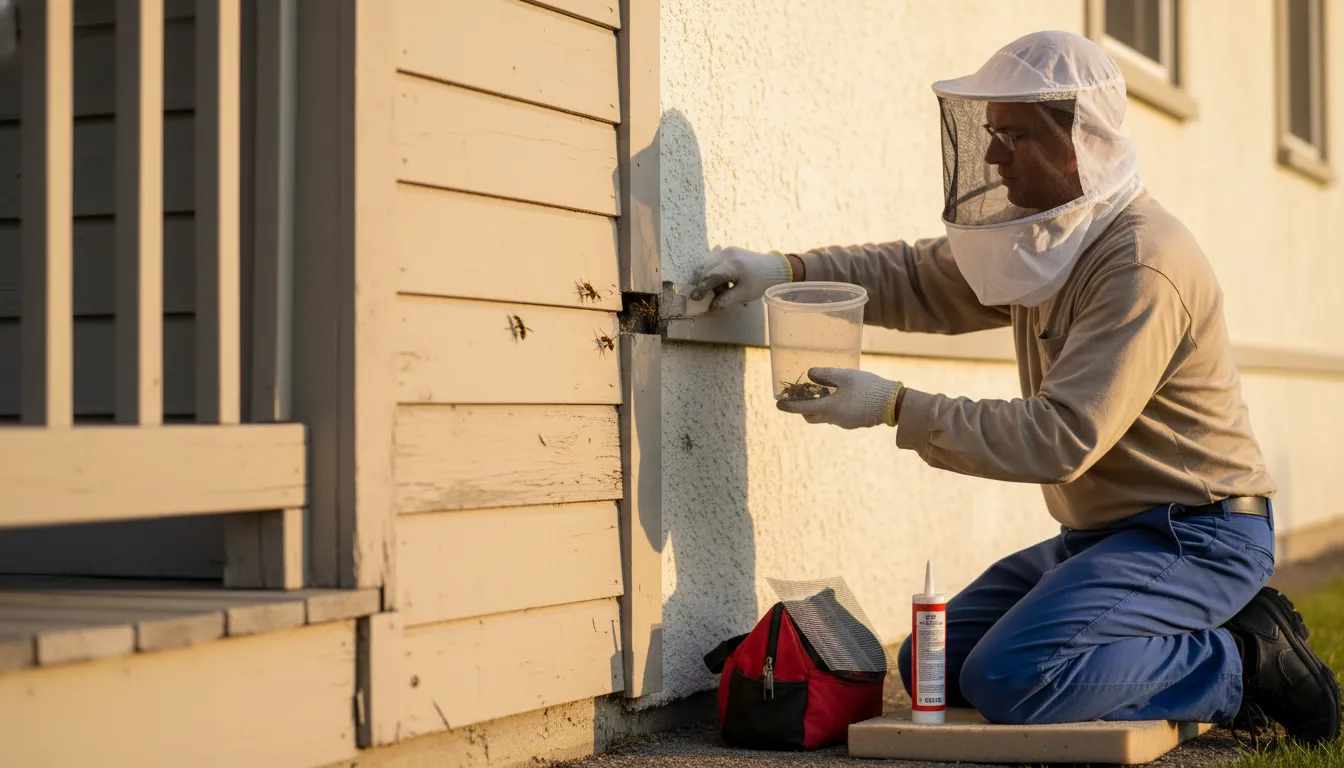
Find the Best Wasp & Hornet Removal Companies for Your Business
No obligation • Fast responses • Nationwide coverage

Why you can trust Pest Crews
Pest Crews is a leading U.S. resource for finding and evaluating residential and commercial pest control services. Our team researches providers, reviews treatment approaches, and organizes unbiased information to help you make informed decisions. Companies cannot pay to change our editorial content or influence how they appear.
Search providers near you
Top Wasp & Hornet Removal Companies in The Colony, Texas Ranked
Discovering a bee or wasp nest on your property in The Colony can be unsettling. These stinging insects play crucial ecological roles, especially as pollinators, but their proximity to homes and high-traffic areas can pose safety risks. Professional bee and wasp removal services specialize in safely addressing these infestations, often prioritizing humane live removal for honeybees. This guide will help you understand your options, what to expect from local specialists, and how to find the right service for your specific situation.
Redstone Pest Control
300 W Princeton Dr Ste 4-378, Princeton, TX 75407
Redstone Pest Control is a family-owned pest control company serving Garland, TX. They offer comprehensive pest management services including cockroach, ant, rodent, termite, bee, and wasp control. Their approach includes thorough inspections, identifying nesting areas, and customized treatment plans that focus on both chemical and non-chemical methods. Redstone Pest Control emphasizes perimeter sprays, yard treatments, and granule applications to create effective barriers against pests. They provide regular maintenance treatments and a satisfaction guarantee to ensure ongoing pest protection. The company serves Garland and surrounding areas with a commitment to treating each home as their own.
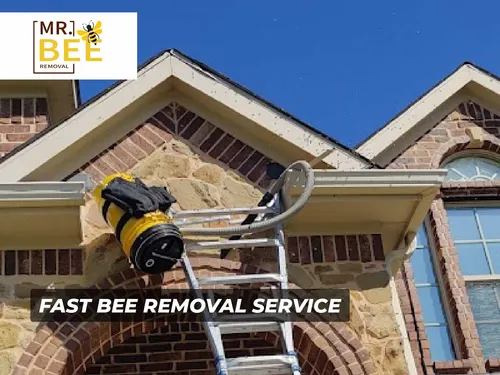
Mr. Bee Removal
Arlington, TX
Mr. Bee Removal is a pest control company based in Arlington, TX, specializing in bee and wasp removal. They focus on safe and eco-friendly bee control methods, avoiding harmful chemicals to protect both the environment and your family. Their services include removing bees, nests, and honeycombs, as well as sealing affected areas to prevent future infestations. Mr. Bee Removal uses the latest techniques and equipment to ensure effective and humane removal while providing advice on preventing future bee problems.

Buzz Kill Pest Control
8200 Northeast Pkwy #116, North Richland Hills, TX 76182
Buzz Kill Pest Control is a locally owned company based in Dallas, TX, specializing in residential and commercial pest control services. They provide comprehensive solutions for a variety of pests including ants, termites, bed bugs, roaches, spiders, rodents, mosquitoes, and wasps. Their termite services include pre-construction soil treatments and in-ground baiting systems to protect new and existing buildings. With over 30 years of experience serving the Dallas-Fort Worth metroplex, Buzz Kill offers tailored integrated pest management plans using low-impact chemicals to ensure safety for families, pets, and workers.
911 Pest Control Services
Arlington, TX
911 Pest Control Services provides pest management solutions for homes and businesses in Arlington, TX. They cover the Dallas-Fort Worth metroplex, including Dallas and Tarrant Counties, offering treatments for wasps, spiders, flies, cockroaches, earwigs, ants, termites, and other common pests. Their licensed technicians use proven methods to address infestations and provide preventative care with same-day service available.

Campbell Pest Control
Garland, TX
Campbell Pest Control is a family-owned pest control company serving Garland, TX, and surrounding North Texas communities. With over 70 years of experience, they offer a wide range of pest management services including termite control, rodent removal, insect management, and advanced mosquito misting systems. Their approach focuses on creating protective barriers to prevent pest invasions, tailored to both residential and commercial properties. The company has a long history dating back to 1950 and emphasizes personalized service without requiring long-term contracts.
Understanding Your Stinging Insect Problem
The first step in addressing any infestation is proper identification. The Colony is home to various species, each with distinct behaviors and nesting preferences. Honeybees are fuzzy, golden-brown pollinators that live in large colonies and produce honey. They are generally non-aggressive unless their hive is threatened. Paper wasps have long legs and build distinctive, open-celled nests that look like upside-down umbrellas, often under eaves. Yellow jackets are black and yellow, highly aggressive, and typically nest in ground burrows or wall voids. Hornets, including the larger bald-faced hornet, build large, enclosed paper nests in trees or shrubs and can be very defensive of their territory.
Knowing which insect you're dealing with is critical because it determines the removal approach. A honeybee swarm clinging to a tree branch requires a different strategy-and often a different specialist-than an entrenched yellow jacket nest in your siding. Misidentification can lead to ineffective DIY attempts or unnecessary extermination of beneficial pollinators.
Why Professional Removal is Essential
Attempting to remove a bee or wasp nest yourself is strongly discouraged. Beyond the obvious risk of painful, and for some, life-threatening stings, DIY methods often fail to address the root of the problem. Over-the-counter sprays may kill visible workers but leave the queen and brood deep within a wall void or underground, allowing the colony to rebound quickly. Disturbing a nest can also provoke a massive, aggressive defensive response from the colony.
Licensed pest control professionals and experienced beekeepers have the training, protective equipment, and tools necessary for safe and effective removal. They can properly assess the nest's location and size, identify the species, and choose the most appropriate method-whether that's live relocation or, when necessary, controlled extermination. Their expertise ensures the job is done completely, helping to prevent the insects from returning to the same spot.
The Humane Approach: Live Bee Relocation
For honeybee infestations, the preferred method in The Colony and across North Texas is live removal and relocation. This environmentally conscious practice involves a specialist, often a beekeeper, carefully extracting the colony-including the queen, workers, brood, and honeycomb-and moving it to a managed apiary or farm where the bees can continue their vital pollination work 1.
Companies like Little Giant Beekeepers specialize in this service. The process typically involves vacuuming the bees into a temporary holding box, cutting out the wax comb, and ensuring the queen is safely transferred. This method resolves the immediate problem for the homeowner while preserving the bee population, which is under significant environmental pressure. It's important to note that live removal is generally more complex and time-consuming than extermination, but it is the most responsible choice for healthy honeybee colonies 2.
When Extermination is the Only Option
While live removal is ideal for honeybees, it is not always feasible or safe. Extermination may be the recommended course of action in several scenarios. If the hive is located deep within a wall or structural element where physical extraction would cause significant property damage, extermination might be the only practical solution. This is also true for aggressive species like Africanized honey bees or large yellow jacket nests in high-traffic areas that present an immediate danger.
Additionally, if a nest is diseased or the colony is otherwise unhealthy, relocation could spread pathogens to other hives. In such cases, a licensed pest control professional will use targeted insecticides to eliminate the colony, followed by the crucial step of removing the nest and honeycomb residue to prevent future issues with pests like ants or wax moths, and to avoid staining from melting honey.
Common Nest Locations Around Your Home
Bees and wasps are opportunistic when seeking shelter. Understanding their preferred nesting sites can help you perform regular inspections of your property. Common hotspots around The Colony homes include:
- Eaves, Soffits, and Roof Overhangs: The protected underside of your roofline is a prime real estate for paper wasps and hornets to attach their distinctive nests 3.
- Wall Voids and Attics: Small cracks near windows, siding, or utility entries allow insects to access the hollow spaces inside walls. Once inside, they can build extensive, hidden hives that are difficult to detect until the problem is large 4.
- Ground Burrows and Landscaping: Yellow jackets frequently repurpose abandoned rodent burrows for their nests. They also nest in voids within railroad tie retaining walls, under concrete slabs, and in dense ground cover.
- Outbuildings and Outdoor Structures: Sheds, garages, playhouses, and the undersides of decks or porches provide the quiet, undisturbed shelter these insects seek 5.
- Trees, Shrubs, and Dense Foliage: Natural vegetation hosts a variety of nests, from paper wasp nests hanging from branches to bumblebee nests in abandoned rodent nests at ground level 6.
Find the perfect wasp & hornet removal companies for your needs
Get personalized recommendations and expert advice
Seasonal Activity in North Texas
Bee and wasp activity in The Colony follows a predictable seasonal cycle driven by temperature 7. Being aware of this cycle can aid in prevention and timely intervention.
- Early Spring (March-April): This is a critical window. Overwintered queens emerge to establish new colonies. You may see small "starter" nests the size of a golf ball. Proactively removing these at this stage is the easiest and most effective form of control. This is also when honeybee swarms are most common, as large colonies split to form new ones 8.
- Late Spring through Summer (May-August): Activity peaks. Colonies grow to their maximum size, with worker numbers soaring. This increased population means more foraging, which leads to more human encounters. Wasps become particularly aggressive in late summer as their food sources change and their lifecycle nears its end 9 10.
- Fall and Winter (September-February): Activity dwindles. Frost kills most worker wasps and drones. Fertilized queens seek sheltered spots to hibernate, while honeybee clusters huddle for warmth inside their hives. This is a good time to seal potential entry points in your home's exterior to prevent queens from entering to overwinter 11.
What to Expect: The Removal Process
When you contact a professional, the process typically follows several key steps:
- Inspection and Assessment: A technician will visit your property to identify the insect species, locate all nesting sites, assess the size of the infestation, and evaluate the nest's accessibility.
- Method Recommendation: Based on the assessment, the professional will recommend a course of action-live relocation or extermination-and explain why it's the best choice for your situation.
- Preparation and Safety: The area around the nest will be secured, and the technician will don appropriate protective gear. You and your family will be advised to stay indoors with windows closed.
- Treatment/Removal: The specialist will execute the chosen removal method. For live removal, this involves carefully extracting the colony. For extermination, it involves applying targeted treatments.
- Nest Removal and Cleanup: This is a vital step often overlooked in DIY attempts. The physical nest, honeycomb, and any residual pheromones must be completely removed to deter other insects from recolonizing the spot. For in-wall hives, this may involve a small access panel.
- Exclusion and Prevention Advice: A reputable professional will point out how the insects gained entry and recommend repairs (like sealing cracks or installing screens) to help prevent future problems 12.
Understanding Service Costs
The cost for bee and wasp control in The Colony varies based on several factors, including the insect type, nest location, and size of the colony.
- Simple, Accessible Nests: Removal of a small, easily reached paper wasp nest under an eave might range from $100 to $400. Some local beekeepers may remove an accessible honeybee swarm for a reduced fee or even for free if they can collect the bees 13 14.
- Standard Removal: For a typical, established nest that requires professional treatment, most homeowners can expect to pay between $150 and $500.
- Complex or Difficult Removals: Nests located inside walls, chimneys, or deep in attics are far more labor-intensive. Removing these often requires cutting into drywall or siding, extracting large amounts of comb, and performing repairs. These jobs can range from $500 to over $1,500 15 16.
- Ongoing Service Plans: Many pest control companies offer general pest management plans that include periodic inspections and removal of emerging wasp nests. These typically involve an initial setup fee and a monthly or quarterly charge, providing peace of mind and proactive protection 17.
Choosing a Provider in The Colony
When selecting a bee or wasp removal service, consider the following:
- Licensing and Insurance: Ensure the company is licensed by the Texas Department of Agriculture for pest control and carries liability insurance.
- Specialization: Ask if they have specific experience with live bee relocation if you have honeybees. Companies that partner with local beekeepers are often a good sign.
- Methods and Ethics: Inquire about their standard procedures. Do they attempt live removal first for bees? What steps do they take for cleanup and prevention?
- Detailed Quotes: Get a written estimate that outlines the scope of work, the method to be used, the total cost, and any guarantees or follow-up visits.
- Local Reputation: Check online reviews and ask for references to gauge the company's reliability and customer service.
Prevention is Key
The best strategy is to make your property less attractive to nesting bees and wasps. Regularly inspect the exterior of your home in early spring, paying close attention to eaves, soffits, and any gaps or cracks. Seal openings around pipes, vents, and utility lines with caulk or steel wool. Keep garbage cans tightly sealed and clean up fallen fruit promptly. Consider installing fine mesh screens over attic vents and chimney caps. By being proactive, you can often avoid the need for removal altogether 18 19.
Frequently asked questions
Sources
Footnotes
-
Bee & Wasp Removal in The Colony, Texas - https://www.littlegiantbeekeepers.com/service-areas/bee-colony-the-colony/ ↩
-
Home and Hive Pest Control - https://www.google.com/viewer/place?mid=/g/11whn921ng ↩
-
Wasp Control Service In The Colony TX - Wasp Nest Removal - https://sureguardpest.com/blog/wasp-control-in-the-colony-tx/ ↩
-
Learn More About Paper Wasps & Yellow Jackets In North TX - https://www.adamspest.com/pest-library/wasps/ ↩
-
Common Places You Find Bee and Wasp Nests - Abarb Pest Services - https://abarbpest.com/common-places-you-find-bee-and-wasp-nests/ ↩
-
Where Wasps Build Nests - Tyler's Bee Removal - https://tylersbeeremoval.com/uncategorized/where-wasps-build-nests/ ↩
-
Beekeepers Monthly To-do List - https://www.pineywoodsbeekeepers.org/articles/beekeepers-monthly-to-do-list ↩
-
Monthly Beekeeping Guide: Beehive Activity and To-Dos - IFA - https://grow.ifa.coop/beekeeping/monthly-beekeeping-guide ↩
-
Bumble Bee Life-Cycle - TPWD - https://tpwd.texas.gov/wildlife/wildlife-diversity/nongame/native-pollinators-and-private-lands/bumble-bee-conservation/bumble-bee-life-cycle/ ↩
-
ETBA Monthly Guide Book - East Texas Beekeepers Association - https://www.etba.info/ETBA%20Monthly%20Guide%20Book.pdf ↩
-
Colony Management Autumn 2019 - https://www.youtube.com/watch?v=k1RcADkd_RA ↩
-
Wasp Control Service In The Colony TX - Wasp Nest Removal - https://sureguardpest.com/blog/wasp-control-in-the-colony-tx/ ↩
-
How Much Does Bee Removal Cost in 2025? - HomeAdvisor - https://www.homeadvisor.com/cost/environmental-safety/bee-removal/ ↩
-
How Much Does Beehive Removal Cost in 2026? - Lawn Love - https://lawnlove.com/blog/beehive-removal-cost/ ↩
-
How Much Does Bee Removal Cost? [2026 Data] | Angi - https://www.angi.com/articles/how-much-does-bee-removal-cost.htm ↩
-
How Much Does Wasp Nest Removal Cost in 2026? - https://lawnlove.com/blog/wasp-nest-removal-cost/ ↩
-
How Much Does Terminix Cost? (2026) - HomeGuide - https://homeguide.com/costs/terminix-prices ↩
-
Keeping Your Property Safe From Wasps in North Texas - https://www.littlegiantbeekeepers.com/keeping-your-property-safe-from-wasps-in-north-texas/ ↩
-
The Complete Guide to Wasp Control and Prevention in East ... - https://thebugsend.com/2025/06/24/the-complete-guide-to-wasp-control-and-prevention-in-east-texas/ ↩