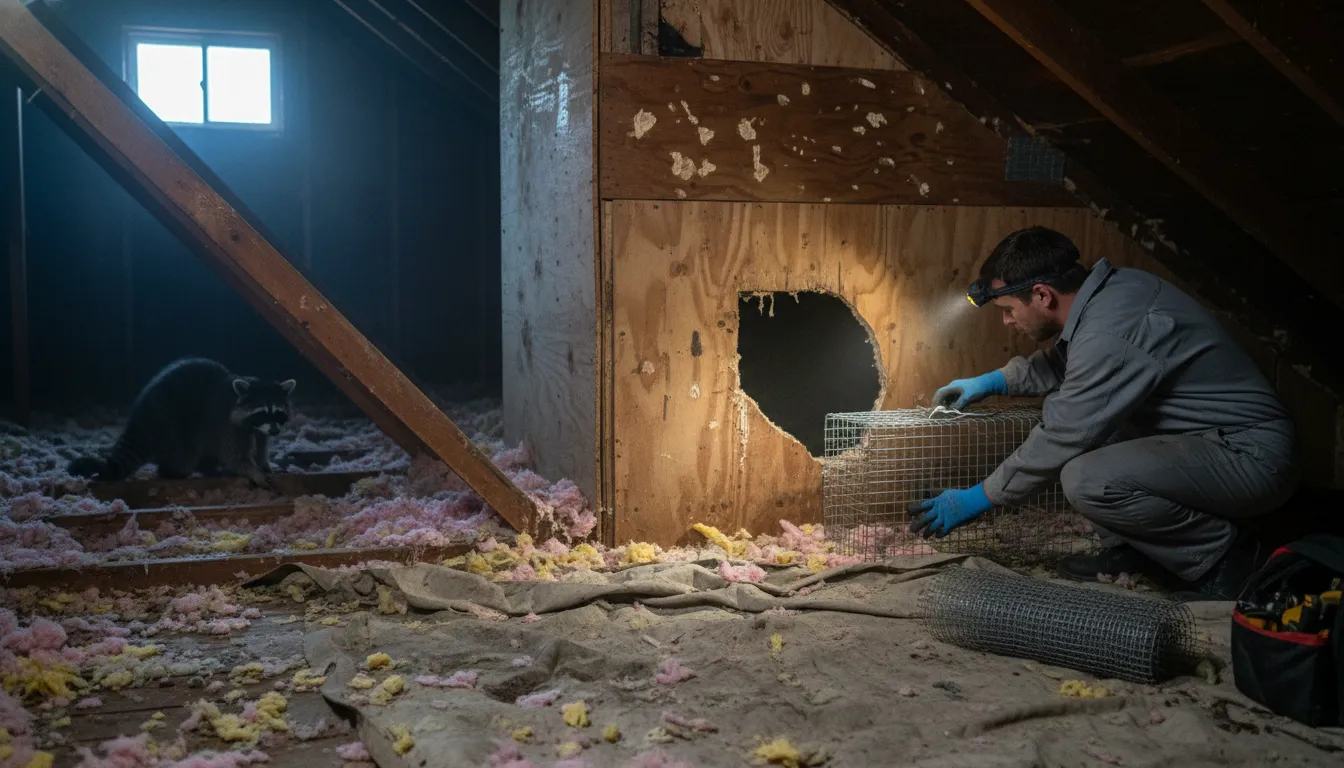
Find the Best Wildlife Removal Companies for Your Business
No obligation • Fast responses • Nationwide coverage

Why you can trust Pest Crews
Pest Crews is a leading U.S. resource for finding and evaluating residential and commercial pest control services. Our team researches providers, reviews treatment approaches, and organizes unbiased information to help you make informed decisions. Companies cannot pay to change our editorial content or influence how they appear.
Search providers near you
Top Wildlife Removal Companies in Glendale, Arizona Ranked
Living in Glendale means sharing our beautiful city with a diverse range of wildlife. While seeing a coyote at dusk or a raccoon family can be a reminder of our natural surroundings, these animals can become a serious nuisance when they damage property, create health hazards, or pose safety risks. Wildlife removal is the specialized process of humanely and legally addressing conflicts with wild animals on your property. It's a critical service for protecting your home, family, and the animals themselves, requiring knowledge of local species, California's strict regulations, and effective exclusion techniques. This guide will help you understand the local wildlife landscape, when to call for professional help, and how to find qualified specialists in Glendale to resolve your situation effectively and responsibly.
Arizona Snake Removal
4349 W Shangri La Rd, Glendale, AZ 85304
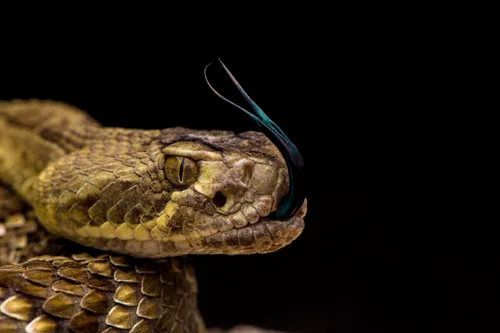
Arizona Snake Removal is a wildlife removal company based in Phoenix, AZ, specializing in the safe removal and relocation of venomous snakes such as rattlesnakes and Gila monsters. With over 25 years of experience, the company combines local expertise with global knowledge, including certifications in Australia for handling some of the world's most venomous snakes. Arizona Snake Removal focuses on conservation and education while providing snake control and emergency removal services in the Phoenix area.

Terminix
4246 E Wood St Suite 350, Phoenix, AZ 85040
Terminix provides pest control and termite inspection services in Phoenix, AZ. The company offers treatments for a variety of pests including bed bugs, ants, cockroaches, rodents, termites, mosquitoes, bees, wasps, and wildlife. Their services include comprehensive interior and exterior inspections, ongoing pest treatments, and termite protection systems. Terminix technicians are familiar with local pest issues and provide tailored plans to protect homes from seasonal and persistent pest problems. The company also offers a termite damage repair guarantee for qualifying homes.

Fromms Pest Control
4633 E Devonshire Ave, Phoenix, AZ 85018
Fromms Pest Control is a pest control company based in Phoenix, AZ, serving the city and surrounding areas including Gilbert and Scottsdale. They provide comprehensive pest management services for residential and commercial properties, addressing issues with ants, bed bugs, bees, rodents, termites, scorpions, and more. Their approach includes proactive inspections, targeted treatments, and ongoing maintenance to control and prevent infestations. Fromms Pest Control offers customized pest control plans without long-term contracts, focusing on safe and effective methods tailored to each client's needs.
Naturzone Pest Control
12633 N Cave Creek Rd Ste, Phoenix, AZ 85022
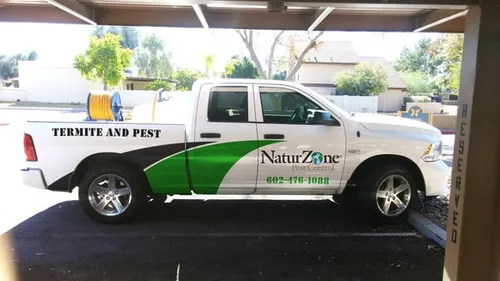
Naturzone Pest Control is a full-service pest control company based in Phoenix, AZ, specializing in the removal and prevention of pests such as bed bugs, scorpions, rodents, and termites. They offer both residential and commercial pest control services, including pet-safe mosquito control methods like the In2Care mosquito trap system and natural treatments such as Aprehend RTU for bed bugs. Their technicians are trained to thoroughly inspect and evaluate environments to provide tailored treatment plans that address the unique pest challenges of the Sonoran Desert region. Naturzone Pest Control is fully licensed, insured beyond industry requirements, and employs background-checked and educated technicians. They also provide same-day service and maintain transparent communication through cloud-based software and vehicle tracking.
Critter Evictors Wildlife Control
Phoenix, AZ
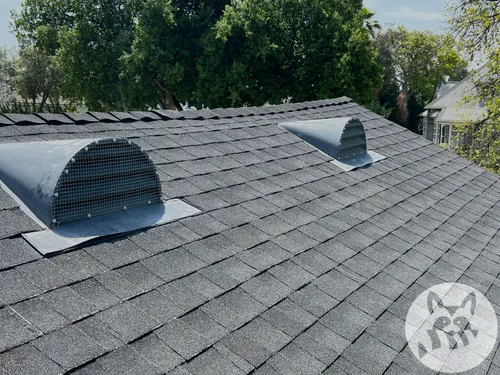
Critter Evictors Wildlife Control provides wildlife and pest removal services in Phoenix, AZ, including Maricopa County and Scottsdale. They offer full-service commercial and residential wildlife removal, focusing on humane and effective solutions. Their services include inspections, removal, and exclusion techniques to prevent future invasions. The company is a member of the National Wildlife Control Operators Association and handles various animals such as raccoons, rats, and bobcats. They aim to treat properties with care and provide clear explanations throughout the process.
Common Nuisance Wildlife in Glendale
The urban-wildland interface in Glendale supports a variety of mammals and birds that can venture into residential and commercial areas. Knowing which animal you're dealing with is the first step toward a proper solution.
Mammals:
- Coyotes: Perhaps the most visible predator, they are adaptable and can pose a threat to small pets. They are primarily active at dawn and dusk.
- Raccoons: Intelligent and dexterous, raccoons are notorious for tipping over trash cans, raiding pet food, and nesting in attics or crawlspaces, where they can cause significant damage and contamination.
- Opossums: These nocturnal marsupials are often found under decks or in garages. While they eat pests like snails and slugs, they can also get into garbage and create dens in inconvenient places.
- Squirrels: Both tree squirrels and ground squirrels are common. Tree squirrels frequently enter attics to nest, chewing on wires (a fire hazard) and wood, while ground squirrels can undermine foundations and landscaping.
- Other Pests: Skunks, rats, mice, bats, and moles are also prevalent and can require specific removal and exclusion strategies.
Birds:
- Pigeons and Starlings: These birds often roost on building ledges, in vents, or under solar panels, where their droppings are acidic and can damage structures and pose health risks.
- Woodpeckers: They may drill into siding or eaves in search of insects or to create nesting cavities, causing repetitive damage.
Prevention: Your First Line of Defense
Before an animal moves in, proactive measures can make your property less attractive. Effective wildlife control often starts with simple habitat modification.
- Secure Food Sources: Use trash cans with locking, sturdy lids. Never leave pet food outdoors overnight, and secure compost bins. If you have chickens or other small livestock, ensure their coops are fortified.
- Eliminate Shelter: Trim tree branches that overhang your roof to limit access for squirrels and raccoons. Clear away dense brush, wood piles, and debris where animals might hide or den.
- Use Deterrents: Motion-activated lights or sprinklers can startle and deter nocturnal animals from gardens or yards. For deer, consider planting deer-resistant vegetation or using approved repellents.
- Exclusion (Pre-emptive Sealing): Conduct regular inspections of your home's exterior. Look for gaps in soffits, loose roof vents, or holes in siding, and seal them with appropriate materials like heavy-gauge wire mesh or hardware cloth. This requires caution and knowledge to avoid trapping animals inside.
When and How to Take Action
If prevention fails and wildlife is already causing problems, it's important to know the legal and practical steps you can take.
What You Can Do (Legally):
- Harassment: For animals that are simply passing through, you can use non-injurious methods to encourage them to leave. This includes making loud noises, using bright lights, or spraying them with a garden hose from a safe distance.
- Limited Trapping: For some species like rats, mice, squirrels, and raccoons, you may use live traps on your own property. However, California law is very strict: you must immediately release the animal on your property or humanely dispatch it. The relocation of healthy wildlife is illegal.
Critical California Laws You Must Know:
- No Relocation: It is prohibited by the California Department of Fish and Wildlife (CDFW) to trap and relocate a healthy wild animal to another area. This law helps prevent the spread of disease and ecological disruption.
- No Feeding: It is illegal to feed coyotes, deer, or other wildlife (except in specific cases like aiding an injured animal with notification to authorities). Feeding makes animals bolder and more dependent on humans 1 2 3.
- Trapping Consent: Traps cannot be set within 150 yards of a residence without the written consent of the occupant 4.
- Protected Species: Special permits are required for activities involving certain protected species, such as most native bats. This is one key reason professional assistance is often necessary 5.
When to Call a Professional Wildlife Removal Service
For established infestations, animals inside structures, or situations involving potential danger, licensed wildlife control operators are essential. They have the expertise, tools, and legal authorization to handle complex cases.
You should contact a professional for:
- Animals Inside Structures: Raccoons, squirrels, or bats living in your attic, walls, or chimney.
- Disease or Contamination Risk: Cleanup of droppings, urine, or nesting materials, especially from rodents or bats, which can harbor pathogens.
- Permanent Exclusion: Expert sealing of all potential entry points to prevent re-entry after removal.
- Complex or Dangerous Situations: Dealing with large animals, maternal dens with young, or aggressive animals.
- Compliance Assurance: Ensuring all removal and exclusion work is performed in full compliance with state and local wildlife regulations 6.
Find the perfect wildlife removal companies for your needs
Get personalized recommendations and expert advice
When to Contact Glendale Animal Control
It's important to distinguish between a private property nuisance and a public safety concern. The Glendale Police Department's Animal Control unit handles specific situations.
Contact Glendale Animal Control (Non-Emergency: 818-548-4835, Emergency: 911) for:
- A sick, injured, or visibly disoriented wild animal.
- An aggressive animal that is posing an immediate threat to people.
- A dangerous animal at large (e.g., a coyote that has attacked a pet on a leash).
- Issues involving domestic animals like stray dogs or cats 7.
For wildlife causing damage on your private property, you will typically need to contact a private wildlife removal company, as Animal Control's primary mandate is public safety 8 9.
Understanding Costs for Wildlife Control
The cost for animal removal and exclusion in Glendale varies significantly based on the species, the extent of the infestation, and the work required. Most reputable companies provide free inspections and estimates.
- Basic Inspection & Removal: For a single animal like an opossum under a deck or a squirrel in a trap, costs might range from $200 to over $500 per visit or per animal.
- Exclusion & Sealing: This is the cornerstone of a permanent solution. Removing a raccoon family from an attic and then sealing all entry points with professional materials can range from $500 to $2,000 or more, depending on the size of the home and complexity of the work 10.
- Attic Cleanup & Decontamination: After animals are removed, cleaning up droppings, urine, and nesting materials is crucial for health and odor removal. This service can cost $300 to $1,000+, based on the level of contamination.
- Dead Animal Removal: Removing a carcass from a wall, attic, or crawlspace typically costs between $100 and $30011 12.
Investing in comprehensive exclusion is almost always more cost-effective than repeated removal calls for the same problem.
The Professional Removal Process
A qualified wildlife professional will follow a systematic approach to ensure a humane and lasting resolution.
- Inspection: A thorough assessment of your property to identify the species, entry points, and extent of the problem.
- Humane Removal: Using species-appropriate methods, which may include one-way exclusion doors, live trapping (with on-site release or humane dispatch as the law allows), or other techniques.
- Exclusion: Sealing all identified entry points with durable, animal-proof materials. This is the step that prevents future intrusions.
- Cleanup & Sanitation: Deodorizing and disinfecting affected areas to eliminate health hazards and smells that might attract new animals.
- Restoration: Repairing damage caused by the wildlife, such as chewed wires, torn insulation, or damaged vents.
- Follow-up: Many companies offer a warranty period on their exclusion work to ensure the solution holds.
Choosing the Right Service Provider
Look for a specialist with specific experience in wildlife control or animal removal, not just general pest control. Key credentials include a valid California CDFW trapping license, liability insurance, and a strong emphasis on humane methods and permanent exclusion. Ask for references and ensure they provide a detailed, written estimate that outlines all steps of the process, from removal through cleanup and repair.
Frequently asked questions
Sources
Footnotes
-
City of Glendale Urban Wildlife Management Plan - Issuu - https://issuu.com/glendalepd/docs/glendale_wildlife_plan_final.docx ↩
-
California wildlife relocation laws for pest control - https://www.facebook.com/groups/1594787164103792/posts/3700674206848400/ ↩
-
Living With Wildlife - LA County Animal Care & Control - https://animalcare.lacounty.gov/living-with-wildlife/ ↩
-
Animal trapping and control - Lacounty - https://file.lacounty.gov/SDSInter/acwm/235835_Trappingrequirementspaper.pdf ↩
-
Laws and Regulations - Humane Wildlife Control Inc - https://humanecontrol.com/laws-and-regulations/ ↩
-
Options for removing nuisance animals on personal property within ... - https://www.reddit.com/r/Hunting/comments/1ikbr3o/options_for_removing_nuisance_animals_on_personal/ ↩
-
Animal Control & Wildlife Safety | City of Glendale, CA - https://www.glendaleca.gov/government/departments/police-department/community-outreach-resources-and-engagement-c-o-r-e/animal-control-wildlife-safety ↩
-
Animal Control & Wildlife Safety | City of Glendale, CA - https://www.glendaleca.gov/government/departments/police-department/community-outreach-resources-and-engagement-c-o-r-e/animal-control-wildlife-safety ↩
-
Glendale Wildlife Removal, Pest Animal Control CA - http://www.wildlife-removal.com/city/CA-Glendale.htm ↩
-
Glendale Wildlife Animal Control - Trapping and Removal - http://www.wildlifeanimalcontrol.com/Glendale.html ↩
-
Prices for Glendale Wildlife Pest Control Animal Trapping - http://www.aaanimalcontrol.com/Professional-Trapper/prices/CA-Glendale-prices.htm ↩
-
California Wildlife Removal Company Directory - Pro Animal Control - https://pro-animal-control.com/california-wildlife-removal-company/ ↩