Find the Best Wildlife Removal Companies for Your Business
No obligation • Fast responses • Nationwide coverage
Why you can trust Pest Crews
Pest Crews is a leading U.S. resource for finding and evaluating residential and commercial pest control services. Our team researches providers, reviews treatment approaches, and organizes unbiased information to help you make informed decisions. Companies cannot pay to change our editorial content or influence how they appear.
Search providers near you
Top Wildlife Removal Companies in Mesa, Arizona Ranked
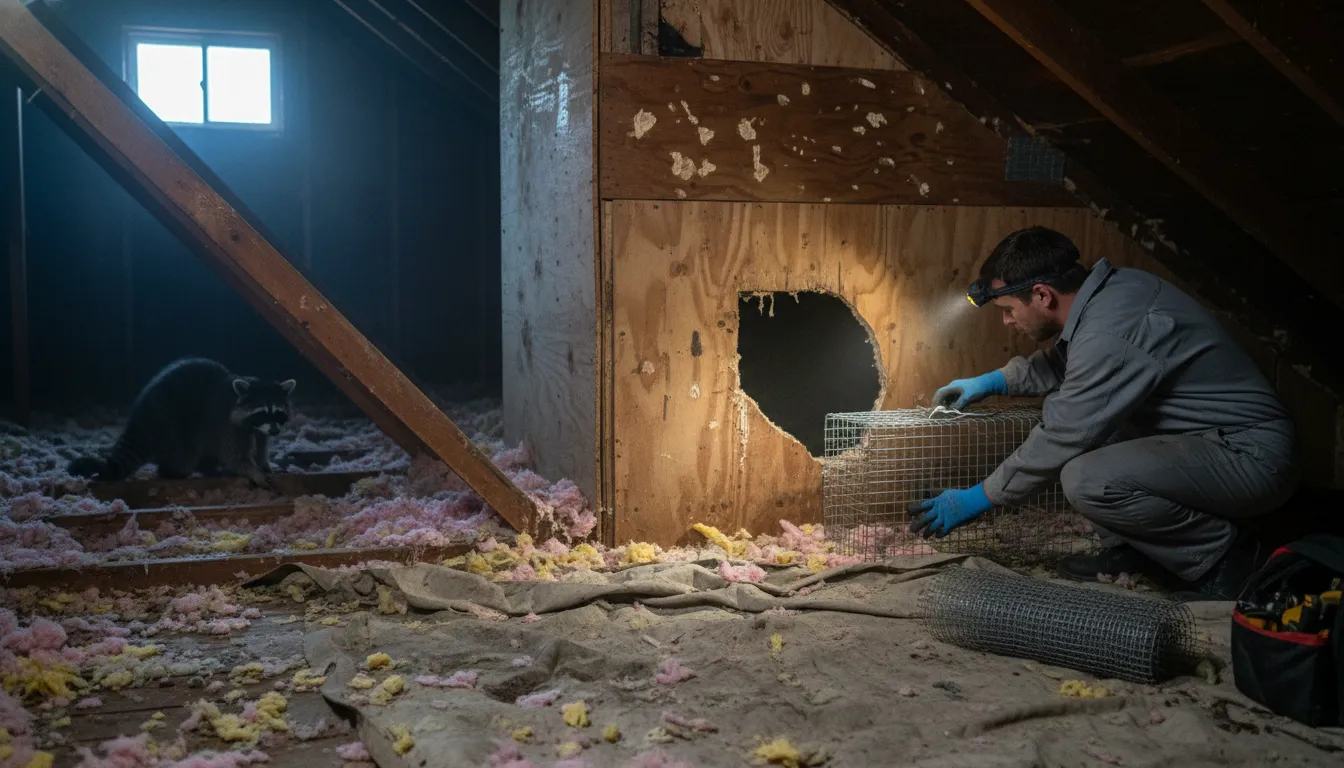
Living in Mesa means sharing the Sonoran Desert with a diverse array of native wildlife. While observing these animals in their natural habitat can be a joy, conflicts arise when raccoons, skunks, squirrels, or snakes decide your attic, walls, or yard is their new home. Professional wildlife removal is the safe, legal, and effective process of humanely evicting nuisance animals, sealing entry points to prevent re-entry, and often cleaning up the mess they leave behind. This resource helps you understand the local wildlife challenges, navigate Arizona's specific regulations, and connect with licensed professionals who can resolve your situation.
Rattlesnake Solutions LLC
Phoenix, AZ
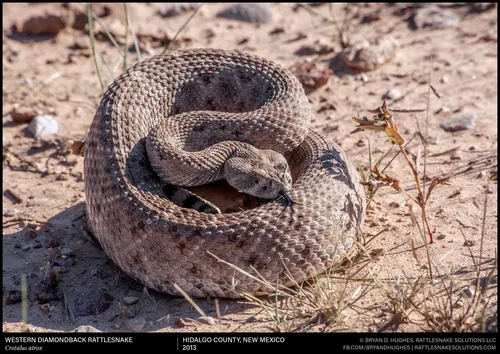
Rattlesnake Solutions LLC is a wildlife removal company based in Phoenix, AZ, specializing in rattlesnake removal and control. They provide 24/7 snake removal services throughout Phoenix and Tucson, using extensive knowledge of rattlesnake behavior to safely find, capture, and relocate snakes from homes and businesses. The company focuses on humane relocation, never harming the snakes, and is licensed by the Arizona Game & Fish Department to perform wildlife relocation. Their approach includes educating the public about snakes and separating fact from fiction to reduce fear and promote safety.
Arizona Snake Removal
4349 W Shangri La Rd, Glendale, AZ 85304
Arizona Snake Removal is a wildlife removal company based in Phoenix, AZ, specializing in the safe removal and relocation of venomous snakes such as rattlesnakes and Gila monsters. With over 25 years of experience, the company combines local expertise with global knowledge, including certifications in Australia for handling some of the world's most venomous snakes. Arizona Snake Removal focuses on conservation and education while providing snake control and emergency removal services in the Phoenix area.

Terminix
4246 E Wood St Suite 350, Phoenix, AZ 85040
Terminix provides pest control and termite inspection services in Phoenix, AZ. The company offers treatments for a variety of pests including bed bugs, ants, cockroaches, rodents, termites, mosquitoes, bees, wasps, and wildlife. Their services include comprehensive interior and exterior inspections, ongoing pest treatments, and termite protection systems. Terminix technicians are familiar with local pest issues and provide tailored plans to protect homes from seasonal and persistent pest problems. The company also offers a termite damage repair guarantee for qualifying homes.

Fromms Pest Control
4633 E Devonshire Ave, Phoenix, AZ 85018
Fromms Pest Control is a pest control company based in Phoenix, AZ, serving the city and surrounding areas including Gilbert and Scottsdale. They provide comprehensive pest management services for residential and commercial properties, addressing issues with ants, bed bugs, bees, rodents, termites, scorpions, and more. Their approach includes proactive inspections, targeted treatments, and ongoing maintenance to control and prevent infestations. Fromms Pest Control offers customized pest control plans without long-term contracts, focusing on safe and effective methods tailored to each client's needs.
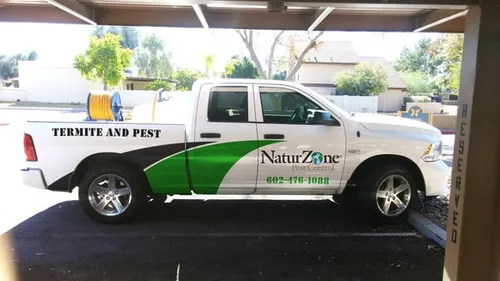
Naturzone Pest Control
12633 N Cave Creek Rd Ste, Phoenix, AZ 85022
Naturzone Pest Control is a full-service pest control company based in Phoenix, AZ, specializing in the removal and prevention of pests such as bed bugs, scorpions, rodents, and termites. They offer both residential and commercial pest control services, including pet-safe mosquito control methods like the In2Care mosquito trap system and natural treatments such as Aprehend RTU for bed bugs. Their technicians are trained to thoroughly inspect and evaluate environments to provide tailored treatment plans that address the unique pest challenges of the Sonoran Desert region. Naturzone Pest Control is fully licensed, insured beyond industry requirements, and employs background-checked and educated technicians. They also provide same-day service and maintain transparent communication through cloud-based software and vehicle tracking.
Common Nuisance Wildlife in Mesa
The urban areas of Mesa provide food, water, and shelter that attract a variety of mammals, reptiles, and birds. Knowing which species you're likely to encounter is the first step in addressing a problem.
Mammals: Raccoons are notorious for tipping over trash cans and nesting in attics. Skunks may burrow under porches or decks, while squirrels and roof rats often chew their way into soffits and eaves. Other frequent visitors include opossums, coyotes, gophers, and moles 1.
Reptiles: Several species of snakes are common in Mesa, from harmless garden snakes to venomous varieties like rattlesnakes. They may seek shelter in woodpiles, garages, or cool, shaded areas around foundations.
Birds: Pigeons are a primary concern, often roosting on ledges, in vents, or under solar panels. It's important to note that feeding pigeons or doves within the city of Mesa is illegal, with specific exemptions for other types of bird feeders 2.
What You Can (and Cannot) Do Yourself
Homeowners have several effective, legal options for discouraging wildlife before a problem escalates. However, Arizona law places strict limits on what you can do without a license.
Recommended DIY Prevention:
- Seal Entry Points: Carefully inspect your home's exterior for gaps, loose vents, or holes. Use sturdy materials like hardware cloth, steel wool, or metal flashing to seal potential entryways, especially around the roofline, foundation, and utility penetrations.
- Secure Attractants: Use trash cans with locking lids, never leave pet food outdoors overnight, and promptly pick up fallen fruit from trees.
- Modify Habitat: Trim tree branches back at least six feet from your roof and keep shrubs trimmed away from the house to eliminate wildlife highways 3.
- Use Repellents: Natural repellents like motion-activated sprinklers or lights can deter some animals from frequenting specific areas.
Actions Requiring a Professional:
- Trapping and Relocating: In Arizona, it is illegal to trap and relocate most species of wildlife without a special license from the Arizona Game and Fish Department (AZGFD). Relocation can spread disease and often sentences the animal to a slow death in unfamiliar territory 4.
- Handling Protected Species: Certain animals may have additional protections. A licensed professional knows how to identify species and comply with all state and federal regulations.
- Removing Animals from Structures: Safely extracting an animal from an attic, wall void, or chimney usually requires specialized tools and expertise to avoid harming the animal or causing further damage to your home.
When to Call for Professional Animal Control
Knowing which agency or service to contact saves time and ensures the right help arrives.
- Mesa Animal Control: Contact this city department for issues involving domestic animals such as stray dogs and cats, animal bites, lost or found pets, or deceased animals on public streets. They also handle complaints about livestock or fowl within city limits 5.
- Licensed Wildlife Removal Specialist (WSP): For any wildlife inside your home (attic, walls, chimney) or persistently in your yard, you need a professional holding a Wildlife Services Permit (WSP) from the AZGFD. These experts perform humane trapping, removal, exclusion (sealing entry points), and often provide cleanup and repair services 6.
- Arizona Game & Fish Department (AZGFD): You can contact AZGFD directly for guidance, to verify a company's WSP license, or for issues involving threatened or endangered species 7.
Understanding Wildlife Removal Costs in Mesa
The cost for professional wildlife control in Mesa varies significantly based on the type of animal, the extent of the infestation, and the required services. Most companies charge an initial inspection or setup fee, followed by service-specific costs.
- Small, Straightforward Jobs: For the removal of a single animal, such as a trapped squirrel or skunk from a readily accessible area, you can expect costs starting around $200 or more.
- Medium-Complexity Jobs: Situations requiring multiple visits, the removal of several animals, or minor exclusion work and cleanup typically range from $300 to over $500 8.
- Large or Extensive Jobs: Complex infestations like a colony of bats or birds, or situations involving significant damage repair, decontamination, and attic restoration can easily cost $1,000 or more 9 10. These projects often involve specialized equipment and materials for sanitization and rebuilding.
Most companies structure fees with a trap setup or service call charge, plus a per-animal removal fee. Always ask for a detailed estimate that includes potential costs for necessary repairs, waste cleanup, and disinfecting.
Find the perfect wildlife removal companies for your needs
Get personalized recommendations and expert advice
The Professional Removal and Exclusion Process
A reputable wildlife control operator follows a systematic approach to ensure a permanent solution.
- Inspection and Assessment: The technician will perform a thorough inspection of your property to identify the nuisance species, locate all entry points, and assess any damage.
- Humane Removal: Using species-appropriate methods, the animals are safely removed. This may involve one-way exclusion doors that allow animals to leave but not return, or live trapping when necessary.
- Exclusion and Proofing: This is the most critical step. All identified entry points are permanently sealed with professional-grade materials to prevent new animals from moving in. Without proper exclusion, the problem will recur 11.
- Cleanup and Restoration: Wildlife leaves behind droppings, urine, nesting materials, and odors. Professionals can safely remove biohazards, decontaminate the area, and repair damaged insulation, ductwork, or wood.
- Follow-up: Many services include a warranty period or follow-up visit to ensure the exclusion is holding and no new activity is present.
Legal and Humane Considerations in Arizona
Arizona has specific laws designed to manage human-wildlife conflicts responsibly. The AZGFD regulates wildlife removal through its Wildlife Services Permit (WSP) program. Only permitted individuals or companies can legally trap and transport most native wildlife 12. This system ensures that animals are handled by trained individuals who understand species-specific behaviors and humane standards. It also protects you, the homeowner, from potential liability or fines for illegal wildlife handling. Choosing a licensed WSP guarantees that the methods used are both legal and ethical.
Preventing Future Wildlife Conflicts
After your immediate problem is solved, ongoing prevention is key to a wildlife-free home.
- Maintain Your Defenses: Periodically re-inspect your home's exterior, especially after monsoons or high winds, to ensure seals and screens remain intact.
- Be Yard-Smart: Keep woodpiles elevated and away from the house. Consider installing chimney caps and vent covers. Ensure crawl space doors are secure.
- Manage Water Sources: Fix leaky outdoor faucets and ensure drainage directs water away from your foundation. Empty birdbaths if they are attracting unwanted guests.
- Stay Informed: Understanding the seasonal behaviors of local wildlife (e.g., seeking shelter in winter, raising young in spring) can help you be proactive.
Frequently asked questions
Sources
Footnotes
-
Mesa Humane & Affordable Wildlife Control - https://wildlifeandpest.com/arizona-wildlife-control/mesa-wildlife-control.html ↩
-
Most Common Violations - City of Mesa - https://www.mesaaz.gov/Resident-Resources/Code-Compliance/Most-Common-Violations ↩
-
Effective, Humane Wildlife Removal and Safe Solutions for ... - https://milliontrees.me/2024/08/07/effective-humane-wildlife-removal-and-safe-solutions-for-coexistence/ ↩
-
A Few Key Wildlife Rules in Arizona - Critter Evictors - https://critterevictors.com/a-few-key-wildlife-rules-in-arizona/ ↩
-
Animal Control - City of Mesa - https://www.mesaaz.gov/Resident-Resources/Animal-Control ↩
-
Mesa Wildlife Removal, Pest Animal Control AZ - http://www.wildlife-removal.com/city/AZ-Mesa.htm ↩
-
Living with Wildlife - Arizona Game & Fish Department - https://www.azgfd.com/wildlife-conservation/living-with-wildlife/ ↩
-
Prices for Mesa Wildlife Pest Control Animal Trapping - http://www.aaanimalcontrol.com/professional-trapper/prices/AZ-Mesa-prices.htm ↩
-
Mesa, Arizona - Pest Wildlife Removal - https://www.pestwildliferemoval.com/arizona/mesa-wildlife-removal/ ↩
-
Mesa Arizona Prices for Wildlife Control - http://pestcontrolwildlife.com/Mesa-Arizona-prices.html ↩
-
Urban Nuisance Wildlife Problems in Arizona - https://digitalcommons.unl.edu/cgi/viewcontent.cgi?article=1414&context=gpwdcwp ↩
-
Wildlife Control Businesses - Arizona Game & Fish Department - https://www.azgfd.com/wildlife-conservation/living-with-wildlife/wildlife-control-businesses/ ↩