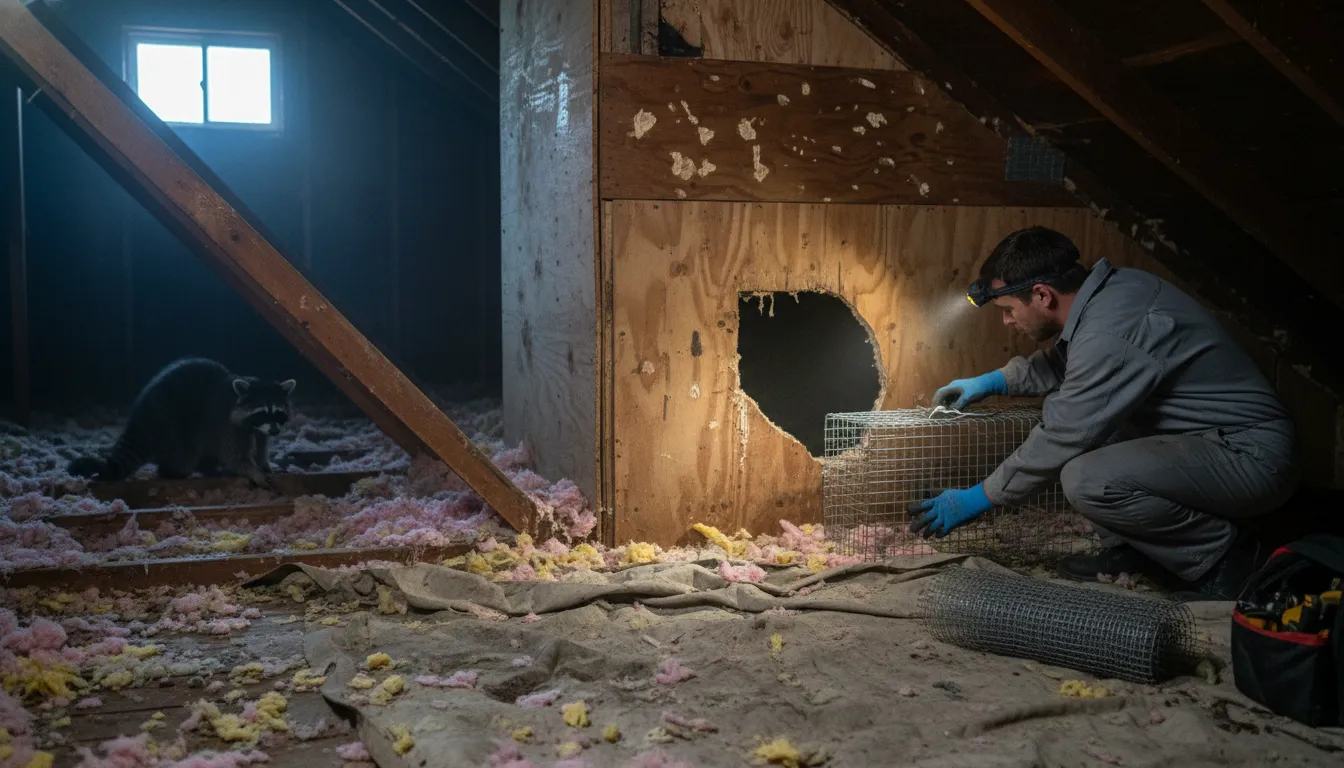
Find the Best Wildlife Removal Companies for Your Business
No obligation • Fast responses • Nationwide coverage

Why you can trust Pest Crews
Pest Crews is a leading U.S. resource for finding and evaluating residential and commercial pest control services. Our team researches providers, reviews treatment approaches, and organizes unbiased information to help you make informed decisions. Companies cannot pay to change our editorial content or influence how they appear.
Search providers near you
Top Wildlife Removal Companies in Phoenix, Arizona Ranked
Living in Phoenix means sharing our vibrant desert landscape with a diverse array of native wildlife. While seeing a bobcat or hearing coyotes can be part of the Sonoran charm, these animals can become a serious nuisance when they enter your attic, chew through wiring, or threaten your pets. Professional wildlife removal and animal control services are essential for safely and legally resolving conflicts with urban-adapted species. This guide will help you understand your options, from preventative steps you can take to when and how to hire a licensed expert to handle an intrusion.
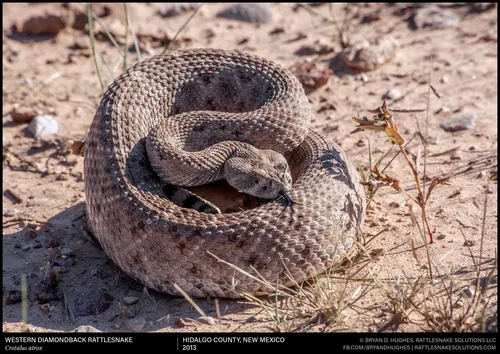
Rattlesnake Solutions LLC
Phoenix, AZ
Rattlesnake Solutions LLC is a wildlife removal company based in Phoenix, AZ, specializing in rattlesnake removal and control. They provide 24/7 snake removal services throughout Phoenix and Tucson, using extensive knowledge of rattlesnake behavior to safely find, capture, and relocate snakes from homes and businesses. The company focuses on humane relocation, never harming the snakes, and is licensed by the Arizona Game & Fish Department to perform wildlife relocation. Their approach includes educating the public about snakes and separating fact from fiction to reduce fear and promote safety.
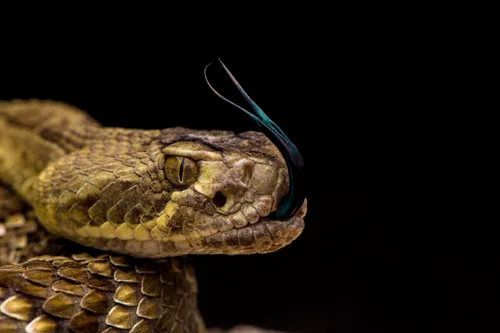
Arizona Snake Removal
4349 W Shangri La Rd, Glendale, AZ 85304
Arizona Snake Removal is a wildlife removal company based in Phoenix, AZ, specializing in the safe removal and relocation of venomous snakes such as rattlesnakes and Gila monsters. With over 25 years of experience, the company combines local expertise with global knowledge, including certifications in Australia for handling some of the world's most venomous snakes. Arizona Snake Removal focuses on conservation and education while providing snake control and emergency removal services in the Phoenix area.

Terminix
4246 E Wood St Suite 350, Phoenix, AZ 85040
Terminix provides pest control and termite inspection services in Phoenix, AZ. The company offers treatments for a variety of pests including bed bugs, ants, cockroaches, rodents, termites, mosquitoes, bees, wasps, and wildlife. Their services include comprehensive interior and exterior inspections, ongoing pest treatments, and termite protection systems. Terminix technicians are familiar with local pest issues and provide tailored plans to protect homes from seasonal and persistent pest problems. The company also offers a termite damage repair guarantee for qualifying homes.

Fromms Pest Control
4633 E Devonshire Ave, Phoenix, AZ 85018
Fromms Pest Control is a pest control company based in Phoenix, AZ, serving the city and surrounding areas including Gilbert and Scottsdale. They provide comprehensive pest management services for residential and commercial properties, addressing issues with ants, bed bugs, bees, rodents, termites, scorpions, and more. Their approach includes proactive inspections, targeted treatments, and ongoing maintenance to control and prevent infestations. Fromms Pest Control offers customized pest control plans without long-term contracts, focusing on safe and effective methods tailored to each client's needs.
Naturzone Pest Control
12633 N Cave Creek Rd Ste, Phoenix, AZ 85022
Naturzone Pest Control is a full-service pest control company based in Phoenix, AZ, specializing in the removal and prevention of pests such as bed bugs, scorpions, rodents, and termites. They offer both residential and commercial pest control services, including pet-safe mosquito control methods like the In2Care mosquito trap system and natural treatments such as Aprehend RTU for bed bugs. Their technicians are trained to thoroughly inspect and evaluate environments to provide tailored treatment plans that address the unique pest challenges of the Sonoran Desert region. Naturzone Pest Control is fully licensed, insured beyond industry requirements, and employs background-checked and educated technicians. They also provide same-day service and maintain transparent communication through cloud-based software and vehicle tracking.
Common Nuisance Wildlife in Phoenix
The Phoenix metro area is home to numerous species that frequently come into conflict with residents. Understanding which animal you're dealing with is the first step toward an effective solution.
Mammals:
- Raccoons: Intelligent and dexterous, they are notorious for tipping over trash cans, tearing into roof vents, and establishing dens in attics or crawl spaces.
- Squirrels: Both rock squirrels and tree squirrels can cause significant damage by chewing on wood, electrical wires, and irrigation lines. They often enter homes through small gaps in eaves or roof lines.
- Bats: Small colonies may roost in attics or wall voids. While beneficial for insect control, their droppings (guano) pose health risks and they are protected by specific regulations, requiring careful exclusion.
- Rodents: Pack rats (woodrats), roof rats, and mice seek shelter in garages, sheds, and home interiors, contaminating spaces with droppings and causing fire hazards by gnawing wires.
- Javelina: These peccaries, while not aggressive unless provoked, can damage landscaping, fencing, and sprinkler systems while foraging 1 2.
- Bobcats & Coyotes: Typically wary of humans, they may prey on small pets and can be attracted to unsecured food sources.
Reptiles:
- Snakes: The Phoenix area hosts both venomous (like rattlesnakes) and numerous non-venomous species. Snakes often seek shelter in cool, shaded areas like garages, woodpiles, or under shrubs. Due to the danger, snake handling should always be left to professionals.
Birds:
- Pigeons: Their nests and acidic droppings can deface and damage property, clog gutters, and create slip hazards.
Your Wildlife Control Options: From DIY to Professional Help
Not every wildlife sighting requires an emergency call. Arizona provides a clear framework for handling these situations, balancing self-reliance with professional intervention.
1. Self-Help and Prevention (Your First Line of Defense)
Many issues can be prevented or mitigated through proactive habitat modification. The Arizona Game and Fish Department (AZGFD) emphasizes that removing attractants is the most effective long-term strategy.
- Secure Food and Water: Use locking lids on trash cans, never leave pet food outdoors overnight, and fix leaky faucets or irrigation. Pick up fallen fruit from trees.
- Seal Entry Points: Conduct a thorough inspection of your home's exterior. Seal any holes, cracks, or gaps larger than a quarter-inch, especially around the roofline, vents, and foundation. This is crucial for excluding rodents, bats, and squirrels.
- Modify Habitat: Trim tree branches back at least 6-10 feet from your roof to eliminate highways for squirrels and raccoons. Keep woodpiles and dense brush away from the house.
2. Contact Arizona Game and Fish Department (AZGFD)
AZGFD manages the state's wildlife and licenses all professional removal operators. They are your primary resource for:
- Immediate public safety threats (e.g., a rabid animal in a populated area).
- Issues involving threatened or endangered species.
- Big game like bears (though rare in Phoenix proper).
- General guidance and the official list of licensed Wildlife Service Permittees (WSPs) 3.
It's important to note that AZGFD's role is conservation and regulation; they do not typically provide animal trapping or removal services for general nuisance situations in urban areas.
3. Hire a Licensed Wildlife Service Permittee (WSP)
For active infestations or animals that cannot be deterred by prevention, a licensed professional is required. In Arizona, it is illegal for anyone to capture and relocate wildlife for a fee without a WSP license from AZGFD.
- What They Do: A WSP will humanely trap and remove the problem animal. Critically, they also diagnose and repair the entry points to prevent recurrence-a service known as wildlife exclusion 4.
- How to Find One: Always verify a company's credentials. Use the official directory provided by the Arizona Game and Fish Department to find a licensed Wildlife Service Permittee in your area.
4. Contact Local Animal Control
Municipal or county animal control services generally focus on domestic animals (stray dogs and cats). However, they may respond to situations involving:
- Injured or trapped wildlife that you cannot safely transport.
- Clearly sick or dangerously aggressive animals in a public space. For standard nuisance wildlife in or on a home, they will often refer you to a private WSP 5.
Find the perfect wildlife removal companies for your needs
Get personalized recommendations and expert advice
Understanding Costs and Key Regulations
What Does Wildlife Removal Cost in Phoenix?
Pricing depends heavily on the species, extent of the problem, and the repairs needed. Most companies charge for an initial inspection and then provide a service quote.
- Basic Trapping and Removal: Services often start between $100 and $500 for a standard trap set and removal, but this can vary widely 6.
- Service Calls: Initial inspection and assessment fees can range from $100 to $200+, with follow-up visits typically costing less 7.
- Exclusion and Repair: This is where costs can increase but also where the permanent solution lies. Sealing a home thoroughly against future entry involves materials and labor and will be priced based on the linear footage or number of entry points addressed.
- Relocation/Disposal: There may be additional fees for transporting an animal to a permitted release site or for the disposal of carcasses if necessary.
Always get a detailed, written estimate that breaks down inspection, removal, exclusion, and any warranty offered.
Critical Local Laws You Must Know
- Do Not Feed Wildlife: In Maricopa County (which includes Phoenix), it is illegal to feed most wildlife. This ordinance is designed to prevent animals from becoming habituated to humans, which leads to more conflicts and safety issues. Fines can be issued for violations, with exceptions generally made for birds and tree squirrels using backyard feeders 8 9.
- Licensing is Mandatory: Only an AZGFD-licensed Wildlife Service Permittee can legally trap and relocate wildlife for compensation. Hiring an unlicensed person not only may be ineffective but could also be illegal 10.
- Protected Species: Bats, many birds of prey, and other species have federal or state protections. A licensed professional will know the regulations governing the handling and exclusion of these animals 11.
When to Call a Professional Immediately
While prevention is best, some situations warrant a prompt call to a licensed wildlife control operator:
- You hear persistent scratching, scurrying, or vocalizations inside your walls or attic, especially at night or dawn/dusk.
- You find signs of entry like torn vent screens, chewed wood, or greasy rub marks along walls.
- You see a wild animal repeatedly entering or exiting a specific part of your home.
- You encounter a snake inside your home or garage, or in a high-traffic area of your yard. Do not attempt to handle it yourself.
- You discover a sick, injured, or disoriented animal that is not fleeing from humans.
In these cases, a professional can safely resolve the immediate problem and, just as importantly, help you safeguard your property against future invasions.
Frequently asked questions
Sources
Footnotes
-
Pest Control & Wildlife Removal in Phoenix - Critter Control - https://www.crittercontrol.com/office-finder/arizona/phoenix/ ↩
-
Phoenix Humane & Affordable Wildlife Control - https://wildlifeandpest.com/arizona-wildlife-control/phoenix-wildlife-control.html ↩
-
Keep wildlife wild: Don't feed, don't approach - Arizona Game and Fish - https://www.azgfd.com/2025/01/06/keep-wildlife-wild-enjoy-from-a-distance-eliminate-attractants/ ↩
-
Wildlife Exclusion | AAAC Wildlife Removal of the Treasure Coast - https://treasure-coast.aaacwildliferemoval.com/services/wildlife-exclusion/ ↩
-
Urban Nuisance Wildlife Problems in Arizona - https://digitalcommons.unl.edu/cgi/viewcontent.cgi?article=1414&context=gpwdcwp ↩
-
Wildlife removal cost: What you need to know - AZ Big Media - https://azbigmedia.com/lifestyle/wildlife-removal-cost-what-you-need-to-know/ ↩
-
Our Wildlife Removal Prices - AAAnimal Control - http://www.aaanimalcontrol.com/professional-trapper/proprices.htm ↩
-
Living with Wildlife - Arizona Game & Fish Department - https://www.azgfd.com/wildlife-conservation/living-with-wildlife/ ↩
-
A Few Key Wildlife Rules in Arizona - Critter Evictors - https://critterevictors.com/a-few-key-wildlife-rules-in-arizona/ ↩
-
Wildlife Control Businesses - Arizona Game & Fish Department - https://www.azgfd.com/wildlife-conservation/living-with-wildlife/wildlife-control-businesses/ ↩
-
3 Important Things to Know About Wildlife Removal - https://www.aaronsnuisance.com/3-important-things-to-know-about-wildlife-removal ↩