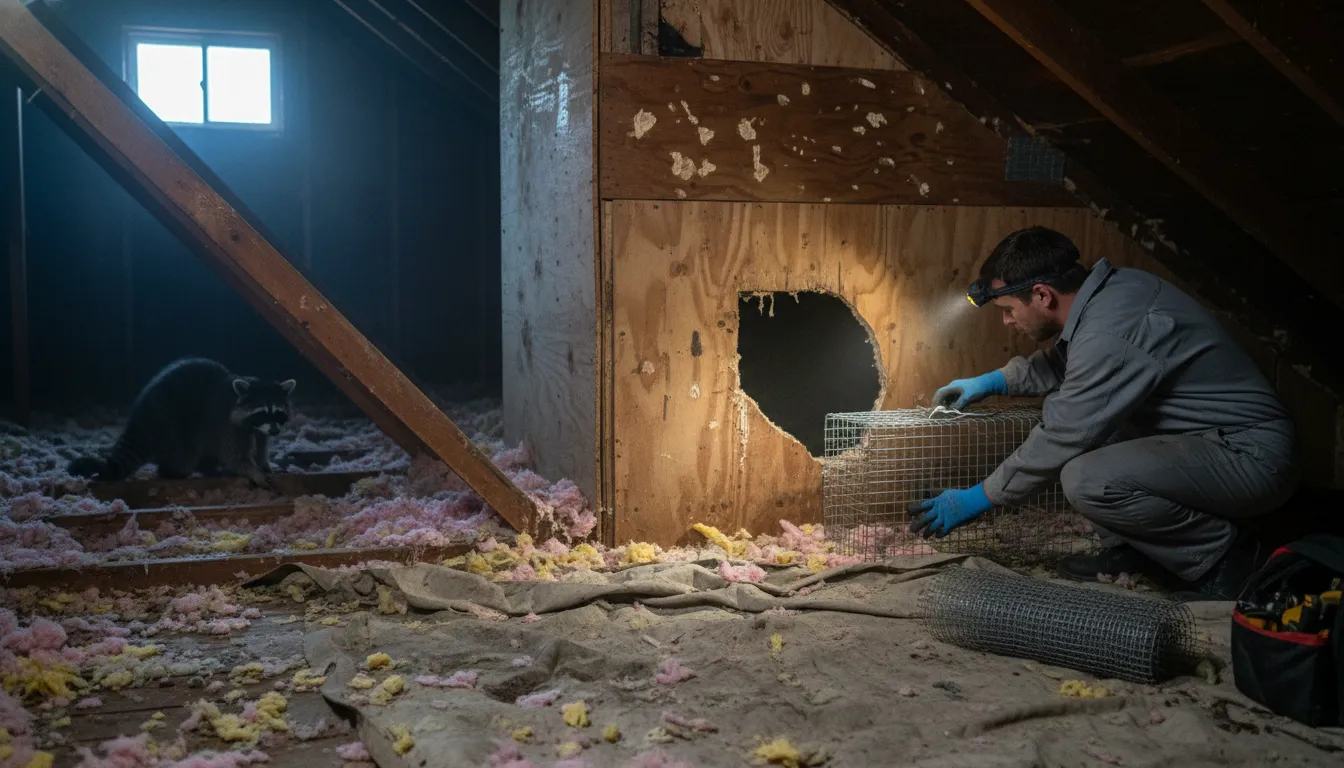
Find the Best Wildlife Removal Companies for Your Business
No obligation • Fast responses • Nationwide coverage

Why you can trust Pest Crews
Pest Crews is a leading U.S. resource for finding and evaluating residential and commercial pest control services. Our team researches providers, reviews treatment approaches, and organizes unbiased information to help you make informed decisions. Companies cannot pay to change our editorial content or influence how they appear.
Search providers near you
Top Wildlife Removal Companies in Oro Valley, Arizona Ranked
Living in the beautiful Sonoran Desert foothills of Oro Valley means sharing your space with a diverse array of native wildlife. While observing these animals in their natural habitat can be a joy, it becomes a serious problem when they decide to take up residence in your attic, garage, or walls. Wildlife removal is the specialized process of humanely and legally evicting nuisance animals from your property and implementing measures to ensure they don't return. This service is crucial for protecting your home's structural integrity, preventing health hazards from droppings and parasites, and ensuring the safety of your family and pets. This guide will help you understand your options, from DIY prevention to when it's essential to call a licensed professional, so you can find the right local assistance for your specific situation.
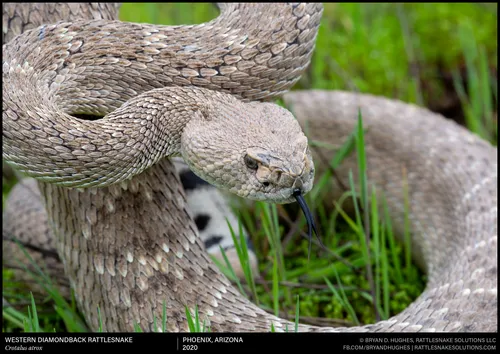
Rattlesnake Solutions Tucson
Tucson, AZ
Rattlesnake Solutions Tucson provides safe and humane snake removal and prevention services in Tucson, AZ. They specialize in snake control, fencing, and offering information to homeowners. The company is equipped to handle immediate rattlesnake removal requests and offers 24/7 availability for urgent situations.
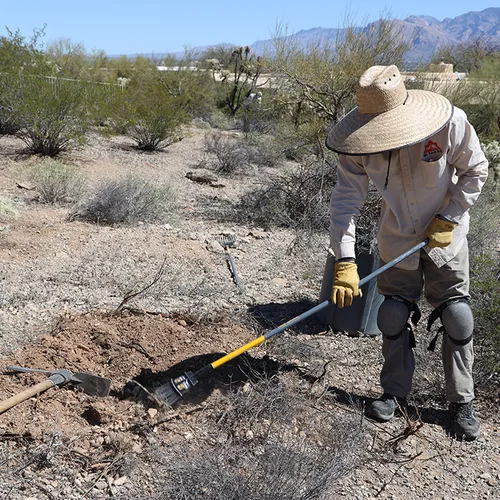
Mr. Pack Rat
Tucson, AZ
Mr. Pack Rat is a wildlife removal company specializing in rodent control, based in Tucson, AZ. The company focuses on humane removal of pack rats without using poisons, helping to protect the environment and other wildlife. They provide thorough inspections, debris removal, and advice on preventing future infestations. Mr. Pack Rat has built a reputation over many years for clear communication and effective wildlife management.

Truly Nolen Pest & Termite Control
16647 N Oracle Rd suite a, Tucson, AZ 85739
Truly Nolen Pest & Termite Control provides pest management services in Tucson, AZ, focusing on a wide range of pests including scorpions, cockroaches, spiders, ants, bed bugs, and wasps. The company also offers rodent removal and termite inspections to protect homes from damage. Their approach includes specialized treatment programs tailored to specific pest issues common in the area. Truly Nolen serves the Saddlebrooke community with pest control, removal, and extermination services designed to maintain a pest-free environment. The company emphasizes termite inspection and treatment to prevent structural damage and offers bed bug control with immediate and ongoing treatment options. Their rodent removal services prioritize sanitary and safe elimination of rats and mice. Truly Nolen is known for addressing over 100 types of pests and supports local partnerships within the community.
Arizona Pest Control
1127 N Rook Ave, Tucson, AZ 85712
Arizona Pest Control is a locally owned and family-operated pest management company serving Tucson, AZ, and Southern Arizona. Established in 1947, the company specializes in termite control, general pest control, bee and wasp removal, rodent control, and wildlife removal for both residential and commercial clients. They employ state-licensed technicians who use advanced and environmentally conscious pest elimination methods. With over 75 years of experience, Arizona Pest Control offers free general pest and termite inspections and is recognized as Tucson's largest pest management provider.
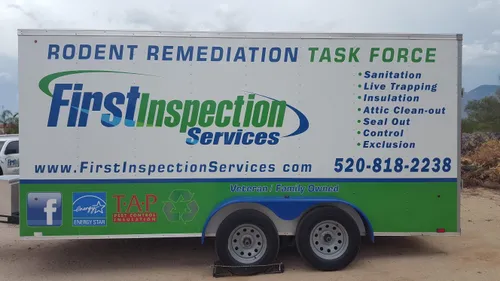
First Inspection Services Inc.
35481 AZ-77, Saddlebrooke, AZ 85739
First Inspection Services Inc. is a veteran-owned and family-run pest control company based in Tucson, AZ. They provide a wide range of pest management services including termite inspections and treatments, rodent inspections, bee and wasp removal, snake proofing, and attic remediation. Their expertise covers common pests such as scorpions, spiders, cockroaches, ants, and various types of termites. With a disciplined, military-influenced approach, they focus on thorough and effective pest elimination while offering personalized service to local residents. The company serves Tucson and nearby areas including Oro Valley, Catalina, Saddlebrooke, and Saddlebrooke Ranch.
Common Wildlife Intruders in Oro Valley
The unique desert environment around Oro Valley attracts a variety of mammals and reptiles that can become problematic for homeowners. Knowing which animals you're dealing with is the first step toward an effective solution.
- Rodents: This includes roof rats, pack rats, mice, and ground squirrels. They are the most frequent invaders, seeking shelter and nesting materials, and can cause significant damage by chewing on wires, insulation, and wood 1.
- Raccoons & Skunks: These intelligent and resourceful mammals are often drawn by accessible trash or pet food. Raccoons can tear open roof vents to access attics, while skunks may burrow under decks or sheds, presenting a potent odor problem.
- Bats: Small colonies can roost in attics or wall voids. While beneficial for insect control, their guano (droppings) can pose serious health risks and create persistent odors. Their removal is highly regulated.
- Snakes: Both venomous (like rattlesnakes) and non-venomous snakes are present. They often enter properties in search of prey, such as rodents, so a snake issue can indicate a larger rodent problem.
- Other Nuisance Animals: Homeowners may also encounter opossums, coyotes passing through yards, and birds nesting in vents or chimneys.
What You Can Do: DIY Prevention and Limits
For minor concerns, proactive homeowners can take several steps to make their property less inviting to wild animals. Effective prevention is often the most cost-effective form of wildlife control.
Key Prevention Strategies:
- Seal Entry Points: Carefully inspect your home's exterior for gaps, cracks, or holes. Use high-quality materials like steel wool, hardware cloth, or caulk to seal any openings larger than a quarter-inch, paying special attention to roof lines, vents, and where utilities enter the house 2.
- Eliminate Food and Water Sources: Secure trash cans with locking lids or bungee cords. Avoid leaving pet food outdoors overnight. Fix leaky faucets and ensure drainage systems are working to remove standing water.
- Landscape Maintenance: Keep tree branches trimmed back at least 6 feet from your roof. Remove piles of brush, wood, or debris where animals can hide or nest. Store firewood well away from your home's foundation.
Understanding DIY Limits: Arizona law allows property owners to address nuisance wildlife in certain situations. For example, you may use live traps for some common animals on your property. However, state law strictly regulates the relocation of trapped animals. Releasing an animal on public land, another person's property, or without proper permits is generally illegal and can spread disease 3. Furthermore, species like bats, birds of prey, and large mammals are protected and must be handled by licensed professionals 4.
When to Call a Professional Wildlife Service
There are clear situations where DIY methods are insufficient, unsafe, or illegal. Calling a licensed wildlife control operator (WCO) is the recommended course of action for a permanent and lawful solution.
You should seek professional animal removal help for:
- Animals Inside Structures: When you hear noises in walls, ceilings, or attics, or see signs of nesting.
- Protected or Dangerous Species: This includes bats, venomous snakes, and large mammals like bears (though rare in Oro Valley).
- Persistent or Recurring Problems: If an animal returns after you've removed it or sealed an entry point.
- Dead Animal Removal: Locating and safely removing a carcass from within a wall, crawl space, or vent, followed by sanitization.
- Extensive Damage or Contamination: Situations requiring major exclusion repairs, attic restoration, or cleanup of significant amounts of droppings and urine.
Find the perfect wildlife removal companies for your needs
Get personalized recommendations and expert advice
How Professional Wildlife Removal Works
Licensed professionals follow a systematic approach to ensure the problem is solved humanely and effectively. The process typically involves several key steps.
- Inspection and Assessment: A thorough inspection identifies the pest species, all entry points, the extent of the infestation, and any damage or contamination. This is the foundation for an accurate plan and estimate.
- Humane Eviction and Trapping: Professionals use species-specific techniques. This may involve one-way exclusion doors that let animals leave but not return, or the careful use of live traps. All methods comply with Arizona Game and Fish Department (AZGFD) regulations and animal cruelty laws 5.
- Exclusion and Repair: This is the most critical step for a lasting solution. After all animals are removed, every identified entry point is permanently sealed with durable materials like steel flashing, heavy-gauge wire mesh, or specialized vent covers to prevent re-entry.
- Cleanup and Sanitization: For health and odor reasons, professionals will remove nesting materials, droppings, and urine-soaked insulation. They then apply enzymatic cleaners and disinfectants to sanitize the area. In severe cases, attic insulation replacement may be recommended.
- Prevention Advice: A reputable service will provide recommendations for ongoing property maintenance to keep wildlife at bay.
Understanding Costs and Regulations
The cost for professional wildlife control in Oro Valley varies based on the animal, the severity of the infestation, and the required services. While prices can fluctuate, general estimates for Arizona include an initial inspection ranging from $200 to $600. The removal or live trapping itself may cost between $100 and $500 per animal or trap. The most significant investment is often in the exclusion repairs and sealing of the home, which can range from $500 to well over $1,000 depending on the labor and materials needed 6 7. It's important to view this not just as a removal cost, but as an investment in protecting your home from future damage and health risks.
Navigating Arizona Regulations: Wildlife in Arizona is managed as a public resource. The Arizona Game and Fish Department (AZGFD) licenses Wildlife Control Operators (WCOs) and sets the regulations for the humane take and handling of nuisance wildlife. Key regulations include restrictions on relocation and specific rules about taking wildlife only during daylight hours unless a special permit is obtained 8. Hiring an AZGFD-licensed professional ensures your removal is handled legally and ethically, protecting you from potential fines.
Who to Call: Animal Control vs. Wildlife Control
It's important to distinguish between the agencies and services available:
- Pima County Animal Care (PACC): This is the local animal control authority. You should contact PACC for issues involving domestic animals, such as stray, lost, or aggressive dogs and cats. For an animal attack or other immediate danger, call 911 9 10.
- Arizona Game and Fish Department (AZGFD): For native wildlife issues, AZGFD is the regulatory agency. Their website provides resources for living with wildlife and can help you find a list of licensed Wildlife Control Operators (WCOs) in your area 11.
- Licensed Wildlife Control Companies: These are private businesses licensed by AZGFD to perform trapping, exclusion, and cleanup services. They have the expertise, tools, and legal authority to handle complex wildlife intrusions in your home 12.
Frequently asked questions
Sources
Footnotes
-
Fast, Reliable Wildlife & Pest Control in Mesa - https://www.crittercontrol.com/office-finder/arizona/mesa/ ↩
-
Arizona Critter Control Offices - https://www.crittercontrol.com/office-finder/arizona/ ↩
-
05.10 -- Nuisance Wildlife Control Requirements - https://apps.agfc.com/regulations/detail/0231d521-5e9d-4390-ab47-b04888ac6412/ ↩
-
Arizona Humane & Affordable Wildlife Control - https://wildlifeandpest.com/arizona-wildlife-control.html ↩
-
13-2910 - Cruelty to animals; interference with working or service ... - https://www.azleg.gov/ars/13/02910.htm ↩
-
Oro Valley Wildlife Animal Control - Nuisance Removal Trapping - http://www.wildlifeanimalcontrol.com/Oro-Valley.html ↩
-
Wildlife removal cost: What you need to know - AZ Big Media - https://azbigmedia.com/lifestyle/wildlife-removal-cost-what-you-need-to-know/ ↩
-
Taking and Handling of Wildlife. Article 1. General Regulations - https://www.animallaw.info/statute/az-wildlife-taking-and-handling-wildlife-article-1-general-regulations ↩
-
Oro Valley Wildlife Control / Arizona Animal Removal - http://www.aaanimalcontrol.com/professional-trapper/city/AZ-Oro-Valley.htm ↩
-
Animals and Pets - Oro Valley | it's in our nature - https://www.orovalleyaz.gov/Community/Animals-and-Pets ↩
-
Living with Wildlife - Arizona Game & Fish Department - https://www.azgfd.com/wildlife-conservation/living-with-wildlife/ ↩
-
Oro Valley Wildlife Removal, Pest Animal Control AZ - http://www.wildlife-removal.com/city/AZ-Oro-Valley.htm ↩