Find the Best Wildlife Removal Companies for Your Business
No obligation • Fast responses • Nationwide coverage

Why you can trust Pest Crews
Pest Crews is a leading U.S. resource for finding and evaluating residential and commercial pest control services. Our team researches providers, reviews treatment approaches, and organizes unbiased information to help you make informed decisions. Companies cannot pay to change our editorial content or influence how they appear.
Search providers near you
Top Wildlife Removal Companies in Hendersonville, Tennessee Ranked
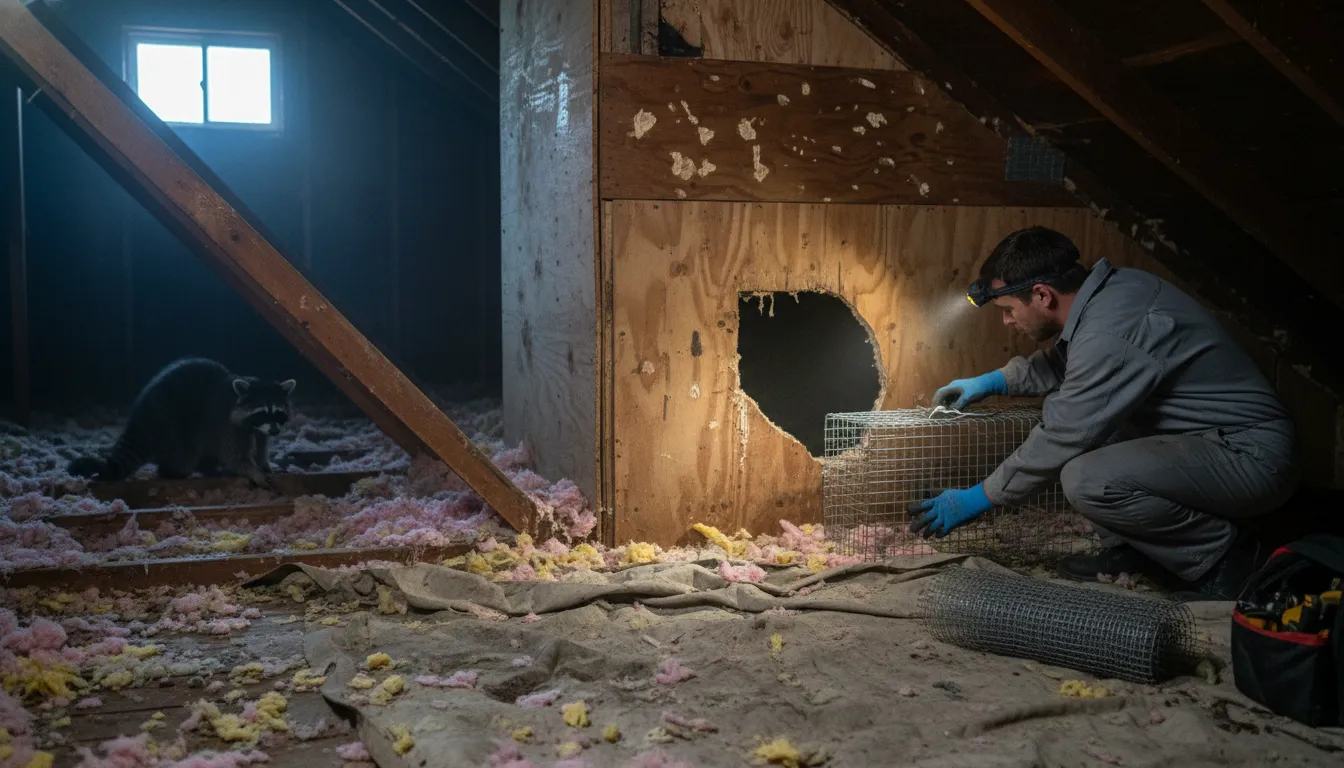
Living alongside nature is part of Hendersonville's charm, but when raccoons raid your trash, squirrels nest in your attic, or skunks take up residence under your deck, that charm can wear thin quickly. Wildlife removal is the professional service dedicated to safely and legally resolving conflicts with nuisance animals on your property. It matters because improper handling can be dangerous, illegal, or simply ineffective, allowing damage and health risks to persist. This guide will help you understand your options, from do-it-yourself prevention to when it's time to call a licensed professional, so you can reclaim your home and peace of mind.
Elite Wildlife Removal and Prevention, LLC
Nashville, TN
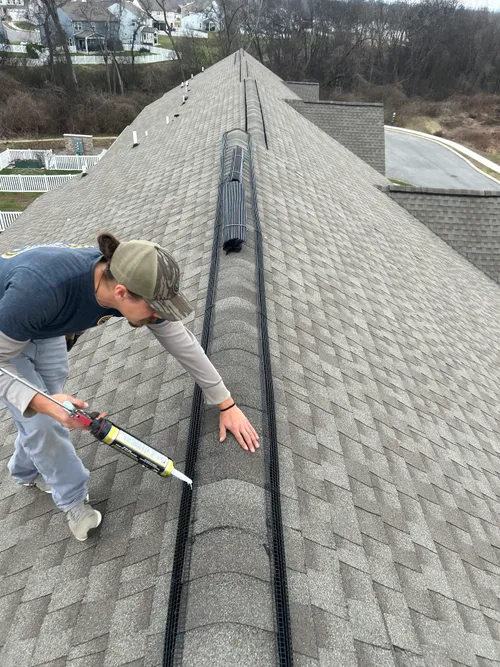
Elite Wildlife Removal and Prevention, LLC is a locally owned company based near Nashville, Tennessee. They provide wildlife removal and prevention services throughout middle Tennessee and surrounding areas. The team is certified and trained, focusing on safely removing animals, repairing damage, and preventing future wildlife intrusions. They stay current with industry standards to ensure effective service.
A-Team Wildlife Removal
Nashville, TN
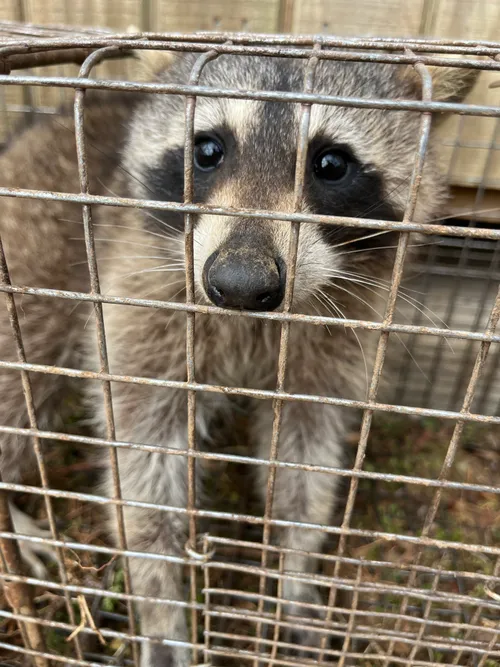
A-Team Wildlife Removal is a wildlife removal company based in Nashville, TN. They specialize in safely and responsibly resolving wildlife issues in homes, including animals in attics, crawl spaces, and around properties. The company emphasizes a humane and state law-compliant approach, focusing on proper removal, identifying entry points, and preventing future problems while treating each home with care.

Terminix
802 N Cumberland St B, Lebanon, TN 37087
Terminix provides comprehensive pest control services in Nashville, TN, specializing in the treatment and prevention of common pests such as bed bugs, termites, ants, rodents, mosquitoes, and wildlife. Their local technicians are familiar with the specific pest challenges in the area and offer tailored solutions including termite inspections, mosquito control, and wildlife removal. Terminix also offers ongoing pest protection plans and guarantees for termite damage repair. They serve a wide range of communities around Nashville, ensuring homes and businesses are protected throughout the year.
Orkin
3710 Nolensville Pk, Nashville, TN 37211
Orkin provides residential pest control services in Nashville, TN, addressing common pests such as cockroaches, ants, mosquitoes, rodents, bed bugs, termites, and stinging insects. Their service includes thorough termite inspections using infrared scanners and moisture monitors, along with tailored treatments like foam, liquid, or Sentricon® bait applications. With over 120 years of experience, Orkin offers customized pest plans that consider Nashville's unique climate and seasonal pest cycles. They provide 24/7 availability with next-day service and flexible scheduling to meet urgent pest control needs.
EcoPro Pest Control
8105 Moores Ln, Brentwood, TN 37027
EcoPro Pest Control is a family-owned pest control company serving Nashville, TN, and nearby areas including Brentwood. They provide a range of pest management services such as bed bug treatment, cockroach and ant control, rodent removal, termite inspections, mosquito control, bee and wasp removal, and wildlife management. EcoPro Pest Control emphasizes eco-friendly methods and personalized service to address common local pests like spiders, ticks, and rodents. The company operates multiple offices in the region and offers professional insulation removal, attic restoration, and sanitation services. While the business does not specify years in operation, it highlights a proven track record and a certified, insured team.
Common Nuisance Wildlife in Hendersonville
Hendersonville's mix of suburban neighborhoods and natural spaces creates ideal habitats for several species that can become problematic for homeowners. Knowing which animals you're dealing with is the first step toward an effective solution.
- Raccoons: These intelligent, dexterous mammals are frequent culprits. They can tear open roof vents to access attics for nesting, rummage through garbage, and pose a notable rabies risk.
- Squirrels: Both gray and flying squirrels commonly enter attics and wall voids, where they gnaw on wires (a fire hazard), insulation, and wood. Their constant activity can be noisy and destructive.
- Skunks: Known for their potent defensive spray, skunks often dig dens under porches, sheds, and decks. They can also carry rabies and dig up lawns in search of grubs.
- Coyotes: While generally wary of humans, coyotes are present in the area and may prey on small pets. They are typically more of a concern for property damage or pet safety than for entering homes.
- Nuisance Birds: Species like European starlings, house sparrows, and pigeons often nest in vents, gutters, and attic eaves. Their nests can block ventilation, and their droppings are corrosive and can harbor diseases.
- Other Mammals: Opossums, groundhogs (woodchucks), and moles are also common. Opossums may raid pet food, groundhogs can undermine structures with their burrowing, and moles create unsightly tunnels in lawns.
Understanding Tennessee Wildlife Laws and Your Rights
Before taking action, it's crucial to understand the legal framework set by the Tennessee Wildlife Resources Agency (TWRA). These regulations are designed to protect both wildlife and property owners.
What You Can Do (DIY Legal Options): Tennessee law allows property owners or their immediate family to trap certain nuisance animals causing damage on their own property without a permit. However, there is a critical restriction: any animal trapped in this manner must be released on the same property or euthanized humanely. It is illegal to transport and release a trapped animal elsewhere 1 2. This prevents the spread of disease and the creation of a nuisance for someone else.
When a TWRA Permit is Required: A licensed Animal Damage Control (ADC) Operator with a specific TWRA permit is legally required in two main scenarios:
- When you hire and pay someone for trapping, transport, or removal services.
- For the handling of most birds, as they are federally protected under the Migratory Bird Treaty Act. Special permits are needed for their removal 3 4.
Injured or Orphaned Wildlife: If you find an injured or seemingly orphaned animal, do not handle it yourself. You should contact a permitted TWRA wildlife rehabilitator. Only licensed individuals are authorized to care for and transport these animals 5.
Find the perfect wildlife removal companies for your needs
Get personalized recommendations and expert advice
Effective Wildlife Prevention and Exclusion
The most permanent and humane solution to wildlife conflicts is to make your property less attractive and accessible. This process, called exclusion, is often the core of a professional service but has many DIY components.
- Seal Entry Points: Conduct a thorough inspection of your home's exterior. Look for gaps in siding, loose roof vents, holes in soffits, and spaces around utility lines. Use heavy-duty materials like hardware cloth, steel wool, or sheet metal to seal any opening larger than a quarter-inch. Remember, a mouse can fit through a hole the size of a dime.
- Secure Food and Water Sources: Keep trash cans sealed with locking lids or bungee cords. Do not leave pet food outdoors overnight. Pick up fallen fruit from trees and secure compost bins. Eliminating easy meals is a powerful deterrent 6.
- Modify Habitat: Trim tree branches that hang within 6-10 feet of your roof to limit access for squirrels and raccoons. Keep woodpiles and dense brush away from your home's foundation. For burrowing animals like groundhogs, installing a fence that extends 10-12 inches underground can be effective.
- Chimney and Vent Caps: Install professionally fitted chimney caps and wire mesh covers over attic and dryer vents. These are common entry points that are easy to secure.
The Professional Wildlife Removal Process
For situations beyond DIY prevention, or when animals are already inside, hiring a licensed professional is the safest and most effective course of action. Here's what a comprehensive service typically entails:
- Inspection and Assessment: A technician will identify the species, locate all entry points, and assess the extent of the infestation and damage.
- Humane Trapping and Removal: Using species-specific techniques, the animals are live-trapped and removed from the property in compliance with TWRA regulations 7.
- Exclusion and Repair: This is the most critical step to prevent recurrence. All identified entry points are permanently sealed with professional-grade materials.
- Cleanup and Sanitation: Nesting materials, droppings, and urine are removed from attics or crawl spaces. In some cases, professional decontamination and deodorizing are necessary to eliminate health risks and smells that might attract new animals.
- Restoration: Repairing damage caused by the wildlife, such as chewed wires, torn insulation, or damaged ductwork, may be offered as a separate service.
Cost Considerations for Wildlife Control
Costs for animal removal in Hendersonville are not fixed and depend heavily on the species, the number of animals, the location of the problem (e.g., attic vs. crawl space), and the extent of exclusion work needed. As a reference, medium-sized jobs-such as removing squirrels from an attic with basic exclusion-can start around $299 or more 8 9 10. It's always wise to get detailed, written estimates from multiple licensed ADC operators. The estimate should clearly break down costs for inspection, removal, exclusion repairs, and any cleanup services.
Health and Safety Risks
Engaging directly with nuisance wildlife carries inherent risks. Raccoons, skunks, bats, and foxes are potential rabies vectors. Squirrel and rodent droppings can harbor pathogens like hantavirus or leptospirosis. Birds and their droppings can expose you to histoplasmosis, a respiratory disease 11 12. Furthermore, animals will defend themselves and their young if they feel threatened. Professionals have the training, protective equipment, and vaccination protocols to manage these risks safely.
Frequently asked questions
Sources
Footnotes
-
Wildlife Damage Control in Tennessee - https://www.tn.gov/twra/law-enforcement/wildlife-damage-control.html ↩
-
Rules Governing Wildlife Capture, Transport, and Release Permit - https://publications.tnsosfiles.com/rules/1660/1660-01/1660-01-16.pdf ↩
-
Wildlife Removal Hendersonville, TN - https://www.animalsremoved.com/city/sumner-hendersonville ↩
-
Tenn. Comp. R. & Regs. 1660-01-21-.01 - NUISANCE ANIMAL DAMAGE CONTROL - https://www.law.cornell.edu/regulations/tennessee/Tenn-Comp-R-Regs-1660-01-21-.01 ↩
-
Wildlife Rehabilitator Permits | Tennessee Wildlife Resources Agency - https://www.tn.gov/twra/law-enforcement/permits/rehabilitators.html ↩
-
Hendersonville Wildlife Animal Control - Trapping of - http://www.wildlifeanimalcontrol.com/Hendersonville-TN.html ↩
-
1660-1-21-.01 Nuisance Animal Damage Control - https://publications.tnsosfiles.com/rules/1660/1660-01/1660-01-21.pdf ↩
-
Wildlife Removal Hendersonville - https://nashville.aaacwildliferemoval.com/service-area/hendersonville ↩
-
Prices for Hendersonville Wildlife Pest Control Animal Trapping - http://www.aaanimalcontrol.com/Professional-Trapper/prices/TN-Hendersonville-prices.htm ↩
-
Wildlife Removal & Pest Control Services in Hendersonville TN - https://musiccitywildlife.com/wildlife-removal-pest-control-services-in-hendersonville-tn/ ↩
-
Hendersonville Wildlife Removal & Animal ... - https://animalprosonline.com/murfreesboro/hendersonville/ ↩
-
PB1624-Managing Nuisance Animals and Associated Damage ... - https://trace.tennessee.edu/cgi/viewcontent.cgi?article=1018&context=utk_agexdise ↩