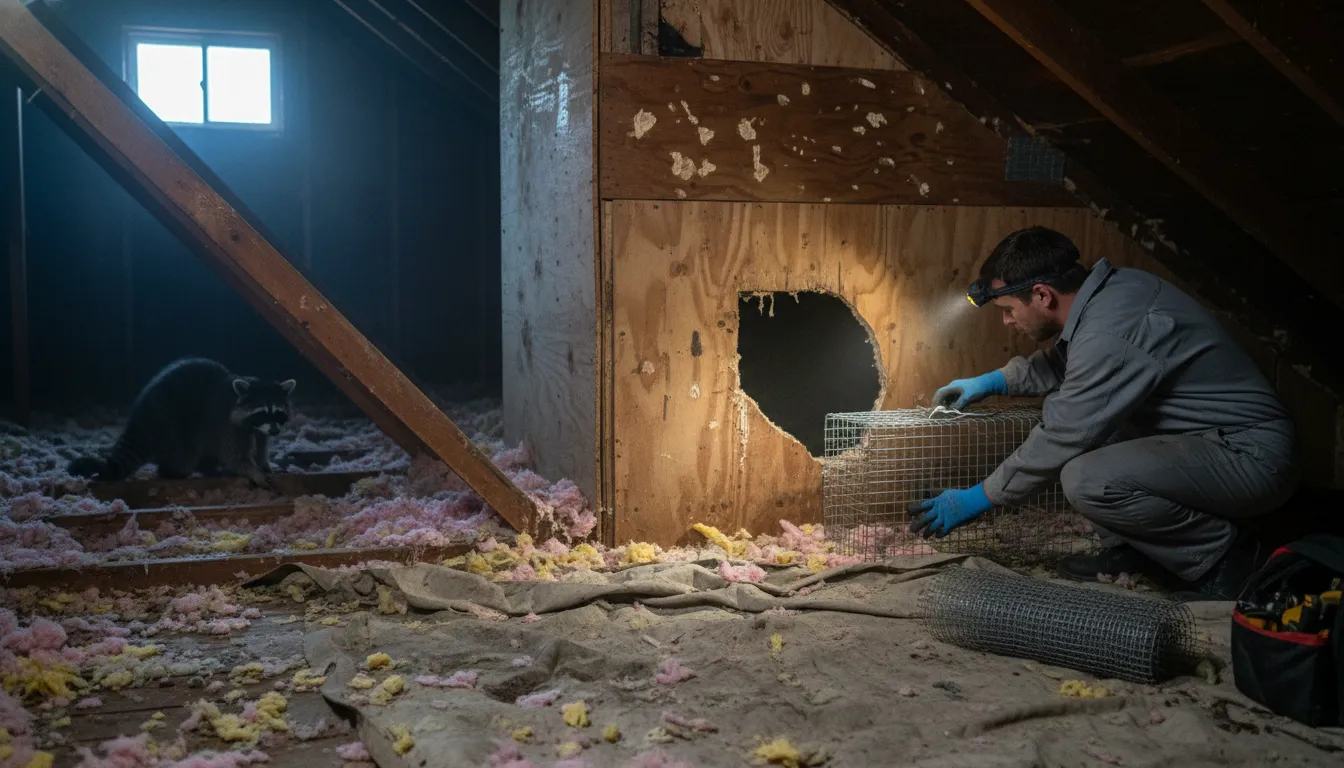
Find the Best Wildlife Removal Companies for Your Business
No obligation • Fast responses • Nationwide coverage

Why you can trust Pest Crews
Pest Crews is a leading U.S. resource for finding and evaluating residential and commercial pest control services. Our team researches providers, reviews treatment approaches, and organizes unbiased information to help you make informed decisions. Companies cannot pay to change our editorial content or influence how they appear.
Search providers near you
Top Wildlife Removal Companies in Bothell, Washington Ranked
Discovering an uninvited animal in your attic, walls, or yard can be unsettling. Wildlife removal is the professional service dedicated to safely and humanely resolving conflicts with wild animals that have become a nuisance or hazard on your property. In Bothell, where urban spaces meet natural habitats, knowing how to manage these encounters is crucial for your safety and the well-being of the animals. This guide explains the local wildlife you might encounter, what you can do yourself, when to call a certified expert, and the important regulations that govern animal control in Washington State.
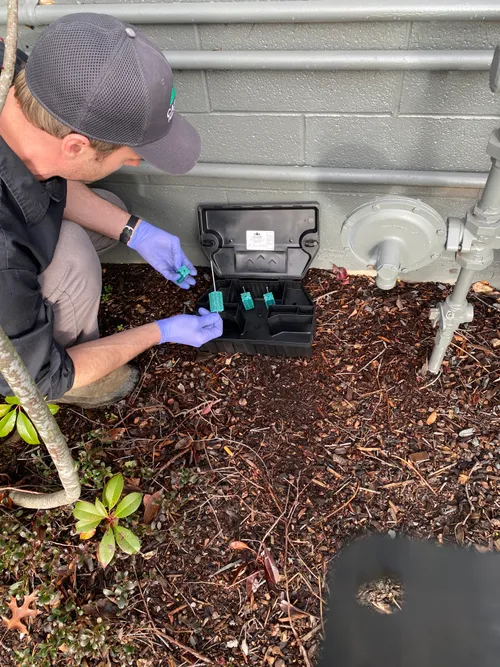
Cascade Pest Control
1420 5th Ave Suite 2260, Seattle, WA 98101
Cascade Pest Control is a family-owned pest control company serving Seattle, WA, and nearby areas. Established in 1979, they specialize in environmentally safe pest and rodent control services tailored to the unique needs of homes and businesses in the region. Their licensed technicians provide comprehensive inspections and treatments for common Seattle pests such as ants, spiders, rodents, termites, and wasps. Cascade Pest Control offers rodent removal and prevention, including damage remediation and exclusion services, along with ongoing pest prevention maintenance programs to protect properties year-round.
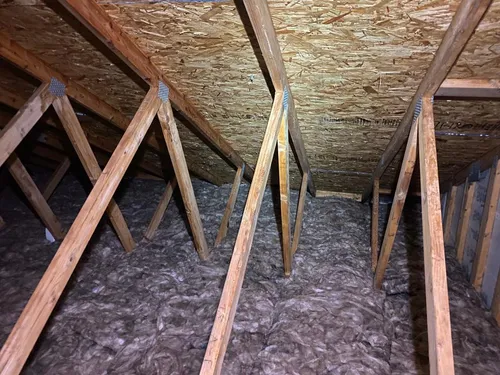
Insulation Co
1420 E Pine St, Seattle, WA 98122
Insulation Co is a Seattle, WA-based company specializing in attic and crawl space services. Their offerings include insulation installation and removal, mold remediation, ventilation improvements, and rodent proofing and clean-up. They also provide sump pump installation and drainage solutions. The company focuses on improving energy efficiency and indoor air quality through services like duct sealing and insulation. Insulation Co also handles rodent and pest exclusion with humane removal and sanitization. Their expertise includes mold removal and moisture control to maintain healthy living spaces.

PURCOR Pest Solutions
450 Alaskan Way S Ste: 200-269, Seattle, WA 98104
PURCOR Pest Solutions provides pest and termite control services in Seattle, WA. They manage a variety of pests including ants, mice, spiders, roaches, rodents, and seasonal invaders for both homes and businesses. Their services include pest prevention, rodent removal, termite inspections, and wildlife cleanup, with a focus on minimizing environmental impact. PURCOR is locally managed and committed to serving the Seattle community with expert pest control solutions.
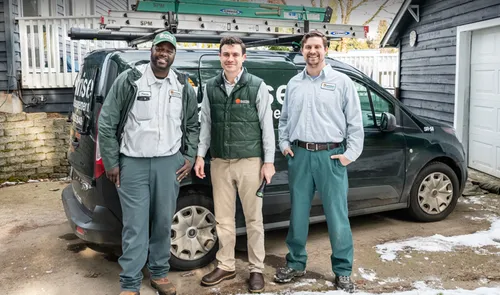
Sunrise Pest & Turf Management | Bellevue, WA
1840 130th Ave NE #13th, Bellevue, WA 98005
Sunrise Pest & Turf Management | Bellevue, WA has been providing pest control and lawn care services in Seattle, WA and the surrounding areas since 1978. They offer comprehensive pest management solutions for ants, rodents, wasps, termites, and moles, as well as lawn care treatments including fertilization, weed control, aeration, and disease management. Their commercial services cater to retail, industrial, and HOA properties. The company is affiliated with WSPMA and has an A+ rating from the BBB. Customers can speak directly with licensed technicians during business hours for straightforward quotes and scheduling.
Issaquah Pest Control
1315 NW Mall St Suite 4, Issaquah, WA 98027
Issaquah Pest Control is a family-owned and operated pest control company serving Seattle, WA. They offer a wide range of services including bed bug treatment, rodent control, termite inspections, mosquito control, and wildlife removal. The company is certified and licensed, using safe and quality products to address pest problems efficiently. With over 8 years of experience, Issaquah Pest Control specializes in comprehensive pest management solutions such as ant and wasp control, as well as crawlspace insulation to improve home energy efficiency. They emphasize kindness and professionalism in their approach and provide thorough communication throughout the service process.
Common Wildlife Issues in Bothell
Bothell's mix of wooded areas, wetlands, and residential neighborhoods makes it attractive to a variety of wildlife species seeking food and shelter. The most frequent culprits for nuisance issues include:
- Rodents: Rats and squirrels are common invaders, often seeking warmth and nesting materials in attics, crawlspaces, and wall voids. They can chew on wires, insulation, and structural wood, creating fire hazards and significant damage.
- Raccoons: These intelligent, dexterous animals are notorious for tipping over trash cans and can tear through roof vents or soffits to access attics. A mother raccoon with young can be particularly defensive and difficult to remove 1.
- Bats: Small colonies of bats may roost in attics or eaves. While they are beneficial for insect control, their guano (droppings) can pose health risks and create odor problems. Their removal is highly regulated.
- Opossums, Skunks, and Coyotes: These animals are more often encountered in yards, where they may dig for grubs, raid compost piles, or prey on small pets. Securing attractants is key to discouraging them.
Understanding which animal you're dealing with is the first step toward an effective solution.
What You Can Do: DIY Prevention and Deterrence
For minor wildlife problems, residents can take several effective, non-lethal steps to encourage animals to move on. The core principle is to make your property less attractive than the surrounding area.
Eliminate Food Sources: This is the most critical step. Secure trash and recycling bins with tight-fitting lids or bungee cords. Bring pet food and water bowls inside overnight. Manage compost piles carefully and clean up fallen fruit from trees.
Practice Exclusion: This involves sealing potential entry points before animals get in. Inspect your home's exterior for gaps larger than a quarter-inch. Use heavy-duty materials like hardware cloth, steel wool, or metal flashing to seal holes in siding, roof junctions, and around utility lines. Ensure chimney caps and vent covers are secure.
Use Humane Deterrents: For animals in the yard, temporary deterrents can be effective. Motion-activated lights or sprinklers can startle and discourage wildlife. Radio talk shows or other noise makers can make an attic space less appealing for nesting. These are generally short-term solutions.
Eviction Flushing: For some animals already inside, like maternal squirrels or bats, a technique called eviction or exclusion can be used. This involves installing a one-way door over the main entry point, allowing animals to leave but preventing re-entry. Crucially, this must only be done when you are certain no young are trapped inside, and it often requires professional knowledge to implement correctly for specific species.
When to Call a Professional Wildlife Control Operator
While DIY methods work for prevention, certain situations require the expertise of a certified professional. In Washington State, the handling and trapping of wildlife is strictly regulated.
You should contact a Wildlife Control Operator (WCO) certified by the Washington Department of Fish and Wildlife (WDFW) for:
- Active Infestations: When you hear persistent noises in walls or ceilings, see significant droppings, or notice a strong odor.
- Trapping Needs: It is illegal to trap and relocate most wild animals in Washington without the proper certification. A WCO understands the legal and humane protocols.
- Removal of Mothers and Young: Separating a mother from her offspring in your attic can lead to odors and further damage. Professionals have the tools and techniques to handle this humanely.
- Hazardous Situations: This includes removing large rodent colonies, bat colonies (which require special health precautions), or dealing with an agitated or potentially sick animal.
- Complex Exclusion Work: Permanently sealing a home after removal requires skill to ensure it's both effective and meets building code standards for ventilation.
Find the perfect wildlife removal companies for your needs
Get personalized recommendations and expert advice
Understanding Local Regulations and Animal Control
Navigating the legal landscape is a vital part of wildlife management in Bothell. Key local agencies and rules include:
- Bothell Animal Services: Part of the Bothell Police Department, this agency handles issues with domestic animals like stray dogs and cats, barking complaints, and animal cruelty cases. They typically do not respond to wildlife nuisances2.
- Washington Department of Fish & Wildlife (WDFW): This is the primary state agency for wildlife. They provide educational resources, general guidance, and maintain the list of certified Wildlife Control Operators (WCOs) that you can hire 3.
- Critical State Laws:
- No Relocation: It is generally illegal to trap and relocate wild animals in Washington State. Relocation can spread disease and disrupt ecosystems. Animals trapped by a WCO are typically euthanized in accordance with state law 4.
- No Possession: It is illegal for the public to possess native wildlife without a permit.
What to Expect from Professional Wildlife Removal Services
Hiring a certified WCO brings expertise and compliance with state law. The process typically involves:
- Inspection and Assessment: A thorough inspection of your property to identify the species, entry points, and extent of the problem. This service often costs between $100 and $2507 8.
- Removal Plan: The operator will present a plan that may include humane trapping, eviction using one-way doors, or direct capture. They will explain all costs and methods.
- Removal and Exclusion: The animals are removed according to WDFW regulations. Following removal, the technician will seal all entry points with durable materials to prevent re-entry. This is the most important long-term step.
- Cleanup and Decontamination: For health and odor reasons, professionals may offer to clean affected areas, remove contaminated insulation, and apply disinfectants, especially important for rodent or bat infestations.
Cost Considerations for Wildlife Control
Costs in Bothell vary based on the animal, infestation size, and home accessibility. Here are general price ranges based on common services 9:
- Inspections/Estimates: Often $100 - $250, sometimes applied toward service.
- Squirrel or Rat Removal & Exclusion: Typically ranges from $300 to over $800.
- Raccoon or Opossum Removal: Can cost between $350 and $1,000+.
- Bat Exclusion: This is a specialized and detailed process, often ranging from $500 to $2,000 or more.
- Bird Control: Installing deterrents like spikes or netting is often priced by the project or hourly rate.
Always request a detailed, written estimate before work begins.
Long-Term Prevention: Keeping Wildlife Wild
After any wildlife issue is resolved, ongoing prevention is your best defense. Maintain the exclusion work on your home. Keep yards tidy by removing brush piles and securing sheds. Continue managing trash, pet food, and other attractants diligently. By making your property less inviting, you encourage wildlife to remain in their natural habitats, reducing future conflicts for you and your neighbors 10.
Frequently asked questions
Sources
Footnotes
-
Bothell Wildlife Removal, Pest Animal Control WA - http://www.wildlife-removal.com/city/WA-Bothell.htm ↩
-
Animal Services - Bothell WA - https://www.bothellwa.gov/283/Animal-Services ↩
-
Nuisance wildlife | Washington Department of Fish & Wildlife - https://wdfw.wa.gov/species-habitats/living/nuisance-wildlife ↩
-
Who can legally trap, release wild animals in WA state? - https://www.tri-cityherald.com/news/state/washington/article289587116.html ↩
-
Trapping nuisance wildlife | Washington Department of Fish & ... - https://wdfw.wa.gov/species-habitats/living/nuisance-wildlife/trapping ↩
-
Special trapping permit for a nuisance wildlife problem | Washington ... - https://wdfw.wa.gov/licenses/hunting/trapping ↩
-
Wildlife Removal in Greater Seattle - Critter Control - https://www.crittercontrol.com/office-finder/washington/seattle/ ↩
-
Hiring a Wildlife Control Operator | Washington Department of Fish & ... - https://wdfw.wa.gov/species-habitats/living/nuisance-wildlife/wildlife-control-operators ↩
-
Evicting animals from buildings | Washington Department of ... - https://wdfw.wa.gov/species-habitats/living/nuisance-wildlife/evicting ↩
-
Wildlife | Bothell WA - https://www.bothellwa.gov/303/Wildlife ↩