Find the Best Wildlife Removal Companies for Your Business
No obligation • Fast responses • Nationwide coverage
Why you can trust Pest Crews
Pest Crews is a leading U.S. resource for finding and evaluating residential and commercial pest control services. Our team researches providers, reviews treatment approaches, and organizes unbiased information to help you make informed decisions. Companies cannot pay to change our editorial content or influence how they appear.
Search providers near you
Top Wildlife Removal Companies in Marysville, Washington Ranked
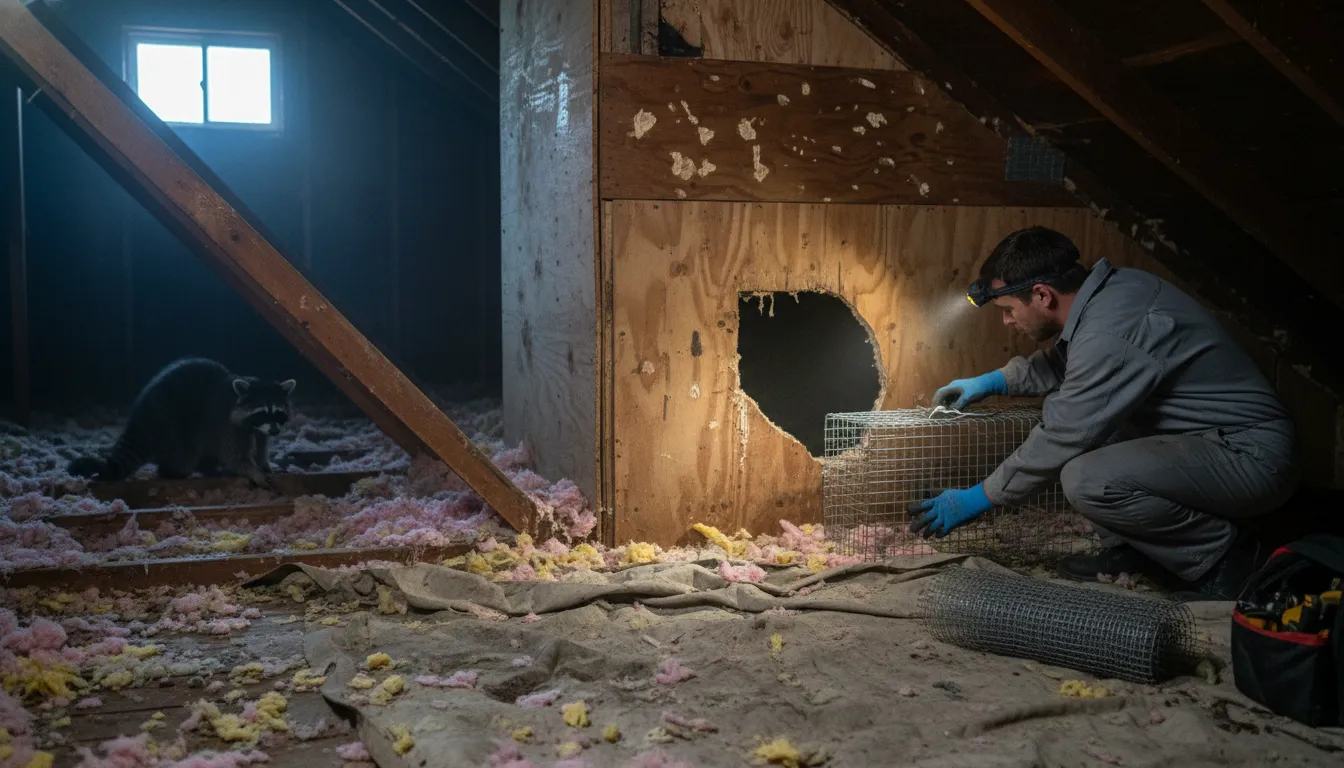
Discovering an uninvited animal in your attic, crawlspace, or yard can be unsettling and pose real risks to your property and health. Professional wildlife removal is the safe and legal process of humanely evicting nuisance animals and preventing their return. This guide explains the common wildlife issues in Marysville, outlines your legal options, and helps you understand when to handle a situation yourself and when to call in a certified expert for humane animal control and exclusion services.
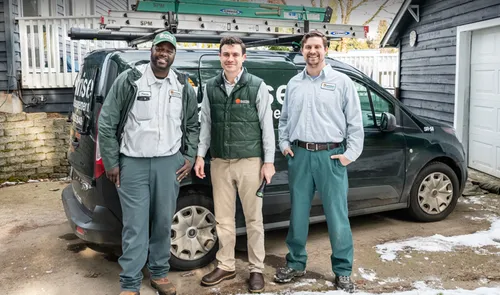
Sunrise Pest & Turf Management | Bellevue, WA
1840 130th Ave NE #13th, Bellevue, WA 98005
Sunrise Pest & Turf Management | Bellevue, WA has been providing pest control and lawn care services in Seattle, WA and the surrounding areas since 1978. They offer comprehensive pest management solutions for ants, rodents, wasps, termites, and moles, as well as lawn care treatments including fertilization, weed control, aeration, and disease management. Their commercial services cater to retail, industrial, and HOA properties. The company is affiliated with WSPMA and has an A+ rating from the BBB. Customers can speak directly with licensed technicians during business hours for straightforward quotes and scheduling.
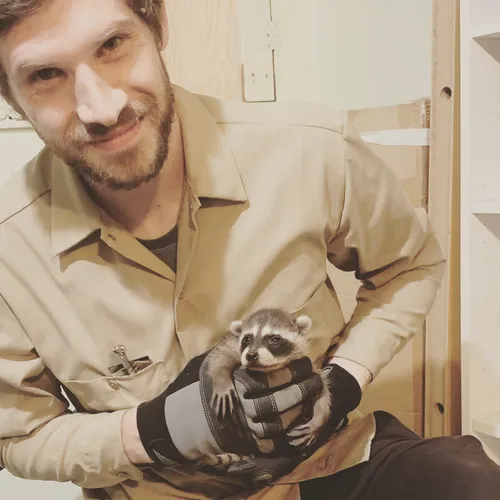
Wildlife Advocates - Humane Wildlife Control and Removal
3004 NW 89th St, Seattle, WA 98117
Wildlife Advocates - Humane Wildlife Control and Removal is based in Seattle, WA, providing humane solutions for nuisance wildlife problems. They specialize in identifying entry points, humanely excluding wildlife such as squirrels, rats, and birds, and making permanent repairs to prevent future invasions. Their approach takes into account seasonal behaviors to avoid separating mothers from young. The company is licensed, bonded, and insured, focusing on long-term wildlife control and removal.
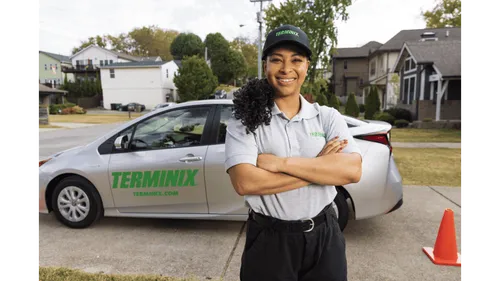
Terminix
11822 N Creek Pkwy N #103, Bothell, WA 98011
Terminix provides pest control services in Seattle, WA, addressing common local pests such as bed bugs, rodents, termites, ants, cockroaches, wasps, and spiders. The company offers comprehensive interior and exterior inspections and treatments, including specialized termite control with continuous protection systems. Their technicians are familiar with the area's pest challenges and backed by a nationwide network of expertise. Terminix also offers pest prevention plans covering a wide range of household pests and guarantees follow-up treatments if pests return. The company has served the community for over a decade, maintaining ongoing pest management and damage repair guarantees.
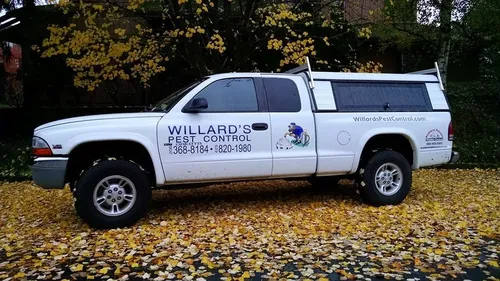
Willard's Pest Control
13609 NE 126th Pl #150, Kirkland, WA 98034
Willard's Pest Control is a locally owned company serving Seattle, WA, and surrounding areas including Bellevue and Kirkland. They specialize in residential and commercial pest control, wildlife removal, and crawl space and attic cleanouts. Their services cover a wide range of pests such as rodents, ants, bees, wasps, roaches, bed bugs, and more. Established in 1987, the company emphasizes safe and eco-friendly pest management without relying on harmful chemicals. They also provide mold remediation and humane animal control services, working extensively with property managers to protect apartment and condominium complexes.
Common Nuisance Wildlife in Marysville
The Pacific Northwest is rich with wildlife, and Marysville's mix of residential areas, green spaces, and waterways makes it attractive to many species seeking food and shelter. Understanding which animals are likely causing problems is the first step.
- Raccoons: These intelligent, dexterous mammals are common culprits for tearing into attic vents, soffits, and crawlspace accesses. They are primary rabies vectors in Washington, making any encounter a potential health risk. Their droppings can also harbor dangerous parasites.
- Squirrels: Both Eastern gray squirrels and fox squirrels are prolific chewers. They can gnaw on electrical wiring, insulation, and structural wood to enter attics, often causing fire hazards and significant damage.
- Rodents: This category includes roof rats, Norway rats, and house mice. They contaminate food stores with droppings and urine, chew constantly to keep their teeth short, and can squeeze through incredibly small gaps.
- Bats: Small colonies may roost in attics or wall voids. While beneficial for insect control, their accumulated guano (droppings) can grow hazardous fungi, and they are a rabies vector species. Special care and often specific permits are required for their removal.
- Other Mammals: You may also encounter opossums, moles, shrews, or even beavers near wetland areas.
- Birds: Pigeons, starlings, and house sparrows often nest in building eaves, vents, and attics. Their nests can block ventilation, and their droppings are corrosive and unsanitary. Notably, house sparrows and starlings are not protected by federal law and can be managed without a permit in certain situations.
Washington State Laws and Regulations
Wildlife management in Marysville is strictly governed by Washington State law. It is crucial to understand these regulations to avoid illegal actions and significant fines.
The Key Agency: Washington Department of Fish and Wildlife (WDFW) The WDFW sets the rules for all nuisance wildlife situations. A fundamental rule is that it is generally illegal for homeowners to trap and relocate most wild animals without a special permit 1 2. Relocation can spread disease, doom the animal to starvation in unfamiliar territory, and is not considered a humane solution by the state.
The Professional Solution: Wildlife Control Operators (WCOs) For humane and legal removal, you should contact a WDFW-certified Wildlife Control Operator (WCO). These licensed professionals are trained in species-specific behavior, exclusion techniques, and state regulations. They are legally authorized to trap animals when necessary and will follow WDFW protocols for euthanasia or release, depending on the species and situation.
Local Marysville Resources
- Marysville Animal Control: This local department primarily handles domestic animals (stray dogs and cats). While they may offer advice on wildlife, they typically do not perform removals. The city's municipal code notes that if Animal Control does impound an animal, fees may apply 3.
- Code Enforcement: For situations where a property owner's neglected wildlife issue becomes a public health nuisance (like a severe infestation affecting neighbors), the city's code enforcement may become involved under public nuisance ordinances 4.
When to Call a Professional Wildlife Removal Service
While some minor prevention can be a DIY project, certain scenarios absolutely require professional intervention for safety, legal, and practical reasons.
- Health and Safety Risks: If you suspect rabies (e.g., a raccoon acting disoriented or aggressive), encounter large accumulations of droppings (especially from bats or rodents), or find a dead animal in an inaccessible space, professionals have the training and protective equipment to handle the hazard 5.
- The Animal is Inside a Living Space: An animal trapped inside a wall, chimney, or living area is stressed and potentially dangerous. A WCO has the tools and expertise to remove it safely.
- Presence of Young Animals: If you hear chirping or crying in your attic in the spring, mothers may have given birth inside. Improper exclusion can trap and orphan the young, which is inhumane and creates a worse odor problem. Professionals know how to handle these family units.
- When DIY Methods Fail: If you've sealed entry points but the animal keeps getting in, or if non-lethal deterrents haven't worked, a professional can identify the failure points you've missed.
- The Need for Permanent Exclusion: Simply removing the animal is only half the battle. A professional service will find and seal all potential entry points with durable materials to prevent re-entry, which is a specialized skill.
Find the perfect wildlife removal companies for your needs
Get personalized recommendations and expert advice
Prevention and DIY Exclusion Tips
Taking proactive steps can make your property less inviting to wildlife and is the most effective long-term strategy.
- Inspect and Seal Entry Points: Conduct seasonal inspections of your home's exterior. Look for gaps in siding, loose roof vents, damaged soffits, and holes where utilities enter. Use high-quality materials like hardware cloth, steel wool (for rodents), and metal flashing to seal any openings larger than a quarter-inch 6.
- Manage Food Sources: Secure your trash cans with tight-fitting lids or bungee cords. Do not leave pet food outdoors overnight. Pick up fallen fruit from trees and keep barbecue grills clean. Compost bins should be animal-proof 7.
- Modify Habitat: Trim tree branches back at least 6-10 feet from your roofline to limit access for squirrels and raccoons. Keep woodpiles and dense shrubbery away from the home's foundation.
- Use Exclusion Devices Carefully: For certain animals like squirrels, a professional may install a one-way exclusion door over the main entry hole. This allows animals to leave but not re-enter. Crucially, this should only be done when you are certain no young are trapped inside 8.
- Bird-Specific Deterrents: For nuisance birds like pigeons, physical barriers are most effective. Install bird spikes on ledges and rafters, or use bird netting to block access to larger areas like eaves or garden spaces 9.
What to Expect from Professional Services & Costs
Hiring a WCO involves a process designed to solve the problem permanently. Costs are not standardized and vary by company, the severity of the infestation, and the type of animal.
Typical Service Process:
- Inspection and Assessment: The WCO will perform a thorough inspection to identify the species, entry points, damage, and the extent of the infestation.
- Humane Removal: Using species-appropriate methods, they will remove the animals. This could involve live trapping, one-way doors, or hands-on extraction.
- Exclusion and Repair: This is the critical, permanent step. The WCO will seal all identified entry points with durable materials and may repair damage caused by the animals (e.g., chewed vents, torn insulation).
- Clean-up and Sanitation: For areas contaminated with droppings or urine, professionals can provide biohazard cleaning and deodorization to eliminate health risks and smells.
Understanding Costs: Fees are set by individual private operators 10 11. You can generally expect:
- Initial Inspection/Assessment: Often has a fee, sometimes applied toward the total service cost.
- Removal Service: Can range significantly based on the animal and complexity.
- Exclusion and Repairs: This is typically the most substantial cost, as it is labor and materials-intensive. Full attic or crawlspace exclusion can range from several hundred to over a thousand dollars 12.
- Additional Services: Clean-up, odor removal, and insulation replacement are usually extra.
- Permit Fees: If a special trapping permit from WDFW is required, there may be an associated application fee 13.
Always request a detailed, written estimate that breaks down inspection, removal, exclusion, repairs, and any potential additional charges before work begins.
Frequently asked questions
Sources
Footnotes
-
Who's legally allowed to trap, release wildlife in WA state? - https://www.tri-cityherald.com/news/state/washington/article275239546.html ↩
-
Trapping nuisance wildlife | Washington Department of Fish & Wildlife - https://wdfw.wa.gov/species-habitats/living/nuisance-wildlife/trapping ↩
-
FAQs • Animals - Marysville, WA - https://marysvillewa.gov/faq.aspx?TID=22 ↩
-
Chapter 6.24 PUBLIC NUISANCES - Marysville - General Code - https://www.codepublishing.com/WA/Marysville/html/Marysville06/Marysville0624.html ↩
-
Dispatch Nuisance Animals - Pest Control Northwest - https://pestcontrolnorthwest.com/dispatch-nuisance-animals/ ↩
-
Western Mass Wildlife Removal - https://wmwildliferemoval.com/blog/legal-regulations-when-dealing-with-problem-wildlife ↩
-
animal removal Archives - https://www.callnorthwest.com/tag/animal-removal/ ↩
-
Evicting animals from buildings | Washington Department of ... - https://wdfw.wa.gov/species-habitats/living/nuisance-wildlife/evicting ↩
-
Nuisance wildlife | Washington Department of Fish & Wildlife - https://wdfw.wa.gov/species-habitats/living/nuisance-wildlife ↩
-
Hiring a Wildlife Control Operator | Washington Department of Fish & ... - https://wdfw.wa.gov/species-habitats/living/nuisance-wildlife/wildlife-control-operators ↩
-
Chapter 10.04 ANIMAL CONTROL - Marysville - General Code - https://www.codepublishing.com/WA/Marysville/html/Marysville10/Marysville1004.html ↩
-
Marysville Wildlife Control, Animal Trapping & Removal - http://www.seattlepestwildlife.com/Marysville.html ↩
-
Special trapping permit for a nuisance wildlife problem | Washington ... - https://wdfw.wa.gov/licenses/hunting/trapping ↩