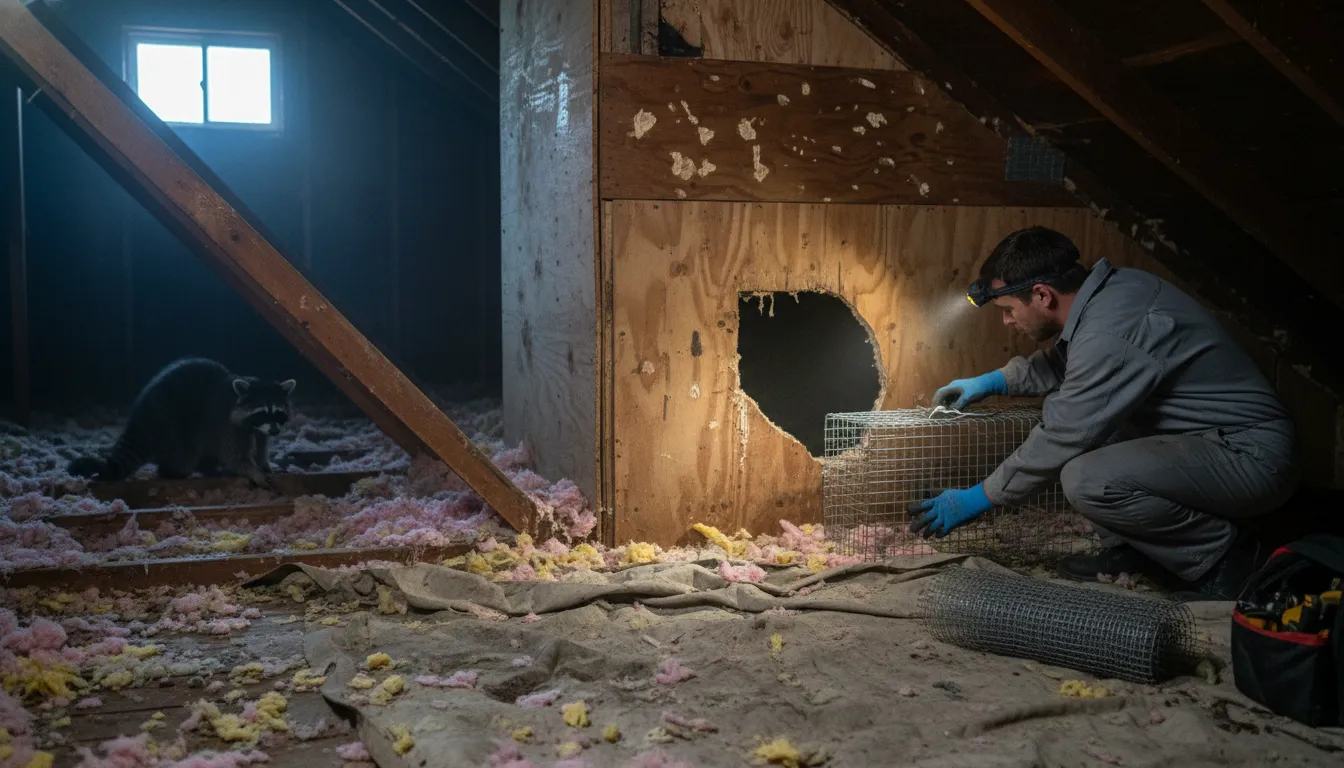
Find the Best Wildlife Removal Companies for Your Business
No obligation • Fast responses • Nationwide coverage

Why you can trust Pest Crews
Pest Crews is a leading U.S. resource for finding and evaluating residential and commercial pest control services. Our team researches providers, reviews treatment approaches, and organizes unbiased information to help you make informed decisions. Companies cannot pay to change our editorial content or influence how they appear.
Search providers near you
Top Wildlife Removal Companies in Renton, Washington Ranked
Living in Renton means enjoying the natural beauty of the Pacific Northwest, but sometimes that wildlife gets a little too close for comfort. Wildlife removal is the process of safely and legally evicting nuisance animals from your home or property and implementing measures to prevent their return. It's essential for protecting your property from damage and your family from potential health risks. This guide will help you understand the local regulations, common pests, and how to connect with certified professionals who can resolve your specific wildlife issue.
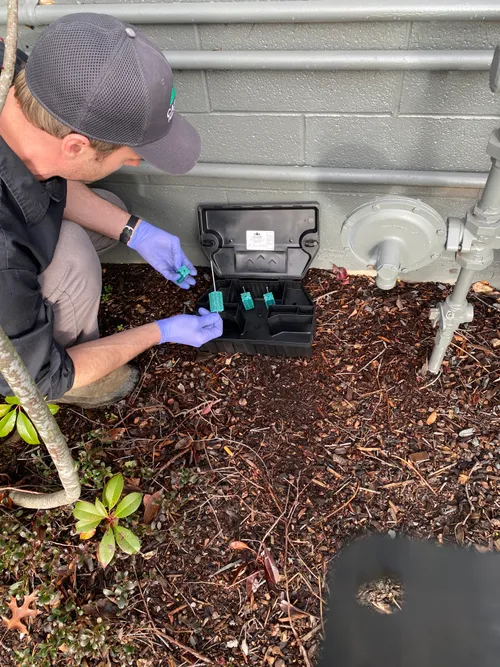
Cascade Pest Control
1420 5th Ave Suite 2260, Seattle, WA 98101
Cascade Pest Control is a family-owned pest control company serving Seattle, WA, and nearby areas. Established in 1979, they specialize in environmentally safe pest and rodent control services tailored to the unique needs of homes and businesses in the region. Their licensed technicians provide comprehensive inspections and treatments for common Seattle pests such as ants, spiders, rodents, termites, and wasps. Cascade Pest Control offers rodent removal and prevention, including damage remediation and exclusion services, along with ongoing pest prevention maintenance programs to protect properties year-round.
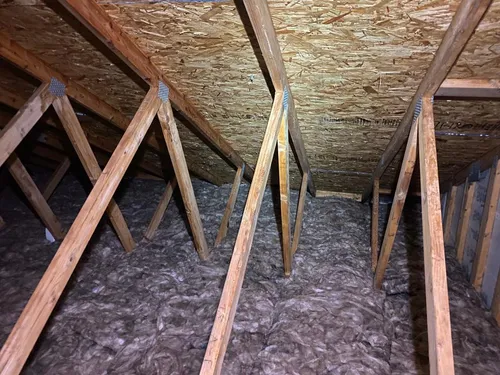
Insulation Co
1420 E Pine St, Seattle, WA 98122
Insulation Co is a Seattle, WA-based company specializing in attic and crawl space services. Their offerings include insulation installation and removal, mold remediation, ventilation improvements, and rodent proofing and clean-up. They also provide sump pump installation and drainage solutions. The company focuses on improving energy efficiency and indoor air quality through services like duct sealing and insulation. Insulation Co also handles rodent and pest exclusion with humane removal and sanitization. Their expertise includes mold removal and moisture control to maintain healthy living spaces.
Insight Pest Solutions
3635 S Cedar St Suite F, Tacoma, WA 98409
Insight Pest Solutions is a pest control company based in Tacoma, WA, specializing in the removal of ants, spiders, rodents, and other wildlife. They offer comprehensive pest control services including inspections and treatments to prevent and address infestations. Their team of certified local exterminators uses methods they trust in their own homes to ensure effective and safe pest management.

PURCOR Pest Solutions
450 Alaskan Way S Ste: 200-269, Seattle, WA 98104
PURCOR Pest Solutions provides pest and termite control services in Seattle, WA. They manage a variety of pests including ants, mice, spiders, roaches, rodents, and seasonal invaders for both homes and businesses. Their services include pest prevention, rodent removal, termite inspections, and wildlife cleanup, with a focus on minimizing environmental impact. PURCOR is locally managed and committed to serving the Seattle community with expert pest control solutions.
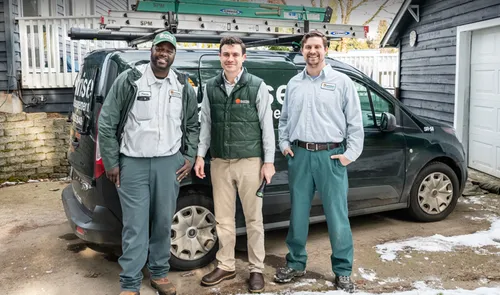
Sunrise Pest & Turf Management | Bellevue, WA
1840 130th Ave NE #13th, Bellevue, WA 98005
Sunrise Pest & Turf Management | Bellevue, WA has been providing pest control and lawn care services in Seattle, WA and the surrounding areas since 1978. They offer comprehensive pest management solutions for ants, rodents, wasps, termites, and moles, as well as lawn care treatments including fertilization, weed control, aeration, and disease management. Their commercial services cater to retail, industrial, and HOA properties. The company is affiliated with WSPMA and has an A+ rating from the BBB. Customers can speak directly with licensed technicians during business hours for straightforward quotes and scheduling.
Understanding Nuisance Wildlife in Renton
Renton's proximity to forests, rivers, and greenbelts makes it a haven for a variety of animals. While seeing a raccoon or hearing squirrels in the trees is part of the local charm, these creatures can become problematic when they decide your attic is a perfect den or your garden is an all-you-can-eat buffet. Nuisance wildlife is typically defined as any wild animal that causes property damage, poses a health risk, or becomes a persistent annoyance.
In Washington state, the management of these animals is carefully regulated to balance human needs with wildlife conservation. The key is understanding that not all animal control is the same. Renton Animal Control primarily handles domestic animals, such as stray dogs and cats, as well as reports of sick or injured wildlife. 1 For proactive animal control involving healthy wild animals causing damage, the Washington Department of Fish & Wildlife (WDFW) is the governing authority.
Common Wildlife Pests in the Renton Area
Identifying your uninvited guest is the first critical step toward a solution. Different species require different removal strategies and are subject to specific state laws.
- Raccoons: These intelligent, dexterous mammals are common culprits for attic invasions. They tear up insulation, contaminate spaces with droppings, and can carry diseases like rabies and raccoon roundworm. 2
- Rodents: This category includes roof rats, Norway rats, mice, and squirrels. They chew on wires (a fire hazard), wood, and pipes, and their constant gnawing and nesting can cause significant structural damage over time.
- Opossums & Skunks: Often seeking shelter under decks, sheds, or in crawl spaces, these animals can create strong odors and dig up lawns in search of grubs.
- Bats: While beneficial for insect control, bats can roost in attics or wall voids. Their guano (droppings) can pose serious respiratory health risks, and their removal is highly regulated due to their protected status in some cases. 3
- Larger Mammals: Though less common in dense residential areas, coyotes, black bears, and even cougars can pass through Renton, especially in neighborhoods bordering wildlands. These animals require immediate professional and official attention if they threaten human safety. 4
Look for signs like noises (scratching, scurrying) in walls or ceilings at dawn/dusk, visible entry holes, droppings, tracks, or distinctive damage to gardens, siding, or roofing.
What Renton Residents Can (and Cannot) Do
Washington state has clear laws designed to prevent the inhumane treatment of animals and the spread of disease through relocation. As a homeowner, you have several options for DIY deterrents, but significant restrictions apply to trapping.
Legal and Effective DIY Strategies: The most effective long-term solution is prevention, often called exclusion. 5
- Secure Your Home: Conduct a thorough inspection of your home's exterior. Seal any cracks, holes, or gaps larger than a quarter-inch, especially around rooflines, vents, and foundations. Install chimney caps and secure crawl space vents with heavy-gauge mesh. 6
- Remove Attractants: Keep trash cans sealed with locking lids. Store pet food indoors. Clean up fallen fruit from trees and bird seed from feeders. Trim tree branches that overhang your roof. 7
- Use Non-Lethal Deterrents: For animals already in an accessible space like a shed, you can use tactics like bright lights, loud radios, or ammonia-soaked rags (for raccoons) to encourage them to leave. One-way exclusion doors, which allow animals to exit but not re-enter, can be effective but must be used correctly and legally. 8
Critical Trapping and Relocation Laws: It is generally illegal for anyone without a specific permit or certification to trap and relocate a wild animal in Washington state. 9 10 This law exists because relocated animals often struggle to survive, can spread disease to new areas, and simply move the problem to another neighborhood. If you choose to trap an animal on your property, you are legally responsible for its disposition. The WDFW states that a trapped animal must be humanely euthanized in accordance with American Veterinary Medical Association (AVMA) guidelines; methods like drowning or live burial are prohibited. 11 12 Given these complexities and ethical considerations, trapping is best left as a last resort and often handled by a professional.
When to Call the Professionals
For many wildlife conflicts, hiring a certified Wildlife Control Operator (WCO) is the safest, most effective, and legally compliant path forward. 13
Consider professional wildlife control services in these situations:
- The animal is inside your living spaces, walls, or attic.
- You suspect there is a nest with young animals present. Removing adults while leaving babies behind creates an inhumane situation and a bigger odor problem. 14
- The animal is large, potentially dangerous (like a cornered raccoon or a bat), or you cannot identify it safely.
- DIY methods have failed, and the problem persists.
- There is significant damage or contamination (feces, urine) that requires cleanup and sanitization.
- You need permanent exclusion work to seal the home and prevent future entry.
Find the perfect wildlife removal companies for your needs
Get personalized recommendations and expert advice
How Wildlife Removal Services Work
A professional WCO follows a systematic process to ensure the problem is solved completely and humanely.
- Inspection and Assessment: The operator will conduct a thorough inspection of your property to identify the species, locate all entry points, and assess the extent of the damage and contamination.
- Humane Removal: Using methods approved by the WDFW, the operator will remove the animals. This may involve live trapping, one-way doors, or hands-on extraction, depending on the situation and species. 15 16
- Exclusion and Repair: This is the most critical step for a permanent solution. The professional will seal all identified entry points with durable materials like steel mesh, hardware cloth, or specialized seals to prevent re-entry.
- Cleanup and Sanitization: If necessary, the service will remove contaminated insulation, droppings, and nesting materials. They will then apply enzymatic cleaners and disinfectants to eliminate odors and health hazards. 17
- Restoration: Some companies offer repair services for damaged wood, siding, insulation, or wiring caused by the wildlife.
Understanding Costs for Wildlife Control
Because Wildlife Control Operators are private businesses, costs vary. There is no standard fee, and pricing depends on several factors: 18 19
- Type of Animal: Removal of a colony of bats or a family of raccoons is typically more involved and costly than removing a single squirrel.
- Location of Infestation: Animals in a hard-to-access attic or deep within a crawl space may require more labor to remove.
- Extent of Damage: The need for major exclusion work, insulation replacement, or decontamination will increase the overall cost.
- Time and Materials: The number of traps needed, the complexity of the exclusion work, and the cost of repair materials all factor in.
Most companies provide free or low-cost inspections and quotes. The initial removal fee is often separate from the cost of exclusion and repair work, which is an investment in preventing future problems. For accurate pricing, you must contact local WDFW-certified operators serving Renton. 20 21
Navigating Local Regulations and Contacts
Knowing who to call saves time and ensures you get the right help.
- For Nuisance Wildlife (Healthy animals causing damage): Contact the Washington Department of Fish & Wildlife (WDFW) at 425-775-1311 for guidance and a list of certified Wildlife Control Operators. 22 23
- For Renton Animal Control (Sick/injured wildlife, domestic animals): Contact the City of Renton's Animal Control services for issues like a sick raccoon in your yard, a loose dog, or animal noise complaints. 24 25
- For Immediate Danger (Aggressive bear, cougar in yard): If a large wild animal is actively threatening human safety, call 911.
The WDFW maintains an official list of certified Wildlife Control Operators who have completed state training on laws, ethics, and best practices. Hiring from this list ensures the professional understands Washington's specific legal requirements.
Frequently asked questions
Sources
Footnotes
-
Animal Control - https://www.rentonwa.gov/City-Services/Animal-Control-and-Licenses ↩
-
Vancouver WA Wildlife Removal - https://www.crittercontrol.com/office-finder/washington/critter-control-of-portland/ ↩
-
Nuisance wildlife | Washington Department of Fish & Wildlife - https://wdfw.wa.gov/species-habitats/living/nuisance-wildlife ↩
-
Dangerous wildlife | Washington Department of Fish & Wildlife - https://wdfw.wa.gov/species-habitats/living/dangerous-wildlife ↩
-
Resolving Human-Nuisance Wildlife Conflicts | CAES Field Report - https://fieldreport.caes.uga.edu/publications/B1248/resolving-human-nuisance-wildlife-conflicts/ ↩
-
Evicting animals from buildings | Washington Department of Fish & ... - https://wdfw.wa.gov/species-habitats/living/nuisance-wildlife/evicting ↩
-
Nuisance Wildlife? Best 11 Tips To Deal With Wildlife Issues - https://alphawildlife.com/nuisance-wildlife/ ↩
-
Who's legally allowed to trap, release wildlife in WA state? - https://www.tri-cityherald.com/news/state/washington/article275239546.html ↩
-
Wildlife control operator classes and FAQ | Washington Department ... - https://wdfw.wa.gov/species-habitats/living/nuisance-wildlife/wildlife-control-operators/faq ↩
-
Trapping nuisance wildlife | Washington Department of Fish & ... - https://wdfw.wa.gov/species-habitats/living/nuisance-wildlife/trapping ↩
-
Trapping nuisance wildlife | Washington Department of Fish ... - https://wdfw.wa.gov/species-habitats/living/nuisance-wildlife/trapping ↩
-
What Is Wildlife Removal And Why Is It Essential? - https://www.summitwildliferemoval.com/about-us/blog/what-is-wildlife-removal-and-why-is-it-essential/ ↩
-
Western Mass Wildlife Removal - https://wmwildliferemoval.com/blog/if-you-have-baby-animals-on-your-property ↩
-
Evicting animals from buildings | Washington Department of ... - https://wdfw.wa.gov/species-habitats/living/nuisance-wildlife/evicting ↩
-
Evicting animals from buildings | Washington Department of Fish & ... - https://wdfw.wa.gov/species-habitats/living/nuisance-wildlife/evicting ↩
-
Nuisance wildlife | Washington Department of Fish & Wildlife - https://wdfw.wa.gov/species-habitats/living/nuisance-wildlife ↩
-
Hiring a Wildlife Control Operator | Washington Department of Fish & ... - https://wdfw.wa.gov/species-habitats/living/nuisance-wildlife/wildlife-control-operators ↩
-
Renton Wildlife Removal, Pest Animal Control WA - http://www.wildlife-removal.com/city/WA-Renton.htm ↩
-
Hiring a Wildlife Control Operator | Washington Department of ... - https://wdfw.wa.gov/species-habitats/living/nuisance-wildlife/wildlife-control-operators ↩
-
DNR: Customer Service Center & FAQs - https://www.in.gov/dnr/contact-us/customer-service-center/ ↩
-
Animal control response - King County, Washington - https://kingcounty.gov/en/dept/executive-services/animals-pets-pests/regional-animal-services/animal-control-response ↩
-
Animal control response - King County, Washington - https://kingcounty.gov/en/dept/executive-services/animals-pets-pests/regional-animal-services/animal-control-response ↩
-
Animal Control - https://www.rentonwa.gov/City-Services/Animal-Control-and-Licenses ↩
-
Animal Control - https://www.rentonwa.gov/City-Services/Animal-Control-and-Licenses ↩