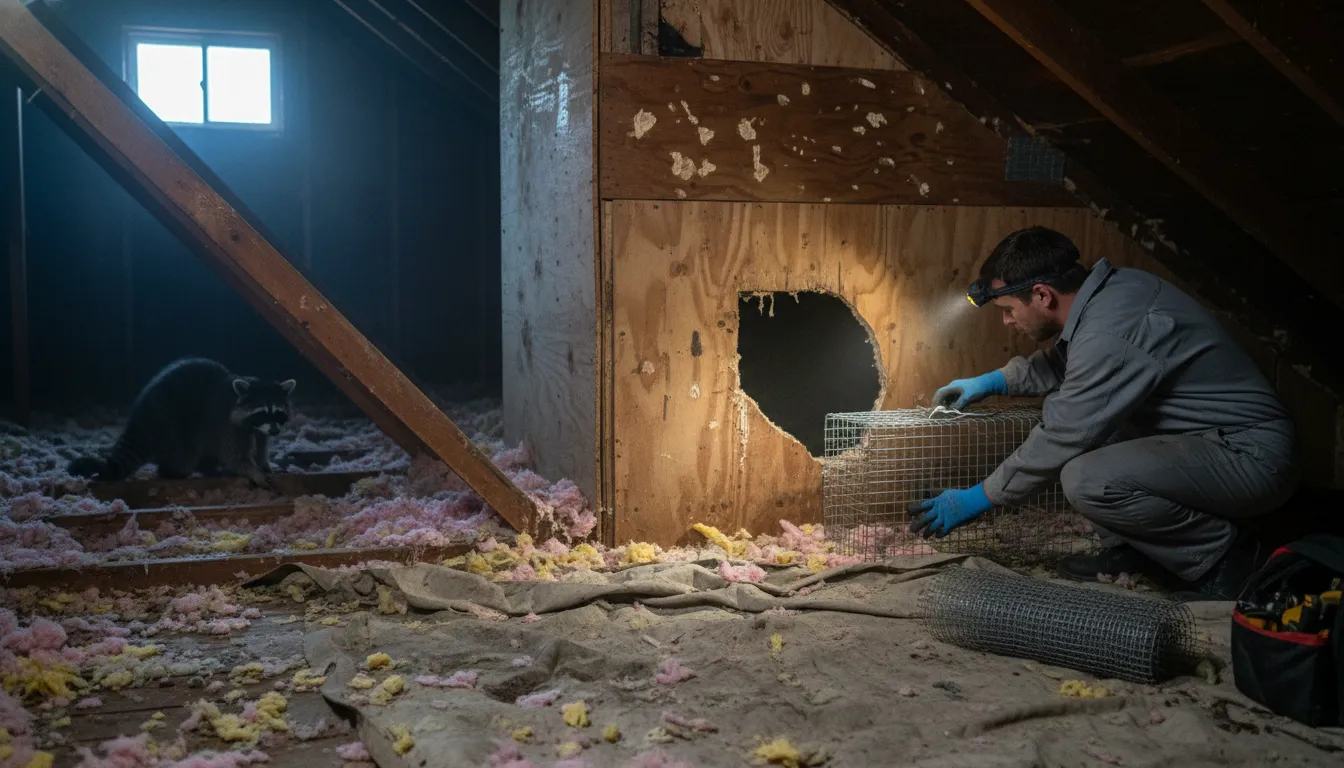
Find the Best Wildlife Removal Companies for Your Business
No obligation • Fast responses • Nationwide coverage

Why you can trust Pest Crews
Pest Crews is a leading U.S. resource for finding and evaluating residential and commercial pest control services. Our team researches providers, reviews treatment approaches, and organizes unbiased information to help you make informed decisions. Companies cannot pay to change our editorial content or influence how they appear.
Search providers near you
Best Wildlife Removal Companies in California Ranked
When wild animals like raccoons, skunks, or rodents move into your attic, crawl space, or yard, they can cause significant property damage and pose health risks. Wildlife removal in California is a specialized service focused on humanely resolving conflicts with nuisance animals, guided by a complex set of state regulations. This resource helps California homeowners and property managers understand their options, the relevant laws, and how to connect with licensed professionals who can safely and legally address wildlife intrusions.
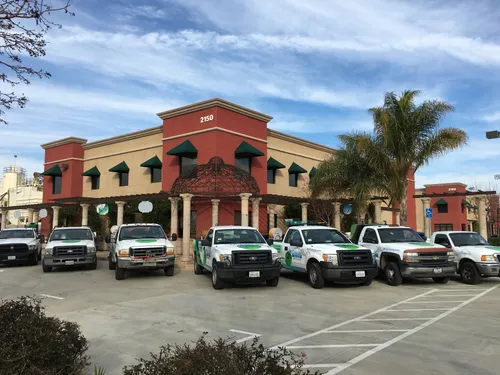
McCauley Agricultural & Pest Control
2150 Elkins Way Ste 205, Brentwood, CA 94513
McCauley Agricultural & Pest Control is a family-owned pest control company based near Oakland, CA, serving residential, commercial, and agricultural clients throughout the East Bay Area and Central Valley. They provide a range of services including termite inspection and control, wildlife removal, weed abatement, turf care, and ornamental plant services. With over 35 years of combined experience, McCauley uses advanced and eco-friendly materials to address pest and plant health issues.
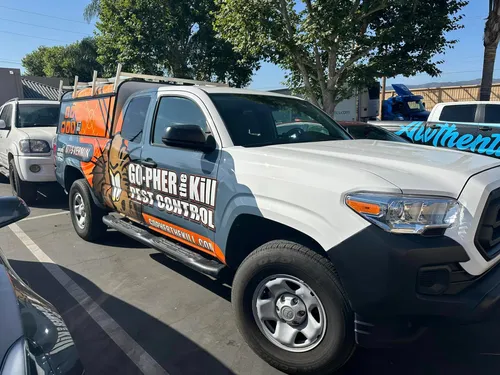
Go-Pher The Kill Pest Control Riverside
9880 Indiana Ave STE 23, Riverside, CA 92503
Go-Pher The Kill Pest Control Riverside offers pest and wildlife removal services in Riverside, CA. The company specializes in gopher control but also handles ants, roaches, spiders, rodents, and other pests for residential, commercial, and agricultural properties. They provide thorough pest inspections and ongoing protection to keep properties pest-free. Known for their expertise in gopher trapping and removal, Go-Pher The Kill has been serving the Riverside area for over seven years. Their licensed and insured team is committed to customer satisfaction with a guarantee to re-treat or refund if problems persist.

Advanced Integrated Pest Management
205 Kenroy Ln, Roseville, CA 95678
Advanced Integrated Pest Management provides pest control services in Sacramento, CA, and surrounding communities including Rocklin, Antelope, and Auburn. They offer treatments for a wide range of pests such as ants, rodents, cockroaches, bed bugs, termites, mosquitoes, and wildlife. Their services cover both residential and commercial properties, focusing on prevention and effective extermination. Advanced IPM is known for its comprehensive pest management approach in the Roseville area.
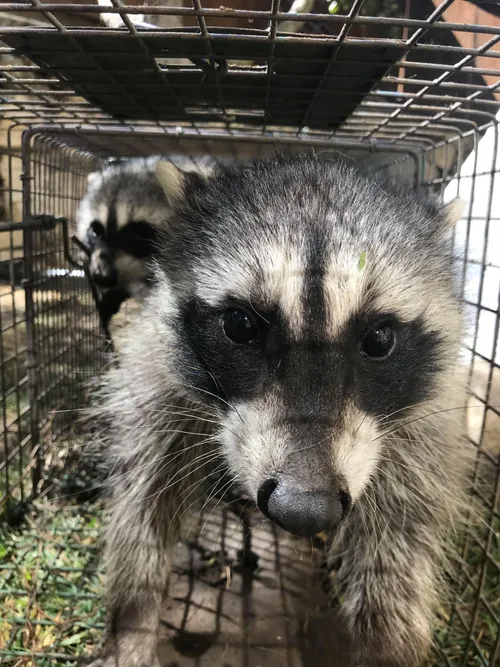
Orchard Inc.
Los Angeles, CA
Orchard Inc. is a pest control company based in Los Angeles, CA, specializing in rodent, bird, and wildlife removal services for both residential and commercial properties. They use humane methods and combine modern techniques with proven approaches to manage infestations while respecting natural ecosystems. Orchard Inc. also offers wildlife fencing as a preventative measure to keep animals off properties. The company serves Los Angeles County and Orange County, handling a wide range of pest control needs with a focus on bird and rodent solutions.
Valora Pest Control
1626 7th St #112, Sanger, CA 93657
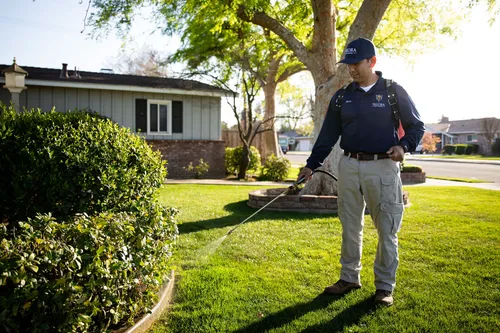
Valora Pest Control is a locally owned pest control company based in Fresno, CA, offering services to Fresno and Madera Counties. They provide comprehensive pest management solutions including bed bug treatment, cockroach and ant control, rodent management, termite inspections, mosquito control, bee and wasp removal, and wildlife removal for both residential and commercial properties. Valora Pest Control uses family- and pet-friendly products and offers year-round protection with flexible service schedules tailored to customer needs. Their technicians are certified and trained to deliver safe and effective treatments. The company emphasizes transparency with detailed service documentation and pricing. They also provide 24/7 protection, ensuring pest control coverage every day of the year.
Understanding California's Wildlife Control Philosophy
California's approach to managing human-wildlife conflicts is distinct, with a strong emphasis on coexistence and non-lethal solutions. The California Department of Fish and Wildlife (CDFW) generally recommends modifying the environment to make it less attractive to wildlife as the first line of defense. This philosophy is embedded in state regulations, which prioritize exclusion and habitat modification over trapping and removal.
The core principle is that simply removing an animal without addressing the reason it arrived-such as accessible food, water, or shelter-will only create a vacancy for another animal to fill. Effective, long-term wildlife control involves an integrated strategy: identifying and sealing entry points (exclusion), removing attractants like pet food or unsecured garbage, and then, if necessary, humanely dealing with the animals already inside.
Key State Laws and Regulations
Navigating wildlife removal in California requires an understanding of specific state laws designed to protect both animals and property owners.
The Non-Lethal First Mandate State guidelines and many local ordinances require that non-lethal methods be attempted first when dealing with nuisance wildlife. This includes using deterrents, modifying habitats, and implementing exclusion techniques before resorting to trapping 1.
The Relocation Prohibition A critical rule that surprises many residents is California's general prohibition on the relocation of trapped wildlife 2. Trapped animals, particularly furbearing mammals, must be released on the property where they were captured or humanely euthanized. This law exists to prevent the spread of disease, reduce stress on relocated animals unfamiliar with new territories, and avoid simply transferring a problem to another community.
Permit Requirements for Protected Species For many common nuisance animals, a property owner or tenant can address the issue directly or hire a professional. However, specific species are protected and require a depredation permit from the CDFW before they can be lethally removed, even if they are causing property damage 3 4. These species include:
Fully Protected and Endangered Species Species listed as "Fully Protected" under California law or as threatened/endangered under the California Endangered Species Act (CESA) receive the highest level of protection 7 8. It is illegal to "take" (harm, harass, possess) these animals without specific, rare authorization from the CDFW, typically granted only for scientific or recovery purposes. Examples include the California condor, bighorn sheep, and certain foxes and kangaroo rats 9 10.
Prohibited Control Methods California law strictly prohibits certain control methods for private wildlife removal:
- Leg-Hold Traps: The use of steel-jawed leg-hold traps is banned for private use, with exceptions only for government agencies addressing public health and safety threats 11 12.
- Poison: The use of most poisons for wild mammal control is heavily restricted and generally illegal without specific permits, due to risks to non-target animals, pets, and children 13.
Common Nuisance Wildlife in California
Different animals present unique challenges and are governed by different rules.
Animals Often Requiring Professional Help or Permits:
- Raccoons, Skunks & Opossums: While these animals can often be trapped by a homeowner or professional, a CDFW trapping license is required for anyone trapping them for hire. Relocation is illegal, so professionals must euthanize or release on-site 14 15.
- Rodents (Rats, Mice, Squirrels, Gophers): These are typically classified as nongame mammals causing damage and may be taken at any time by the property owner 16 17. However, large-scale infestations, especially of tree squirrels or ground squirrels, often require professional exclusion and control plans.
- Coyotes: Considered a nongame animal, coyotes may be taken at any time by a property owner if they are causing damage to livestock or property 18 19. However, hazing and exclusion are strongly recommended first steps in urban and suburban areas.
- Bats: All bats in California are protected. It is illegal to kill them. Exclusion work must be done very carefully, often outside of maternity seasons (typically late summer through fall), and usually requires a professional with specific knowledge 20.
Find the perfect wildlife removal companies for your needs
Get personalized recommendations and expert advice
The Role of Licensed Wildlife Control Operators
Given the complexity of the regulations, most homeowners and businesses turn to Licensed Wildlife Control Operators (LWCOs) or pest control professionals with wildlife endorsements. These professionals understand the legal landscape and possess the necessary tools and expertise.
What a Professional Provides:
- Inspection and Assessment: Identifying the species, entry points, and extent of the infestation.
- Legal Compliance: Knowing which species require permits and handling the process, and adhering to all trapping and euthanasia regulations.
- Humane Removal: Using approved, humane traps and techniques.
- Exclusion and Repair: Sealing entry points with durable materials (e.g., steel mesh, hardware cloth) to prevent re-entry. This is the most critical step for a permanent solution.
- Cleanup and Sanitation: Removing contaminated insulation, droppings, and nesting materials, and applying disinfectants to mitigate health hazards from parasites and diseases.
Cost of Wildlife Removal in California
Costs are highly variable and depend on the animal, the severity of the problem, your location, and the extent of necessary repairs 21 22.
- Inspection/Service Call: An initial assessment typically ranges from $150 to $300.
- Trapping and Removal (per animal): For common animals like raccoons or opossums, removing a single animal can cost between $200 and $500+. This often includes trap set-up and a per-animal fee 23 24.
- Exclusion Work: This is where costs can escalate but is essential for a long-term fix. Sealing a roof line, installing chimney caps, or securing a crawl space can range from several hundred to several thousand dollars, depending on the size of the home and number of entry points 25 26.
- Rodent Control: For widespread rat or mouse infestations, professionals often recommend a service plan. An initial clean-out and exclusion might cost $300 to $600, with ongoing monitoring visits costing $50 to $150 per month or quarter 27.
- Permit and License Costs: A resident trapping license from the CDFW costs approximately $15728. Depredation permit application fees for specific species are typically minimal, but the expertise to obtain and act on them is part of a professional's service cost.
DIY vs. Professional Wildlife Removal
When DIY Might Be Appropriate:
- For simple deterrents like securing trash cans, removing pet food, and using motion-activated sprinklers.
- For minor rodent issues where you can safely seal very small entry points (1/4 inch for mice, 1/2 inch for rats).
- For hazing coyotes or birds using noise and light, from a safe distance.
When to Hire a Professional:
- When dealing with larger animals (raccoons, skunks, bats) in attics or walls.
- If you suspect a mother with young are present (removing the mother can strand babies).
- When the animal is protected or may require a permit (e.g., bobcats, beavers).
- If you are not comfortable working on ladders, roofs, or in confined crawl spaces.
- When significant damage or exclusion work is needed.
- If you want to ensure the problem is solved humanely, legally, and permanently.
Preventing Wildlife Conflicts
The most effective and cost-efficient strategy is prevention. Key steps include:
- Secure Food Sources: Use locking lids on trash and compost bins. Feed pets indoors and never leave pet food outside overnight.
- Eliminate Shelter: Seal off openings under decks, porches, and sheds. Keep woodpiles and dense brush away from structures.
- Protect Vulnerable Areas: Install sturdy, professional-grade chimney caps and vent covers. Repair broken siding, roof vents, and soffits.
- Manage Landscaping: Trim tree branches that overhang or touch your roof. Keep ground vegetation trimmed back from foundations.
Frequently asked questions
Sources
Footnotes
-
Laws and Regulations - Humane Wildlife Control Inc - https://humanecontrol.com/laws-and-regulations/ ↩
-
Living with Wildlife - California Department of Fish and Wildlife - https://wildlife.ca.gov/Living-with-Wildlife ↩
-
Living with Wildlife - https://wildlife.ca.gov/Living-with-Wildlife ↩
-
WIR System User Guide (Depredation Permit Species) - https://nrm.dfg.ca.gov/FileHandler.ashx?DocumentID=195482 ↩
-
- Issuance of Permit to Take Animals Causing Damage. - https://govt.westlaw.com/calregs/Document/I12AB4760226911EF9E7395F55109E18A?viewType=FullText&originationContext=documenttoc&transitionType=CategoryPageItem&contextData=(sc.Default)
-
- Issuance of Permit to Take Animals Causing Damage. - https://govt.westlaw.com/calregs/Document/I12AB4760226911EF9E7395F55109E18A?viewType=FullText&originationContext=documenttoc&transitionType=CategoryPageItem&contextData=(sc.Default)
-
Fully Protected Animals - https://wildlife.ca.gov/Conservation/Fully-Protected ↩
-
California Endangered Species Act (CESA) Permits - https://wildlife.ca.gov/Conservation/CESA/Permitting ↩
-
ESA-Listed Species in California | U.S. Fish & Wildlife Service - https://www.fws.gov/story/2023-03/esa-listed-species-california ↩
-
California - Listed Species - https://ecos.fws.gov/ecp/report/species-listings-by-state?stateAbbrev=CA&stateName=California&statusCategory=Listed ↩
-
Animal trapping and control - Lacounty - https://file.lacounty.gov/SDSInter/acwm/235835_Trappingrequirementspaper.pdf ↩
-
California becomes first state to ban fur trapping after Gov. Newsom signs law - https://www.biologicaldiversity.org/news/media-archive/a2019/predatorprotection_latimes_9.4.19.pdf ↩
-
Carbon Monoxide for Burrowing Rodent Control: Regulation and Updated Questions and Answers - https://www.cdpr.ca.gov/cac-letter/carbon-monoxide-for-burrowing-rodent-control-regulation-and-updated-questions-and-answers/ ↩
-
Laws and Regulations - Humane Wildlife Control Inc - https://humanecontrol.com/laws-and-regulations/ ↩
-
Laws and Regulations - Humane Wildlife Control Inc - https://humanecontrol.com/laws-and-regulations/ ↩
-
Laws & Regulations - Humane Pest Control Inc - https://humanepestpro.com/?page_id=85 ↩
-
CALIFORNIA CODE OF REGULATIONS - https://nrm.dfg.ca.gov/FileHandler.ashx?DocumentID=216762&inline ↩
-
Indiana Administrative Code, Rule 3, Section 3-15 - Taking beavers, minks, muskrats, long-tailed weasels, red foxes, gray foxes, opossums, skunks, raccoons, squirrels, or mute swans on private property | Indiana Administrative Code | Justia - https://regulations.justia.com/states/indiana/title-312/article-9/rule-3/section-15/ ↩
-
The Commercial Property Manager's Guide to Pest Control Compliance - https://neusetermiteandpest.com/blog/the-commercial-property-managers-guide-to-pest-control-compliance ↩
-
Living With Urban Wildlife - San Francisco Animal Care and ... - https://www.sfanimalcare.org/living-with-urban-wildlife/ ↩
-
The Economic Impact Of Wildlife Intrusions On Home Maintenance - https://www.wildliferesolutions.net/the-economic-impact-of-wildlife-intrusions-on-home-maintenance ↩
-
Wildlife Control - MMPC - https://mandmpestcontrol.com/services/wildlife-control/ ↩
-
The Cost of Wildlife Removal: What You Need to Know - https://coastalwildlifeservices.com/cost-of-wildlife-removal/ ↩
-
Wildlife Control Pricing Guide - https://www.michiganwildlifesolutions.com/about/wildlife-control-pricing/ ↩
-
Animal in Attic Removal - https://www.crittercontrol.com/resources/animal-in-attic-removal/ ↩
-
Animal Exclusion | Wildlife Prevention Chester County, PA - https://www.seitzwildlife.com/wildlife-services/animal-exclusion/ ↩
-
How Much Does Pest Control Cost? Best Price Guide - https://florida-environmental.com/pest-control-cost/ ↩
-
Trapping License - California Department of Fish and Wildlife - https://wildlife.ca.gov/Licensing/Trapping ↩