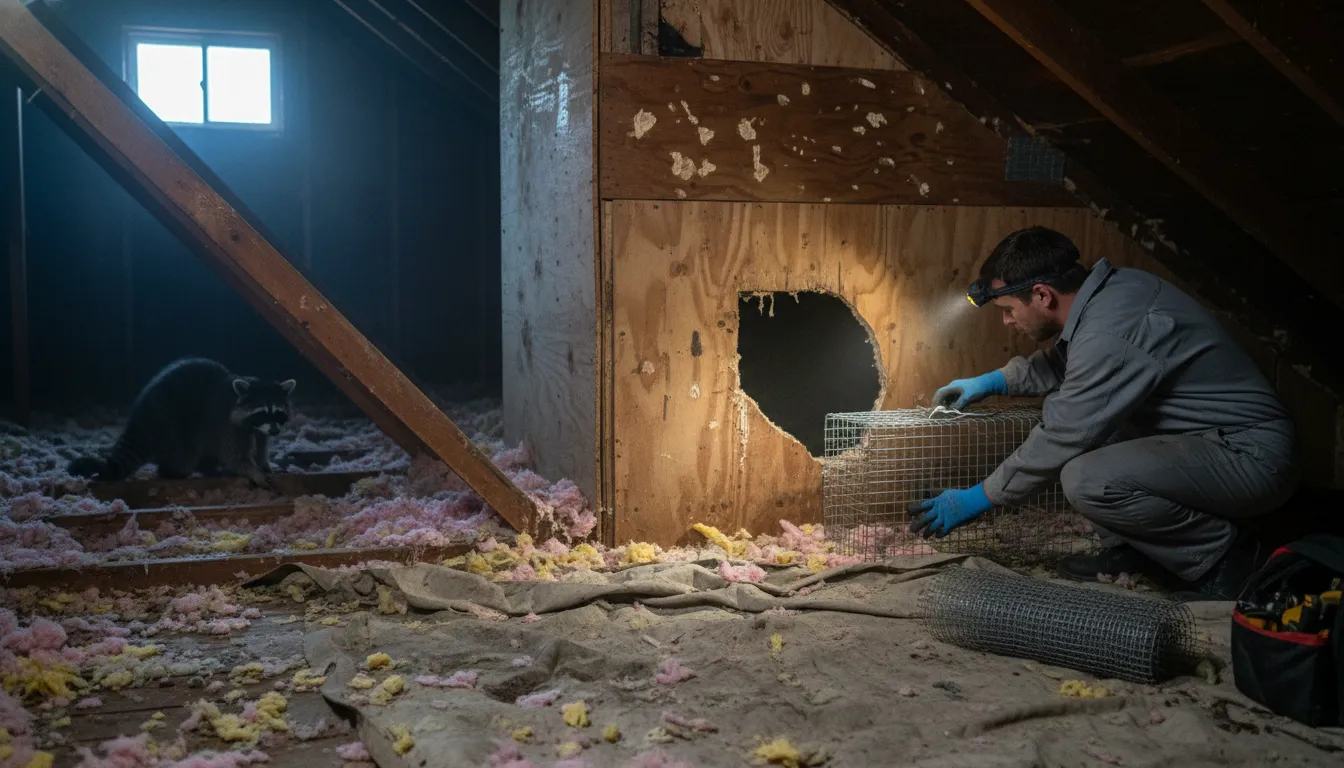
Find the Best Wildlife Removal Companies for Your Business
No obligation • Fast responses • Nationwide coverage

Why you can trust Pest Crews
Pest Crews is a leading U.S. resource for finding and evaluating residential and commercial pest control services. Our team researches providers, reviews treatment approaches, and organizes unbiased information to help you make informed decisions. Companies cannot pay to change our editorial content or influence how they appear.
Search providers near you
Top Wildlife Removal Companies in Chula Vista, California Ranked
Finding an uninvited wild animal in your Chula Vista home or business can be a stressful and confusing experience. Wildlife removal is the professional service of safely and humanely addressing conflicts with wild animals that have become a nuisance or a danger. This matters not only for your peace of mind and property protection but also for the health of the local ecosystem and compliance with California's strict wildlife laws. This guide will help you understand the common wildlife issues in our area, the legal framework, and how to find qualified local professionals to resolve your specific situation.
Wildlife Removal Services
San Diego, CA
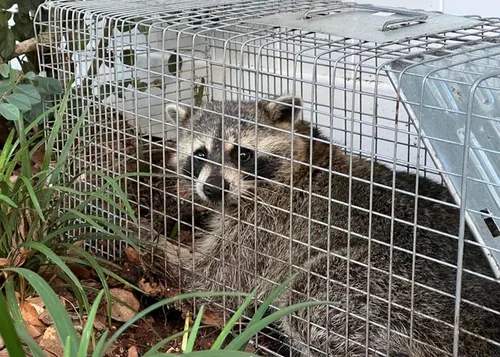
Wildlife Removal Services is a family-owned pest control company serving San Diego, CA, since 2008. They provide pest control and wildlife removal services for homes and businesses, handling common pests like ants, roaches, and rodents, as well as wildlife such as raccoons and skunks. Their certified technicians use environmentally friendly methods and focus on humane wildlife relocation. The company offers same- or next-day service and communicates in both English and Spanish.

PURCOR Pest Solutions
8930 Activity Rd Ste: 1, San Diego, CA 92126
PURCOR Pest Solutions provides pest and termite control services in San Diego, CA. They handle a variety of pests including ants, cockroaches, rodents, spiders, and wildlife, offering both residential and commercial pest management. Their licensed professionals also assist with termite inspections and cleanup after infestations. PURCOR focuses on minimizing environmental impact while protecting homes and businesses from pest damage.
Orkin
1057 Tierra Del Rey g, Chula Vista, CA 91910
Orkin provides residential pest control services in San Diego, CA, specializing in managing common pests such as cockroaches, ants, mosquitoes, rodents, termites, bed bugs, and stinging insects. They offer customized pest plans tailored to specific pest problems and use a variety of treatment methods, including dry foam void filler, Sentricon® bait, and liquid barriers for termite control. With over 120 years of experience, Orkin serves the San Diego area and offers 24/7 availability for pest control needs.
Corky's Pest Control
303 W 35th St Suite D, National City, CA 91950
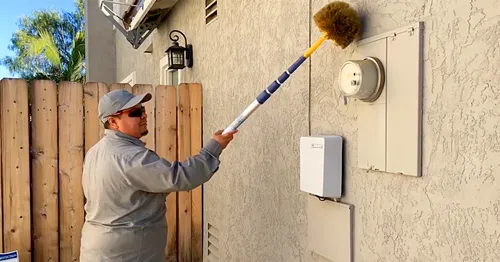
Corky's Pest Control is a pest management company serving San Diego, CA, with over 50 years of experience since 1967. They provide a wide range of residential and commercial pest control services, including treatments for ants, bed bugs, bees, wasps, fleas, rodents, termites, mosquitoes, and wildlife removal. Their services include thorough inspections and customized treatment plans using sustainable and pet-friendly methods. Corky's also offers termite fumigation and ongoing maintenance plans to prevent future infestations.
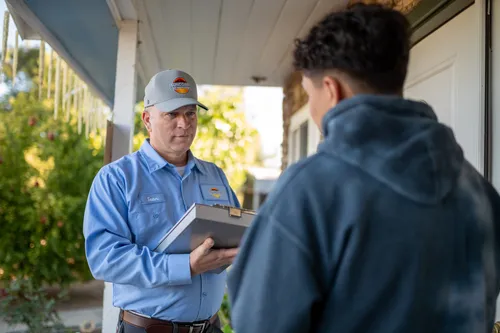
Suncoast Pest Management
11639 Riverside Dr UNIT 101, Lakeside, CA 92040
Suncoast Pest Management is a pest control company serving San Diego, CA, and nearby areas. They provide comprehensive pest management services including cockroach, ant, rodent, termite inspections, bee and wasp removal, wildlife removal, and commercial pest control. The company emphasizes a personal approach, with a dedicated team handling all aspects of service from inspection to follow-up without subcontractors. With a focus on long-term pest management and clear communication, Suncoast aims to protect homes and businesses responsibly. Founded by Sean, who brings 30 years of hospitality experience, the company integrates customer care with pest control expertise to build lasting relationships.
Common Wildlife Intruders in Chula Vista
The unique blend of urban development and natural canyons in Chula Vista creates ideal habitats for several species that can come into conflict with residents. Knowing what you're dealing with is the first step toward a solution.
- Raccoons: These intelligent, dexterous mammals are notorious for rummaging through trash, damaging roofs and attics for denning, and can carry diseases like rabies and raccoon roundworm 1.
- Opossums: While generally less destructive, opossums may take up residence under decks or in crawl spaces. They are North America's only marsupial and can help control pests like snails and insects, but their presence can still be a nuisance.
- Rodents: This category includes roof rats, Norway rats, and house mice. They are prolific breeders, cause significant property damage by gnawing on wires and structures, and pose health risks through contamination.
- Snakes: Several snake species are native to the region. While most are harmless, some, like rattlesnakes, are venomous. Snakes often enter properties in search of prey like rodents, so their presence can indicate a larger pest issue.
- Bats: Bats are beneficial for insect control but can become a serious problem if they colonize an attic. Their guano (droppings) can pose respiratory health risks and cause structural damage, and their removal is highly regulated.
- Birds (Pigeons): Pigeons are common in urban areas and their nesting materials and droppings can deface buildings, clog drains, and create unsanitary conditions.
The First Step: Prevention and Legal Guidelines
Before a situation escalates to needing professional animal control, there are critical steps every homeowner should take. Effective wildlife management starts with making your property less attractive to pests.
Focus on Habitat Modification and Exclusion The most effective long-term strategy is to remove the elements that attract wildlife. This includes securing trash cans with locking lids, removing pet food and bird feeders at night, clearing dense brush and woodpiles from against your home, and sealing potential entry points with durable materials like steel mesh or hardware cloth 2. Installing frightening devices or approved repellents can also be part of a prevention plan 2.
Understanding California Wildlife Law California has specific laws designed to protect both wildlife and residents. It is illegal to feed wildlife, either directly or indirectly, as this creates unhealthy dependency and can lead to increased conflicts and disease transmission 3. Furthermore, the relocation of healthy wild animals is generally prohibited4. Trapping and releasing an animal elsewhere is often illegal because it can spread disease, cause stress and death to the relocated animal, and simply transfer the problem to another community 4. What is always permitted and encouraged is the use of exclusion methods-permanently sealing entry points after ensuring no animals are trapped inside-and the use of legal repellents 5.
When to Call Animal Control vs. a Wildlife Professional
It's important to know which agency or service handles different types of incidents. The City of Chula Vista Animal Care provides essential services, but their role in wildlife conflicts is specific.
Contact Chula Vista Animal Care for:
- Animal bites or attacks on humans or pets.
- Sick, injured, or orphaned wildlife on public property.
- Incidents of animal cruelty or neglect.
- Significant property damage caused by animals that poses a public safety risk.
- Loose or aggressive domestic animals (dogs, cats) 6 7.
What Animal Control Typically Does Not Handle: For routine nuisance wildlife removal from private property-such as a raccoon in your attic, squirrels in the walls, or snakes in the yard-you will be directed to contact a private, licensed Nuisance Wildlife Control Operator (NWCO) 8. Animal Control agencies are not equipped for the specialized trapping, exclusion, and structural repair work often required in these situations.
Find the perfect wildlife removal companies for your needs
Get personalized recommendations and expert advice
Working with a Licensed Nuisance Wildlife Control Operator (NWCO)
For effective and legal wildlife conflict resolution on your private property, you need a professional. A licensed NWCO has the training, experience, and permits required by the state of California to handle complex wildlife situations humanely and permanently.
What a Professional Wildlife Control Service Does: A qualified operator will start with a thorough inspection to identify the species, entry points, and extent of the problem. Their approach focuses on humane removal where necessary, followed by comprehensive exclusion (sealing all entry points) and sanitation if needed (e.g., cleaning up hazardous droppings). They understand the legal protocols for handling protected species and will ensure any trapping or relocation is done in compliance with state regulations. Their goal is not just to remove the current animals but to prevent future invasions.
Understanding Wildlife Removal Costs in Chula Vista
The cost for professional animal removal services can vary widely, as it is highly dependent on the species involved, the complexity of the access, and the extent of damage or required exclusion work. The following are general price ranges based on industry standards; you must contact local Chula Vista NWCOs for specific quotes tailored to your situation 9.
- Initial Inspection/Service Call: Most companies charge a diagnostic fee, typically ranging from $100 to $300+, which may be applied toward the total service cost.
- Raccoon or Opossum Removal: Removing a single animal like a raccoon or opossum from an attic or crawl space can cost between $250 and $800+. This price often increases if there are young present or if significant exclusion repairs are needed to prevent re-entry.
- Snake Removal: The cost to capture and remove a snake usually falls between $150 and $400+, with venomous species typically commanding a higher fee due to the increased risk.
- Bat or Bird Exclusion: These are often the most expensive services due to their complexity. Bats can squeeze through tiny gaps, requiring a meticulous sealing of every potential entry point after the colony is ethically excluded. Complete bat exclusion and cleanup can range from $1,000 to $5,000 or more, depending on the size of the colony and the attic's accessibility 10 11.
- Rodent Control: While sometimes less per incident, rodent eradication often requires ongoing monitoring and sealing and can involve several hundred dollars for a complete program.
Always request a detailed, written estimate that breaks down inspection, removal, exclusion, repair, and cleanup costs. A reputable company will be transparent about their pricing and the steps involved.
Creating a Wildlife-Resistant Property
Long-term success depends on making your home less inviting. After any wildlife issue is resolved, consider a proactive maintenance plan:
- Annual Inspections: Have a professional or conduct your own seasonal check of your roof line, vents, soffits, and foundation for new gaps or damage.
- Landscape Management: Trim tree branches at least 6-8 feet away from your roof and keep shrubs trimmed back from the structure.
- Sanitation: Maintain clean outdoor areas. Use sealed compost bins and promptly harvest fallen fruit from trees.
- Structural Maintenance: Repair loose siding, roof shingles, and damaged vent screens promptly. Ensure chimney caps are securely installed.
Taking these steps not only protects your property but also contributes to the well-being of Chula Vista's native wildlife by encouraging them to stay in their natural habitats.
Frequently asked questions
Sources
Footnotes
-
RACCOONS - https://www.culvercity.gov/files/sharedassets/police/v/1/ccasraccoons.pdf ↩
-
Wildlife Control Methods | NWCTP - https://wildlifecontroltraining.com/training/wildlife-control-methods/ ↩ ↩2
-
Feeding Wildlife: Laws - https://hdtrapping.com/feeding-wildlife-laws/ ↩
-
Whv is it illegal to trap and relocate animals? - https://www.mendowildlife.com/wp-content/uploads/2020/02/Trapping_Wildlife.pdf ↩ ↩2
-
A Guide on How to Legally Remove Protected Wildlife from Your Property - https://allpests.com.au/a-guide-on-how-to-legally-remove-protected-wildlife-from-your-property/ ↩
-
Services | City of Chula Vista - https://www.chulavistaca.gov/departments/animal-care/pet-ownership-assistance/services-page ↩
-
Animal Laws - Animal Care - San Bernardino County - https://animalcare.sbcounty.gov/animallaws/ ↩
-
Frequently Asked Questions | City of Chula Vista - https://www.chulavistaca.gov/departments/animal-care/faqs ↩
-
Nuisance Wildlife Control Operators - NWCO - http://www.aaanimalcontrol.com/Professional-Trapper/wildlifecontrol.htm ↩
-
Wildlife Removal Chula Vista - https://san-diego.aaacwildliferemoval.com/service-area/chula-vista ↩
-
How Much Does Wildlife Control and Exclusion Cost? - https://www.terminix.com/wildlife-control/cost/ ↩