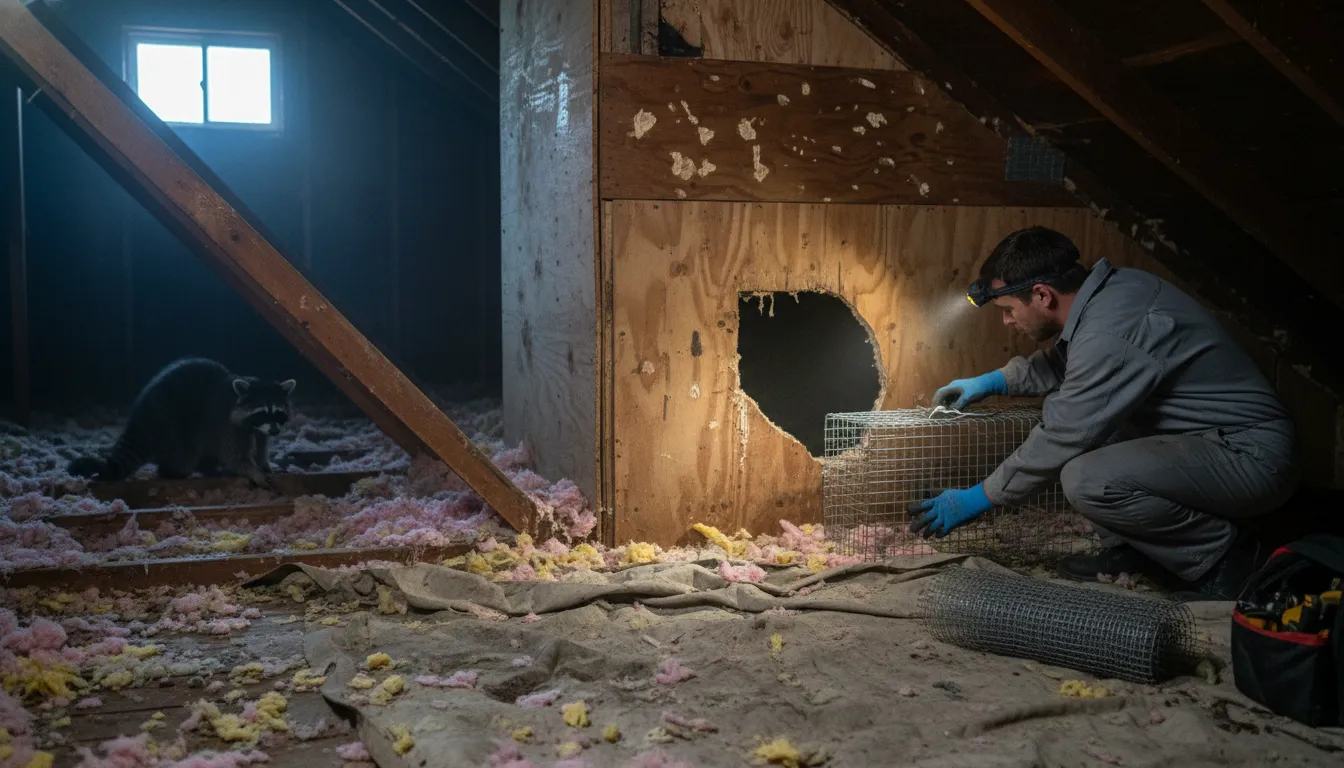
Find the Best Wildlife Removal Companies for Your Business
No obligation • Fast responses • Nationwide coverage

Why you can trust Pest Crews
Pest Crews is a leading U.S. resource for finding and evaluating residential and commercial pest control services. Our team researches providers, reviews treatment approaches, and organizes unbiased information to help you make informed decisions. Companies cannot pay to change our editorial content or influence how they appear.
Search providers near you
Top Wildlife Removal Companies in Santa Clarita, California Ranked
Discovering an uninvited animal in your attic, under your deck, or rummaging through your trash can be alarming. Wildlife removal is the specialized service of safely and legally resolving conflicts with wild animals that have entered human spaces. In Santa Clarita, this is a critical service for protecting your property from damage and your family from potential health risks. This guide will help you understand your options, from legal responsibilities to finding qualified local animal control experts to handle everything from trapping to permanent exclusion.
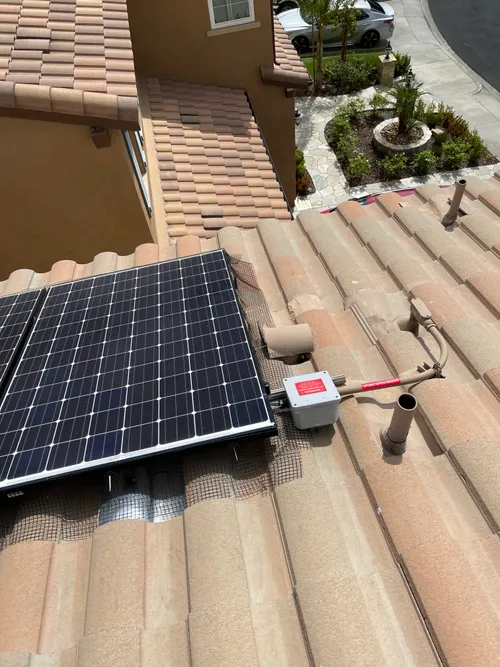
Traction Wildlife and Pest Control
5740 Hazeltine Ave #1, Van Nuys, CA 91401
Traction Wildlife and Pest Control is a licensed company based in Los Angeles, CA, specializing in humane wildlife removal and pest control for both residential and commercial properties. They serve the San Fernando Valley and West Los Angeles areas, offering services that include animal removal, sanitation, damage repair, and preventive measures to keep properties free from pests and wildlife. The company has completed over 10,000 projects and operates with licensed staff using methods compliant with state laws. Traction Wildlife and Pest Control provides 24/7 emergency service for urgent situations involving trapped or injured animals.
Orkin
190 Sierra Ct Ste A-5, Palmdale, CA 93550
Orkin provides residential and commercial pest control services in Los Angeles, CA. They handle a wide range of pests including bed bugs, cockroaches, ants, rodents, termites, mosquitoes, and wildlife. Orkin offers specialized termite treatments using methods like Sentricon® bait and liquid barriers to protect homes from structural damage. With over 120 years of experience, Orkin is equipped to manage pest problems year-round and offers 24/7 availability with next-day service options.
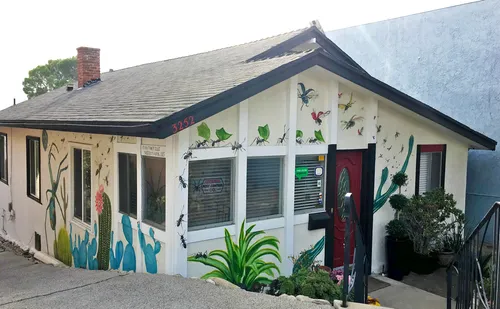
Hydrex Pest Control & Termite Co
3252 Foothill Blvd, Glendale, CA 91214
Hydrex Pest Control & Termite Co has been serving Los Angeles, CA, and surrounding areas for over 70 years. They provide pest control services for both residential and commercial properties, addressing infestations of ants, bed bugs, bees, cockroaches, rodents, termites, mosquitoes, and more. Their team uses eco-friendly, low-toxicity methods to manage pests while minimizing environmental impact. Hydrex specializes in termite identification, removal, and prevention, including treatments for dry wood and subterranean termites. The company is a member of the Pest Control Operators of California and the National Pest Management Association, reflecting their commitment to industry standards.
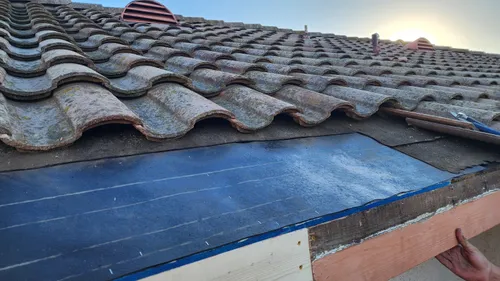
ALL STAR ANIMAL TRAPPING
Los Angeles, CA
ALL STAR ANIMAL TRAPPING offers animal removal and rodent control services in Los Angeles, CA. They handle wildlife such as raccoons, skunks, opossums, rats, and snakes. The company also provides animal exclusion services to help prevent future wildlife invasions in homes. Their service area includes Los Angeles, Glendale, Burbank, and nearby locations.
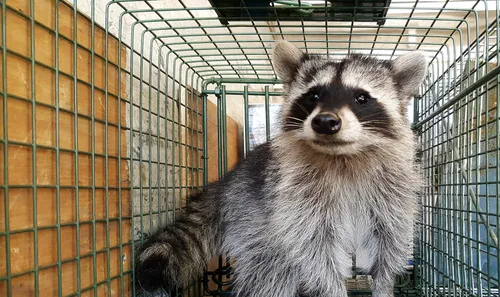
ALL STAR ANIMAL TRAPPING
15841 Wyandotte St, Van Nuys, CA 91406
ALL STAR ANIMAL TRAPPING is a wildlife removal company based in Los Angeles, CA. They provide animal trapping and exclusion services to keep homes free from unwanted wildlife such as raccoons, skunks, opossums, rats, and snakes. Their service area includes Los Angeles and nearby cities like Glendale and Burbank. The company specializes in animal exclusion to help prevent future invasions.
Common Nuisance Wildlife in Santa Clarita
The Santa Clarita Valley's proximity to open spaces and the Angeles National Forest means residents often share their neighborhoods with a variety of wild animals. While observing wildlife from a distance can be enjoyable, problems arise when these animals seek food, water, or shelter in our homes and yards.
The most frequent culprits for wildlife conflicts in the area include:
- Squirrels: Often the source of scratching noises in attics, squirrels can chew on electrical wiring, insulation, and wooden structures, creating fire hazards and costly damage1 2.
- Raccoons: These intelligent, dexterous animals are notorious for tipping over trash cans, tearing up lawns for grubs, and denning under decks, patios, or in chimneys.
- Opossums: Typically less destructive, opossums may take up residence under sheds or decks and can get into pet food left outdoors. They are also known to raid gardens.
- Skunks: The threat of a spray is reason enough for removal, but skunks also dig for insects under lawns and decks, creating unsightly damage and potential den sites.
- Coyotes: Present throughout the region, coyotes pose a threat to small pets and can become bolder if they are fed, intentionally or unintentionally, by residents.
- Rats and Mice: While often categorized under general pest control, rodent infestations frequently require similar exclusion and removal strategies as larger wildlife.
Birds, including pigeons, woodpeckers, and swallows, can also become nuisances by nesting in vents, attics, or on building ledges, leading to clogged gutters, property damage, and health concerns from droppings.
Understanding California's Wildlife Laws
Before attempting to handle a wildlife issue yourself, it's crucial to understand the legal framework. In California, all native wildlife is protected by the California Department of Fish and Wildlife (CDFW). These laws directly impact what you and any professional can do.
A key regulation is the prohibition on relocation. It is illegal to trap an animal on your property and release it elsewhere, such as in a park or forest. This law exists to prevent the spread of disease, reduce stress on the relocated animal (which often cannot survive in a new territory), and avoid creating problems for other property owners. Consequently, animals that are trapped must be either released on the property where they were caught or humanely euthanized.
Property owners (or their authorized agents) are legally allowed to trap certain non-game mammals that are damaging their property. However, strict rules apply:
- Traps must be checked at least once every 24 hours3.
- Any captured animal must be dealt with immediately-either released on-site or euthanized.
- The use of certain trap types may be restricted.
Due to these complexities and the risks involved, many residents find that hiring a licensed professional is the most practical and legally compliant solution.
Your First Steps: Assessment and Prevention
When you suspect a wildlife issue, start with a thorough assessment. Listen for noises (scratching, scurrying, thumping) in walls or attics, particularly at dawn or dusk. Look for physical signs like droppings, chewed wires or wood, dug-up landscaping, torn vent screens, or greasy rub marks along entry points.
Simultaneously, focus on prevention and habitat modification, which is the most effective long-term strategy:
- Seal Entry Points: Conduct a detailed inspection of your home's exterior. Seal any holes, cracks, or gaps larger than a quarter-inch, paying special attention to roof vents, soffits, and areas where utilities enter. Use sturdy materials like hardware cloth, steel wool, or metal flashing.
- Remove Food Sources: Secure trash cans with tight-fitting lids or bungee cords. Do not leave pet food or water bowls outside overnight. Pick up fallen fruit from trees and keep compost bins securely covered.
- Eliminate Shelter: Trim tree branches that overhang or touch your roof. Keep woodpiles elevated and away from your home's foundation. Seal off crawl spaces under decks and sheds with sturdy wire mesh buried into the ground.
Find the perfect wildlife removal companies for your needs
Get personalized recommendations and expert advice
When and How to Contact Authorities
Not every wildlife sighting requires a call for service. Understanding which agency handles which situation will save you time.
- For Sick, Injured, or Orphaned Wildlife: Contact Los Angeles County Animal Care and Control. They may respond to or provide guidance for animals that are visibly ill, injured, or in immediate distress. You can also report incidents of illegal feeding of wildlife, which is a significant contributor to nuisance problems 4.
- For Guidance on Laws and Trapping: The California Department of Fish and Wildlife (CDFW) is the authoritative source for state regulations regarding wildlife, trapping licenses, and protected species5.
- For Stray Domestic Animals: For issues with dogs, cats, or other domestic animals, you should contact LA County Animal Services 6.
It is important to note that these agencies generally do not respond to pick up healthy nuisance wildlife from private property; that is the responsibility of the property owner7.
Hiring a Professional Wildlife Control Service
For effective, permanent, and legal resolution, hiring a professional wildlife removal company in Santa Clarita is often the best course of action. These specialists, sometimes called animal control operators or wildlife pest control experts, have the knowledge, tools, and legal understanding to handle complex situations.
A comprehensive professional service should include:
- Inspection & Identification: Determining the species, entry points, and extent of the infestation.
- Humane Trapping & Removal: Using legally compliant methods to remove the animals. Due to state law, professionals typically must euthanize trapped nuisance animals 8 9.
- Exclusion: This is the most critical step. The company will permanently seal all entry points with durable materials to prevent re-entry.
- Cleanup & Decontamination: Removing feces, urine, and nesting materials. They may also apply disinfectants and enzyme cleaners to eliminate odors and health hazards.
- Repair & Restoration: Repairing damage to insulation, electrical wiring, ductwork, or drywall caused by the animals 10.
When searching for a provider, look for companies that are licensed, insured, and emphasize permanent exclusion methods over simply setting traps. Ask for detailed quotes and ensure they guarantee their exclusion work.
Understanding Costs for Animal Removal
The cost of wildlife control in Santa Clarita is not a flat fee and can vary significantly based on the job's complexity.
- Basic Trapping & Removal: For a single animal accessed from the exterior (e.g., a raccoon under a deck), services may start in the range of a few hundred dollars. This often includes setting traps and removing the captured animal.
- Complex Infestations & Attic Jobs: Situations involving animals inside an attic or walls are more involved. Costs can easily reach $500 or more11. This higher price reflects the labor for thorough trapping, the extensive work of sealing multiple entry points, and the critical cleanup/decontamination phase. Replacing ruined insulation and repairing structural damage will add to the total.
Always get a detailed, written estimate that breaks down the costs for inspection, removal, exclusion, cleanup, and any repairs. Investing in a complete job from the start is more cost-effective than paying for repeated removal services.
Frequently asked questions
Sources
Footnotes
-
Santa Clarita Wildlife Animal Control - Trappers Removal - http://www.wildlifeanimalcontrol.com/Santa-Clarita.html ↩
-
Santa Clarita Wildlife Control, Animal Trapping & Removal - http://www.wildliferemovallongbeach.com/SantaClarita.html ↩
-
Animal trapping and control - Lacounty - https://file.lacounty.gov/SDSInter/acwm/235835_Trappingrequirementspaper.pdf ↩
-
Wildlife | Mosquito and Vector Control District - https://vector.santaclaracounty.gov/vectors/wildlife ↩
-
Living with Wildlife - https://wildlife.ca.gov/Living-with-Wildlife ↩
-
Santa Clarita Wildlife Removal, Pest Animal Control CA - http://www.wildlife-removal.com/city/CA-Santa-Clarita.htm ↩
-
Living With Wildlife - LA County Animal Care & Control - https://animalcare.lacounty.gov/living-with-wildlife/ ↩
-
Wildlife - LA Animal Services - https://www.laanimalservices.com/Wildlife ↩
-
Laws and Regulations - Humane Wildlife Control Inc - https://humanecontrol.com/laws-and-regulations/ ↩
-
THE BEST 10 Animal Removal in Santa Clarita, CA - Yelp - https://m.yelp.com/search?find_desc=Animal+Removal&find_loc=Santa+Clarita%2C+CA ↩
-
Prices for Santa Clarita Wildlife Pest Control Animal Trapping - http://www.aaanimalcontrol.com/professional-trapper/prices/CA-Santa-Clarita-prices.htm ↩