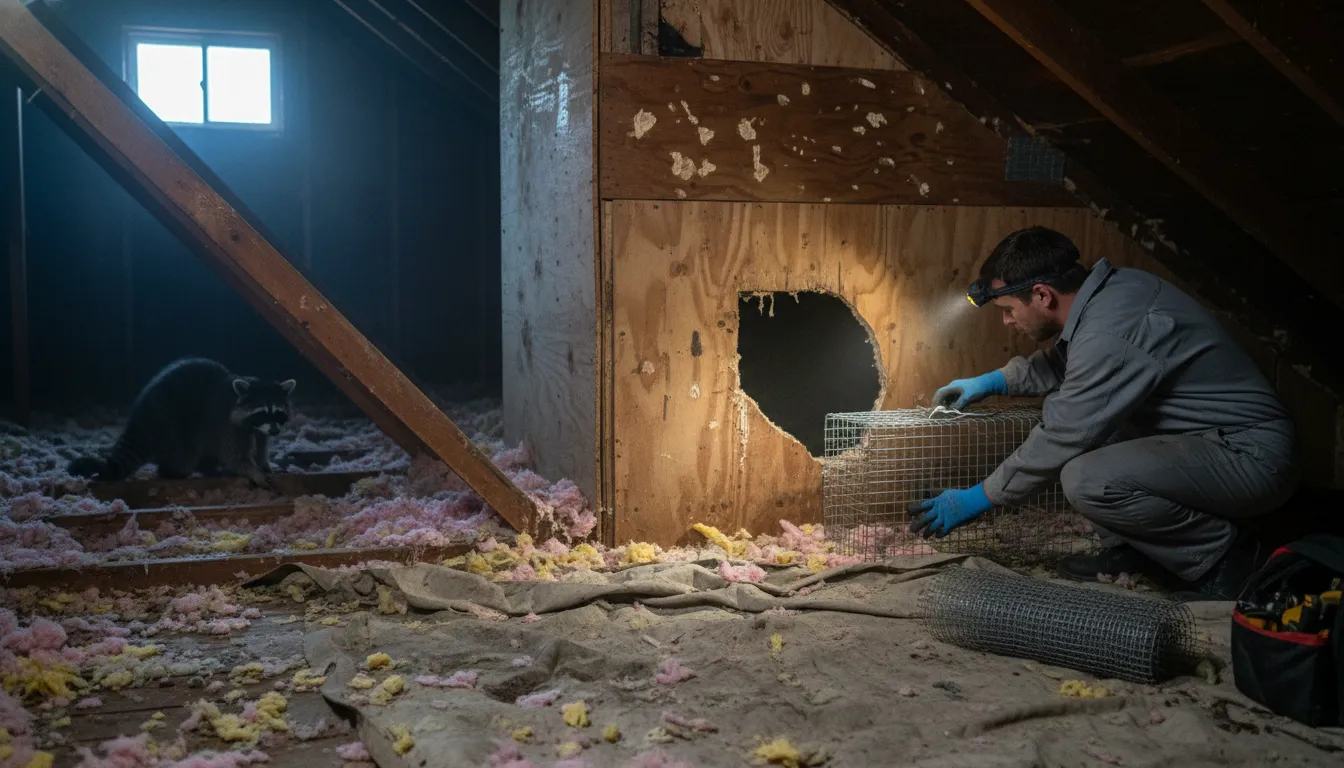
Find the Best Wildlife Removal Companies for Your Business
No obligation • Fast responses • Nationwide coverage
Why you can trust Pest Crews
Pest Crews is a leading U.S. resource for finding and evaluating residential and commercial pest control services. Our team researches providers, reviews treatment approaches, and organizes unbiased information to help you make informed decisions. Companies cannot pay to change our editorial content or influence how they appear.
Search providers near you
Top Wildlife Removal Companies in Stockton, California Ranked
Finding an uninvited animal in your attic, walls, or yard can be unsettling and potentially damaging. Wildlife removal in Stockton addresses the safe, legal, and humane resolution of conflicts with local mammals and birds that have taken up residence where they shouldn't be. This guide explains the common nuisance species, the critical laws governing their control, and how to connect with licensed professionals who can solve the problem and prevent its recurrence.
McCauley Agricultural & Pest Control
2150 Elkins Way Ste 205, Brentwood, CA 94513
McCauley Agricultural & Pest Control is a family-owned pest control company based near Oakland, CA, serving residential, commercial, and agricultural clients throughout the East Bay Area and Central Valley. They provide a range of services including termite inspection and control, wildlife removal, weed abatement, turf care, and ornamental plant services. With over 35 years of combined experience, McCauley uses advanced and eco-friendly materials to address pest and plant health issues.
Orkin
2155 Elkins Way, Brentwood, CA 94513
Orkin provides residential and commercial pest control services in Oakland, CA. They handle a wide range of pests including bed bugs, cockroaches, ants, rodents, termites, mosquitoes, bees, wasps, birds, and wildlife. Orkin offers customized pest management plans and termite treatments using methods such as liquid barriers, Sentricon® bait, and dry foam void filler. With over 120 years of experience, Orkin supports customers with 24/7 availability for pest control needs.
Pest Protection Services
601 Gracie Ln, Brentwood, CA 94513
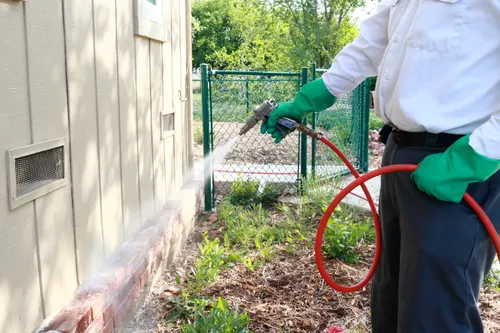
Pest Protection Services is a family-owned pest control company based near Oakland, CA, serving the East Bay Area. They offer general pest control for both residential and commercial clients, specializing in the removal of ants, cockroaches, spiders, fleas, wasps, yellow jackets, and moles. With over 15 years of experience, they focus on eco-friendly and safe extermination methods that protect both the environment and the safety of pets and children.
Local Pest Solutions
Stockton, CA
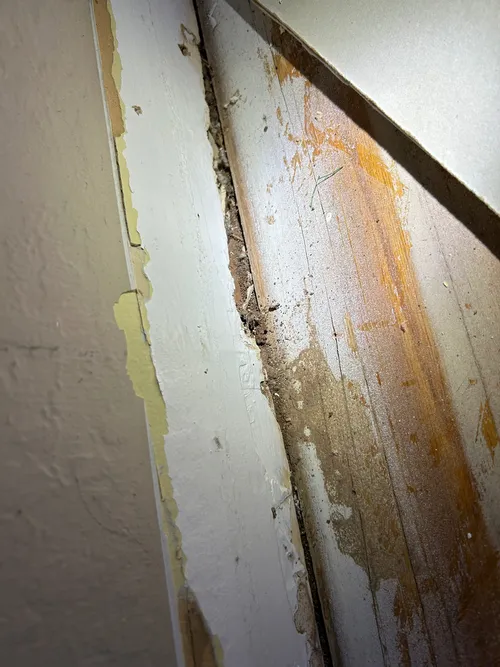
Local Pest Solutions is a family-owned pest control company serving Stockton, CA, and surrounding areas including Lodi, Galt, Elk Grove, and the Greater Sacramento Area. Since 2021, they have provided pest management services for homes and businesses, addressing issues such as ants, roaches, rodents, bed bugs, termites, and wildlife. Their services include specialized treatments like solar panel pigeon proofing and termite inspections, using Integrated Pest Management practices to ensure safety for children and pets. Local Pest Solutions offers both one-time treatments and ongoing pest management plans tailored to each property.
Contact Pest Control
12490 Hobday Rd, Wilton, CA 95693
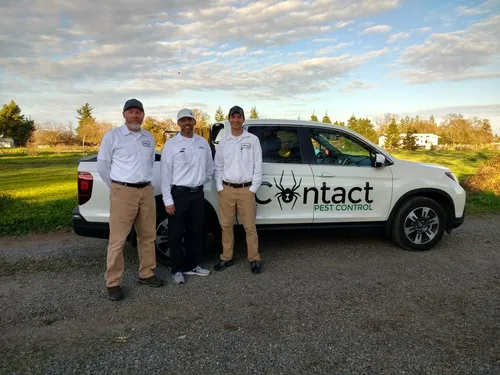
Contact Pest Control is a licensed and certified pest control company serving Elk Grove, CA, and the surrounding Northern California areas including Sacramento and Stockton. Since 2012, they have provided pest management services focusing on cockroach and rodent control, wildlife removal, and general pest extermination. Their approach uses Integrated Pest Management techniques to minimize chemical exposure while effectively managing pests. The company offers emergency services and a pest-free guarantee with free reservices if pests return.
Common Wildlife Pests in Stockton Homes
The Central Valley's urban and suburban landscapes provide ample food and shelter for a variety of adaptable wildlife. When these animals seek refuge in human structures, they become pests that require professional animal control. The most frequent offenders include:
- Rodents: Roof rats and house mice are prolific and can cause significant property damage by gnawing on wires, insulation, and wood. Their rapid reproduction often makes DIY control a temporary fix.
- Raccoons: These intelligent, dexterous mammals are notorious for tearing into attic vents, soffits, and chimneys to create dens. They can be aggressive if cornered and pose health risks through their droppings.
- Squirrels: Tree squirrels and ground squirrels frequently enter attics and crawl spaces, where their constant gnawing and nesting activities can lead to fire hazards and structural damage.
- Other Mammals: Opossums, skunks, and bats are also common. While opossums and skunks may den under decks or sheds, bats can colonize attics and pose specific removal challenges due to protected species regulations and health concerns.
- Birds: Species like starlings, pigeons, and sparrows often nest in vents, on roof ledges, and inside commercial structures. Their nests can block ventilation systems, and their droppings are corrosive and can harbor diseases, necessitating professional bird exclusion.
Understanding California's Wildlife Control Laws
Attempting to handle a wildlife infestation without knowledge of state regulations can lead to legal trouble and may worsen the problem. California has strict rules designed to protect both animals and people.
The Illegality of Relocation: A critical law many residents are unaware of is that it is generally illegal to trap and relocate wildlife in California1. Animals like raccoons, skunks, and squirrels must be released at the site of capture or euthanized humanely by a licensed professional. Relocation spreads disease, disrupts ecosystems, and is often a death sentence for the relocated animal, which is why the California Department of Fish and Wildlife (CDFW) prohibits it 1.
Rules for Trapping: The state also regulates trapping methods. For instance, body-gripping traps cannot be set within 150 yards of an occupied dwelling without the written consent of the occupant. Furthermore, while property owners can take certain nongame mammals (like specific rodents, opossums, or skunks) that are damaging property, they must do so in accordance with CDFW regulations, which specify legal methods and seasons.
The Problem with Poisons: Using over-the-counter rodenticides for rat or mouse control is strongly discouraged by professionals. Poisoned rodents often die in inaccessible wall voids or attics, creating severe odor problems and attracting insect pests. More importantly, poison does not address the entry points, so new animals will simply move in 2.
When to Call a Professional vs. Handling It Yourself
Determining the right course of action depends on the species, location, and severity of the infestation.
Limited DIY Options: For simple mouse problems, residents may successfully use snap traps and meticulously seal entry points. For some nongame mammals causing property damage, landowners have the legal right to take the animal if they follow CDFW rules 3 4. However, this requires research, effort, and a willingness to handle the animal.
When to Call a Professional Wildlife Removal Service: You should contact a licensed wildlife control operator for:
- Raccoons, squirrels, or bats in the attic.
- Any animal that appears sick, injured, or aggressive.
- Situations where exclusion and repair work (like sealing a roof) are needed.
- If you are unsure of the laws or proper handling techniques.
- When DIY methods have failed.
Contact Animal Services: It's important to know that Stockton Animal Services handles stray domestic animals (dogs and cats), animal welfare concerns, and aggressive domestic animal complaints. They do not provide removal services for healthy wild animals like raccoons or squirrels in your attic5 6. For wildlife conflicts, you need a private pest animal control company.
Find the perfect wildlife removal companies for your needs
Get personalized recommendations and expert advice
What to Expect from Professional Wildlife Removal
A reputable wildlife control service will follow a comprehensive process to ensure the problem is solved permanently and legally.
- Inspection: A thorough inspection identifies the species, entry points, and the extent of the infestation, including damage and nesting sites.
- Humane Removal: Using legal and humane methods, the professional will remove the animals. This may involve live trapping (with on-site release as per law), one-way exclusion doors, or other specialized techniques, especially for bats or birds.
- Cleanup and Sanitation: Animal droppings (feces and urine) can soil insulation, pose health risks, and leave scent trails that attract new wildlife. Professionals will clean, disinfect, and deodorize affected areas 7.
- Exclusion and Repair: This is the most critical step for prevention. All identified entry points are permanently sealed with durable materials like steel mesh, hardware cloth, or chimney caps to prevent re-entry.
- Follow-up: Many companies offer a warranty period and will return to ensure the exclusion is holding and no new activity is present.
Understanding Costs for Animal Control Services
The cost of wildlife abatement in Stockton varies based on the animal, the location of the infestation, and the scope of work required. Simple trapping for a single animal will cost less than a full home exclusion project.
- Medium-Sized Jobs: For common issues like removing squirrels from an attic and performing basic sealing repairs, services often start in the range of several hundred dollars 8.
- Rodent Control: Comprehensive rodent management typically involves an initial service to remove existing animals and seal entry points, followed by monitoring visits. This multi-visit approach is more effective than a one-time treatment 9.
- Major Exclusion Work: Full exclusion for animals like bats or birds, which may involve sealing numerous gaps on a large roofline or installing specialized vent covers, will vary widely in price based on the home's size and complexity 10.
Investing in professional repair and exclusion is crucial, as it addresses the root cause and protects your property from future damage and re-infestation.
Preventing Future Wildlife Intrusions
After your home is secured, ongoing vigilance can help keep it wildlife-free.
- Trim Tree Branches: Keep branches trimmed back at least 6-8 feet from your roofline to deny squirrels and roof rats easy access.
- Secure Trash and Food Sources: Use locking lids on trash cans, avoid leaving pet food outdoors overnight, and pick up fallen fruit from trees.
- Seal Small Openings: Regularly inspect your home's exterior for new gaps or holes, especially around utility lines, vents, and where different building materials meet.
- Chimney Caps: Install a sturdy, professionally-fitted chimney cap to keep raccoons, birds, and squirrels out.
Frequently asked questions
Sources
Footnotes
-
Why You Should Not Relocate Wildlife In California - Emagazine.com - https://emagazine.com/why-you-should-not-relocate-wildlife-in-california/ ↩ ↩2
-
Laws & Regulations - Humane Pest Control Inc - https://humanepestpro.com/?page_id=85 ↩
-
Living with Wildlife - https://wildlife.ca.gov/Living-with-Wildlife ↩
-
CALIFORNIA CODE OF REGULATIONS - https://nrm.dfg.ca.gov/FileHandler.ashx?DocumentID=216762&inline ↩
-
Animal Services | San Joaquin County Sheriff's Office - https://sjsheriff.org/animal-services ↩
-
Animal Related Complaints - Stockton, CA - https://www.stocktonca.gov/services/animal_services/animal_related_complaints.php ↩
-
Stockton Wildlife Removal, Pest Animal Control CA - http://www.wildlife-removal.com/city/CA-Stockton.htm ↩
-
Prices for Stockton Wildlife Pest Control Animal Trapping - http://www.aaanimalcontrol.com/professional-trapper/prices/CA-Stockton-prices.htm ↩
-
Wildlife Removal and Trapping - Stockton - http://www.wildlifeanimalcontrol.com/Stockton.html ↩
-
California Wildlife Removal Company Directory - Pro Animal Control - https://pro-animal-control.com/california-wildlife-removal-company/ ↩