Find the Best Wildlife Removal Companies for Your Business
No obligation • Fast responses • Nationwide coverage

Why you can trust Pest Crews
Pest Crews is a leading U.S. resource for finding and evaluating residential and commercial pest control services. Our team researches providers, reviews treatment approaches, and organizes unbiased information to help you make informed decisions. Companies cannot pay to change our editorial content or influence how they appear.
Search providers near you
Best Wildlife Removal Companies in Florida Ranked
Dealing with unwelcome wildlife in Florida requires a careful balance between protecting your property and respecting the state's complex ecosystem and regulations. Professional wildlife removal services specialize in safely and legally resolving conflicts with animals, from common raccoons to protected species. This guide explains the key considerations for Florida residents and businesses, helping you understand the rules, methods, and typical costs involved in managing nuisance wildlife.
In Touch Pest Control
3489 NW 24th St, Lauderdale Lakes, FL 33311
In Touch Pest Control is a locally owned and family-operated pest control company serving Fort Lauderdale, FL, and surrounding South Florida communities. Established in 2005, they offer a range of pest management services including termite treatment, ant and rodent control, wildlife removal, and lawn pest services. Their certified team uses eco-conscious and family-safe methods to address common pests such as termites, ants, roaches, rodents, and outdoor invaders. They provide same-day service and specialize in sealing entry points to prevent rodent damage and health risks.
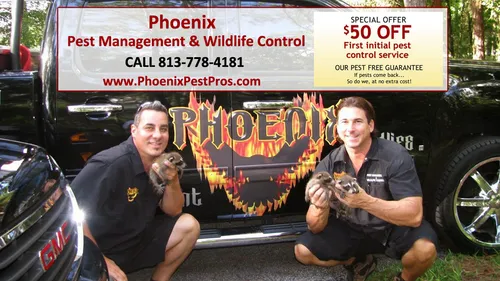
Phoenix Pest Management and Wildlife Control
705 Live Oak St Ste G, Tarpon Springs, FL 34689
Phoenix Pest Management and Wildlife Control provides pest and wildlife removal services in Tampa, FL. They handle a variety of pests including cockroaches, ants, rodents, bees, and wasps, as well as wildlife such as rats, squirrels, and raccoons. The company also offers restoration services to repair damage caused by animals and protect properties from future invasions. Owner Steve Barker has about 20 years of experience and started the business in 2012, serving the Greater Tampa Bay area with eco-friendly pest control products and permanent exclusion materials.
Crawford Pest Control
8608 Beach Blvd, Jacksonville, FL 32216
Crawford Pest Control provides comprehensive residential and commercial pest management services in Jacksonville, FL. They offer treatment and prevention for a wide range of pests including termites, rodents, ants, roaches, bed bugs, mosquitoes, and wildlife. Their termite services include treatments for subterranean and drywood termites with transferable warranties. The company uses eco-friendly products and advanced digital reporting to keep clients informed about service status and pest activity. Crawford Pest Control also supports commercial clients with customized service logbooks and trend reports to meet auditing needs.
Tower Pest Control Inc
7760 W 20th Ave, Hialeah, FL 33016
Tower Pest Control Inc has been providing eco-friendly pest control services in Miami, FL, and South Florida since 1996. They specialize in treating a wide range of pests including bed bugs, termites, rodents, ants, cockroaches, mosquitoes, bees, and wildlife. Their approach focuses on using non-toxic, environmentally safe products and humane removal techniques to protect homes and businesses while preserving the local ecosystem. With over 25 years of experience, Tower Pest Control offers comprehensive termite inspections and organic pest control solutions tailored to the unique challenges of the Miami area.
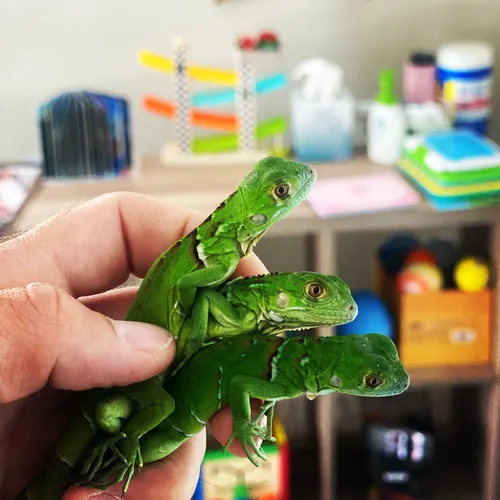
Redline Iguana Removal
Pembroke Pines, FL
Redline Iguana Removal is a wildlife removal company based in Pembroke Pines, FL, specializing in humane iguana control. They serve Palm Beach, Broward, Miami-Dade, and Monroe counties, using hand-catching, trapping, and other approved methods to manage iguana populations. The company addresses property and landscape damage caused by iguanas, including tunnel digging, roof damage, and harm to gardens. They also focus on reducing health risks associated with iguana feces, which can carry salmonella. With over 15 years of experience, Redline Iguana Removal follows guidelines set by the Florida Fish and Wildlife Conservation Commission and now offers humane nuisance wildlife removal services for homeowners associations, managed communities, and private homeowners across South Florida.
Understanding Florida's Wildlife Regulations
Florida's diverse wildlife is protected by a framework of state and federal laws administered by the Florida Fish and Wildlife Conservation Commission (FWC). Attempting to remove animals without understanding these rules can lead to legal trouble and harm to protected species.
Protected Species: You cannot remove, harm, or relocate many native animals without specific permits. This includes all native birds (except some corvids like crows), state or federally listed threatened and endangered species (such as the Florida Scrub-Jay, certain salamanders, and kites), and specific venomous reptiles 1 2. Special permits are also generally required for the lethal removal or relocation of alligators, bears, bobcats, and bats.
Permits for Landowners: For certain common nuisance situations, landowners may apply for specific FWC permits. These include:
- Gun/Light at Night Permit: For taking specific mammals like beaver or raccoon at night when they are causing damage to crops or livestock.
- Steel Trap Permit: For using padded steel traps for certain mammals.
- Deer/Bear Depredation Permits: Granted only when non-lethal methods have failed to stop significant property or crop damage 3.
When Permits Are Not Required: You typically do not need an FWC permit to address rats or mice (though this requires a certificate from the Florida Department of Agriculture and Consumer Services, FDACS), or when using legal exclusion methods and deterrents that do not harm the animal.
Common Nuisance Wildlife and Legal Removal Methods
For animals not specifically protected, such as raccoons, opossums, armadillos, and some snakes, removal is possible but must follow FWC guidelines.
Permission is Key: You must have written permission from the property owner to trap or remove nuisance wildlife (other than rats and mice) 4. This applies even if you are the one performing the removal.
Legal Trapping and Relocation: Live-caught native wildlife must be released on the same property where it was captured. If release on-site isn't feasible, the animal may be released on a suitable off-site location, but only with the written permission of the landowner receiving the animal and in compliance with FWC restrictions 5. Relocation is often discouraged as it can spread disease and is stressful for the animal.
Prohibited Methods: The use of poison to control wildlife is generally illegal in Florida. The focus is on humane and targeted solutions.
The Importance of Prevention and Exclusion
The most effective long-term strategy for wildlife control is to make your property less attractive and accessible. This approach, known as integrated pest management, is emphasized by both the FWC and the University of Florida IFAS Extension.
Exclusion: This involves physically sealing potential entry points to your home or building. This is especially critical for species like bats, which are protected and cannot be excluded during their maternity season (typically April through August). Proper exclusion is a specialized task to ensure animals are not trapped inside.
Sanitation and Habitat Modification: Simple steps can drastically reduce wildlife attraction:
- Secure trash cans with locking lids or bungee cords.
- Do not leave pet food outdoors.
- Pick up fallen fruit from trees.
- Seal crawl spaces and attic vents with sturdy, animal-proof materials.
- Trim tree branches away from rooflines.
Find the perfect wildlife removal companies for your needs
Get personalized recommendations and expert advice
Typical Costs for Wildlife Removal Services
The cost for professional animal removal in Florida varies widely based on several factors: the species involved, the size of the infestation, the property's size, the methods required (trapping, exclusion, cleanup), and the urgency of the situation.
Based on industry estimates and service provider data, here are typical price ranges 6 7 8:
- Raccoons, Opossums, Squirrels: $300 - $800 for removal, possible trap rental, and basic repair of entry points.
- Bats: $500 - $2,000 or more, as the service involves installing one-way exclusion devices, waiting for the colony to leave, permanently sealing entry points, and potentially cleaning hazardous guano.
- Armadillos, Foxes, Coyotes: $400 - $1,000+ for trapping and recommendations for habitat modification to deter future activity.
- Alligators & Bears: Removal of these species is highly regulated. You must contact the FWC or a specially permitted operator. Situations are complex and can be expensive due to the significant safety and regulatory requirements.
Professional Tip: For complex or persistent issues, using an FWC-registered Nuisance Wildlife Control Operator (NWCO) is advisable. These professionals are trained in the laws, ethical standards, and most effective techniques for resolving human-wildlife conflicts 9 10.
Working with Wildlife Control Professionals
Choosing the right service provider ensures the job is done legally, safely, and effectively. Look for companies or operators who:
- Are knowledgeable about Florida FWC regulations and permit requirements.
- Emphasize humane removal and long-term exclusion over simple trapping.
- Can provide clear explanations of their process and a detailed written estimate.
- Are insured for liability in case of property damage or injury.
- Offer guarantees on their exclusion work to prevent re-entry.
A reputable professional will conduct a thorough inspection, identify all active entry points and attractants, and present a plan that prioritizes permanent exclusion and habitat modification alongside any necessary live trapping.
Special Considerations for Protected Species
Encounters with protected wildlife require extra caution. If you suspect you have a protected species-such as a nesting bird, a bear, an alligator, or bats-your first call should be to the FWC's Wildlife Alert Hotline or a permitted specialist. Attempting to handle these situations yourself is illegal and potentially dangerous.
For example, bear-resistant trash ordinances in many Florida communities are a key non-lethal strategy to reduce conflicts 11. Understanding and complying with these local laws is part of effective wildlife management. The goal is always coexistence, where possible, through proactive community and individual actions.
Frequently asked questions
Sources
Footnotes
-
Protected Wildlife Permits - FWC - https://myfwc.com/license/wildlife/protected-wildlife-permits/ ↩
-
Florida's Protected Species - NSIS - https://www.nsis.org/wildlife/wildlife-pr.html ↩
-
Nuisance Wildlife Permits | FWC - https://myfwc.com/license/wildlife/nuisance-wildlife-permits/ ↩
-
I have a question about nuisance wildlife trapping. Do I need any ... - https://www.fdacs.gov/Business-Services/Pest-Control/Pest-Control-FAQ/I-have-a-question-about-nuisance-wildlife-trapping.-Do-I-need-any-sort-of-state-pest-control-license-to-trap-wild-hogs-raccoons-opossums-etc. ↩
-
Relocating Wildlife - FWC - https://myfwc.com/conservation/you-conserve/wildlife/relocate/ ↩
-
Nuisance Wildlife Removal - Turner Pest Control - https://www.turnerpest.com/nuisance-wildlife-removal/ ↩
-
Wildlife | St. Lucie County, FL - https://www.stlucieco.gov/departments-and-services/public-safety/animal-safety/wildlife ↩
-
Nuisance Wildlife - Solutions for Your Life - UF/IFAS Extension - https://sfyl.ifas.ufl.edu/natural-resources/nuisance-wildlife/ ↩
-
FAQs: Nuisance Wildlife | FWC - https://myfwc.com/conservation/you-conserve/wildlife/faqs/ ↩
-
Removing Nuisance Wildlife | FWC - https://myfwc.com/conservation/you-conserve/wildlife/remove/ ↩
-
Bylaw - FWC - https://myfwc.com/wildlifehabitats/wildlife/bear/living/community-group/bylaw/ ↩