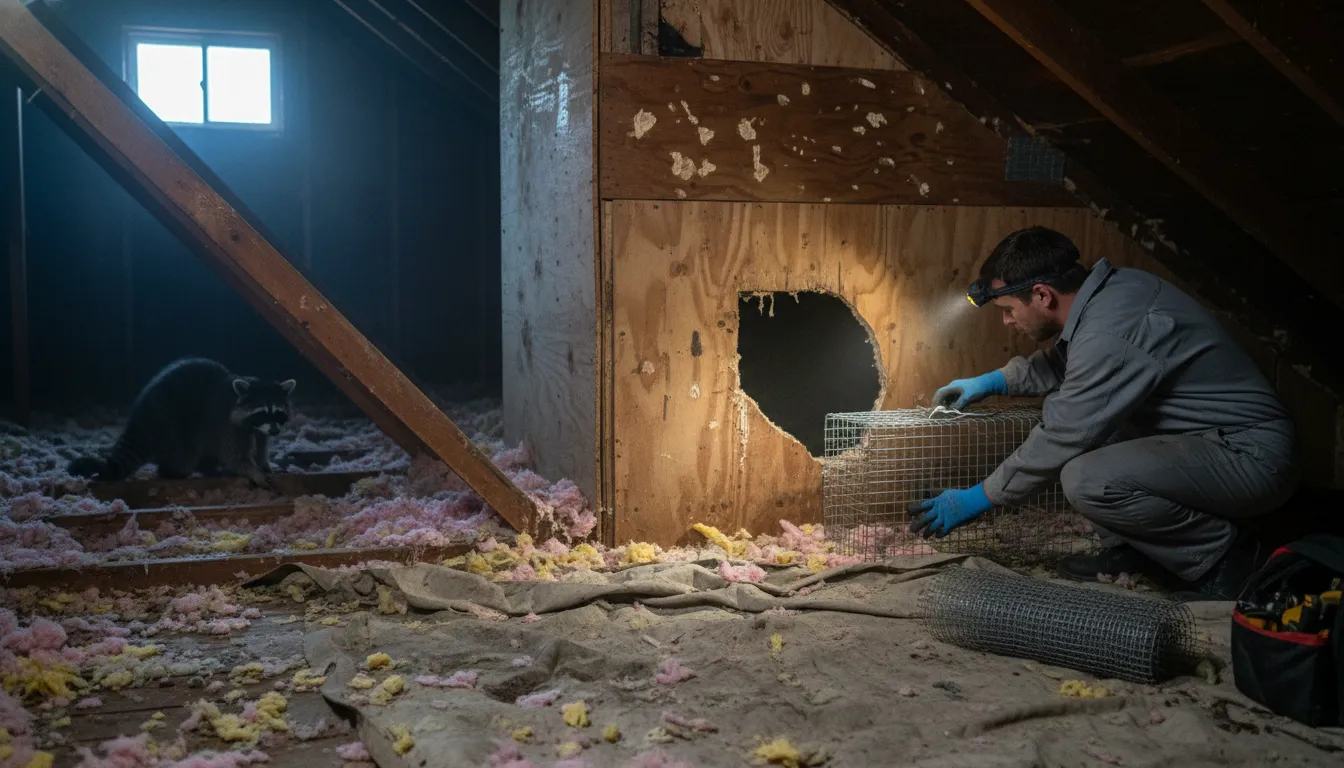
Find the Best Wildlife Removal Companies for Your Business
No obligation • Fast responses • Nationwide coverage

Why you can trust Pest Crews
Pest Crews is a leading U.S. resource for finding and evaluating residential and commercial pest control services. Our team researches providers, reviews treatment approaches, and organizes unbiased information to help you make informed decisions. Companies cannot pay to change our editorial content or influence how they appear.
Search providers near you
Top Wildlife Removal Companies in Cape Coral, Florida Ranked
Living in Cape Coral means sharing your slice of paradise with a vibrant array of native and non-native wildlife. While observing animals in their natural habitat is a joy, problems arise when raccoons raid your attic, snakes sun on your patio, or iguanas decimate your landscaping. Professional wildlife removal and animal control services are essential for resolving these conflicts safely, humanely, and in compliance with Florida's strict regulations. This guide will help you understand the common nuisance species in our area, your options for prevention and DIY deterrents, when to call for help, and how to navigate the legal landscape to protect both your property and local ecosystems.
Conserv Pest & Wildlife Removal
Cape Coral, FL
Conserv Pest & Wildlife Removal has been serving Cape Coral, FL, and surrounding areas since 1996. They offer pest control and nuisance wildlife removal services, including rodent control, bee and wasp removal, bird and pigeon control, and wild hog removal. Their team includes certified pest control operators, wildlife biologists, and trained technicians equipped to handle a variety of pest and wildlife issues. Conserv provides specialized services such as rat dropping cleanup and prevention of damage caused by nuisance animals.
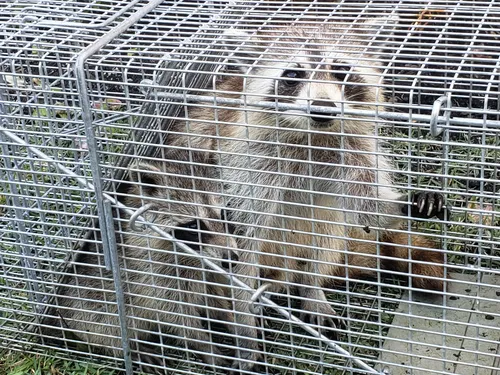
Roy's Wildlife And Pest Control
Cape Coral, FL
Roy's Wildlife And Pest Control provides pest, termite, and wildlife control services in Cape Coral, FL, and surrounding areas including Fort Myers and Bonita Springs. With over a decade of experience, the company uses kid-safe, pet-safe, and eco-friendly products to ensure effective and safe pest management. Their services cover a range of pest and wildlife issues, focusing on both residential and commercial needs. Roy's is known for its dedication to safe and thorough pest control solutions and offers service any time of the day or night.
Terminix
13891 Jetport Loop #19, Fort Myers, FL 33913
Terminix provides pest control services in Cape Coral, FL, addressing a wide range of pests including ants, bed bugs, termites, rodents, and wildlife. The company offers termite inspections and treatments, rodent prevention, and bee and wasp removal, backed by a nationwide network of expertise. Their local technicians understand the seasonal pest challenges in the area and customize plans to protect homes from infestations.
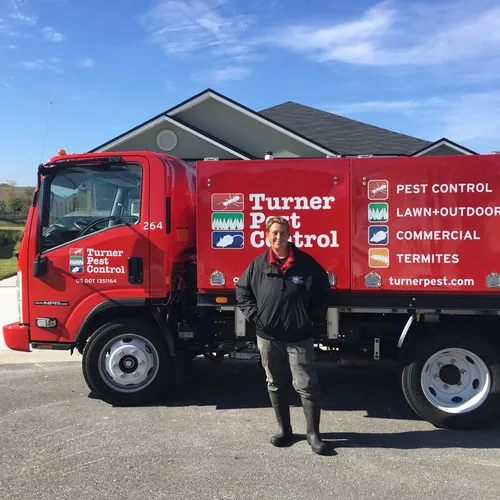
Turner Pest Control
12271 Towne Lake Dr, Fort Myers, FL 33913
Turner Pest Control serves Cape Coral, FL, offering a wide range of pest management solutions for residential and commercial properties. Their services include bed bug treatment, cockroach and ant control, rodent and termite management, mosquito control, bee and wasp removal, wildlife removal, and lawn and outdoor pest services. The company provides comprehensive indoor and outdoor pest protection, with specialized termite treatments such as Termidor, Premise, and eco-friendly Altriset options. Turner Pest Control has decades of experience serving the Fort Myers and Lee County area, tailoring treatments to local pest challenges and environmental conditions. They also emphasize eco-friendly pest control solutions that are safe for families and pets.
Paske Pest Control & Wildlife Solutions
1409 Ceitus Terrace Unit 6, Cape Coral, FL 33991
Paske Pest Control & Wildlife Solutions is a veteran-owned pest control company serving Cape Coral, FL. They provide a range of services including bed bug treatment, termite inspection and control, mosquito management, ant and cockroach extermination, and wildlife removal. The company offers same-day and emergency services, using safe products suitable for homes with children and pets. Their termite solutions focus on both eliminating existing colonies and preventing future infestations. Paske Pest Control also offers ongoing property care plans that include pest control, lawn care, and wildlife management tailored to local needs.
Common Nuisance Wildlife in Cape Coral
Cape Coral's unique ecosystem, with its canals and subtropical climate, supports a diverse mix of animals. Knowing which species you're dealing with is the first step toward an effective solution.
Mammals: Raccoons are clever, dexterous scavengers known for tipping over trash cans and nesting in attics or chimneys 1. Squirrels and rats can chew through wiring and insulation, creating fire hazards and costly damage. Opossums, while generally less destructive, may take up residence under decks or sheds. Bats can colonize attics, and though they are beneficial insect-eaters, their droppings pose health risks 2. Occasionally, more dangerous species like bobcats or wild hogs may venture into residential areas 3.
Reptiles: This category includes some of the most frequent calls for removal. Non-venomous snakes, like black racers or rat snakes, are common but often cause alarm. The presence of venomous species, such as cottonmouths or coral snakes, requires immediate professional attention. Invasive reptiles are a major issue; green iguanas damage seawalls, burrow under foundations, and leave droppings on pools and decks. The more aggressive Nile monitor lizard, though less common, is also present and poses a threat to pets.
Birds: Birds can become nuisances through noise, droppings, and property damage. Woodpeckers may drill into siding in search of insects or to create nesting cavities. Flocks of starlings or pigeons can roost in eaves, while the growing population of feral chickens in some neighborhoods creates ongoing noise and sanitation concerns.
What You Can Do: DIY Prevention & Humane Deterrence
Before wildlife becomes a full-blown infestation, proactive measures can make your property less attractive. The goal is to remove the food, water, and shelter that attract animals in the first place.
Habitat Modification is Key: This is your most powerful tool. Secure trash in wildlife-proof containers with locking lids. Never leave pet food outdoors overnight, and clean grease from barbecue grills after each use. Pick up fallen fruit from trees and keep compost bins securely covered. By eliminating these easy food sources, you encourage wildlife to move on.
Exclusion Techniques: Physically block animals from entering structures. Seal potential entry points on your roof, soffits, and foundation with sturdy materials like hardware cloth or steel wool. For woodpeckers, installing bird netting or mesh over affected siding can stop damage without harming the bird. Ensure chimney caps are secure and vent covers are intact.
Humane Deterrents: Visual and auditory scare tactics can be effective if used early and rotated regularly. Owl decoys or reflective tape can frighten birds and some small mammals 4. Motion-activated sprinklers or ultrasonic sound devices can startle animals away from gardens or patios. For rodents, some homeowners report success with sulfur-based or mustard/vegetable oil repellents around the perimeter 5.
Understanding Trapping Limits: For certain species like raccoons or squirrels, you may use live traps during daylight hours. However, Florida Fish and Wildlife Conservation Commission (FWC) regulations are strict. You must have written permission from the property owner to set a trap, and you are legally responsible for any animal you catch. It is illegal to relocate native wildlife off your property without a permit; trapped animals must be released humanely on-site or euthanized within 24 hours. Because of these complexities, trapping is often best left to professionals.
Navigating Florida's Wildlife Regulations
The FWC manages all native wildlife in Florida. Their regulations are designed to protect animal populations and ensure humane treatment, which directly impacts what homeowners and removal professionals can do.
Rules for Native Species: It is illegal to harm or kill most native wildlife without specific permits 6. This includes trapping and relocating animals like raccoons, opossums, and squirrels to another area, as this can spread disease and disrupt established populations 7. If you trap a native animal, you are required to release it on your property or humanely euthanize it. Feeding bears is illegal, and communities with bear activity may have specific ordinances 8.
Permits and Protected Species: Special nuisance wildlife permits from the FWC are required for certain activities, such as using steel or foothold traps, or for the removal of non-native birds like monk parakeets 9. All migratory birds, their eggs, and active nests are protected under federal law-you cannot disturb them without federal permits.
When to Call Animal Control or a Professional: This is a critical distinction. Local Animal Control services typically handle domestic animals (stray dogs/cats) and immediate public safety threats involving wildlife. You should contact them or a licensed wildlife removal operator for: venomous snakes on your property, a trapped or injured dangerous animal (like a bobcat or bear), or if you are simply unsure of the species or the laws involved 10. For ongoing nuisance issues like animals in the attic, a professional wildlife removal company is the appropriate call.
Find the perfect wildlife removal companies for your needs
Get personalized recommendations and expert advice
The Professional Wildlife Removal Process
Licensed wildlife control operators (WCOs) bring expertise, proper equipment, and knowledge of regulations to resolve conflicts effectively and legally. Here's what a professional service typically involves:
- Inspection & Assessment: The technician will identify the species, locate entry points, and assess the extent of the problem and any damage.
- Humane Removal & Trapping: Using species-appropriate methods, they will remove adult animals. This may involve live trapping, one-way exclusion doors, or direct extraction.
- Finding & Removing Young: A crucial step professionals understand is to search for and safely remove any babies (like raccoon kits or squirrel pups) to prevent odors and further issues.
- Cleanup & Decontamination: They will remove droppings, nesting materials, and urine-soaked insulation. Professional cleaning and disinfecting are vital to eliminate health hazards and odors.
- Exclusion & Repair: The final, most important step is sealing all entry points with durable materials to prevent re-entry. This may also include repairing damage to siding, roofing, or vents.
- Dead Animal Removal: Professionals can safely locate and remove carcasses from within walls, attics, or crawlspaces.
Understanding Wildlife Removal Costs in Cape Coral
The cost for professional animal control services varies widely based on several factors. The species is a primary driver; removing a rat or squirrel from an accessible attic is generally less complex than extracting a family of raccoons from a tight crawlspace. Invasive species like iguanas or venomous snakes often command higher fees due to the specialized handling required. The location and accessibility of the animal significantly impact price; an animal in a high, difficult-to-reach section of the attic will cost more to remove than one in an open garage. The scope of services needed also affects the final bill. A simple trapping job is less expensive than a full-service package that includes removal, decontamination, odor control, and permanent exclusion repairs.
While prices can range from hundreds to thousands of dollars, here are some general estimates for common services in the Cape Coral area: Squirrel or rat removal may range from $200 to $600+, while raccoon or opossum removal often falls between $300 and $800+ 11 12. Snake or iguana removal can cost between $250 and $700+, depending on the specific circumstances. The critical exclusion work to prevent future problems-sealing entry points and making repairs-can add anywhere from $150 to over $1,000 to the total project cost 12. Investing in proper exclusion is almost always more cost-effective than dealing with recurring infestations.
Frequently asked questions
Sources
Footnotes
-
Nuisance Wildlife Removal - Turner Pest Control - https://www.turnerpest.com/nuisance-wildlife-removal/ ↩
-
Overview of How to Stop Damage Caused by Nuisance Wildlife in ... - https://edis.ifas.ufl.edu/publication/UW368 ↩
-
I have a question about nuisance wildlife trapping. Do I need any ... - https://www.fdacs.gov/Business-Services/Pest-Control/Pest-Control-FAQ/I-have-a-question-about-nuisance-wildlife-trapping.-Do-I-need-any-sort-of-state-pest-control-license-to-trap-wild-hogs-raccoons-opossums-etc. ↩
-
Nuisance Wildlife - Solutions for Your Life - UF/IFAS Extension - https://sfyl.ifas.ufl.edu/natural-resources/nuisance-wildlife/ ↩
-
Cape Coral Wildlife Control / Florida Animal Removal - http://www.aaanimalcontrol.com/professional-trapper/city/fl-cape-coral.htm ↩
-
FAQs: Nuisance Wildlife | FWC - https://myfwc.com/conservation/you-conserve/wildlife/faqs/ ↩
-
Removing Nuisance Wildlife | FWC - https://myfwc.com/conservation/you-conserve/wildlife/remove/ ↩
-
Bylaw - FWC - https://myfwc.com/wildlifehabitats/wildlife/bear/living/community-group/bylaw/ ↩
-
Nuisance Wildlife Permits - FWC - https://myfwc.com/license/wildlife/nuisance-wildlife-permits/ ↩
-
Cape Coral Wild Animal Removal (888) 944-4474 - Florida ACM - https://animalcontrolmanagement.com/acm-nearby-2/?city=Cape%20Coral ↩
-
Cape Coral Wildlife Control - https://totalwildlifecontrol.com/florida/cape-coral/ ↩
-
Cape Coral Wildlife Removal, Pest Animal Control FL - http://www.wildlife-removal.com/city/FL-Cape-Coral.htm ↩ ↩2