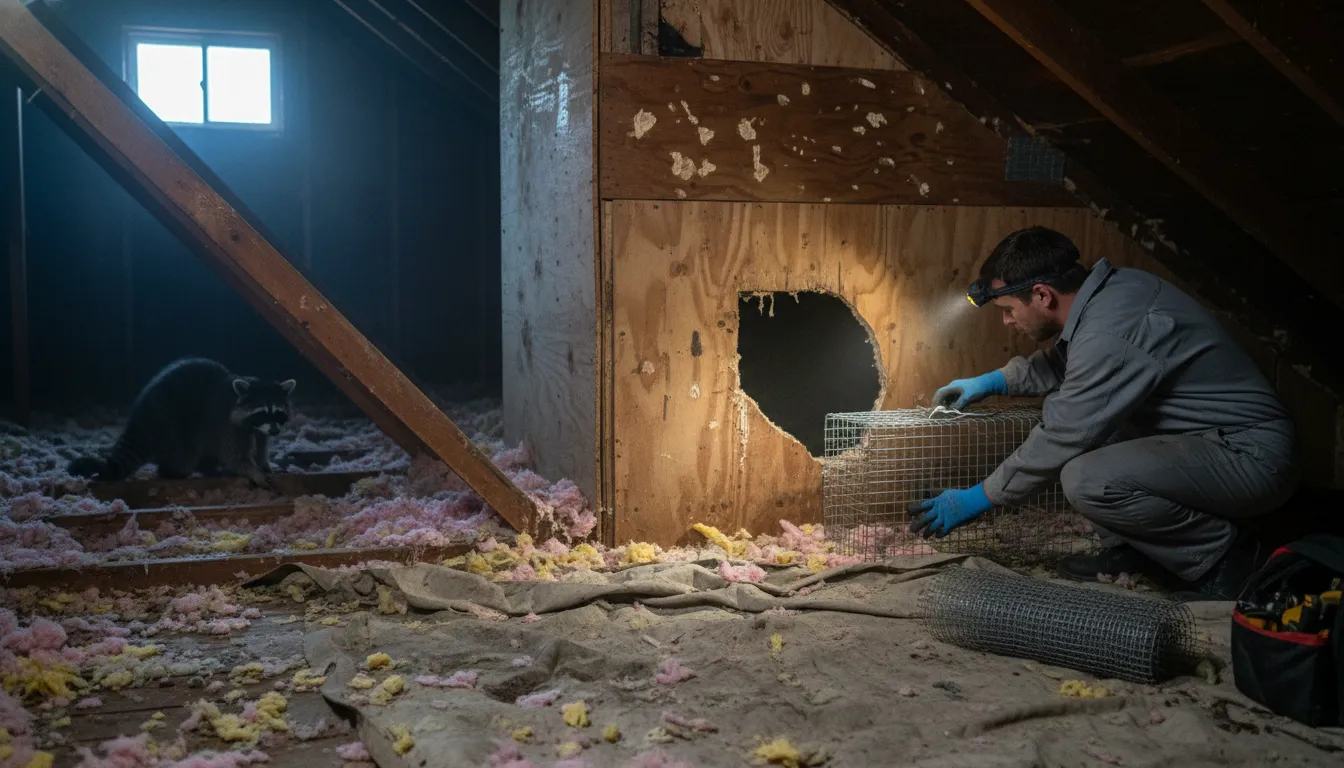
Find the Best Wildlife Removal Companies for Your Business
No obligation • Fast responses • Nationwide coverage

Why you can trust Pest Crews
Pest Crews is a leading U.S. resource for finding and evaluating residential and commercial pest control services. Our team researches providers, reviews treatment approaches, and organizes unbiased information to help you make informed decisions. Companies cannot pay to change our editorial content or influence how they appear.
Search providers near you
Top Wildlife Removal Companies in Orlando, Florida Ranked
Living in Orlando means enjoying a vibrant mix of urban life and natural beauty. However, this proximity to nature often brings uninvited guests into our homes and yards. From raccoons in the attic to armadillos tearing up the lawn, nuisance wildlife can cause significant property damage and pose health risks. This guide explains the common wildlife issues in Orlando, outlines your legal options for animal control, and helps you understand when and how to find a licensed professional to safely and effectively resolve the problem.
Custom Pest Solutions Inc
2200 N Forsyth Rd K-09, Orlando, FL 32807
Custom Pest Solutions Inc is a pest control and wildlife removal company based in Orlando, FL. They provide customized pest and animal control services tailored to the unique environments of homes and businesses in Central Florida. Their approach emphasizes green pest control methods that are environmentally responsible and safe for families, pets, and employees. The company uses integrated pest management strategies, including preventative measures and habitat modification, to manage pests sustainably while protecting the comfort and security of their clients' properties.

RH Miller Pest Services, Inc
137 Concord Dr STE 1101, Casselberry, FL 32707
RH Miller Pest Services, Inc is a pest control company based in Orlando, FL, serving both residential and commercial clients. They provide a range of services including rodent control, termite inspections, wildlife removal, and lawn application treatments. The company offers Integrated Pest Management (IPM) and rodent exclusion as part of their capabilities. Appointments are typically available Monday through Friday during regular business hours.
Mr Roland Pest Control, LLC
1830 Island Walk Dr, Orlando, FL 32824
Mr Roland Pest Control, LLC is a family-owned pest control company based in Orlando, FL, serving residential and commercial properties in the area and surrounding Central Florida. With over six years of experience, they provide licensed and certified pest control services including rodent removal, bed bug treatment, mosquito reduction, termite services, and wildlife relocation. Their approach includes not only extermination but also decontamination of affected areas to ensure thorough pest management.
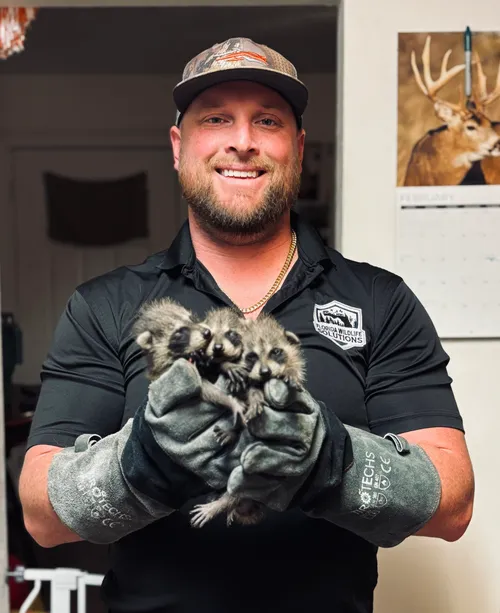
Florida Wildlife Solutions
Orlando, FL
Florida Wildlife Solutions is a wildlife removal company based in Orlando, FL. They provide humane wildlife removal services that include safe animal relocation, cleanup of hazardous materials, and property repairs to prevent future infestations. Their approach focuses on protecting both the property and the local wildlife while addressing health risks associated with unwanted animals. The company emphasizes humane methods and thorough cleanup to restore and secure homes.
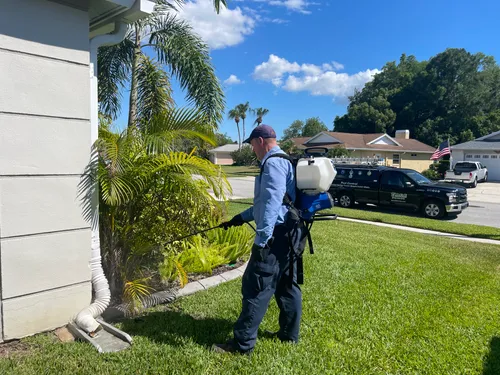
McCall Pest & Wildlife - Orlando
5892 S Semoran Blvd Building B, Orlando, FL 32822
McCall Pest & Wildlife - Orlando provides pest control services in Orlando, FL, addressing common pests such as cockroaches, ants, rodents, termites, mosquitoes, and wildlife. With over 80 years of experience, the company offers both residential and commercial pest management solutions, including termite inspections and mosquito control. Their QualityPro-certified technicians use Integrated Pest Management plans tailored to each client's needs to manage and prevent pest issues effectively.
Common Nuisance Wildlife in Orlando
Orlando's unique ecosystem, blending suburban neighborhoods with wetlands and wooded areas, creates ideal habitats for a variety of wildlife. When these animals seek food, water, or shelter, they often conflict with human spaces. Understanding which species are most likely to become a problem is the first step in managing them.
- Raccoons, Opossums, & Skunks: These nocturnal scavengers are frequent visitors, attracted by unsecured garbage, pet food, and compost. Raccoons are particularly adept at tearing into roof vents or soffits to access attics for nesting. It's important to note that raccoons are a primary rabies carrier in Florida and should never be approached.
- Rodents (Rats & Mice): More than just a nuisance, rodents pose serious risks. They can chew through electrical wiring, creating fire hazards, and contaminate surfaces with droppings that spread diseases. They frequently nest in insulation within attics and wall voids.
- Squirrels: While charming in the park, squirrels can be destructive in homes. They often enter attics through small gaps near the roofline, where they nest, chew on wood and wires, and store food. They also raid bird feeders and gardens.
- Armadillos: Known for their distinctive digging, armadillos root through lawns and gardens in search of insects. Their burrowing can damage landscaping, foundations, and irrigation systems.
- Bats: Bats are beneficial for insect control but become a problem when they roost in attics or wall spaces. Their accumulated droppings (guano) can cause structural damage, produce strong odors, and pose respiratory health risks.
- Snakes: Central Florida is home to several venomous species, including the Eastern Diamondback Rattlesnake and the Pigmy Rattler. However, most snakes encountered are harmless. They typically become a nuisance issue only when they enter a home or garage 1 2.
- Wild Hogs & Coyotes: These larger animals are more common in Orlando's rural-adjacent areas but are increasingly seen in suburbs. Wild hogs can devastate landscaping, while coyotes may prey on small pets and pose a threat to livestock 3.
Florida Laws and Homeowner Responsibilities
In Florida, wildlife removal is primarily regulated by the Florida Fish and Wildlife Conservation Commission (FWC). State law allows property owners to take action against nuisance wildlife that is causing property damage, posing a threat to human safety, or causing an annoyance within a building on their own property.
What Homeowners Can Do:
- Prevention: The most effective and recommended do-it-yourself strategy is exclusion and habitat modification. This includes securing trash cans with tight-fitting, locking lids, sealing potential entry points (like gaps in eaves, roof vents, and foundations), and not leaving pet food outdoors overnight.
- Trapping: Residents may use live traps or snares during daylight hours to capture common nuisance animals like raccoons, opossums, and armadillos. However, strict rules apply to the disposal of trapped animals.
Critical Legal Requirements:
- Disposition of Trapped Animals: Animals captured alive must be legally released on-site or humanely euthanized within 24 hours. Relocating wildlife off your property is highly restricted. It requires written permission from the landowner of a suitable 40-acre release site within the same county, making it impractical for most homeowners 4.
- Prohibited Methods: It is illegal in Florida to poison or drown nuisance wildlife. It is also against the law to disturb protected species, especially during nesting seasons 5 6.
- Permits: Certain activities, such as using steel traps or firearms at night for specific species, may require a permit from the FWC.
For most effective and legal resolution, consulting or hiring a professional is advised.
When to Call Animal Services vs. a Wildlife Professional
It's crucial to know which agency to contact, as local government services have limited scope for wildlife issues.
Contact Orange County Animal Services (407-836-3111) or the FWC's Wildlife Alert Hotline (1-888-404-FWCC) for:
- Injured, Sick, or Orphaned Wildlife: A young animal alone does not always mean it's orphaned. Contact experts for guidance before intervening 7 8.
- Immediate Public Safety Threats: This includes aggressive bears, alligators in populated areas, or venomous snakes inside a home 9 10.
- High-Risk Rabies Carriers: Raccoons, foxes, skunks, or bats that are acting disoriented, paralyzed, or aggressive.
Important Note: Orange County Animal Services focuses on domestic animals (dogs and cats). They will respond to injured or sick wildlife but do not provide trapping services for healthy nuisance animals 11.
Find the perfect wildlife removal companies for your needs
Get personalized recommendations and expert advice
For typical nuisance situations, you need a private, state-licensed Nuisance Wildlife Control Operator (NWCO). This includes:
- An animal actively living in your attic, walls, or chimney.
- Persistent digging or damage to your yard or garden.
- The need for trapping, removal, and permanent exclusion work.
- Cleanup of hazardous waste like bat guano or rodent droppings.
The FWC maintains a directory of licensed trappers to assist residents with these specific scenarios 12 13.
The Professional Wildlife Removal Process
A reputable wildlife control service follows a comprehensive process that goes beyond simple trapping to ensure the problem is solved for good.
- Inspection and Assessment: A technician will perform a thorough inspection of your property to identify the species involved, locate all entry points, and assess the extent of the damage and contamination.
- Humane Removal and Trapping: Using species-appropriate, humane methods, the professional will remove the animals. This may involve live trapping, one-way exclusion doors, or other techniques.
- Exclusion and Repair: This is the most critical step to prevent recurrence. All identified entry points are permanently sealed with durable materials like steel mesh, hardware cloth, or specialized flashing. Without proper exclusion, new animals will simply move in.
- Cleanup and Sanitation: If animals have been living in an area, professional cleanup is often necessary. This involves removing contaminated insulation, droppings, and nesting materials and applying enzymatic cleaners and disinfectants to eliminate odors and health hazards.
- Restoration: Finally, any structural damage caused by the wildlife (chewed wires, damaged ductwork, torn insulation) is repaired to restore your home to its original condition.
Understanding Costs for Wildlife Control
The cost for professional wildlife removal in Orlando varies significantly based on the animal, the severity of the infestation, the location of the problem, and the extent of necessary repairs 14.
- Inspection/Service Fee: Most companies charge an initial trip fee, typically ranging from $75 to $150+, for the assessment and initial service call 15 16.
- Trapping and Removal: The cost to trap and remove animals can range from $100 to $500 or more, depending on the number of traps needed, the type of animal, and the time required 17 18.
- Exclusion and Damage Repair: This is often the most substantial part of the investment. Permanently sealing a home against wildlife and repairing damage (e.g., attic restoration, vent repairs) can cost several hundred to thousands of dollars, but it is essential for a long-term solution 19.
- Rodent Removal: For rats and mice, a complete service usually involves trapping, removal, and critical exclusion work to seal every possible entry point. A comprehensive job typically costs several hundred dollars.
Always request a detailed, written estimate that breaks down inspection, removal, exclusion, and repair costs before work begins.
Prevention: Your First Line of Defense
Taking proactive steps is the most effective and affordable way to avoid wildlife conflicts.
- Secure Food Sources: Use locking lids on trash and compost bins. Feed pets indoors and never leave food bowls outside overnight. Use squirrel-proof bird feeders or place them away from the house.
- Eliminate Shelter: Keep yards tidy by trimming tree branches back at least 6-8 feet from the roofline. Store firewood and building materials off the ground and away from your home's exterior.
- Seal Entry Points: Conduct seasonal inspections of your home's exterior. Seal any cracks, gaps, or holes larger than a quarter-inch with high-quality materials. Pay special attention to areas where utility lines enter, roof vents, soffits, and foundation gaps.
- Manage Water: Repair leaky faucets and downspouts. Ensure proper drainage so water doesn't pool near your foundation, as this attracts insects and the animals that eat them.
Frequently asked questions
Sources
Footnotes
-
What Is Considered a Nuisance Animal in Florida? - https://www.turnerpest.com/what-is-considered-a-nuisance-animal-in-florida/ ↩
-
Common Nuisance Wildlife Species - Florida Animal Control - http://www.247wildlife.com/nuisancewildlifespecies.htm ↩
-
Nuisance Wildlife - Solutions for Your Life - UF/IFAS Extension - https://sfyl.ifas.ufl.edu/natural-resources/nuisance-wildlife/ ↩
-
Nuisance Wildlife - Solutions for Your Life - UF/IFAS Extension - https://sfyl.ifas.ufl.edu/natural-resources/nuisance-wildlife/ ↩
-
Protected Wildlife Species in Florida - https://www.flapest.com/protected-wildlife-species-florida/ ↩
-
Nuisance Wildlife Removal - https://www.turnerpest.com/nuisance-wildlife-removal/ ↩
-
Injured and Orphaned Wildlife | FWC - https://myfwc.com/conservation/you-conserve/wildlife/injured-orphaned/ ↩
-
Wildlife Help and Advice - Florida Wildlife Hospital & Sanctuary - https://floridawildlifehospital.org/wildlife-help-and-advice/ ↩
-
When Should I Contact Animal Control For Wildlife? - https://www.youtube.com/watch?v=WwXMTMmHhFk&t=17 ↩
-
Florida Wildlife: Respect It - Orange County Sheriff's Office - https://www.ocso.com/en-us/Public-Interest/Safety-Tips/Tourist-Safety/Respect-Floridas-Wildlife ↩
-
Frequently Asked Questions, Orange County Animal Services - http://www.orangecountyanimalservicesfl.net/aboutus/faq.aspx ↩
-
FAQs: Nuisance Wildlife - FWC - https://myfwc.com/conservation/you-conserve/wildlife/faqs/ ↩
-
When Should You Call For Professional Wildlife Removal? - https://www.mccallservice.com/blog/when-should-you-call-for-professional-wildlife-removal/ ↩
-
Orlando Pest Wildlife Control, FL - Frequently Asked Questions - http://www.aaanimalcontrol.com/faq.htm ↩
-
Wildlife Exclusion Services - https://www.fullscopepestcontrol.com/what-is-wildlife-exclusion-2/ ↩
-
Wildlife removal cost: What you need to know - https://azbigmedia.com/lifestyle/wildlife-removal-cost-what-you-need-to-know/ ↩
-
Critter Control of Greater Orlando - https://www.crittercontrol.com/office-finder/florida/orlando/ ↩
-
Orlando Wildlife Animal Control - http://www.wildlifeanimalcontrol.com/Orlando.html ↩
-
Wildlife Exclusion in Texas: Keep Animals Out of Your Home - https://www.fullscopepestcontrol.com/wildlife-exclusion-in-texas/ ↩