Find the Best Wildlife Removal Companies for Your Business
No obligation • Fast responses • Nationwide coverage
Why you can trust Pest Crews
Pest Crews is a leading U.S. resource for finding and evaluating residential and commercial pest control services. Our team researches providers, reviews treatment approaches, and organizes unbiased information to help you make informed decisions. Companies cannot pay to change our editorial content or influence how they appear.
Search providers near you
Top Wildlife Removal Companies in Port St Lucie, Florida Ranked
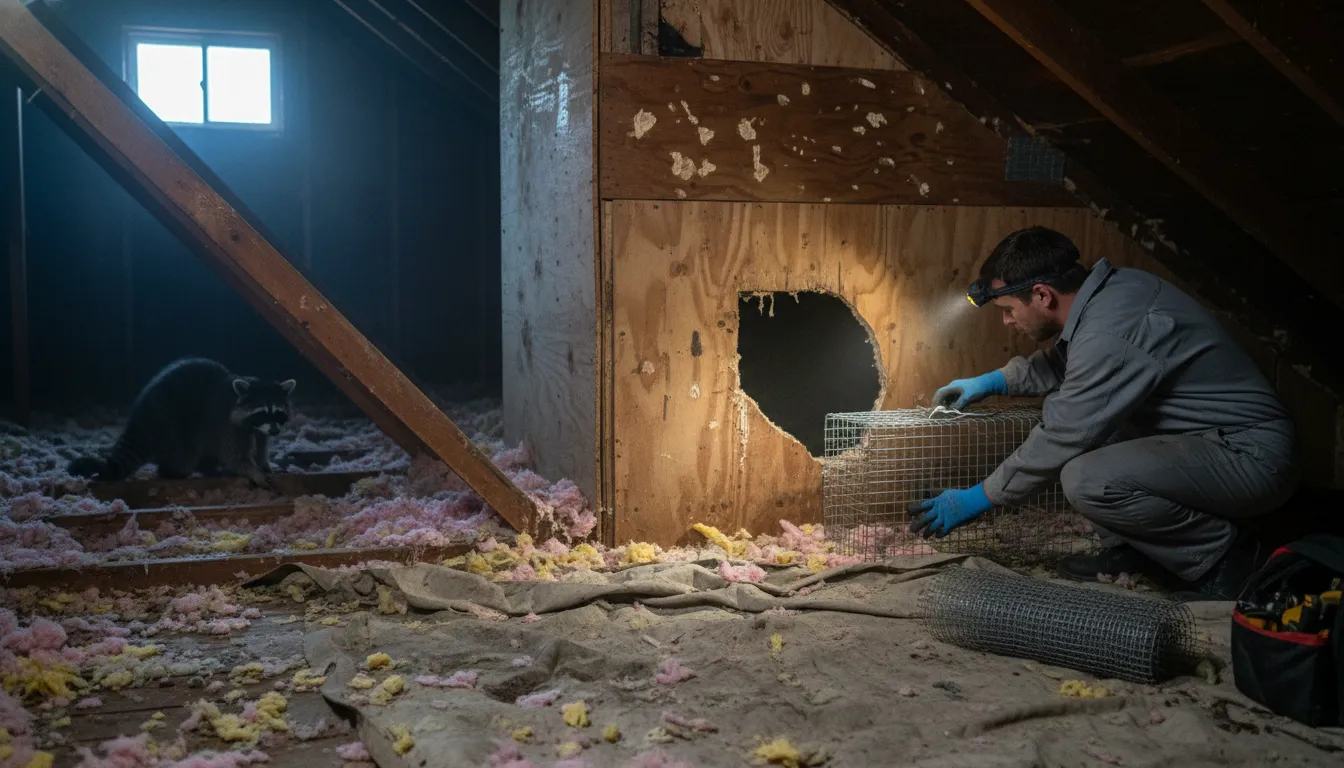
Living alongside Florida's diverse wildlife is part of the charm of Port St. Lucie, but when raccoons raid your attic or rats nest in your walls, that charm quickly fades. Wildlife removal and animal control are essential services for resolving conflicts with nuisance creatures safely and legally. This guide explains the common wildlife issues in our area, outlines your options for do-it-yourself prevention and control, and details when and how to contact professional animal trappers or local authorities. You'll find actionable information to protect your home and understand the regulations that keep both residents and local wildlife safe.
Reynolds Pest Management, Inc.
1572 SE South Niemeyer Cir, Port St. Lucie, FL 34952
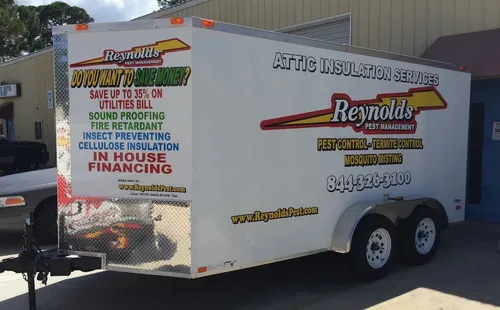
Reynolds Pest Management, Inc. is a family-owned pest control company serving Port St Lucie, FL, and surrounding areas including Jupiter and South Florida. Established in 1991, they provide a range of pest management services such as bed bug treatment, termite inspections, rodent control, mosquito control, and wildlife removal. With over 25 years of experience, Reynolds Pest Management offers comprehensive solutions for both residential and commercial properties.

PURCOR Pest Solutions
582 NW University Blvd Ste: 200, Port St. Lucie, FL 34986
PURCOR Pest Solutions provides pest and termite control services in Port St Lucie, FL. They manage ants, mice, spiders, roaches, rodents, and seasonal invaders for both residential and commercial properties. Their licensed professionals also offer wildlife removal and cleanup services after infestations, focusing on minimizing environmental impact. PURCOR is locally managed and committed to serving the community with expert pest prevention and control solutions.
Green Pest Services
11958 SW Tom Mackie Blvd Suite 104, Port St. Lucie, FL 34987
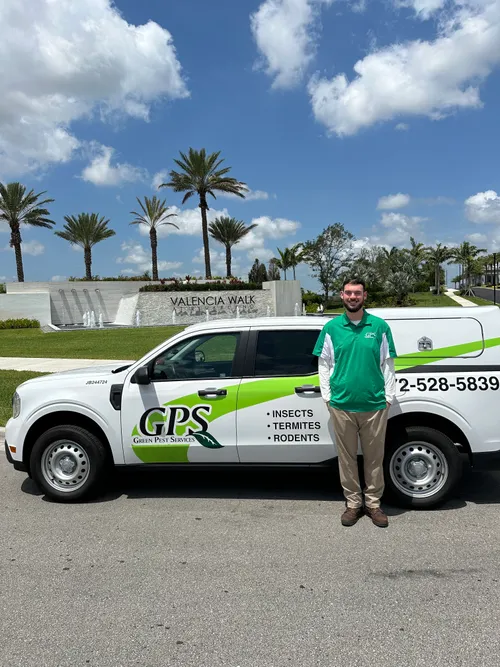
Green Pest Services is a pest control company based in Port St Lucie, FL, serving the Treasure Coast including Palm City, Stuart, Jensen Beach, and surrounding areas. They offer residential and commercial pest management with a focus on eco-friendly and traditional treatments for ants, termites, rodents, cockroaches, mosquitoes, bees, wasps, and wildlife removal. Their services include ongoing pest prevention plans tailored to Florida's climate and pest challenges, using pet- and child-safe products such as essential oils and refined minerals. Green Pest Services is locally owned and familiar with the unique pest issues in the region, providing fast, same-day appointments and a multi-method approach to pest control.
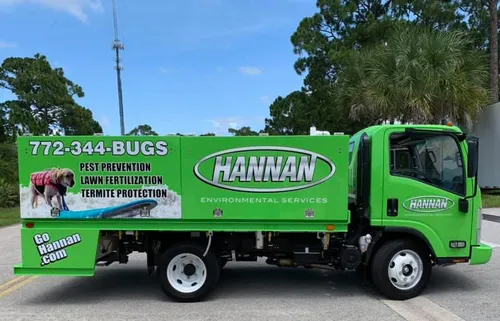
Hannan Environmental Services Inc
560 NW Interpark Pl, Port St. Lucie, FL 34986
Hannan Environmental Services Inc is a locally owned pest control company based in Port St Lucie, FL. Since 2001, they have provided pest management, termite treatments, mosquito control, wildlife removal, and lawn care services across South Florida, including St Lucie, Martin, Indian River, Okeechobee, and Northern Palm Beach counties. Their team specializes in identifying local pest challenges and uses advanced technology to deliver tailored and effective solutions for both residential and commercial properties. They also offer humane wildlife removal and long-term prevention strategies to protect homes and businesses.

RATMAN WILDLIFE TRAPPING & REMOVAL
Port St Lucie, FL
RATMAN WILDLIFE TRAPPING & REMOVAL is a family-owned and locally operated business based in Port St Lucie, FL. They provide rodent control, wildlife removal, and pest control services throughout the Treasure Coast, including areas from Jupiter to Vero Beach. Their expertise includes trapping and removing raccoons, rats, bats, squirrels, and offering interior pest control solutions. The company emphasizes fair pricing, honesty, and effective, lasting results to help keep homes and businesses secure.
Common Nuisance Wildlife in Port St. Lucie
Port St. Lucie's suburban landscape, dotted with waterways and green spaces, is attractive to both people and animals. Understanding which species commonly become pests is the first step in managing them.
- Raccoons and Opossums: These intelligent, nocturnal mammals are often drawn to residential areas by the promise of an easy meal. Unsecured trash cans, pet food left outdoors, and accessible compost piles are major attractants. Once they've identified a food source, they may seek shelter, often finding their way into attics, crawl spaces, or under decks to den. Their presence can lead to significant property damage and noise disturbances.
- Rodents (Rats and Mice): Rodents are a year-round concern, seeking entry into homes to find food and nesting sites. They can squeeze through holes as small as a quarter-inch, making garages, attics, and wall voids prime real estate. Beyond the unsettling noises, they pose serious risks by gnawing on electrical wiring (a fire hazard), contaminating insulation with droppings, and damaging stored belongings.
- Bats: While bats play a crucial role in controlling insect populations, a colony roosting in your attic is a significant problem. Bat guano (droppings) can accumulate quickly, creating odor issues and potential health risks from histoplasmosis, a respiratory disease associated with fungal spores in disturbed droppings. Critically, bats in Florida are protected, and exclusion work-the only legal and effective removal method-is restricted outside of the maternity season (typically April through August) to avoid trapping flightless young inside.
- Protected Species (Gopher Tortoises): The gopher tortoise is a keystone species protected under state law. If one takes up residence on your property, you cannot simply remove it. Disturbing a tortoise burrow or relocating the animal requires specific permits from the Florida Fish and Wildlife Conservation Commission (FWC). Attempting to handle this yourself can result in significant fines.
Effective Prevention: Your First Line of Defense
The most effective and humane strategy for wildlife control is to make your property less inviting in the first place. Proactive prevention saves time, money, and stress.
- Eliminate Food Sources: This is the single most important step. Use trash cans with tight-fitting, locking lids. Store bags of pet food and bird seed in sealed metal or heavy plastic containers. Clean up fallen fruit from trees and avoid leaving pet food bowls outside overnight.
- Secure Entry Points: Conduct a thorough inspection of your home's exterior. Seal any cracks, holes, or gaps larger than 1/4 inch using high-quality materials like hardware cloth, steel wool, or concrete. Pay special attention to areas where utility lines enter the house, roof vents, soffits, and gaps under doors 1.
- Modify the Habitat: Trim tree branches back at least six feet from your roofline to eliminate highways for squirrels and raccoons. Keep shrubbery and vegetation trimmed away from the foundation. Ensure crawl space vents are intact and secure.
- Use Deterrents Thoughtfully: Visual deterrents like plastic owls or reflective tape may provide temporary relief for bird issues, but wildlife often habituates to them. It is illegal to harm or trap most native birds without a permit 2. For persistent problems, professional advice is best.
DIY Wildlife Control: What You Can (and Can't) Do
For minor issues, a hands-on approach may be feasible, but it's vital to operate within the bounds of Florida law for both your safety and the animal's.
- Live Trapping: If prevention fails, live trapping is a common DIY method. However, the FWC has strict regulations. You must check traps at least once every 24 hours. Any non-target animal (like a neighbor's cat) must be released immediately. For target nuisance wildlife, you have two legal options: humanely euthanize the animal or release it on the property where it was captured with the property owner's permission. Relocating wildlife to parks, preserves, or other people's land is illegal and ecologically harmful.
- Exclusion for Bats: As mentioned, bat exclusion is highly regulated. DIY attempts during the maternity season can lead to dead young bats in your walls and legal trouble. This work is best left to licensed professionals who understand the legal timing and proper techniques 3.
- Handling Dead Animals: For the removal of a deceased animal from your property, wear gloves, place the carcass in sealed plastic bags, and dispose of it with your regular trash. For animals in hard-to-reach areas like inside walls, professional removal is often necessary to prevent odor and insect issues.
Find the perfect wildlife removal companies for your needs
Get personalized recommendations and expert advice
When to Call for Professional Animal Control Help
Knowing when a situation is beyond a DIY fix is crucial for a swift and compliant resolution. Professional wildlife removal operators and local animal control officers have the expertise, equipment, and legal authority to handle complex cases.
- For Immediate Threats or After-Hours Emergencies: If a wild animal is inside your living space, is acting aggressively, appears sick (e.g., disoriented, foaming at the mouth), or poses an immediate danger, contact the Port St. Lucie Police Department by calling 911. Dispatchers can send appropriate assistance during evenings, nights, and weekends.
- For Ongoing Nuisance Complaints: For non-emergency situations-such as a neighbor consistently feeding wildlife that then becomes a problem, or a known den on public property-you can contact Port St. Lucie Animal Control during regular daytime business hours to file a complaint 4 5.
- For Protected Species: Any activity involving a gopher tortoise, its burrow, or other protected wildlife requires coordination. Professionals can navigate the FWC permit process for legal and ethical relocation if necessary 6.
- For Extensive Infestations or Exclusion Work: A significant rodent infestation, a bat colony in the attic, or the need for comprehensive home sealing (exclusion) to prevent future entries are jobs for licensed wildlife trappers. They can not only remove the current animals but also identify and seal all potential entry points to provide a long-term solution 7.
Understanding Local Regulations and Costs
Navigating the rules ensures your actions are legal and ethical. The primary regulator for wildlife in Florida is the Florida Fish and Wildlife Conservation Commission (FWC).
- FWC Oversight: The FWC sets all regulations concerning the trapping, handling, and removal of nuisance wildlife. Their guidelines dictate trap check times, legal release methods, and which species require special permits for any action 8.
- The Relocation Myth: Many people think relocating a problem animal is the humane solution. The FWC strongly discourages this. Relocated animals often struggle to find food and shelter in unfamiliar territory, can spread disease, and may simply become someone else's problem. The legal requirement is to release on-site (with permission) or humanely euthanize 9 10.
- Permit Requirements: Beyond gopher tortoises, permits from the FWC may be required for the lethal control of certain species like bears, or for specific nuisance wildlife control activities conducted as a business or on a large scale 11.
- Cost Considerations: The price for wildlife removal services in Port St. Lucie varies based on the species, the extent of the problem, and the work required. Simple services like removing a dead animal or trapping a single opossum may start around $100 or more 12 13. More involved jobs, such as full rat eradication, bat exclusion, or installing comprehensive rodent-proofing on a home, will be a more significant investment but provide permanent protection 14 12. Always get a detailed, written estimate before work begins.
Creating a Wildlife-Resistant Home
A long-term strategy combines immediate action with ongoing vigilance. Start with the prevention steps outlined above. If you experience an issue, assess whether it's a one-time minor problem you can handle legally or a sign of a larger infestation. Don't hesitate to consult with a licensed professional for an inspection; they can often spot vulnerabilities you might miss. Finally, stay informed about local wildlife activity and continue practicing good "housekeeping" in your yard to maintain a peaceful coexistence with Port St. Lucie's natural inhabitants.
Frequently asked questions
Sources
Footnotes
-
Nuisance Wildlife Guide | Animal Control - City of Port St. Lucie - https://www.yumpu.com/en/document/view/24491084/nuisance-wildlife-guide-animal-control-city-of-port-st-lucie ↩
-
Overview of How to Stop Damage Caused by Nuisance Wildlife in ... - https://edis.ifas.ufl.edu/publication/UW368 ↩
-
Nuisance Wildlife - Solutions for Your Life - UF/IFAS Extension - https://sfyl.ifas.ufl.edu/natural-resources/nuisance-wildlife/ ↩
-
Wildlife | St. Lucie County, FL - https://www.stlucieco.gov/departments-and-services/public-safety/animal-safety/wildlife ↩
-
Animal Control - Port St. Lucie Police Department - https://www.pslpolice.com/Get-Service/Animal-Control ↩
-
Wildlife | Port St. Lucie Police Department - https://www.pslpolice.com/Get-Service/Animal-Control/Wildlife ↩
-
Wildlife Removal Saint Lucie - https://treasure-coast.aaacwildliferemoval.com/service-area/saint-lucie ↩
-
Nuisance Wildlife Removal - Turner Pest Control - https://www.turnerpest.com/nuisance-wildlife-removal/ ↩
-
FAQs: Nuisance Wildlife | FWC - https://myfwc.com/conservation/you-conserve/wildlife/faqs/ ↩
-
Nuisance Wildlife Guide | Animal Control - https://www.pslpolice.com/files/assets/public/v/1/departments/animal-control/documents/nuisance-wildlife-guide.pdf ↩
-
Nuisance Wildlife Permits - FWC - https://myfwc.com/license/wildlife/nuisance-wildlife-permits/ ↩
-
Prices for Port St. Lucie Wildlife Pest Control Animal Trapping - http://www.aaanimalcontrol.com/Professional-TRAPPER/prices/FL-Port-St-Lucie-prices.htm ↩ ↩2
-
Wildlife Removal Port Saint Lucie - https://treasure-coast.aaacwildliferemoval.com/service-area/port-saint-lucie ↩
-
Wildlife Control in Port St. Lucie - https://www.crittercontrol.com/office-finder/florida/treasure-coast/port-st-lucie/ ↩