Find the Best Wildlife Removal Companies for Your Business
No obligation • Fast responses • Nationwide coverage

Why you can trust Pest Crews
Pest Crews is a leading U.S. resource for finding and evaluating residential and commercial pest control services. Our team researches providers, reviews treatment approaches, and organizes unbiased information to help you make informed decisions. Companies cannot pay to change our editorial content or influence how they appear.
Search providers near you
Best Wildlife Removal Companies in North Carolina Ranked
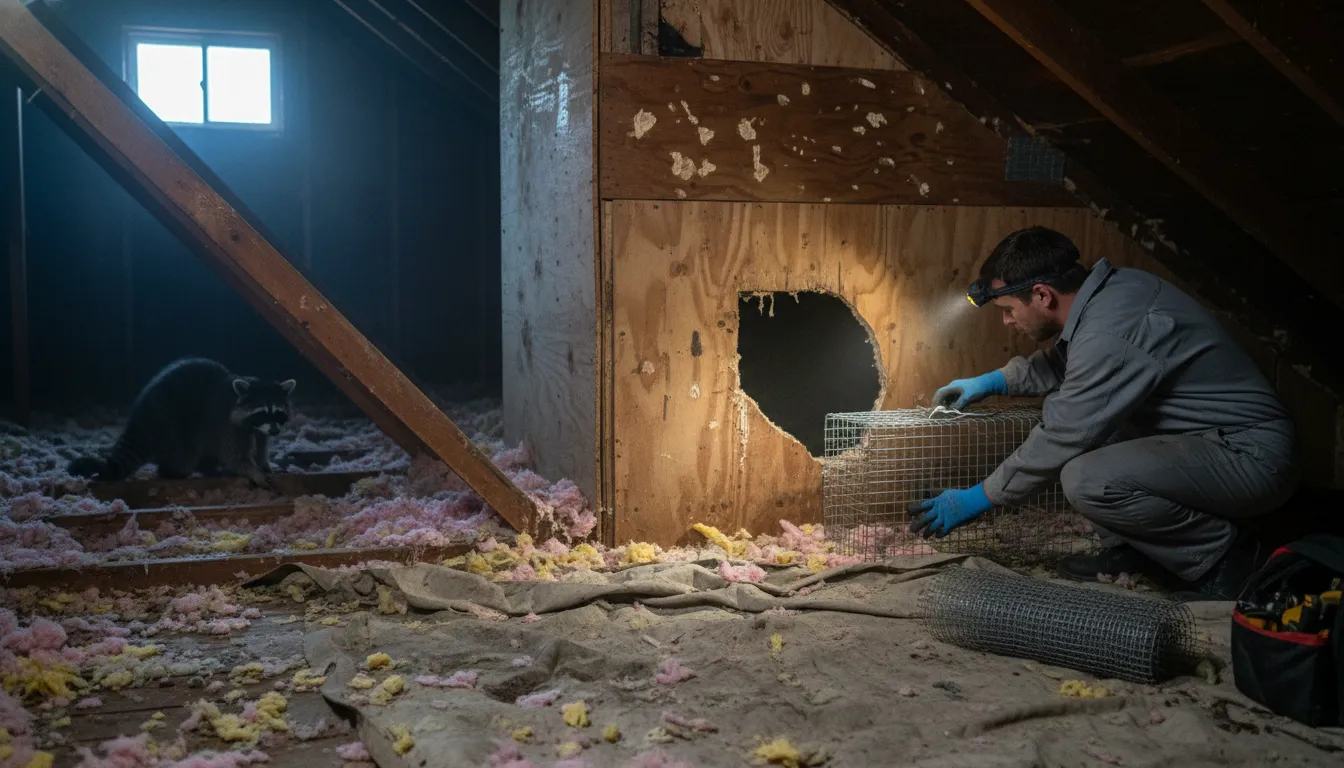
Finding an uninvited wild animal in your home or business can be unsettling. Whether it's a raccoon in the attic, squirrels in the walls, or snakes in the garden, these encounters require a safe and legal response. Wildlife removal in North Carolina is governed by specific state regulations designed to protect both people and animals. This guide explains the rules, processes, and typical costs involved, helping you understand your options and connect with qualified local professionals who can resolve the issue effectively.
Noosa Pest Management LLC
6916 Rea Croft Dr, Charlotte, NC 28226
Noosa Pest Management LLC is a locally owned pest control company serving Charlotte, NC. They provide a range of residential and commercial pest management services including bed bug treatment, ant and rodent control, termite inspections, mosquito control, bee and wasp removal, bird and wildlife control, and crawl space encapsulation. Their approach emphasizes environmentally friendly and botanical pest control solutions, integrating natural treatments and comprehensive inspections to address pest issues effectively. Noosa Pest Management also offers specialized termite control and uses heat treatment for bed bugs. They participate in the EPA's Pesticide Environmental Stewardship Program and focus on minimizing chemical use. The company is known for its thorough inspections, customized treatment plans, and ongoing maintenance visits. Noosa Pest Management is family-operated and prioritizes eco-conscious methods while covering a wide range of pests common in the Charlotte area.
City Wide Exterminating
140 Cabarrus Ave W STE 1, Concord, NC 28025
City Wide Exterminating is a family-owned pest control company serving Charlotte, NC, and surrounding areas. They offer a wide range of pest management services including bed bug treatment, termite inspections, rodent and wildlife removal, mosquito control, and commercial pest control. Founded in 2000, the company emphasizes environmentally responsible and pet-friendly solutions to protect homes and businesses. Their technicians provide tailored pest inspections and treatments, with a focus on long-term prevention. City Wide Exterminating also offers service guarantees and works to accommodate customers' schedules.
City Wide Exterminating
6025 Blakeney Park Dr #202, Charlotte, NC 28277
City Wide Exterminating is a family-owned pest control company serving Charlotte, NC, and surrounding areas including Concord, Mooresville, and Locust. Established in 2000, they offer comprehensive pest management services for residential and commercial properties. Their services include treatment and removal of bed bugs, ants, cockroaches, rodents, termites, mosquitoes, and wildlife. City Wide Exterminating provides tailored pest inspections and ongoing maintenance plans to help keep properties pest-free. They emphasize environmentally responsible and pet-friendly solutions and offer a service guarantee with additional treatments included on annual plans.
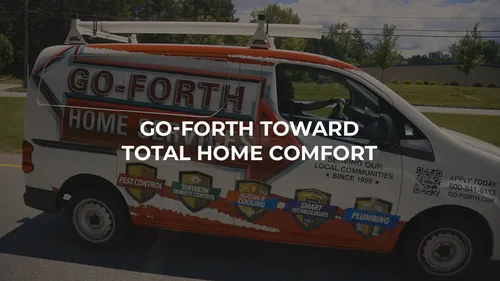
Go-Forth Pest Control
1974 Carolina Pl Ste 120, Fort Mill, SC 29708
Go-Forth Pest Control is a pest management company based in Charlotte, NC, serving the Fort Mill area and nearby towns. They provide a wide range of pest control services including ant, cockroach, flea, mosquito, rodent, bed bug, termite, bee, wasp, and wildlife removal. The company uses pet- and kid-friendly products and applies the latest pest management technologies to protect homes and businesses. Established in 1959, Go-Forth Pest Control has decades of experience and offers same-day service to address pest issues promptly.

Terminix Triad
8216 B & G Ct, Stokesdale, NC 27357
Terminix Triad is a pest control company serving Winston Salem, NC, and nearby areas. They provide pest extermination services for common pests such as cockroaches, ants, rodents, and termites, as well as wildlife removal. Terminix Triad uses targeted, eco-friendly treatments designed to eliminate infestations safely for families and pets. The company has over 14 years of experience in termite protection and general pest control, including the use of bait traps to prevent termite damage.
Understanding North Carolina's Wildlife Regulations
North Carolina has clear laws managed by the NC Wildlife Resources Commission (NCWRC) that dictate what you can and cannot do when dealing with nuisance wildlife. The core principle is that most wildlife is protected, and removal methods are strictly regulated to ensure humane treatment and ecological balance 1.
A critical rule to understand upfront is the prohibition on relocation. It is illegal to trap and relocate many common species-including raccoons, skunks, foxes, coyotes, and opossums-to another location. Trapped animals must be either humanely euthanized or released on the very same property where they were caught. This law helps prevent the spread of disease and avoids simply transferring a problem to a neighbor or disrupting other ecosystems.
When You Don't Need a Permit: The Landholder Exception
In specific circumstances, a property owner or lessee can act without a permit. This is known as the "landholder exception." You may use a firearm to take most unprotected wildlife at any time if the animal is in the act of destroying your property. This exception does not apply to big game species (like deer or bear) or any state or federally protected species 2 3. It is strictly for situations involving immediate property damage.
When a Permit Is Required
For almost any other removal scenario, a Depredation Permit from the NCWRC is required. You need a permit if:
- You use any method other than a firearm (e.g., traps, snares) outside of an open hunting season.
- The animal is a big game species (white-tailed deer, wild turkey, black bear, elk, or alligator).
- You wish to transport the animal's carcass off your property.
- You hire someone who is not a licensed Wildlife Control Agent to trap the animal 4.
- You are dealing with migratory birds or other federally protected species, which also require a permit from the U.S. Fish and Wildlife Service 5.
The NCWRC does not charge a fee for depredation permits issued to landowners 6.
Protected Species in North Carolina
It is generally illegal to harm or take any state or federally protected species unless there is an immediate threat to human life 7 8. These species are listed as endangered, threatened, or of special concern. Before any action is taken, it's vital to identify the animal. Common protected species include:
- Mammals: Red wolf, Florida panther, Indiana bat, gray bat, Virginia big-eared bat.
- Birds: Red-cockaded woodpecker, piping plover, Eastern black rail, roseate tern.
- Reptiles & Amphibians: American alligator (state threatened), all sea turtles, Carolina pigmy rattlesnake, Eastern chicken turtle 9 10 11 12 13.
If you suspect the animal is protected, you must contact a professional immediately. Unauthorized handling can result in significant penalties.
The Role of a Licensed Wildlife Control Agent (WCA)
The most straightforward path for homeowners and businesses is to hire a licensed Wildlife Control Agent (WCA). These professionals are trained and certified by the NCWRC specifically for human-wildlife conflict resolution 14 15.
Key advantages of hiring a WCA include:
- Permit Authority: For many species, a licensed WCA can issue the necessary depredation permit on the spot, streamlining the process significantly 16 17.
- Expertise & Safety: They are trained in safe, humane handling and removal techniques for a wide variety of animals.
- Legal Compliance: They ensure all actions comply with complex state and federal regulations.
- Problem-Solving: A reputable agent won't just remove the animal; they will identify and seal entry points to prevent future invasions.
You can find a list of licensed Wildlife Control Agents, including specialized Alligator Control Agents, through the NCWRC website 18.
Find the perfect wildlife removal companies for your needs
Get personalized recommendations and expert advice
What to Expect: The Wildlife Removal Process
A professional wildlife removal service typically follows a multi-step process to ensure a complete and lasting solution.
- Inspection and Assessment: A technician will perform a thorough inspection of your property to identify the species, locate entry points, and assess the extent of the infestation or damage. Many companies charge an initial inspection fee for this service.
- Removal Plan & Permitting: The professional will outline a removal plan. If a permit is required and they are a licensed WCA, they will often handle the permitting process as part of their service.
- Humane Removal/Trapping: Using approved methods, the animals will be live-trapped or excluded. As per state law, they will then be humanely euthanized or released on-site.
- Clean-up and Sanitation: This is a critical step, especially for animals like rodents or bats that leave behind droppings (guano) or urine, which can pose health risks. Professionals can safely clean and disinfect affected areas.
- Exclusion and Repair: The most important part of the job is preventing a recurrence. This involves sealing all potential entry points with durable materials like steel mesh, chimney caps, or vent covers. Without proper exclusion, new animals will simply move in.
- Follow-up: Many reputable companies offer a warranty period or follow-up visits to ensure the exclusion is holding and the property remains animal-free.
Cost of Wildlife Removal in North Carolina
The cost of animal control services varies widely based on the species, the extent of the problem, and your location. Licensed WCAs are private businesses that set their own fees 19. Here's a general breakdown of what you might expect:
- Inspection Fees: Many companies charge an initial assessment fee, typically ranging from $75 to $150+ 20 21.
- Removal/Trapping Fees: The cost for trapping and removal depends on the number of animals and the complexity of the job. For common animals like raccoons, squirrels, or opossums, removal services often range from $200 to $600+ 22 23. More complex jobs, such as removing a large bat colony, extracting animals from deep within walls, or handling venomous snakes, can easily exceed $1,000.
- Exclusion and Repair Costs: This is frequently the most significant part of the investment but is essential for a permanent solution. Sealing entry points and repairing damage (e.g., chewed wires, soiled insulation, damaged siding) can add hundreds to several thousand dollars to the total project cost 24.
Always get detailed, written estimates from a few licensed professionals before deciding. The cheapest option may not include critical exclusion work, leading to recurring problems and higher long-term costs.
DIY vs. Professional Help
While the "landholder exception" allows for some DIY action, there are significant risks:
- Legal Risk: Misidentifying a protected species or violating permit/trapping rules can lead to fines.
- Safety Risk: Wild animals can be aggressive when cornered and may carry diseases like rabies, distemper, or leptospirosis.
- Ineffectiveness: Removing an animal without finding and sealing its entry point is a temporary fix. Mothers may leave young behind, creating a worse odor and pest problem.
- Relocation Law: As noted, DIY relocation of trapped animals is illegal for most species 25 26.
For most situations, especially those involving attics, walls, or repeated intrusions, hiring a licensed Wildlife Control Agent is the safest, most effective, and legally compliant choice.
Preventing Future Wildlife Problems
An ounce of prevention is worth a pound of cure in wildlife management. Here are proactive steps to make your property less attractive to nuisance animals:
- Secure Food Sources: Keep pet food indoors, use secure lids on garbage cans, and clean barbecue grills.
- Eliminate Shelter: Trim tree branches away from your roof, clear dense brush from foundations, and store firewood off the ground and away from your home.
- Seal Entry Points: Conduct seasonal inspections of your roof, siding, vents, and foundation. Look for gaps, loose boards, or holes and seal them with appropriate materials.
- Chimney Caps and Vent Covers: Install sturdy, animal-proof caps on chimneys and cover attic and crawl space vents with steel mesh.
By understanding North Carolina's wildlife laws and the professional services available, you can address any nuisance animal situation with confidence, ensuring a resolution that is safe, legal, and lasting.
Frequently asked questions
Sources
Footnotes
-
Wildlife Depredation - https://www.ncwildlife.gov/hunting/regulations/nongame-and-other-regulations/wildlife-depredation ↩
-
Wildlife Depredation - https://www.ncwildlife.gov/hunting/regulations/nongame-and-other-regulations/wildlife-depredation ↩
-
Wildlife Depredation - https://www.ncwildlife.gov/hunting/regulations/nongame-and-other-regulations/wildlife-depredation ↩
-
Have a Wildlife Problem? - https://www.ncwildlife.gov/connect/have-wildlife-problem ↩
-
15A N.C. Admin. Code 10B .0106 - WILDLIFE TAKEN FOR ... - https://www.law.cornell.edu/regulations/north-carolina/15A-N-C-Admin-Code-10B-0106 ↩
-
Wildlife Depredation - https://www.ncwildlife.gov/hunting/regulations/nongame-and-other-regulations/wildlife-depredation ↩
-
Chapter 9 Animal Damage Control - https://content.ces.ncsu.edu/pdf/animal-damage-control/2019-02-15/NCAg_2019_09_FF.pdf ↩
-
Interested In Benefiting Wildlife on Your Land While Reducing Property Taxes? - https://www.ncwildlife.gov/blog/2023/05/30/interested-benefiting-wildlife-your-land-while-reducing-property-taxes ↩
-
Species | NC Wildlife - https://www.ncwildlife.gov/wildlife-habitat/species ↩
-
North Carolina Wildlife Resources Commission - Webservices - https://webservices.ncleg.gov/ViewDocSiteFile/19083 ↩
-
ENDANGERED AND THREATENED SPECIES 15A NCAC 10I ... - http://reports.oah.state.nc.us/ncac/title%2015a%20-%20environmental%20quality/chapter%2010%20-%20wildlife%20resources%20and%20water%20safety/subchapter%20i/subchapter%20i%20rules.pdf ↩
-
North Carolina - Listed Species - https://ecos.fws.gov/ecp/report/species-listings-by-state?stateAbbrev=NC&stateName=North%20Carolina&statusCategory=Listed ↩
-
Restricted Species Permit - NC Wildlife - https://www.ncwildlife.gov/hunting/hunting-licenses/other-licenses-permits/restricted-species-permit ↩
-
Have a Wildlife Problem? - https://www.ncwildlife.gov/connect/have-wildlife-problem ↩
-
ACA Packet Page 1 - https://www.ncwildlife.gov/media/2311/download?attachment ↩
-
Wildlife Control Laws in Carolina - Gregory Pest Solutions - https://www.smarterpestcontrol.com/blog/residential-pest-control/wildlife-control-laws-carolina ↩
-
The Critter Man: Humane Wildlife Removal, Animal Control - https://www.thecrittermanlkn.com/ ↩
-
ACA Contacts - Wildlife Control Agents - https://www.ncwildlife.gov/education/wildlife-control-agents/alligator-control-agent-program/aca-contacts ↩
-
Wildlife Depredation - https://www.ncwildlife.gov/hunting/regulations/nongame-and-other-regulations/wildlife-depredation ↩
-
Wildlife Control Laws in Carolina - Gregory Pest Solutions - https://www.smarterpestcontrol.com/blog/residential-pest-control/wildlife-control-laws-carolina ↩
-
How Much Does Squirrel Removal Cost? - Spartan Animal & Pest Control - https://spartananimalandpestcontrol.com/how-much-does-squirrel-removal-cost/ ↩
-
How Much Does Rodent Removal Cost? - https://www.jamisonpest.com/blogs/how-much-does-rodent-removal-cost/ ↩
-
Cost Of Removing Animals In The Attic | Critter Control Of Tampa - https://crittercontroloftampa.com/the-cost-of-removing-animals-from-the-attic/ ↩
-
Humane Wildlife Removal Service in Tampa, FL - https://www.pestbear.com/services/wildlife-removal ↩
-
Wildlife Problem FAQ's - https://www.ncwildlife.gov/connect/have-wildlife-problem/wildlife-problem-faqs ↩
-
Wildlife Problem FAQ's - https://www.ncwildlife.gov/connect/have-wildlife-problem/wildlife-problem-faqs ↩