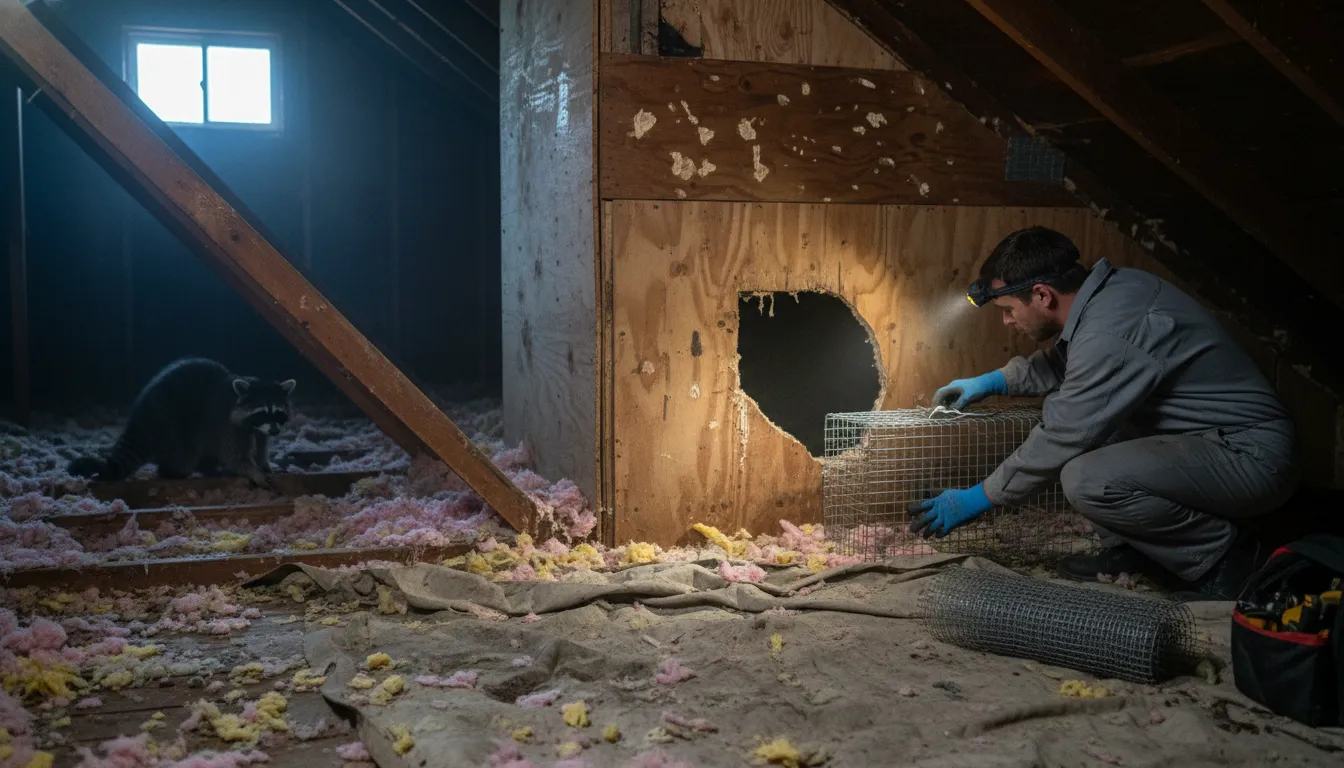
Find the Best Wildlife Removal Companies for Your Business
No obligation • Fast responses • Nationwide coverage

Why you can trust Pest Crews
Pest Crews is a leading U.S. resource for finding and evaluating residential and commercial pest control services. Our team researches providers, reviews treatment approaches, and organizes unbiased information to help you make informed decisions. Companies cannot pay to change our editorial content or influence how they appear.
Search providers near you
Top Wildlife Removal Companies in Fayetteville, North Carolina Ranked
Finding an uninvited animal in your attic, under your deck, or rummaging through your trash can be unsettling. Wildlife removal is the specialized service of safely and legally resolving conflicts with nuisance animals that have entered human spaces. In Fayetteville, dealing with raccoons, squirrels, bats, and other local fauna requires specific knowledge of North Carolina laws and humane techniques. This resource helps you understand common wildlife issues, when to call a professional, and how to find qualified local experts to protect your home and family.
Advanced Wildlife Removal LLC
Durham, NC
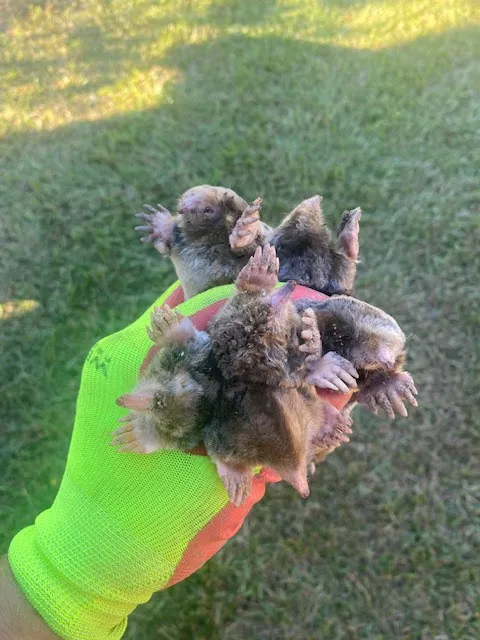
Advanced Wildlife Removal LLC provides humane and effective wildlife control services in Durham, NC. They specialize in removing and managing a variety of nuisance animals including raccoons, bats, squirrels, beavers, birds, snakes, and moles. The company follows North Carolina regulations and focuses on sealing entry points to prevent recurring issues. With over a decade of experience in Wake County, they offer specialized capabilities such as beaver trapping and 24/7 snake removal services, ensuring safe relocation and habitat management.
Terminix
509 W Russell St, Fayetteville, NC 28301
Terminix offers pest, termite, wildlife, and moisture control services in Fayetteville, NC. They provide solutions for common pests including bed bugs, cockroaches, ants, rodents, and termites, as well as moisture control to prevent wood decay and insect infestations. Terminix serves both residential and commercial clients and is known for implementing moisture control measures in crawl spaces and other environments in Eastern North Carolina. The company also provides regular service options such as quarterly, bi-monthly, and monthly visits.
Clegg’s Termite & Pest Control - Clinton
205 Wall St, Clinton, NC 28328
Clegg's Termite & Pest Control - Clinton provides pest control services in Fayetteville, NC, and surrounding areas. They specialize in termite inspections, rodent control, bed bug treatment, mosquito control, and wildlife removal for both residential and commercial properties. With over 50 years of experience, the company uses advanced detection methods and customized treatment plans to address pest infestations effectively. Their expertise includes fumigation services for severe infestations, and they offer ongoing prevention plans to help maintain pest-free environments.
Orkin
120 W Mountain Dr, Fayetteville, NC 28306
Orkin provides comprehensive pest control services in Fayetteville, NC, serving both residential and commercial clients. They handle a wide range of pests including bed bugs, cockroaches, ants, rodents, termites, mosquitoes, and stinging insects like hornets and wasps. Orkin offers specialized termite control using methods such as Sentricon® bait and liquid barriers to manage active colonies and prevent damage. With over 120 years of experience, Orkin combines extensive training and tailored pest management plans to address the unique pest challenges in Fayetteville's mixed humid climate. Their services are available 24/7 to respond to urgent pest problems.
Bat-Man Wildlife
Raleigh, NC
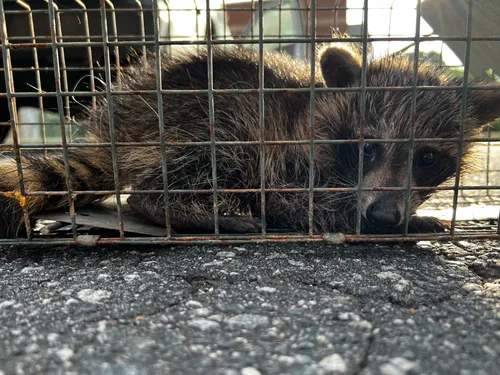
Bat-Man Wildlife is a wildlife removal company based in Raleigh, NC. They provide humane removal services for a variety of animals including bats, rats, mice, bees, snakes, beavers, raccoons, rabbits, and squirrels. The company also handles chimney wildlife issues and is equipped to manage both small pests and larger critters that may cause damage or nuisance. Their approach focuses on safe and environmentally conscious removal methods.
Common Nuisance Wildlife in Fayetteville
The Fayetteville area is home to a diverse array of wildlife, and several species are particularly prone to becoming problematic for homeowners. Understanding which animal you're dealing with is the first step toward an effective solution.
- Raccoons: These intelligent, dexterous mammals are frequent invaders of attics, crawlspaces, and chimneys. They seek shelter for raising young and are notorious for tearing up insulation, damaging ductwork, and raiding garbage cans. Their droppings can also pose health risks.
- Squirrels: Both gray and flying squirrels commonly enter homes, often through small gaps in rooflines or vents. Once inside an attic or wall void, they gnaw on wood, electrical wiring (a significant fire hazard), and stored items. Their constant daytime scurrying is a common complaint.
- Bats: Small colonies of bats may roost in attics or behind shutters. While beneficial for insect control, their guano (droppings) can accumulate, creating odor issues and potentially exposing residents to histoplasmosis. A professional is essential for bat exclusion, as they are protected by seasonal regulations in North Carolina.
- Rodents (Rats & Mice): While often considered general pests, roof rats and house mice are persistent wildlife invaders. They contaminate food, chew through materials, and can spread diseases. They often follow the same entry points as squirrels.
- Groundhogs, Moles, & Voles: These animals are yard and garden nuisances. Groundhogs (woodchucks) burrow under sheds, decks, and foundations, potentially causing structural issues. Moles and voles create unsightly tunnels and damage lawns and plant roots.
- Opossums & Skunks: Often found under porches, decks, or outbuildings, these animals are typically looking for shelter. Skunks, of course, come with their famous defensive mechanism, while opossums may raid pet food left outdoors.
- Snakes: Several species of snakes are common in the area. While most are non-venomous and beneficial, finding them in a garage, basement, or garden can be alarming. Removal is often recommended when they are in high-traffic areas of the home.
- Coyotes & Foxes: Sightings of these predators are increasing, even in suburban areas. Seeing one during the day, especially in spring and summer, is not necessarily a cause for alarm or a reason for removal unless the animal is acting strangely or causing specific property damage.
Health Risks and Property Damage
Ignoring a wildlife intrusion is more than just a nuisance; it can lead to serious consequences.
- Disease Transmission: Wildlife can carry parasites like fleas, ticks, and mites into your home. Their droppings and urine can harbor bacteria and fungi, such as those causing leptospirosis or histoplasmosis, which become airborne when disturbed.
- Structural Damage: Animals gnaw to keep their teeth sharp and to create nesting materials. This can result in chewed electrical wiring (a severe fire hazard), damaged plumbing pipes, torn insulation (reducing energy efficiency), and compromised wooden beams or siding.
- Contamination: Feces, urine, and decaying food caches create persistent odors, stain ceilings and walls, and attract insects and other pests, leading to a secondary infestation.
DIY Prevention and When It's Appropriate
For some minor wildlife issues, proactive homeowners can take effective steps to deter animals and secure their property.
Effective Prevention Strategies:
- Exclusion is Key: Seal potential entry points using sturdy, animal-proof materials. Use heavy-gauge hardware cloth (metal mesh) to cover vents, chimney caps, and gaps under eaves. Seal cracks in foundations and around utility lines with high-quality sealant or metal flashing 1.
- Eliminate Food Sources: Keep trash cans securely locked. Do not leave pet food outdoors overnight. Clean up fallen fruit from trees and bird seed from under feeders. Consider using animal-resistant compost bins.
- Modify Habitat: Keep tree branches trimmed back at least 6-8 feet from the roofline. Store firewood and building materials away from the house. Keep yards tidy and clear of dense brush piles that provide shelter.
Limited DIY Trapping: For certain species like raccoons, squirrels, moles, and rabbits causing damage in your yard, you may legally trap them on your property in North Carolina. However, you must be prepared to handle the animal's fate. State law generally prohibits the relocation of trapped wildlife to public lands or another person's property. Your options are often limited to releasing the animal on your own property (which may not solve the problem) or humanely euthanizing it 2 3 4. For many species, including coyotes, skunks, and bears, relocation by anyone other than a licensed professional is illegal 4.
Find the perfect wildlife removal companies for your needs
Get personalized recommendations and expert advice
When to Call a Professional Wildlife Control Agent
There are clear situations where DIY methods are insufficient, unsafe, or illegal. Calling a licensed professional is the most responsible and effective course of action.
- The Animal is Inside Your Living Space: If a raccoon, bat, or snake is in your kitchen, bedroom, or basement, it's time for professional help. The risk of disease transmission or a defensive attack is higher in close quarters.
- You Suspect a Colony or Infestation: Hearing multiple animals in the attic or seeing frequent activity indicates more than one animal. Removing a litter of young or an entire bat colony requires specialized techniques.
- The Species is Protected or Dangerous: Bats have specific legal protections and seasonal exclusion rules. Dealing with venomous snakes, large raccoons, or other potentially aggressive animals requires training and proper equipment 5.
- You Need a Complete Solution: Simply removing the animal is often a temporary fix. Professionals provide exclusion (permanently sealing entry points), repair of damage, and sanitation (cleaning contaminated areas), which are crucial for preventing recurrence and restoring your home's safety.
- DIY Efforts Have Failed: If the animal keeps returning or you cannot locate the entry point, a professional inspection can identify hidden access areas and vulnerabilities you may have missed 6.
Understanding Professional Wildlife Control Services
In North Carolina, the professionals you need are typically Wildlife Control Agents (WCAs), licensed by the NC Wildlife Resources Commission. It's important to distinguish them from general pest control companies or municipal animal control.
- What a Licensed WCA Does: A WCA is trained in wildlife biology, state regulations, humane trapping standards, and exclusion techniques. Their service is comprehensive:
- Inspection: A thorough assessment to identify the species, entry points, and extent of damage.
- Removal: Using species-appropriate, humane methods to trap and remove the animals in compliance with NC law.
- Exclusion: Sealing all potential entry points with durable materials to prevent re-entry.
- Repair & Restoration: Fixing damaged insulation, ductwork, wood, or siding.
- Cleanup & Sanitization: Safely removing droppings, nesting materials, and decontaminating the affected area to eliminate health hazards 7.
- Cost Considerations: Pricing for animal control in Fayetteville varies based on the species, severity of the infestation, and the scope of work required (removal vs. full exclusion and repair). Costs typically include service call fees, trap sets, labor for exclusion work, and materials. Investing in professional exclusion is the most critical cost, as it provides a long-term solution 8 9.
- Depredation Permits: In cases of significant property damage, a WCA or property owner can obtain a free depredation permit from the NCWRC. This permit allows for the legal taking of specific nuisance wildlife but comes with strict reporting requirements.
Who to Call (And Who Not to Call)
- For Wildlife in Structures (Attics, Walls, Crawlspaces): Contact a licensed Wildlife Control Agent (WCA). They are specifically equipped and legally authorized to handle these situations 10.
- For Sick, Injured, or Orphaned Wildlife: Or for an animal inside the main living area of your home (like a bedroom): Contact Cumberland County Animal Services. They handle animals that are a direct threat to human safety or in need of rehabilitation 11 12.
- For General Pest Insects (ants, roaches, etc.): Contact a licensed pest control company. While some companies offer wildlife services, ensure they employ a licensed WCA for that specific work 13.
Frequently asked questions
Sources
Footnotes
-
Fayetteville Wildlife Control / North Carolina Animal Removal - http://www.aaanimalcontrol.com/professional-trapper/city/NC-Fayetteville.htm ↩
-
Wildlife Problem FAQ's - https://www.ncwildlife.org/connect/have-wildlife-problem/wildlife-problem-faqs ↩
-
Wildlife Control Laws in Carolina - Gregory Pest Solutions - https://www.smarterpestcontrol.com/blog/residential-pest-control/wildlife-control-laws-carolina ↩
-
Where and How It's Legal to Trap Wildlife in North Carolina - Bug Out - https://www.bugoutservice.com/nuisance-wildlife-control/learning/treatment/is-it-legal-to-trap-wildlife/ ↩ ↩2
-
Have a Wildlife Problem? - https://www.ncwildlife.org/connect/have-wildlife-problem ↩
-
Cape Fear Wildlife Control - Fayetteville - http://www.wildlife-removal.com/city/NC-Fayetteville.htm ↩
-
Fayetteville Wildlife Animal Control - Pest Removal - http://www.wildlifeanimalcontrol.com/Fayetteville-NC.html ↩
-
Fayetteville Wildlife Removal - Raccoon, Skunk, Rodent ... - http://www.fayettevillewildlife.com/ ↩
-
Wildlife Depredation - https://www.ncwildlife.org/hunting/regulations/nongame-and-other-regulations/wildlife-depredation ↩
-
Fayetteville NC Wildlife Control: Raccoon, Bat & Squirrel ... - https://www.crittercontrol.com/office-finder/north-carolina/fayetteville/ ↩
-
What do I do if I have a nuisance wildlife problem? - Fayetteville-ar.gov - https://www.fayetteville-ar.gov/FAQ.aspx?QID=269 ↩
-
Wildlife Issues - Cumberland County - https://www.cumberlandcountync.gov/departments/animal-services-group/animal-Services/wildlife ↩
-
Wildlife Control vs. Pest Control and Animal Control - https://freedomwildlifesolutions.com/what-is-the-difference-between-wildlife-control-vs-pest-control-vs-animal-control-in-north-carolina/ ↩