Find the Best Wildlife Removal Companies for Your Business
No obligation • Fast responses • Nationwide coverage
Why you can trust Pest Crews
Pest Crews is a leading U.S. resource for finding and evaluating residential and commercial pest control services. Our team researches providers, reviews treatment approaches, and organizes unbiased information to help you make informed decisions. Companies cannot pay to change our editorial content or influence how they appear.
Search providers near you
Top Wildlife Removal Companies in Greensboro, North Carolina Ranked
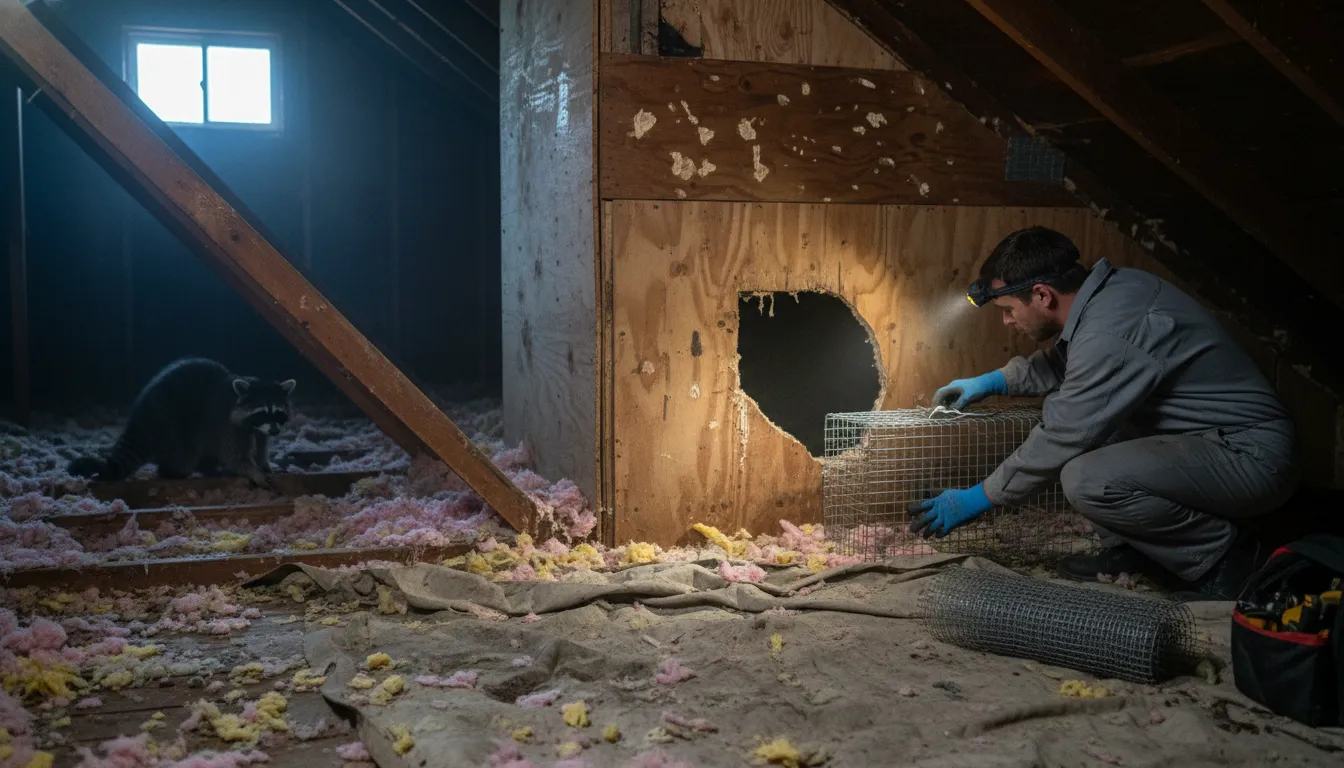
Discovering a wild animal has taken up residence in your attic, under your deck, or in your chimney can be unsettling. Wildlife removal is the specialized service of safely and legally evicting nuisance animals from homes and properties, addressing the damage they cause, and preventing their return. In Greensboro, this is particularly important due to our proximity to wooded areas and urban green spaces, which creates a unique interface between human habitats and native wildlife. This guide will help you understand the common issues, your legal responsibilities, and how to find qualified local professionals to resolve conflicts with our wild neighbors.
Terminix Triad
8216 B & G Ct, Stokesdale, NC 27357
Terminix Triad is a pest control company serving Winston Salem, NC, and nearby areas. They provide pest extermination services for common pests such as cockroaches, ants, rodents, and termites, as well as wildlife removal. Terminix Triad uses targeted, eco-friendly treatments designed to eliminate infestations safely for families and pets. The company has over 14 years of experience in termite protection and general pest control, including the use of bait traps to prevent termite damage.
1 Pest Solution LLC
Winston Salem, NC
1 Pest Solution LLC is a pest control company serving Winston Salem, NC, and the surrounding Piedmont Triad area. With over 30 years of experience, they offer a wide range of services including pest control, rodent and wildlife removal, mosquito treatments, and crawl space encapsulation. Their humane wildlife removal uses trap-and-release methods to safely relocate animals, and their rodent control includes identifying and sealing entry points to prevent future infestations. The company provides flexible service plans tailored to different needs and schedules.
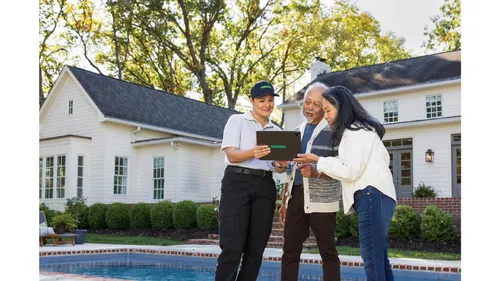
Terminix Triad
7045 Old U.S. Hwy 52, Lexington, NC 27295
Terminix Triad is a pest control company serving Winston Salem, NC, specializing in the removal and prevention of common pests such as cockroaches, ants, rodents, and wildlife. They offer eco-friendly treatments designed to protect homes and businesses while minimizing risks to children and pets. Their services include targeted pest control plans that address the core sources of infestations to maintain pest-free environments. Terminix Triad has been operating for over seven years and provides a satisfaction guarantee, returning for additional treatments if pests reappear between scheduled visits.
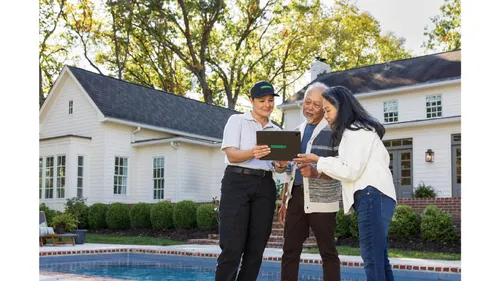
Terminix Triad
2348 Hanford Rd, Burlington, NC 27215
Terminix Triad is a pest control company located in Greensboro, NC, offering services to manage insects, rodents, and wildlife. They provide targeted pest control solutions designed to prevent and eliminate common pests such as ants, cockroaches, rodents, bees, and wasps. Their treatments focus on safe, eco-friendly methods suitable for homes with children and pets. Terminix Triad operates with a service guarantee that includes follow-up treatments if pests return between scheduled visits.
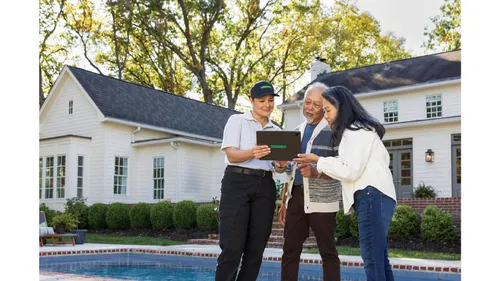
Terminix Triad
3820 Indiana Ave, Winston-Salem, NC 27105
Terminix Triad provides pest control services in Winston Salem, NC, specializing in the removal and prevention of insects, rodents, and wildlife for residential and commercial properties. Their service plan targets up to 20 common pests using eco-friendly treatments designed to be safe for families and pets. The company offers a 100% service guarantee, returning for additional treatments if pests reappear between scheduled visits.
Common Nuisance Wildlife in Greensboro
The Piedmont region of North Carolina is home to a diverse array of animals that can sometimes become a problem for homeowners. Knowing which species you're dealing with is the first step toward an effective solution.
- Raccoons: Intelligent and dexterous, raccoons are notorious for tearing into attic vents, soffits, and chimney caps to create dens. They are also attracted to unsecured trash and pet food.
- Squirrels: Both gray and flying squirrels commonly enter attics and wall voids, often chewing on electrical wiring, which poses a significant fire hazard.
- Bats: Several species of bats in North Carolina are protected, and their removal is strictly regulated. A colony in an attic can create noise and significant guano accumulation.
- Rodents: This includes roof rats, Norway rats, and house mice that seek shelter indoors, contaminating surfaces and stored goods.
- Snakes: While many snakes are beneficial, the occasional copperhead or non-venomous species may be found near foundations, wood piles, or in basements 1.
- Other Mammals: Homeowners may also encounter opossums, skunks, foxes, coyotes, groundhogs (woodchucks), and even armadillos causing damage to lawns, gardens, or structures.
When to Handle It Yourself vs. Call a Professional
For minor, one-time occurrences, some DIY measures may be appropriate. However, understanding the limits of what you can legally and safely do is crucial.
DIY Prevention and Eviction
The best wildlife control is prevention. You can take proactive steps to make your property less inviting:
- Seal Entry Points: Conduct seasonal inspections of your roofline, foundation, and siding. Use high-quality materials like hardware cloth, steel wool, or metal flashing to seal any gaps larger than a quarter-inch.
- Remove Food Sources: Keep trash in sealed, animal-proof containers. Avoid leaving pet food outdoors overnight, and clean up fallen birdseed from feeders.
- Use Repellents: For small-scale issues, such as a single squirrel on a deck, commercially available repellents or making the area noisy and bright may encourage it to move on 2 3.
What NOT to Do
Attempting to handle wildlife without proper knowledge can be dangerous and illegal.
- Do Not Relocate Trapped Animals: In North Carolina, it is illegal to relocate carnivores like raccoons, skunks, or foxes. State law typically requires these animals to be euthanized or released on the property where they were captured.
- Avoid Direct Contact: Never approach a wild animal, especially if it appears sick, disoriented, or aggressive. This is a primary risk factor for rabies exposure.
- Do Not Seal Animals In: If you seal the main entry point to an attic or chimney while animals (especially a mother with young) are still inside, you will create a worse problem involving dead animals and odors.
Find the perfect wildlife removal companies for your needs
Get personalized recommendations and expert advice
Understanding North Carolina Wildlife Laws and Permits
Wildlife in North Carolina is managed by the state, and its removal is governed by specific regulations designed to protect both animals and people. Ignorance of these laws is not a defense, so working with a knowledgeable professional is key.
- Depredation Permits: If an animal is causing property damage (depredation), a free permit from the North Carolina Wildlife Resources Commission (NCWRC) is often required before it can be trapped. This applies to species like raccoons, opossums, and beavers. Licensed Wildlife Control Operators (WCOs) are familiar with this process and typically handle the permitting on your behalf 4 5.
- Protected Species: Bats are protected in North Carolina. It is illegal to exclude them during their maternity season, which generally runs from May through August. A professional will know the legal timelines and methods for bat exclusion 6.
- Relocation Laws: As mentioned, the relocation of most problem wildlife is prohibited. This law helps prevent the spread of disease and avoids simply transferring a problem to another community.
Who to Call: Animal Control vs. Wildlife Control
It's essential to contact the right service for your situation, as their jurisdictions and capabilities differ significantly.
- Guilford County Animal Services: You should call Animal Control (dial 3-7-3-CITY within Greensboro) for issues involving domestic animals-stray dogs and cats, injured livestock, or any situation where you suspect an animal has rabies7 8. They are the authority for enforcing local leash laws and handling dangerous domestic animals. They generally do not handle wild animals inside structures.
- Licensed Wildlife Control Operator (WCO): This is the professional you need for wild animals inhabiting your home or business. A licensed WCO specializes in:
For infestations, protected species, or when simple DIY methods have failed, a licensed wildlife control professional is the necessary and legal solution.
What to Expect: Services and Cost Considerations
A comprehensive wildlife removal service involves more than just setting a trap. A reputable professional will follow a multi-step process.
- Inspection and Assessment: The technician will perform a thorough inspection of your property's interior and exterior to identify the species, entry points, and extent of the infestation. This service often has a base fee, typically starting in the range of $100-$200+.
- Removal and Trapping: Using species-appropriate techniques, the animals are removed. For mammals, this may involve live trapping. For bats, it involves installing one-way exclusion devices that allow them to leave but not re-enter. Removal costs vary widely based on the animal and complexity, but for a standard raccoon or squirrel removal involving multiple service visits, homeowners can expect estimates in the range of $250 to $500 or more 11 12.
- Exclusion and Repair: This is the most critical step to prevent recurrence. All identified entry points are permanently sealed with durable materials. The cost for exclusion and repair can range from several hundred to several thousand dollars, depending on the scope of work, such as repairing raccoon-damaged roofing or sealing an entire bat colony's access points.
- Clean-up and Decontamination: After removal, areas contaminated by droppings, urine, or nesting materials should be cleaned and sanitized to eliminate health risks and odors.
Frequently asked questions
Sources
Footnotes
-
Prices for Greensboro Pest Wildlife Control - http://www.greensborowildlife.com/prices.html ↩
-
Have a Wildlife Problem? - https://www.ncwildlife.gov/connect/have-wildlife-problem ↩
-
Wildlife Removal in Greensboro | Critter Control in the Triad - https://www.crittercontroltriad.com/about-us/wildlife-removal-in-greensboro/ ↩
-
Wildlife Problem FAQ's - https://www.ncwildlife.gov/connect/have-wildlife-problem/wildlife-problem-faqs ↩
-
Wildlife Depredation - https://www.ncwildlife.gov/hunting/regulations/nongame-and-other-regulations/wildlife-depredation ↩
-
Wildlife Control Laws in Carolina - Gregory Pest Solutions - https://www.smarterpestcontrol.com/blog/residential-pest-control/wildlife-control-laws-carolina ↩
-
Animal Control | Guilford County - https://www.guilfordcountync.gov/government/departments-and-agencies/animal-services/animal-control ↩
-
Street Cleaning & Litter Pickup - Greensboro-nc.gov - https://www.greensboro-nc.gov/services/city-comes-to-you/dead-animal-pickup ↩
-
Wildlife Control vs. Pest Control and Animal Control - https://freedomwildlifesolutions.com/what-is-the-difference-between-wildlife-control-vs-pest-control-vs-animal-control-in-north-carolina/ ↩
-
Wildlife Management, Removal, and Control in Greensboro, NC - https://pestmgt.com/residential-pest-control/wildlife-management-greensboro-nc/ ↩
-
Wildlife Removal Greensboro | Pest Control - https://greensboro.aaacwildliferemoval.com/ ↩
-
Prices for Greensboro Wildlife Pest Control Animal Trapping - http://www.aaanimalcontrol.com/professional-trapper/prices/NC-Greensboro-prices.htm ↩