Find the Best Wildlife Removal Companies for Your Business
No obligation • Fast responses • Nationwide coverage

Why you can trust Pest Crews
Pest Crews is a leading U.S. resource for finding and evaluating residential and commercial pest control services. Our team researches providers, reviews treatment approaches, and organizes unbiased information to help you make informed decisions. Companies cannot pay to change our editorial content or influence how they appear.
Search providers near you
Top Wildlife Removal Companies in Durham, North Carolina Ranked
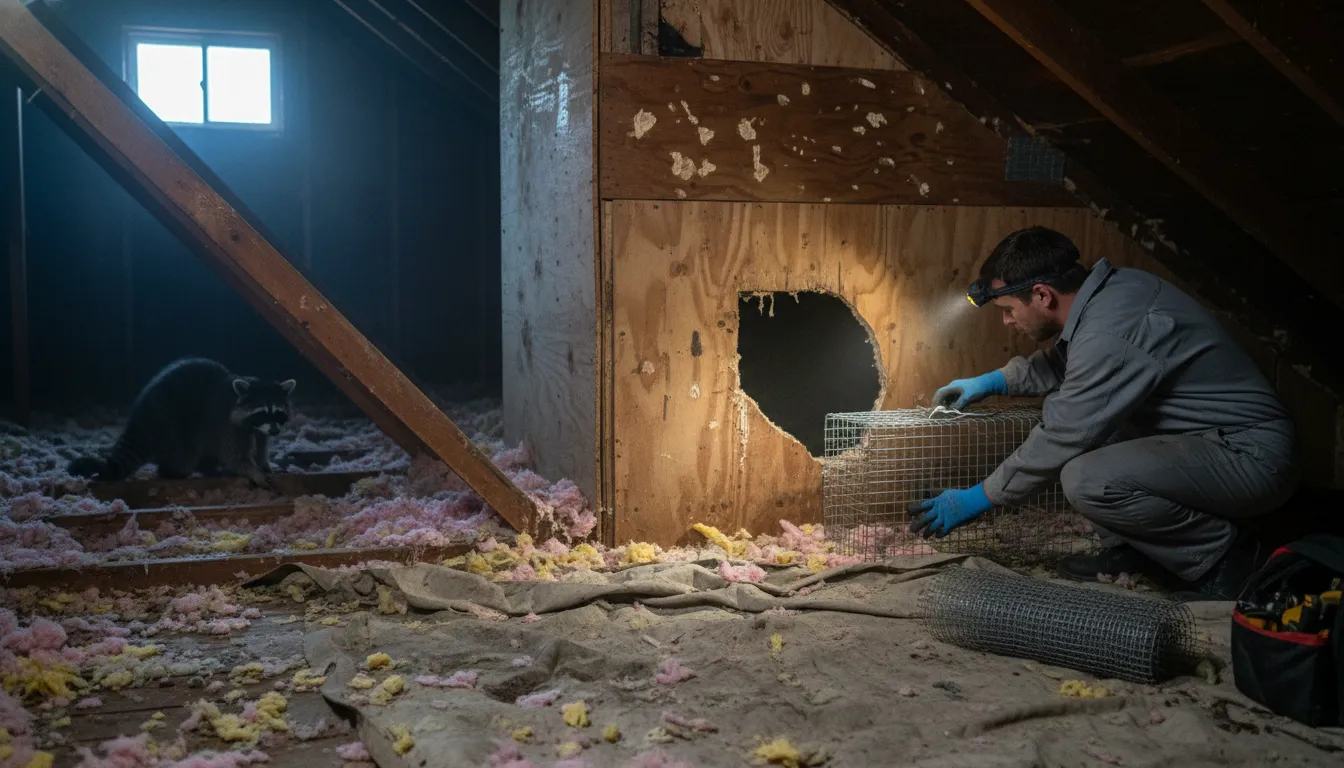
Living in Durham means sharing our beautiful city with a diverse array of native wildlife. While this coexistence is often peaceful, it can become a problem when animals like raccoons, squirrels, or bats decide your attic, crawlspace, or shed is their new home. Professional wildlife removal is the specialized service that safely and legally resolves these conflicts by removing nuisance animals and, crucially, sealing entry points to prevent their return. This guide will help you understand the common wildlife issues in Durham, the legal landscape, and how to find qualified local experts to protect your property.
Invicta Environmental Pest Defense
5300 Wenesly Ct, Raleigh, NC 27616
Invicta Environmental Pest Defense is a mom-owned pest control company serving Raleigh, NC. They offer a wide range of pest management services including ant, bed bug, termite, rodent, mosquito, wasp, and wildlife removal treatments for both residential and commercial properties. Their team includes a wildlife biologist and a board-certified entomologist, ensuring expert care with environmentally responsible methods. Invicta is one of the few companies in North Carolina with multiple Premier Technicians certified by the NCPMA and holds Quality Pro and Green Pro certifications. Their approach focuses on pet-friendly, low-impact treatments that protect families and homes. With over 18 years of experience in rodent and wasp control, they provide specialized services backed by industry certifications.
Terminix
150 Golden Dr #100, Durham, NC 27705
Terminix provides pest, termite, wildlife, and moisture control services in Durham, NC. They offer residential and commercial pest control with options for quarterly, bi-monthly, and monthly treatments. Terminix specializes in moisture control to prevent wood-decaying fungus and reduce insect infestations, serving Eastern North Carolina to Tidewater, VA. The company is known for its knowledgeable technicians and consistent service.
Advanced Wildlife Removal LLC
Durham, NC
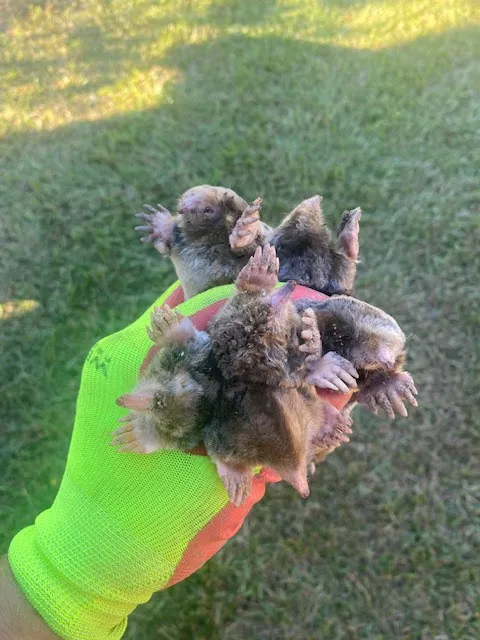
Advanced Wildlife Removal LLC provides humane and effective wildlife control services in Durham, NC. They specialize in removing and managing a variety of nuisance animals including raccoons, bats, squirrels, beavers, birds, snakes, and moles. The company follows North Carolina regulations and focuses on sealing entry points to prevent recurring issues. With over a decade of experience in Wake County, they offer specialized capabilities such as beaver trapping and 24/7 snake removal services, ensuring safe relocation and habitat management.
Orkin
609 Mercury St, Raleigh, NC 27603
Orkin offers residential and commercial pest control services in Raleigh, North Carolina. They handle a wide range of pests including bed bugs, cockroaches, ants, rodents, termites, mosquitoes, and wildlife. Orkin uses science-backed methods such as dry foam void filler, Sentricon® bait, and liquid barriers for termite control. With over 120 years of experience, Orkin provides tailored seasonal pest management to address the unique pest challenges throughout the year. They also offer 24/7 phone support and flexible scheduling to assist customers promptly.
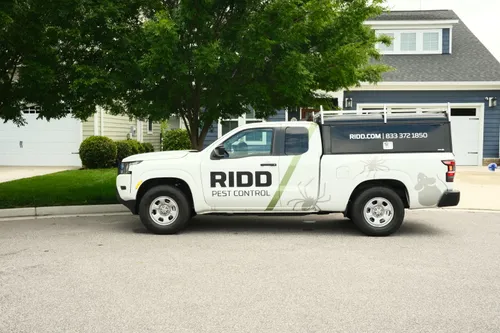
RIDD Pest Control
2810 Yonkers Rd #3f, Raleigh, NC 27604
RIDD Pest Control is a pest management company based in Raleigh, NC, offering eco-friendly and pet-safe solutions for a variety of pest issues. Their services include ant, cockroach, rodent, termite, mosquito, bee and wasp removal, as well as wildlife control. They use advanced treatment methods such as barrier sprays, granular bait placement, mosquito fogging, and crack and crevice dusting to effectively manage and prevent pest infestations. RIDD Pest Control emphasizes customized service plans tailored to individual homes and prioritizes safety for families and the environment.
Common Nuisance Wildlife in Durham
Durham's mix of urban neighborhoods, wooded areas, and waterways creates ideal habitats for several species that can become problematic for homeowners. Knowing which animal you're dealing with is the first step toward an effective solution.
Mammals:
- Raccoons: Intelligent and dexterous, they are notorious for tearing into attic vents, chimney caps, and roof soffits to create dens. They can cause significant damage with their droppings and nesting materials.
- Squirrels: Both gray and flying squirrels commonly enter attics, often chewing on electrical wiring, which poses a serious fire hazard. Their constant scratching and gnawing can be heard throughout the day.
- Opossums: These marsupials often take shelter under decks, porches, and sheds. While they eat many pests like ticks, their presence can lead to odor issues and they may raid pet food left outdoors.
- Bats: Small colonies of bats, which are protected in North Carolina, can roost in attics or wall voids. Their guano (droppings) can accumulate, creating health risks and staining ceilings.
- Rodents: Mice and rats are constant pests that seek food and shelter indoors, especially as temperatures drop.
- Foxes & Coyotes: Sightings of these predators, even during the daytime, are becoming more common in suburban Durham. While they generally avoid humans, they can prey on small pets and should be monitored.
Birds:
- Woodpeckers: They drum on siding and eaves, causing damage while searching for insects or establishing territory1.
- Pigeons, Starlings, and Crows: These birds can create noise, mess with droppings on buildings and cars, and sometimes nest in vents or on ledges.
The typical signs that warrant professional wildlife control include hearing noises (scratching, scurrying, thumping) in walls or ceilings, finding droppings or nesting debris, noticing chewed wires or wood, or seeing repeated animal entry points on your home's exterior2 3.
North Carolina Laws and Regulations: What You Need to Know
One of the most critical aspects of dealing with wildlife in Durham is understanding state regulations. The North Carolina Wildlife Resources Commission (NCWRC) sets strict rules that govern trapping, relocation, and removal.
Illegal Relocation: It is a common misconception that trapped animals can simply be driven to a forest and released. For many species, including coyotes, foxes, raccoons, skunks, and opossums, this is illegal. Animals trapped for causing property damage or becoming a nuisance must typically be euthanized or, in some cases, released on the property where they were captured. This law helps prevent the spread of disease and avoids creating problems for other landowners.
Permits and Licensed Professionals: For certain situations, such as the removal of beavers or other protected species causing damage, a free depredation permit from the NCWRC may be required4. This is where hiring a licensed Wildlife Damage Control Agent (WDCA) is essential. These professionals are trained and authorized to handle regulated species legally and can navigate the permit process on your behalf. They understand the nuances of state law, ensuring your wildlife problem is resolved without legal repercussions.
Find the perfect wildlife removal companies for your needs
Get personalized recommendations and expert advice
Prevention and DIY Exclusion Tips
Before an animal moves in, or after one has been professionally removed, homeowners can take proactive steps to make their property less inviting. Prevention is always the most cost-effective form of wildlife control.
- Secure Food Sources: Use locking lids on trash cans, remove fallen fruit from yards, and never leave pet food outdoors overnight 5.
- Eliminate Shelter: Keep yards tidy by storing firewood away from the house, clearing dense brush, and sealing off crawlspace access6 7.
- Seal Entry Points: Conduct a thorough inspection of your home's exterior. Look for gaps, loose vents, or holes. Remember, a determined mouse can fit through a hole the size of a dime (1/4-inch), and rats can squeeze through a half-inch opening. Use sturdy materials like hardware cloth, steel wool, or sheet metal to seal these gaps, but only after you are certain no animals are inside.
Important Note on DIY Trapping: While live traps are sold at hardware stores, their use is heavily regulated. It is illegal to relocate most trapped animals, and setting traps without understanding animal behavior and state law can be ineffective or lead to legal trouble8 9. For any animal already inside a structure, DIY removal is rarely successful and can separate mothers from young, creating a worse odor problem.
When and Who to Call for Help
Knowing which agency or professional to contact saves time and ensures the right help arrives.
Call Durham County Animal Services: Contact Animal Control, which is part of the Durham County Sheriff's Office, for situations involving stray domestic animals (dogs, cats), visibly sick or injured wildlife, or immediate threats from large predators like bears10. They are the primary resource for public safety concerns related to animals.
Hire a Licensed Wildlife Damage Control Agent (WDCA): For animals inside your home (attic, walls, chimney), causing significant property damage, or when preventive measures have failed, a licensed wildlife control professional is your best option 11. These specialists differ from general pest control companies in their focus on exclusion and repair. They will:
- Conduct a thorough inspection to identify all entry points and the species involved.
- Humanely remove the animals in compliance with NC law.
- Perform exclusion work by permanently sealing all entry points with professional-grade materials.
- Clean and decontaminate affected areas, if necessary, to remove health hazards from droppings12.
Understanding the Cost of Wildlife Removal in Durham
The cost for professional wildlife control services in Durham is not a flat fee; it varies based on the complexity of the job. Homeowners should expect an investment that reflects the comprehensive service required for a permanent solution13.
Key factors influencing price include:
- Type of Animal: Removal and exclusion for bats or raccoons are often more involved and costly than for squirrels or rodents.
- Extent of Infestation: A single animal versus an entire colony.
- Location and Accessibility: An animal in a hard-to-reach part of the attic or within walls adds labor time.
- Exclusion and Repair Work: This is the most critical part of the service-permanently sealing the home. The number and size of entry points directly impact cost.
- Cleanup and Decontamination: Removing contaminated insulation, droppings, and sanitizing the area adds to the project scope.
While prices can range significantly, basic squirrel removal and exclusion can start in the $200-$500 range, with more complex bat or raccoon issues, or those requiring major repairs and cleanup, often costing $1,000 or more14 15. Reputable companies provide free inspections and detailed quotes, so you understand the work and cost before committing.
Frequently asked questions
Sources
Footnotes
-
Wildlife Removal in Durham, NC - Free Inspections - Trutech ↩
-
Have a Wildlife Problem? - NC Wildlife Resources Commission ↩
-
Nuisance Wildlife Removal (Raleigh-Durham Area) - Freedom Wildlife Solutions ↩
-
Durham Rodent Control, Wildlife Removal, Pest Control - Conserv Wildlife Services ↩
-
Tips On Coexisting With Wildlife - NC Wildlife Resources Commission ↩
-
Where and How It's Legal to Trap Wildlife in North Carolina - Bug Out ↩
-
Wildlife Control vs. Pest Control and Animal Control - Freedom Wildlife Solutions ↩
-
Wildlife Control Laws in Carolina - Gregory Pest Solutions ↩
-
How We Solve North Carolina Wildlife Problems - Durham Wildlife ↩
-
Durham Wildlife Animal Control - Rat Bat Squirrel Pigeon Snake ↩