Find the Best Wildlife Removal Companies for Your Business
No obligation • Fast responses • Nationwide coverage

Why you can trust Pest Crews
Pest Crews is a leading U.S. resource for finding and evaluating residential and commercial pest control services. Our team researches providers, reviews treatment approaches, and organizes unbiased information to help you make informed decisions. Companies cannot pay to change our editorial content or influence how they appear.
Search providers near you
Best Wildlife Removal Companies in Texas Ranked
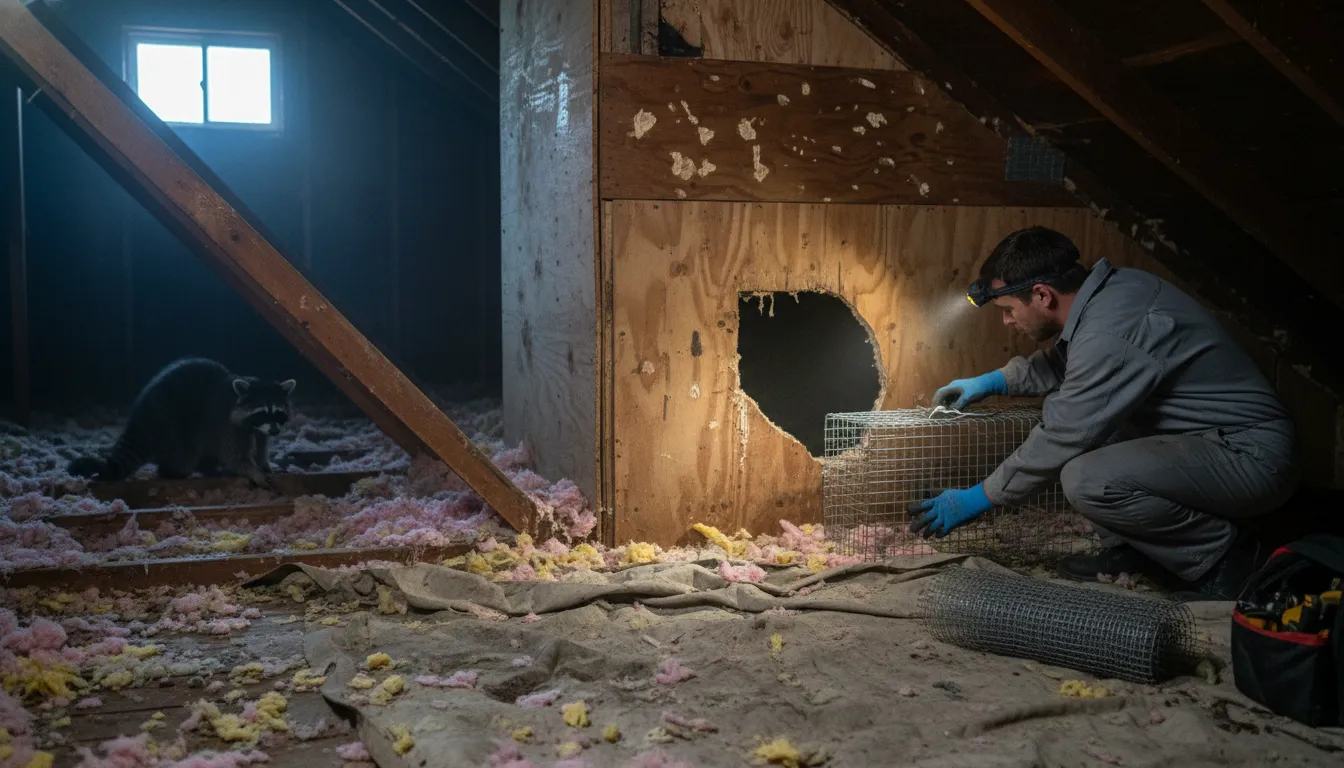
When raccoons rummage through your attic or snakes slither into your garage, knowing how to handle the situation safely and legally is crucial. Wildlife removal in Texas involves navigating specific state regulations to protect both people and animals. This guide provides clear, practical information on Texas laws, common nuisance species, and the steps to take when wildlife becomes a problem, helping you connect with qualified local professionals who can resolve these issues effectively.
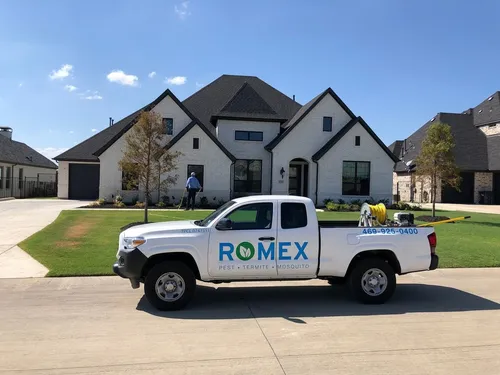
Romex Pest & Termite Control
1606 109th St Suite A, Grand Prairie, TX 75050
Romex Pest & Termite Control provides eco-friendly pest control services in Dallas, TX, serving both homes and businesses. Their offerings include treatment for bed bugs, rodents, termites, mosquitoes, and other common pests, using non-toxic methods that prioritize the safety of families and pets. The company employs advanced detection and treatment tools combined with integrated pest management strategies tailored to local needs. Romex Pest & Termite Control is licensed and insured across Texas and neighboring states, emphasizing environmentally responsible solutions.
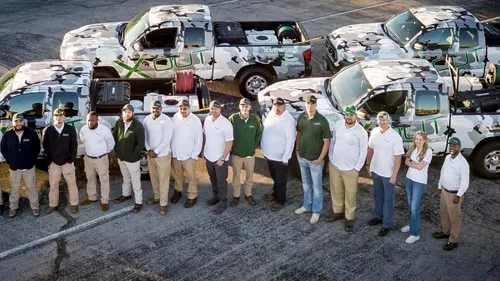
X Out Pest Services
8611 Honiley St, San Antonio, TX 78254
X Out Pest Services is a pest control company serving San Antonio, TX, specializing in the elimination and prevention of a wide range of pests including bed bugs, cockroaches, ants, rodents, termites, mosquitoes, bees, wasps, and wildlife. They offer customized treatments that target nesting and feeding areas both inside and outside the home, maintaining an exterior pest barrier to provide year-round protection. Established in 2006, the company combines experienced technicians with advanced pest control technology to deliver effective pest management solutions. Their services include termite inspections and mosquito control, with a focus on safety for children, pets, and the environment.
Myles Pest Services
6517 Smithfield Rd c, North Richland Hills, TX 76182
Myles Pest Services is a pest control company serving Dallas, TX, and the Greater Fort Worth area. With over 35 years of experience, they provide tailored pest control solutions including rodent exclusion, termite protection, mosquito treatments, and general pest management. Their services focus on long-term results and customer convenience, offering online scheduling and upfront pricing. The company emphasizes a customer-first approach backed by a satisfaction guarantee.
Surge Pest Control
2006 Rivery Blvd #109, Georgetown, TX 78628
Surge Pest Control is a locally owned pest control company serving Austin, TX. They handle a wide range of pests including ants, roaches, spiders, termites, mosquitoes, rodents, wasps, bed bugs, and also provide wildlife removal services for animals like raccoons and squirrels. The company offers termite inspections and advanced treatments such as baiting systems and liquid barriers to protect homes from termite damage. Surge Pest Control uses eco-friendly solutions tailored to Texas's pest challenges and recommends regular treatments to maintain pest control throughout the year.
Urban Texas Pest Control
9450 Brushy Point St, San Antonio, TX 78250
Urban Texas Pest Control is a family-owned pest control company serving San Antonio, TX, and surrounding areas. With over 25 years of experience, they provide residential and commercial pest control services targeting a wide range of pests including ants, cockroaches, rodents, termites, bed bugs, and wasps. The company uses eco-friendly and advanced pest control methods to create safe, healthy environments while addressing local pest challenges. Their expertise includes comprehensive pest inspections and tailored treatments designed to prevent future infestations.
Understanding Texas Wildlife Regulations
Texas is home to a diverse array of wildlife, and the state has established clear rules to manage human-animal conflicts. The Texas Parks and Wildlife Department (TPWD) classifies animals as either protected or unprotected, which dictates how they can be handled.
- Protected Species: This category includes most native mammals, birds, and reptiles. Examples are raccoons, skunks, foxes, beavers, coyotes, deer, javelina, alligators, and nearly all birds, including migratory species like doves and hawks. It is illegal to harm, trap, or relocate these animals without the proper permits from TPWD.
- Unprotected Species: A few non-native species are not protected by state law. These include European starlings, English (house) sparrows, feral pigeons (rock doves), and Eurasian collared-doves. In some cases, blackbirds and grackles causing damage may also be managed more freely 1. Feral hogs are also considered a destructive nuisance and can generally be controlled by landowners without a hunting license.
The key takeaway is that identifying the animal is your first critical step. Mistaking a protected songbird for an unprotected starling could lead to significant legal penalties.
Common Nuisance Wildlife in Texas Homes
Different animals present unique challenges and require specific removal strategies. Here are some of the most frequent offenders:
- Raccoons: These intelligent, dexterous animals often seek shelter in attics, chimneys, and under decks. They can cause extensive damage to insulation, ductwork, and roofing while creating unsanitary conditions with their droppings.
- Squirrels: Similar to raccoons, squirrels enter attics and walls, chewing on electrical wires (a serious fire hazard), wood, and pipes. Their constant activity can be noisy and destructive.
- Skunks & Opossums: These animals typically den under porches, sheds, or crawl spaces. Skunks pose a obvious spraying risk, while both can dig up lawns and gardens in search of food.
- Snakes: Several snake species, both venomous and non-venomous, may enter yards or garages while seeking prey or shelter. Proper identification is essential for safety.
- Bats: Bats are protected in Texas due to their ecological importance. If they roost in an attic, special exclusion techniques-performed outside of maternity season-are required by law 2.
- Rodents (Rats & Mice): While often considered general pests, larger infestations of roof rats or Norway mice fall under wildlife control, requiring exclusion and sanitation efforts beyond standard pest control.
Legal Options for Landowners and Homeowners
Texas law provides certain allowances for property owners dealing with nuisance wildlife, but within strict boundaries.
For protected furbearing animals (like raccoons, skunks, or beavers) causing damage on your own property, you or your agent (like a hired professional) may trap or hunt the animal without a hunting license. However, you must have authorization from TPWD and are required to submit a report on the activity 3. You cannot legally relocate a live-trapped protected animal to another property without a permit, as this can spread disease and create problems elsewhere 4 3.
For migratory birds, threatened species, or alligators, a specific depredation permit from TPWD is almost always required before any action can be taken 5 6. The process of applying for these permits and ensuring humane, legal dispatch of the animal is complex, which is why most people turn to professionals.
Find the perfect wildlife removal companies for your needs
Get personalized recommendations and expert advice
The Role of Professional Wildlife Control Operators (NWCOs)
Given the legal complexities and potential dangers, hiring a licensed Nuisance Wildlife Control Operator (NWCO) is often the wisest course of action. These professionals are trained in:
- Accurate Identification: Knowing exactly which species they are dealing with.
- Legal Compliance: Understanding and securing the necessary TPWD permits for protected species 7 8.
- Humane Removal & Exclusion: Using techniques to remove animals and, more importantly, prevent their return by sealing entry points.
- Cleanup and Restoration: Addressing biohazards like droppings and urine, replacing contaminated insulation, and repairing structural damage.
A reputable NWCO will be fully licensed, insured, and able to explain the relevant Texas regulations pertaining to your specific situation.
The Wildlife Removal Process and Associated Costs
A professional wildlife removal service typically follows a multi-step process, and costs reflect the scope of work required. Prices can vary widely based on the animal, the severity of the infestation, and the location.
- Inspection and Assessment ($150 - $500+): A thorough inspection identifies the species, entry points, and the extent of the damage.
- Removal and Exclusion: This is the core service. Removal methods vary (live trapping, one-way doors, etc.), followed by sealing all potential entry points with durable materials to prevent re-entry.
- Cleanup and Sanitation ($200 - $1,000+): This critical step involves removing contaminated insulation, decontaminating the area with enzyme cleaners, and addressing odors. It is vital for health and safety 9.
- Repairs: The final cost variable. Repairing chewed wires, damaged ductwork, torn soffits, or compromised attic structures can add significantly to the total project cost 10.
While cost is a factor, choosing a provider based solely on the lowest price can result in incomplete exclusion, leaving your home vulnerable to repeat invasions, or legal issues from improper handling of protected species.
Steps to Take When You Have a Wildlife Problem
- Identify Safely: Observe from a distance. Take photos if possible. Note the animal's size, color, and behavior.
- Secure Pets and Food Sources: Bring pet food and water indoors. Secure trash cans with locking lids to avoid attracting more wildlife.
- Do Not Attempt to Handle: Never try to touch or corner a wild animal, especially juveniles that may seem orphaned (the parent is often nearby). Animals can be aggressive when threatened and may carry diseases like rabies or leptospirosis.
- Check Local Ordinances: Some Texas cities have additional ordinances regarding trapping or certain animals. A quick check with your local animal control office is prudent.
- Contact TPWD or a Professional: For guidance on permits or to confirm species status, you can contact TPWD directly. For actual removal, contact several licensed NWCOs for assessments and quotes. Verify their TPWD license and insurance before hiring.
Taking a proactive, informed approach ensures the problem is resolved humanely, permanently, and in full compliance with Texas law, protecting your property and the state's valuable wildlife resources.
Frequently asked questions
Sources
Footnotes
-
Nuisance Animals of Texas | RMWBH Law - https://rmwbh.com/nuisance-animals-of-texas/ ↩
-
Protected Wildlife Species in Texas - https://tpwd.texas.gov/huntwild/wild/rehab/protected/ ↩
-
Nuisance Fur-bearing Animals - Texas Parks & Wildlife Department - https://tpwd.texas.gov/regulations/outdoor-annual/hunting/fur-bearing-animal-regulations/nuisance-fur-bearing-animals ↩ ↩2
-
Wild Animals - Animal Law - Guides at Texas State Law Library - https://guides.sll.texas.gov/animal-law/wild-animals ↩
-
Threatened, Endangered and Protected Animals - https://tpwd.texas.gov/education/hunter-education/online-course/wildlife-conservation/threatened-endangered-and-protected-animals ↩
-
Nuisance Control Protocol for Alligators - Texas Parks and Wildlife - https://tpwd.texas.gov/publications/pwdpubs/media/pwd_bk_w7000_2066.pdf ↩
-
Wildlife Removal Texas Homes: Effective Solutions for Safe ... - https://literallydarling.com/blog/2024/11/25/wildlife-removal-texas-homes-effective-solutions-for-safe-living/ ↩
-
Depredation Permit Application - TWIMS - https://apps.tpwd.state.tx.us/privatelands/permitDepredationHelp.seam?cid=6 ↩
-
Wildlife In The Attic Or Under The Home - Texas Animal Control ... - https://texasanimalcontrolsolutions.com/our-services/residential-services/wildlife-in-the-attic-or-under-the-home/ ↩
-
Raccoon Removal Texas | Guide & Solutions for Your Home - https://www.rodentretreattexas.com/raccoon-removal-guide-evicting-masked-mischief-makers ↩