Find the Best Wildlife Removal Companies for Your Business
No obligation • Fast responses • Nationwide coverage

Why you can trust Pest Crews
Pest Crews is a leading U.S. resource for finding and evaluating residential and commercial pest control services. Our team researches providers, reviews treatment approaches, and organizes unbiased information to help you make informed decisions. Companies cannot pay to change our editorial content or influence how they appear.
Search providers near you
Top Wildlife Removal Companies in Dallas, Texas Ranked
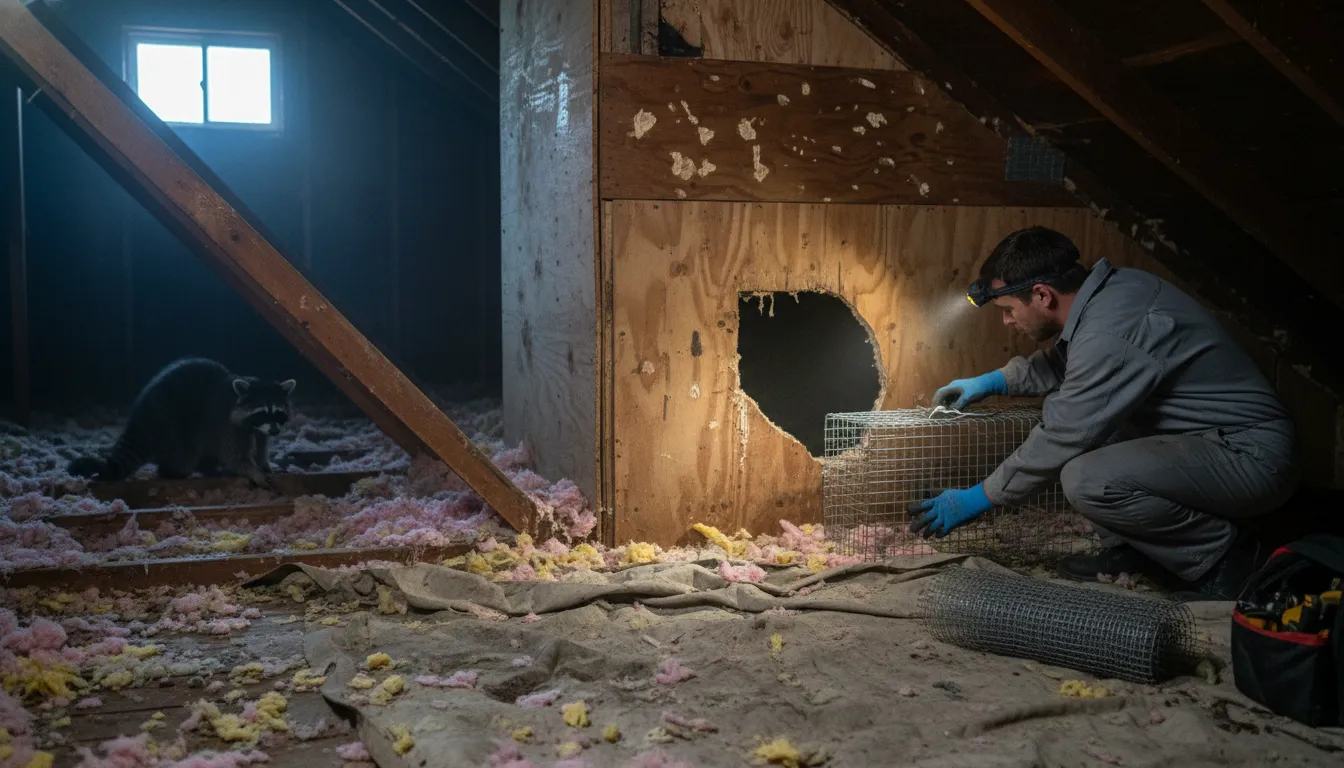
Discovering an uninvited animal in your attic, walls, or under your deck can be unsettling and damaging. Professional wildlife removal is the specialized service of safely and humanely evicting nuisance animals from your property and preventing their return. This matters because these animals can cause significant structural damage, create health hazards, and are often protected by state laws that restrict how they can be handled. This guide will help you understand the process, local regulations, and how to find qualified experts in Dallas to resolve your wildlife conflict effectively and legally.
Romex Pest & Termite Control
1606 109th St Suite A, Grand Prairie, TX 75050
Romex Pest & Termite Control provides eco-friendly pest control services in Dallas, TX, serving both homes and businesses. Their offerings include treatment for bed bugs, rodents, termites, mosquitoes, and other common pests, using non-toxic methods that prioritize the safety of families and pets. The company employs advanced detection and treatment tools combined with integrated pest management strategies tailored to local needs. Romex Pest & Termite Control is licensed and insured across Texas and neighboring states, emphasizing environmentally responsible solutions.
Myles Pest Services
6517 Smithfield Rd c, North Richland Hills, TX 76182
Myles Pest Services is a pest control company serving Dallas, TX, and the Greater Fort Worth area. With over 35 years of experience, they provide tailored pest control solutions including rodent exclusion, termite protection, mosquito treatments, and general pest management. Their services focus on long-term results and customer convenience, offering online scheduling and upfront pricing. The company emphasizes a customer-first approach backed by a satisfaction guarantee.
Ivy Green Pest Control
Fort Worth, TX
Ivy Green Pest Control is a family-owned pest control company serving Fort Worth, TX, and nearby communities. With over 30 years of experience, they offer comprehensive residential and commercial pest management services including termite control, mosquito treatments, rodent extermination, bed bug removal, and wildlife extraction. Their approach emphasizes safe, eco-friendly methods using EPA-approved products to protect homes and businesses while minimizing environmental impact. The company provides thorough inspections to identify pest issues and applies targeted treatments for lasting results. Ivy Green Pest Control also offers same-day service responses and a 30-day pest-free guarantee, prioritizing customer safety and satisfaction.
Legacy Rodent Control
Dallas, TX
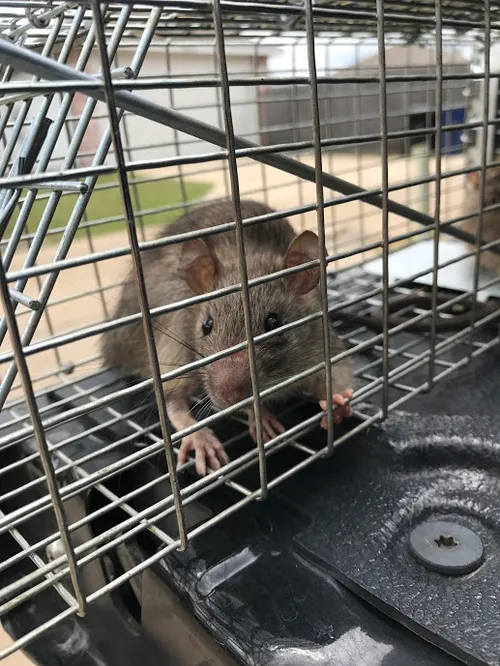
Legacy Rodent Control is a certified and insured rodent control and wildlife removal company serving Dallas, TX, and the surrounding Dallas-Fort Worth area. They specialize in removing rodents and animals from homes, followed by decontamination to protect health and property. Their services include a disinfecting fogging treatment that eliminates pheromone scents to prevent re-infestation, often avoiding the need to replace insulation. In cases of severe damage, they also provide remediation and insulation replacement. With over 10 years of experience, Legacy Rodent Control offers trained specialists and guarantees their work with a two-year warranty.
PCI Pest Control
300 Davis St STE 178, McKinney, TX 75069
PCI Pest Control provides comprehensive pest management services in Dallas, TX, focusing on both residential and commercial properties. Their services include treatment for bed bugs, cockroaches, ants, rodents, termites, bees, wasps, and wildlife removal. They offer customized plans such as quarterly maintenance and specialized treatments like no-prep bed bug applications and rodent exclusion using hardware cloth and copper mesh. PCI Pest Control has been serving the area since 2000, delivering pest control solutions tailored to seasonal challenges, especially during colder months when pests seek indoor shelter.
Common Nuisance Wildlife in Dallas
The Dallas-Fort Worth metroplex is home to a diverse array of wildlife that can sometimes come into conflict with homeowners. Knowing which animal you're dealing with is the first step toward a proper solution.
- Raccoons: Intelligent and dexterous, raccoons are notorious for tearing into attic vents, soffits, and chimneys to create dens. They can carry diseases like rabies and roundworm.
- Squirrels: Both gray and fox squirrels are common. They often enter attics through small gaps near rooflines and can chew on electrical wiring, creating a fire hazard.
- Bats: Several bat species inhabit Texas. A colony in an attic is a serious concern due to the accumulation of guano (droppings), which can pose respiratory health risks. Their removal is highly regulated.
- Rodents: This includes roof rats, Norway rats, and house mice. They contaminate food, chew constantly, and can squeeze through incredibly small openings.
- Opossums, Skunks, & Armadillos: These animals are more often found under decks, sheds, or porches. While generally less destructive to structures, they can dig up lawns and gardens and, in the case of skunks, create a potent odor problem 1.
- Other Species: On larger properties or near waterways, you might encounter issues with beavers, feral hogs (which are unprotected but whose removal in city limits is restricted), or nuisance birds 2.
Why Professional Animal Control is Essential
Attempting to handle a wildlife intrusion on your own can be ineffective, dangerous, and even illegal. Here's why calling a professional is the recommended course of action.
Legal Compliance: Texas state law, enforced by Texas Parks & Wildlife Department (TPWD), strictly regulates the trapping and relocation of most fur-bearing animals, which include raccoons, squirrels, opossums, and others. It is generally illegal to trap and relocate these animals without the proper permits and authorization. Professional wildlife removal operators are licensed and understand these regulations, ensuring the process is done legally.
Humane and Effective Methods: Professionals use species-specific strategies. For example, removing a bat colony involves installing one-way exclusion devices at the right time of year, not simply trapping. They focus on humane eviction and long-term exclusion rather than lethal control, which is often a temporary fix.
Health and Safety: Wildlife can carry diseases transmissible to humans and pets, including rabies, leptospirosis, and hantavirus. Their droppings and urine can contaminate insulation and air quality. Professionals have the training and protective equipment to handle these biohazards safely.
Preventing Re-Entry: The most critical part of wildlife removal isn't just getting the animal out-it's keeping it out. Experts identify and seal all potential entry points, a process called exclusion, which amateurs often miss.
The Professional Wildlife Removal Process
A reputable Dallas wildlife control company follows a systematic approach to ensure a complete and lasting solution.
- Inspection and Assessment: A technician will perform a thorough inspection of your property's exterior and interior (attic, crawlspace) to identify the species, locate all entry points, and assess the extent of the damage and contamination 3.
- Humane Removal and Eviction: Using live traps, one-way doors, or hands-on eviction techniques (where legal and safe), the animals are removed from the structure. Relocation, if performed, is done in accordance with TPWD regulations.
- Exclusion and Sealing: This is the cornerstone of the service. All identified entry holes and potential access points are permanently sealed with durable materials like steel mesh, hardware cloth, or specialized vent covers to prevent future intrusions.
- Cleanup and Sanitization: The affected area is cleaned of droppings, urine, and nesting materials. Professionals will often apply enzymatic cleaners and disinfectants to neutralize odors and pathogens.
- Restoration and Repair: Finally, any damage caused by the animals-such as torn insulation, chewed wood, or damaged ductwork-is repaired to restore your home's integrity and safety.
Find the perfect wildlife removal companies for your needs
Get personalized recommendations and expert advice
What to Do (and Not Do) as a Homeowner
While the job is best left to professionals, there are some immediate steps you can take and critical mistakes to avoid.
DO:
- Call 311: Contact Dallas Animal Services via 311 for immediate threats to public safety, such as an injured or aggressive animal, or one in a critical condition 4.
- Secure Pets and Food: Bring pet food indoors and ensure trash cans have tight-fitting lids to avoid attracting wildlife.
- Note Entry Points: Safely observe where animals are entering and exiting, but do not attempt to seal them while animals are still inside.
DO NOT:
- Attempt to Trap and Relocate: As mentioned, this is often illegal for protected species and simply moves the problem to another neighborhood. It also risks separating mother animals from their young, leaving babies to die inside walls 5 6.
- Use Poison or Inhumane Traps: Poison (rodenticide) can cause secondary poisoning in pets, birds of prey, and other non-target animals. It also often leads to animals dying in inaccessible areas, creating odor and insect issues 7 8.
- Ignore the Problem: Wildlife intrusions rarely resolve themselves. Animals will cause more damage, breed, and the problem will grow in size and cost.
Understanding Costs for Wildlife Control in Dallas
Pricing for animal removal services is not one-size-fits-all; it depends on the species, the extent of the infestation, and the repairs needed. Most companies provide free inspections and quotes.
- Basic to Medium Jobs: For a common issue like removing squirrels from an attic and performing basic exclusion work, prices can start around $299 and go up from there 9 10.
- Complex or Extensive Jobs: Situations involving bats, raccoons, or extensive damage (e.g., ruined insulation, structural repairs) will be more costly. Full-service removal, exclusion, cleanup, and repair can range from several hundred to over a thousand dollars 11.
- What Influences Price: The factors include the number of animals, the accessibility of the infestation, the square footage of exclusion work needed, and the materials required for repairs and cleanup.
Choosing a Qualified Dallas Wildlife Removal Service
When selecting a provider, due diligence is key. Look for a company that specializes in wildlife, not just general pest control.
- Licensing and Insurance: Verify they hold the necessary Texas licenses for wildlife control and carry liability insurance.
- Experience and Methods: Ask about their specific experience with your type of animal problem and their removal and exclusion methods. They should emphasize humane practices and permanent exclusion.
- Guarantees: A reputable company will stand behind their exclusion work with a warranty period, promising to return if animals regain entry.
- Detailed Quote: Ensure the quote is itemized, covering inspection, removal, exclusion materials, cleanup, and any repairs.
Frequently asked questions
Sources
Footnotes
-
Nuisance Animals of Texas | RMWBH Law - https://rmwbh.com/nuisance-animals-of-texas/ ↩
-
Texas Parks and Wildlife Code Section 61.022 (2024 ... - Justia Law - https://law.justia.com/codes/texas/parks-and-wildlife-code/title-5/subtitle-b/chapter-61/subchapter-b/section-61-022/ ↩
-
Dallas Wildlife Control - https://www.911wildlife.com/dallas/ ↩
-
Field Services - Be Dallas 90 - https://bedallas90.org/field/ ↩
-
Nuisance Wildlife Removal - Turner Pest Control - https://www.turnerpest.com/nuisance-wildlife-removal/ ↩
-
Nuisance Fur-bearing Animals - Texas Parks & Wildlife Department - https://tpwd.texas.gov/regulations/outdoor-annual/hunting/fur-bearing-animal-regulations/nuisance-fur-bearing-animals ↩
-
Code Compliance/Animal Control | Leon Valley Texas - https://www.leonvalleytexas.gov/police/page/code-complianceanimal-control ↩
-
Dallas Wildlife Removal and Trapping - Raccoon, Squirrel, Bat ... - http://www.dallaspestwildlife.com/ ↩
-
Prices for Dallas Wildlife Pest Control Animal Trapping - http://www.aaanimalcontrol.com/professional-trapper/prices/TX-Dallas-prices.htm ↩
-
DAllas Fort Worth Wildlife Removal Call: (214) 296-9203 - https://conservwildlifeservices.com/dallas-wildlife-control ↩
-
Wildlife in Non-Living Areas - Texas Animal Control Solutions - https://texasanimalcontrolsolutions.com/our-services/residential-services/wildlife-in-non-living-areas/ ↩