Find the Best Wildlife Removal Companies for Your Business
No obligation • Fast responses • Nationwide coverage

Why you can trust Pest Crews
Pest Crews is a leading U.S. resource for finding and evaluating residential and commercial pest control services. Our team researches providers, reviews treatment approaches, and organizes unbiased information to help you make informed decisions. Companies cannot pay to change our editorial content or influence how they appear.
Search providers near you
Top Wildlife Removal Companies in El Paso, Texas Ranked
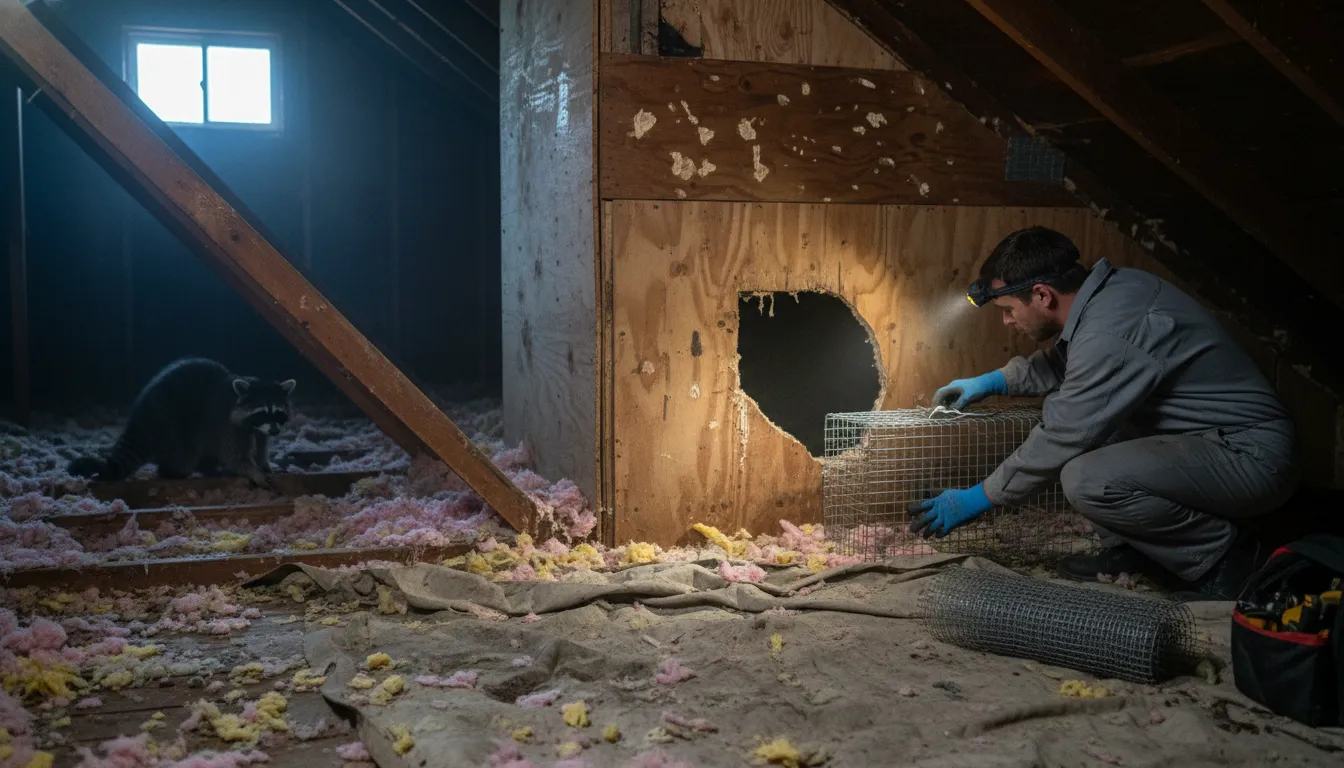
Living in the vibrant border city of El Paso means sharing our unique desert landscape with a variety of native wildlife. While these animals are a vital part of our ecosystem, they can become a significant nuisance and even a danger when they enter our homes, yards, and businesses. Wildlife removal is the specialized service of safely and humanely addressing conflicts with wild animals, from raccoons in the attic to snakes in the garage. This resource is designed to help you understand your options, from DIY prevention to finding qualified local professionals who can resolve your wildlife problem legally and effectively.
Apex Pest Control LLC
7410 Camino Del Sol Dr, El Paso, TX 79911
Apex Pest Control LLC provides comprehensive pest control services for homes and businesses in El Paso, TX. They handle a wide range of pests including bed bugs, cockroaches, ants, rodents, termites, bees, wasps, and wildlife such as skunks and raccoons. Their services also cover outdoor pest issues like ticks, fleas, grub worms, aphids, and spider mites. Established in 2011, Apex Pest Control LLC has extensive experience managing pest challenges specific to the El Paso area and nearby communities. They offer humane wildlife removal and specialize in protecting properties from both common and unique desert pests.
Orkin
6962 Gtwy Blvd E, El Paso, TX 79915
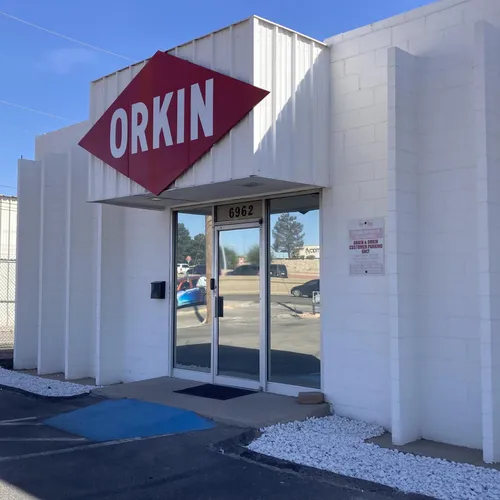
Orkin provides residential and commercial pest control services in El Paso, Texas. They offer treatments for a variety of pests including bed bugs, cockroaches, ants, rodents, termites, mosquitoes, and wildlife. Their termite control includes specialized methods such as Sentricon® bait and liquid barriers. With over 120 years of experience, Orkin serves both homes and businesses, including healthcare, retail, and food service industries. They offer 24/7 availability and next-day service to address pest issues promptly.
El Valle Pest Control
12197 Chato Villa Dr, El Paso, TX 79936
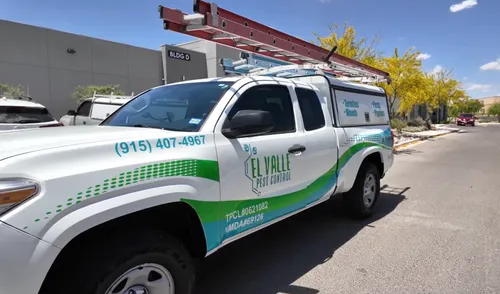
El Valle Pest Control is a family-owned pest control company serving El Paso, TX, with over 14 years of experience. They offer comprehensive residential and commercial pest management services, including termite inspections and treatments, ant and cockroach control, mosquito reduction, and humane pigeon removal. Their approach includes inspection, prevention, treatment, follow-up, and monitoring to provide long-term pest protection. The company uses targeted treatments and non-chemical solutions to address a wide range of pests while minimizing disruption to homes and businesses.
Trusted Termite and Pest Solutions LLC
El Paso, TX
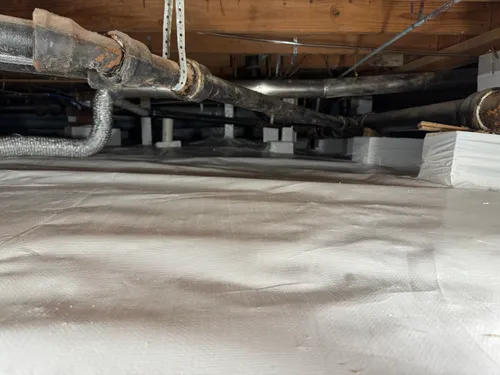
Trusted Termite and Pest Solutions LLC is a locally owned pest control company based in El Paso, TX. They provide comprehensive pest management services for residential homes, commercial properties, and apartment complexes. Their expertise covers a wide range of pests including termites, bed bugs, ants, cockroaches, pigeons, and wildlife. The company uses advanced detection and elimination methods tailored to the unique pest challenges of the desert climate in El Paso. They offer same-day service and 24/7 support to meet customer needs promptly.
Fumigaciones profecionales Tarahumera
Higo 6117, Granjero, 32690 Juárez, Chih., Mexico
Fumigaciones Profesionales Tarahumara is a pest control company serving El Paso, TX, specializing in urban and semi-urban pest management. They provide residential, commercial, and industrial fumigation services, including control of insects like cockroaches, mosquitoes, ants, scorpions, and rodents, as well as bird and wildlife removal. The company uses ecological insecticides and offers additional landscaping and garden maintenance services. With over 17 years of experience, they hold certifications and a sanitary license from Ciudad Juárez authorities.
Understanding El Paso's Common Nuisance Wildlife
The Chihuahuan Desert and Franklin Mountains provide habitat for numerous species that can come into conflict with residents. Knowing which animal you're dealing with is the first step toward a solution.
Frequent Urban Visitors:
- Coyotes: Highly adaptable, they are often seen in neighborhoods, especially near open spaces or arroyos, and can prey on small pets.
- Raccoons & Skunks: These clever, nocturnal foragers are notorious for tipping over trash cans and can find their way into attics or crawlspaces seeking shelter.
- Rodents: Roof rats, pack rats, and house mice seek food and nesting sites in structures, causing damage and contamination.
- Bats: While important for insect control, bat colonies in attics or walls pose health risks from guano and require careful, specialized exclusion.
- Snakes: Several species, including venomous ones like rattlesnakes, may be found in yards, especially those backing onto natural areas.
It's important to distinguish between issues with wildlife and problems with domestic animals. Stray dogs, cats, or livestock concerns fall under the jurisdiction of El Paso Animal Services. For true wild animal problems, you will need a different set of resources.
Your Legal Responsibilities and DIY Options
Texas law grants property owners certain rights to manage wildlife causing damage, but these rights come with specific regulations designed to prevent cruelty and protect species.
What You Can Do Yourself: The most effective and least costly approach is always prevention. Securing trash in wildlife-proof containers, removing outdoor pet food and bird feeders, and sealing potential entry points (like gaps in eaves, vents, or foundations) can deter most animals from settling in 1.
For immediate problems, Texas Parks and Wildlife Department (TPWD) regulations allow you to trap fur-bearing animals like raccoons or skunks on your own property without a license if they are causing damage. However, you cannot keep or sell the animal's pelt. Critically, relocating a trapped animal is not simple. Releasing a fur-bearing animal elsewhere requires prior authorization from a TPWD biologist, a report, and written permission from the owner of the release site. This makes DIY relocation for these animals a complex and often impractical process.
For non-fur-bearing pests like many rodents or snakes, you generally have more flexibility in removal, though safety and humane considerations still apply.
When to Call a Professional Wildlife Control Operator
There are many situations where hiring a professional animal removal service is the safest, most effective, and legally sound choice.
- Complex or Persistent Infestations: When DIY methods fail, or you're dealing with a colony of animals (like bats or rats) in your walls.
- Safety Concerns: Handling venomous snakes, aggressive animals, or wildlife in hard-to-reach areas (like a raccoon on the roof) poses serious risks.
- Legal Compliance: Navigating TPWD regulations for trapping and relocation requires expertise. Licensed professionals ensure all actions are humane and legal 2.
- Exclusion and Repair: True resolution requires not just removing the animal, but sealing the entry points to prevent recurrence. Professionals provide this critical service.
Find the perfect wildlife removal companies for your needs
Get personalized recommendations and expert advice
What to Expect from Professional Wildlife Removal Services
A reputable wildlife control operator will follow a multi-step process focused on permanent resolution.
- Inspection and Assessment: A technician will identify the species, locate entry points, and assess the extent of the problem. This service typically costs between $75 and $200, which is often credited toward the total service cost if you proceed.
- Humane Removal: The method depends on the animal. This may involve live trapping, one-way exclusion doors, or direct extraction. Costs vary: snake or squirrel removal might range from $150 to $400, while raccoon or skunk removal can be $200 to $500 or more.
- Exclusion and Prevention: This is the most important step. The company will seal all potential entry points with durable materials like steel mesh or hardware cloth. Exclusion work can range from $200 for simple repairs to over $1,000 for complex attic or wall sealing.
- Cleanup and Sanitation: For animals that have been nesting indoors, droppings (guano) and contaminated insulation must be safely removed and the area sanitized. Bat or bird colony removal and cleanup is particularly involved, with costs often ranging from $500 to $2,000+ 3 4.
Always verify that a provider is licensed and insured, and ask about their methods for ensuring humane treatment, in compliance with Texas animal cruelty laws 5.
The Role of Local Government Agencies
A common point of confusion for El Paso residents is knowing which agency to call. It's essential to understand the division of responsibilities:
- El Paso Animal Services: This city department handles domestic animal issues. Call them for stray dogs and cats, injured pets, or reports of animal cruelty or neglect 6 7. They explicitly do not provide wildlife removal services for situations like raccoons in attics or coyotes in yards.
- Texas Parks and Wildlife Department (TPWD): This state agency sets the regulations governing the taking, trapping, and relocation of wild animals. They are the regulatory body, not a removal service 8.
- Private Wildlife Removal Companies: For actual hands-on removal of nuisance wildlife from your property, you will need to contact a licensed private wildlife control operator.
This structure means that for most active wildlife conflicts in El Paso, you are responsible for resolving the issue yourself or by hiring a professional service.
Preventing Future Wildlife Conflicts
Long-term peace of mind comes from making your property less attractive to wildlife.
- Landscape Smartly: Trim tree branches away from your roof, keep shrubs trimmed back from the house, and remove piles of debris or wood that can provide shelter for rodents and snakes.
- Eliminate Food Sources: Use locking lids on trash and compost bins. Pick up fallen fruit from trees. Feed pets indoors and store pet food in sealed containers.
- Seal Your Home: Conduct seasonal checks of your home's exterior. Pay close attention to roof vents, chimney caps, gaps under eaves, and where utility lines enter the house. Even a small gap can be an invitation to a determined rodent.
Taking these proactive steps can save you from the stress and expense of dealing with an unwelcome wild tenant.