Find the Best Wildlife Removal Companies for Your Business
No obligation • Fast responses • Nationwide coverage

Why you can trust Pest Crews
Pest Crews is a leading U.S. resource for finding and evaluating residential and commercial pest control services. Our team researches providers, reviews treatment approaches, and organizes unbiased information to help you make informed decisions. Companies cannot pay to change our editorial content or influence how they appear.
Search providers near you
Top Wildlife Removal Companies in Lubbock, Texas Ranked
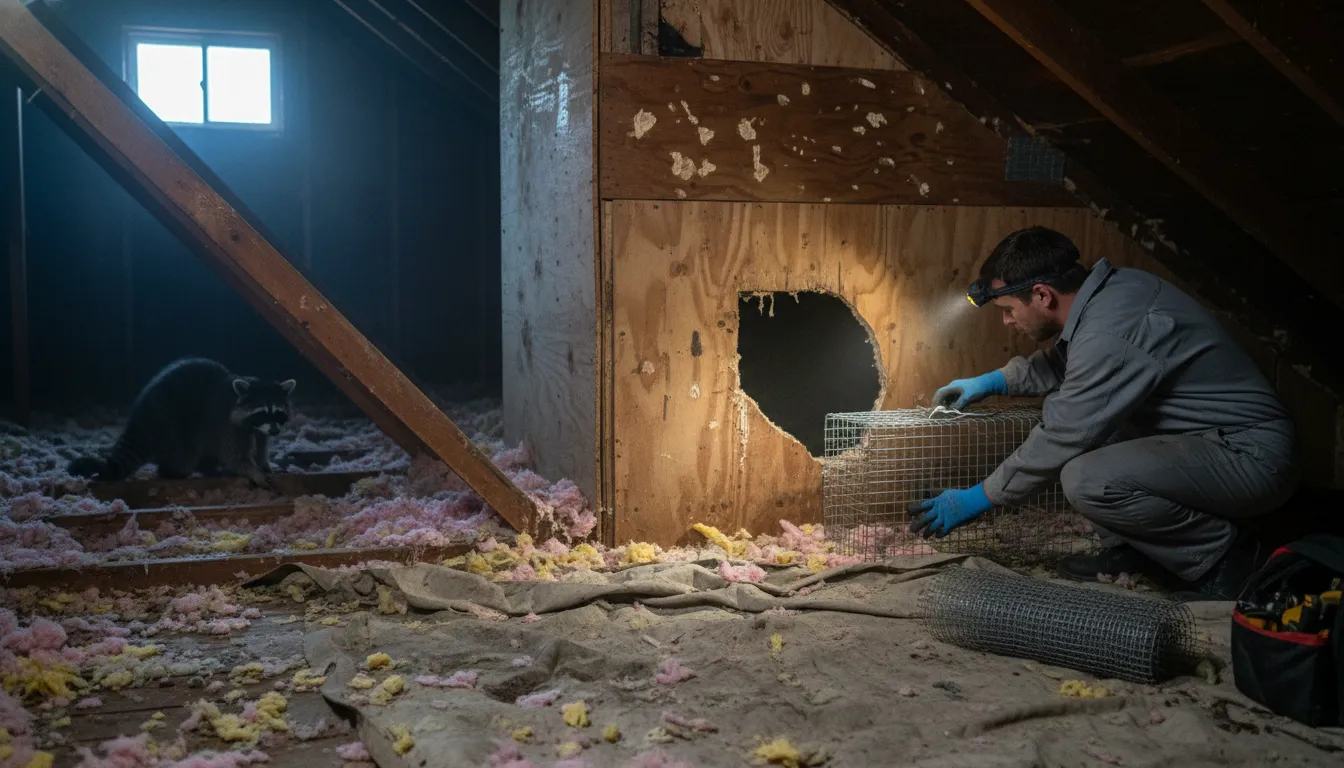
When uninvited wildlife takes up residence in your Lubbock home or business, it's more than a nuisance-it can pose health risks, cause significant property damage, and create stressful legal dilemmas. Professional wildlife removal is the specialized service of safely, humanely, and legally evicting animals like raccoons, snakes, bats, and rodents from structures and properties. This resource is designed to help you understand your options, navigate Texas regulations, and connect with qualified local experts who can resolve your wildlife conflict effectively.
Rusty's Bug Stop
Lubbock, TX
Rusty's Bug Stop is a pest control company serving Lubbock, TX, specializing in both residential and commercial pest management. Their services include targeted pest control for persistent bugs and rodents, certified termite inspections and treatments, and the trapping and relocation of larger rodents. With over 15 years of experience, Rusty's Bug Stop focuses on protecting homes and businesses from pests such as roaches, bees, termites, spiders, and mice.
Legend Pest Control
Lubbock, TX
Legend Pest Control is a locally owned pest control company based in Lubbock, Texas. The business offers a range of pest management services including treatment for bed bugs, cockroaches, spiders, scorpions, ticks, fleas, rodents, and wildlife removal. They provide service within a 120-mile radius of Lubbock and emphasize thorough investigation and communication before initiating treatments. Wallace, the operator, holds a certified applicator license in General Pest, Wood Destroying Insects, and Lawn and Ornamental pests. The company uses all-natural pest control products upon request and currently does not handle termite treatments but plans to offer this service in the future.

Orkin
6007 43rd St Ste D, Lubbock, TX 79407
Orkin provides residential and commercial pest control services in Lubbock, Texas. With over 120 years of experience, they handle a wide range of pests including bed bugs, termites, cockroaches, ants, rodents, mosquitoes, and wildlife. Orkin offers specialized termite treatments such as dry foam void filler, Sentricon® bait, and liquid barriers to protect properties from damage. They also provide lifecycle-based bed bug control and seasonal pest management tailored to Lubbock's climate. Orkin is available with next-day scheduling and offers 24/7 phone support to address pest control needs promptly.

Terminix
5212 34th St, Lubbock, TX 79407
Terminix is a pest control company serving Lubbock, TX. They offer a range of services including bed bug treatment, termite inspections, rodent control, mosquito control, and bee and wasp removal. Their local technicians understand the common pests in the area such as subterranean termites, bed bugs, mosquitoes, wasps, and rodents. Terminix provides termite control to protect homes from damage and rodent prevention to keep wildlife away from properties.
Lubbock Wildlife Removal Professionals
Lubbock, TX
Lubbock Wildlife Removal Professionals is a full-service wildlife removal company based in Lubbock, TX. They specialize in humane trapping and removal of various animals including rodents, raccoons, squirrels, bats, birds, opossums, skunks, snakes, and other wildlife that may invade homes or properties. The company conducts thorough inspections to identify entry points and uses exclusion devices to prevent re-entry, followed by necessary repairs and cleanup to address contamination or damage. Their expertise includes complex attic removals and legal, licensed trapping methods compliant with Texas regulations. The company emphasizes physical removal and sealing of entry points rather than using poisons, which they consider ineffective and harmful. They also provide dead animal removal and handle a wide range of wildlife conflicts. Lubbock Wildlife Removal Professionals offers same-day or next-day appointments and aims to resolve wildlife issues with comprehensive solutions tailored to each situation.
Common Nuisance Wildlife in Lubbock
The South Plains ecosystem supports a variety of animals that can become problematic when they venture into urban and suburban areas. Knowing what you're dealing with is the first step toward a solution.
Rodents: This category includes house mice and roof rats, which are prolific breeders and can chew through wiring and insulation, creating fire hazards and costly repairs 1.
Reptiles: Several species of snakes, including venomous varieties, may seek shelter in woodpiles, under decks, or in garages. While many are harmless, proper identification and removal are crucial for safety.
Mammals: This is the most common group for removal calls. It includes:
- Raccoons & Opossums: Often attracted to trash, pet food, and accessible attics.
- Armadillos: Known for destructive digging in lawns and gardens.
- Coyotes: An increasing presence in city limits, posing a threat to pets and small livestock.
- Bats: A protected species in Texas that requires special handling when they roost in attics or eaves.
- Squirrels: Can invade attics and chew on structural elements.
- Feral Hogs: Though more rural, their destructive rooting can impact properties on the city's outskirts.
Understanding Texas Wildlife Laws and Your Responsibilities
Attempting DIY wildlife control in Lubbock without knowing the rules can lead to legal trouble. Texas law balances property rights with wildlife conservation.
Landowner Rights: Generally, a landowner or their agent may take nuisance fur-bearing animals (like raccoons or opossums) on their own property without a hunting license. However, the critical legal hurdle involves what happens next.
The Relocation Rule: It is illegal to trap and relocate a fur-bearing animal off your property without a permit from Texas Parks & Wildlife Department (TPWD). A permit requires reporting the animal's take, and relocation sites are restricted. This makes simple "catch-and-release" elsewhere illegal for most homeowners.
Animal Cruelty Laws: Texas has strict statutes against abandoning, starving, or abusing animals. Cruelty convictions can result in heavy fines and jail time 2. This means setting a trap and forgetting it, or using inhumane methods, is not only unethical but illegal.
When to Call Authorities: For an immediate public safety threat-such as an aggressive coyote, a venomous snake in a high-traffic area, or a visibly sick/injured animal-you should contact Lubbock Animal Services or the police 3. They also handle cases of animal cruelty 3.
Find the perfect wildlife removal companies for your needs
Get personalized recommendations and expert advice
Effective Wildlife Control Strategies
A permanent solution involves more than just removing the animal; it requires preventing the next one. Professionals typically employ an integrated approach.
Inspection & Assessment: A thorough inspection identifies active entry points, damage, and animal species. This critical first step typically costs between $100 and $250.
Exclusion & Proofing: This is the cornerstone of permanent wildlife control. It involves sealing all potential entry points with durable materials like hardware cloth or steel flashing. Costs vary widely ($200 - $1,000+) based on the structure's size and complexity. This work often includes:
- Sealing attic vents, roof intersections, and foundation gaps.
- Installing chimney caps and gutter guards.
- Trimming tree branches away from the roofline.
Trapping & Removal: When animals are actively inside, live trapping may be necessary. Professional trapping and removal services generally range from $150 to $400+ per animal or trap set. Professionals ensure this is done legally and humanely, with appropriate disposal or relocation in accordance with TPWD regulations 4 5.
Habitat Modification: Making your property less attractive is a key preventative measure. This includes securing trash cans with locking lids, removing pet food at night, clearing fallen fruit, and keeping woodpiles away from the house.
Specialized Removal Cases
Some wildlife situations require particular expertise and can affect cost.
Bat Removal: Bats are protected in Texas, and their maternity colonies cannot be disturbed during specific pupping seasons. Professional bat exclusion involves installing one-way doors that allow bats to exit but not re-enter, followed by meticulous sealing. Due to these complexities and safety concerns, bat removal projects can range from $400 to over $2,000 6 7.
Coyote & Feral Hog Management: These larger predators often require ongoing management strategies rather than a one-time removal. Services may include proactive monitoring, reinforced fencing assessments, and repeated trapping efforts, which can be more expensive than standard removal.
Choosing a Wildlife Control Professional in Lubbock
Given the legal and safety complexities, hiring a licensed wildlife control operator (WCO) is the most reliable path for most urban wildlife issues in Lubbock. Look for providers who:
- Are fully licensed and insured for wildlife control in Texas.
- Offer clear, written estimates that detail inspection, removal, exclusion, and cleanup.
- Emphasize humane methods and compliance with TPWD regulations.
- Provide warranties on their exclusion work.
- Can explain the biology and behavior of the target animal, ensuring a knowledgeable approach.
The key takeaway for Lubbock residents is that while you have the right to address wildlife on your property, the legal requirements for humane treatment and relocation make professional intervention the safest and most compliant choice for a lasting resolution.
Frequently asked questions
Sources
Footnotes
-
Nuisance Fur-bearing Animals - https://tpwd.texas.gov/regulations/outdoor-annual/hunting/fur-bearing-animal-regulations/nuisance-fur-bearing-animals ↩
-
Texas Animal Cruelty Laws - https://www.txcrimdefense.com/texas-animal-cruelty-laws/ ↩
-
Animal Services - City of Lubbock, Texas - Departments - https://ci.lubbock.tx.us/departments/animal-services/animal-control/improper-care-of-animals ↩ ↩2
-
Code Compliance/Animal Control | Leon Valley Texas - https://www.leonvalleytexas.gov/police/page/code-complianceanimal-control ↩
-
A Guide on How to Legally Remove Protected Wildlife from Your Property - https://allpests.com.au/a-guide-on-how-to-legally-remove-protected-wildlife-from-your-property/ ↩
-
Wild Animals - Animal Law - Guides at Texas State Law Library - https://guides.sll.texas.gov/animal-law/wild-animals ↩
-
3 Important Things to Know About Wildlife Removal - https://www.aaronsnuisance.com/3-important-things-to-know-about-wildlife-removal ↩