Find the Best Termite Inspection Companies for Your Business
No obligation • Fast responses • Nationwide coverage

Why you can trust Pest Crews
Pest Crews is a leading U.S. resource for finding and evaluating residential and commercial pest control services. Our team researches providers, reviews treatment approaches, and organizes unbiased information to help you make informed decisions. Companies cannot pay to change our editorial content or influence how they appear.
Search providers near you
Best Termite Inspection Companies in Texas Ranked
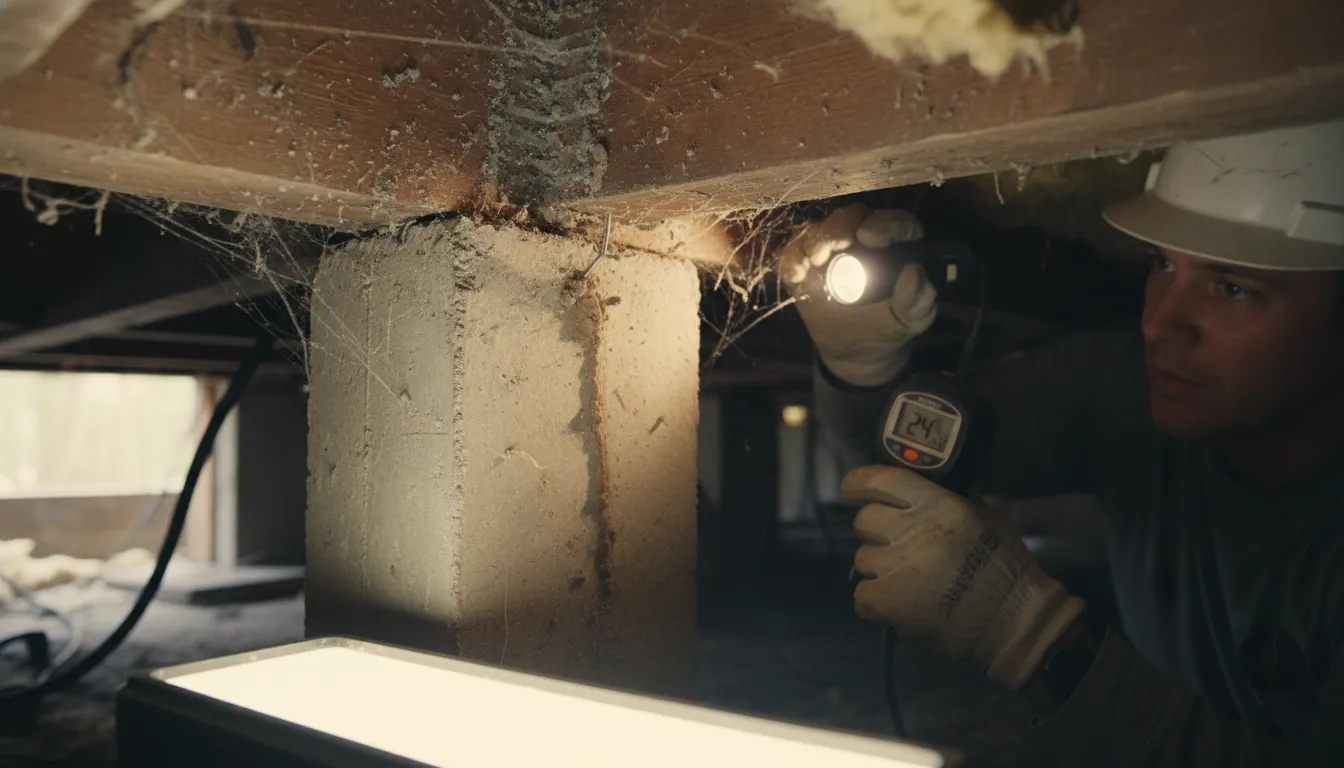
A termite inspection is a specialized assessment of a property for evidence of wood-destroying insects and organisms. In Texas, where termite activity is common due to the climate, these evaluations are a critical step in protecting your investment, whether you're buying, selling, or maintaining a home. While not always legally mandated, they are frequently required by lenders and provide essential peace of mind by identifying costly hidden damage. This guide explains the process, standards, and value of professional termite inspections in Texas to help you make informed decisions and connect with qualified local inspectors.
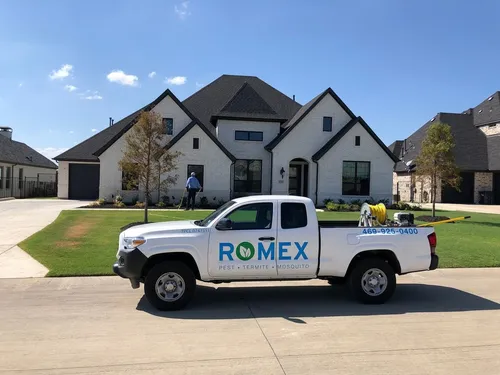
Romex Pest & Termite Control
1606 109th St Suite A, Grand Prairie, TX 75050
Romex Pest & Termite Control provides eco-friendly pest control services in Dallas, TX, serving both homes and businesses. Their offerings include treatment for bed bugs, rodents, termites, mosquitoes, and other common pests, using non-toxic methods that prioritize the safety of families and pets. The company employs advanced detection and treatment tools combined with integrated pest management strategies tailored to local needs. Romex Pest & Termite Control is licensed and insured across Texas and neighboring states, emphasizing environmentally responsible solutions.
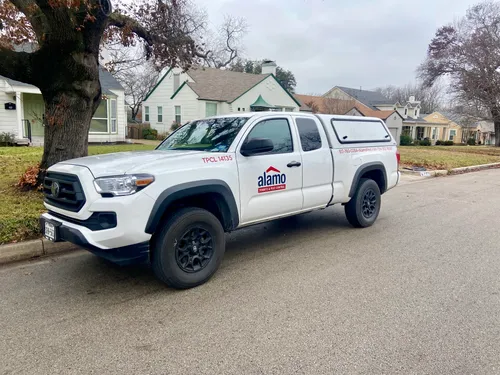
Urbanex Pest Control
3450 Alemeda St ste 347, Fort Worth, TX 76126
Urbanex Pest Control is a veteran and family-owned company serving Fort Worth, TX, and several other U.S. cities since 2015. They offer pest and rodent control, termite inspection and treatment, mosquito control, and commercial pest management with family and pet-friendly plans tailored to each customer. Urbanex is known for thorough inspections and detailed treatments designed to keep homes and businesses pest-free.

X Out Pest Services
8611 Honiley St, San Antonio, TX 78254
X Out Pest Services is a pest control company serving San Antonio, TX, specializing in the elimination and prevention of a wide range of pests including bed bugs, cockroaches, ants, rodents, termites, mosquitoes, bees, wasps, and wildlife. They offer customized treatments that target nesting and feeding areas both inside and outside the home, maintaining an exterior pest barrier to provide year-round protection. Established in 2006, the company combines experienced technicians with advanced pest control technology to deliver effective pest management solutions. Their services include termite inspections and mosquito control, with a focus on safety for children, pets, and the environment.

Integrity Pest and Termite
9929 Montana Ave, El Paso, TX 79925
Integrity Pest and Termite is a licensed pest control company serving El Paso, TX, and surrounding areas including Alamogordo and Las Cruces, NM. They provide pest control services for residential and commercial properties, addressing issues like bed bugs, cockroaches, ants, rodents, termites, mosquitoes, bees, and wasps. The company offers personalized treatments using bait, liquid, and granular products tailored to each infestation. Integrity Pest and Termite is available 24/7 for emergency services and aims to maintain pest-free environments with ongoing maintenance plans.
Ace Pest Control
1738 SE 10th Ave, Amarillo, TX 79102
Ace Pest Control is a family and veteran owned pest control company serving Amarillo, TX, and nearby communities since 1996. They offer a range of pest management services including cockroach, ant, termite, mosquito, and clover mite control. The company provides thorough pest inspections and treatments using licensed and insured methods to help maintain pest-free homes. They serve the broader northwest Texas area including Bushland, Canyon, Dumas, and Panhandle, with options for same-day service and programs tailored to different needs and budgets.
Understanding the Texas Termite Inspection
In Texas, a termite inspection is formally known as a Wood Destroying Insect (WDI) or Wood Destroying Organism (WDO) inspection. The primary goal is to identify any visible signs of past or present infestation by organisms that consume or decay structural wood. This includes subterranean and drywood termites, carpenter ants, powderpost beetles, and wood-decay fungi. The inspection is a visual examination of accessible areas of a structure, following specific state guidelines to ensure consistency and reliability in reporting.
The importance of this service in Texas cannot be overstated. Termites cause billions of dollars in property damage annually across the United States, and Texas's warm, often humid climate creates an ideal environment for these pests 1. An inspection acts as an early detection system, potentially saving homeowners from severe structural repairs that can cost thousands of dollars. For real estate transactions, it provides a clear snapshot of the property's condition, influencing negotiations and lending decisions.
When Is a Termite Inspection Required in Texas?
While Texas state law does not universally require a termite inspection for every real estate sale, several practical scenarios make it essential:
- Mortgage Lenders: Most notably, loans backed by the Federal Housing Administration (FHA) or the Department of Veterans Affairs (VA) typically require a clear WDI inspection report as a condition for closing. Conventional lenders may also require one 2.
- Real Estate Contracts: Even without a lender mandate, the buyer's or seller's real estate contract often includes an option period contingent on a satisfactory home and pest inspection. A termite inspection is a standard part of this due diligence.
- Preventive Maintenance: For existing homeowners, scheduling a periodic inspection (every 1-3 years is often recommended) is a smart preventive measure to catch problems early before significant damage occurs.
- New Construction: It's a misconception that new homes are immune. Termites can infest even new structures, and an inspection can verify that proper pre-treatment soil barriers or building techniques were used.
The Official Texas WDI Inspection Process
Inspections in Texas are governed by specific rules to protect consumers. The process is thorough and systematic.
1. The Official Report Form A key differentiator in Texas is the mandatory use of the state-prescribed Texas Official Wood Destroying Insect Report form (governed by TREC Rule §7.176) for inspections related to real estate transactions. This standardized form ensures all inspectors report findings consistently, covering property details, the scope of the inspection, and clear findings.
2. Scope of the Inspection The inspector will examine all visible and accessible areas of the primary dwelling. This typically includes:
- Exterior: Foundation perimeter, siding, window and door frames, eaves, and any wood-to-soil contact points.
- Interior: Basements, crawl spaces, attics, garages, and living areas, focusing on baseboards, windowsills, door frames, and under sinks.
- Limitations: The inspection is non-invasive. Inspectors cannot move furniture, pull up carpeting, or break into walls. The report will explicitly note any areas that were inaccessible (e.g., a locked storage room, a crawl space hatch sealed by flooring).
3. What the Inspector Looks For The inspector is trained to identify:
- Live Activity: Swarmers (winged termites), worker termites, mud tubes (shelter tubes on foundations), exit holes from beetles, or frass (sawdust-like droppings).
- Damage: Wood that sounds hollow when tapped, blistering or darkening of wood, crumbling wood, and visible tunnels or galleries within wood.
- Conducive Conditions: Issues that promote future infestations, such as excessive moisture, faulty grading, wood debris in crawl spaces, or direct wood-to-soil contact (e.g., fence posts touching the house) 3 4.
4. The Inspection Report The completed Texas Official WDI Report will clearly state one of the following findings for each inspected area:
- No visible evidence of wood-destroying insects or organisms.
- Visible evidence of past or present infestation/damage, with a description and often a diagram.
- Visible evidence of conducive conditions. The report will also include recommendations for treatment, correction of conducive conditions, or further evaluation by a specialist if needed 5.
Find the perfect termite inspection companies for your needs
Get personalized recommendations and expert advice
Cost of Termite Inspections in Texas
The price for a professional termite inspection in Texas is generally reasonable, especially when weighed against the cost of potential damage. Prices are influenced by the size and age of the home, its location, and the inspection company.
- Average Range: Most standard inspections for an average-sized single-family home cost between $75 and $200 6.
- Price by Square Footage: Some inspectors price tiered services based on the home's living area. Examples from industry sources show:
- Bundled Services: Often, a WDI inspection can be bundled with a general home inspection at a discounted combined rate. It's always wise to get itemized quotes from a few providers.
Remember, the cheapest option isn't always the best. Ensure the inspector is licensed and uses the official Texas form for real estate transactions.
Choosing a Qualified Inspector in Texas
Selecting the right professional is crucial for an accurate assessment. Here are key factors to consider:
- Licensing: In Texas, individuals performing WDI inspections for real estate transactions must be licensed as a Real Estate Inspector (REI) or a Professional Inspector (PI) through the Texas Real Estate Commission (TREC). You can verify a license on the TREC website 9.
- Experience & Specialization: Look for inspectors or companies with specific expertise in termite and WDI inspections, not just general home inspection. Ask about their training and years in the field.
- Sample Report: A reputable inspector should be willing to explain the process and show you a redacted sample of the official Texas WDI report they use.
- Insurance: Ensure the inspector carries errors and omissions (E&O) and general liability insurance.
- References & Reviews: Check online reviews and ask for references from past clients, particularly those who used the inspection during a home purchase.
Beyond the Inspection: Treatment and Prevention
If an inspection reveals active infestation or damage, the next step is consultation with a licensed pest control professional for treatment options (like liquid soil treatments, bait systems, or wood treatments) and repair estimates. The WDI report is a vital document for obtaining accurate bids.
For prevention, inspectors' recommendations are invaluable. Addressing conducive conditions is the first line of defense:
- Eliminate Moisture: Repair leaky faucets, ensure downspouts direct water away from the foundation, and improve ventilation in crawl spaces.
- Remove Wood-to-Soil Contact: Keep mulch, firewood, and wooden siding several inches away from the soil.
- Seal Entry Points: Caulk cracks in the foundation and around utility lines.
A clear termite inspection report is more than a piece of paper; it's a tool for informed decision-making and long-term property protection. By understanding the rigorous standards in Texas and the value of the service, you can confidently seek out a qualified professional to safeguard your home.
Frequently asked questions
Sources
Footnotes
-
How Much Is a Termite Inspection? Complete Cost Overview - HomeLight - https://www.homelight.com/blog/how-much-is-a-termite-inspection/ ↩
-
Are Termite Inspections Required in Texas | TexInspec - https://texinspec.com/are-termite-inspections-required-in-texas/ ↩
-
What Does a Termite Inspector Look For? | Orkin - https://www.orkin.com/pests/termites/what-a-termite-inspector-does ↩
-
Home Inspections in Texas - What to Know - Constellation - https://www.constellation.com/energy-101/moving/texas-home-inspections.html ↩
-
Termite Wood Destroying Insect Inspection - https://photos.harstatic.com/280801954/supplement/pdf-3.pdf?ts=2023-10-05T16:33:18.757 ↩
-
Should I Get a Termite Inspection When Buying a Home in Texas? - https://www.bugco.org/blog/2014/january/getting-a-termite-inspection-when-buying-a-home/ ↩
-
Services/Prices - McBrayer Inspections - http://mcbrayerinspections.com/services-prices/ ↩
-
How Much Does It Cost to Get Rid of Termites | Treatment Options - https://bettertermite.com/how-much-does-cost-to-get-rid-of-termites/ ↩
-
Real Estate Inspector Standards of Practice (SOP) - TREC - https://www.trec.texas.gov/online-sops ↩