Find the Best Termite Inspection Companies for Your Business
No obligation • Fast responses • Nationwide coverage

Why you can trust Pest Crews
Pest Crews is a leading U.S. resource for finding and evaluating residential and commercial pest control services. Our team researches providers, reviews treatment approaches, and organizes unbiased information to help you make informed decisions. Companies cannot pay to change our editorial content or influence how they appear.
Search providers near you
Top Termite Inspection Companies in Fort Worth, Texas Ranked
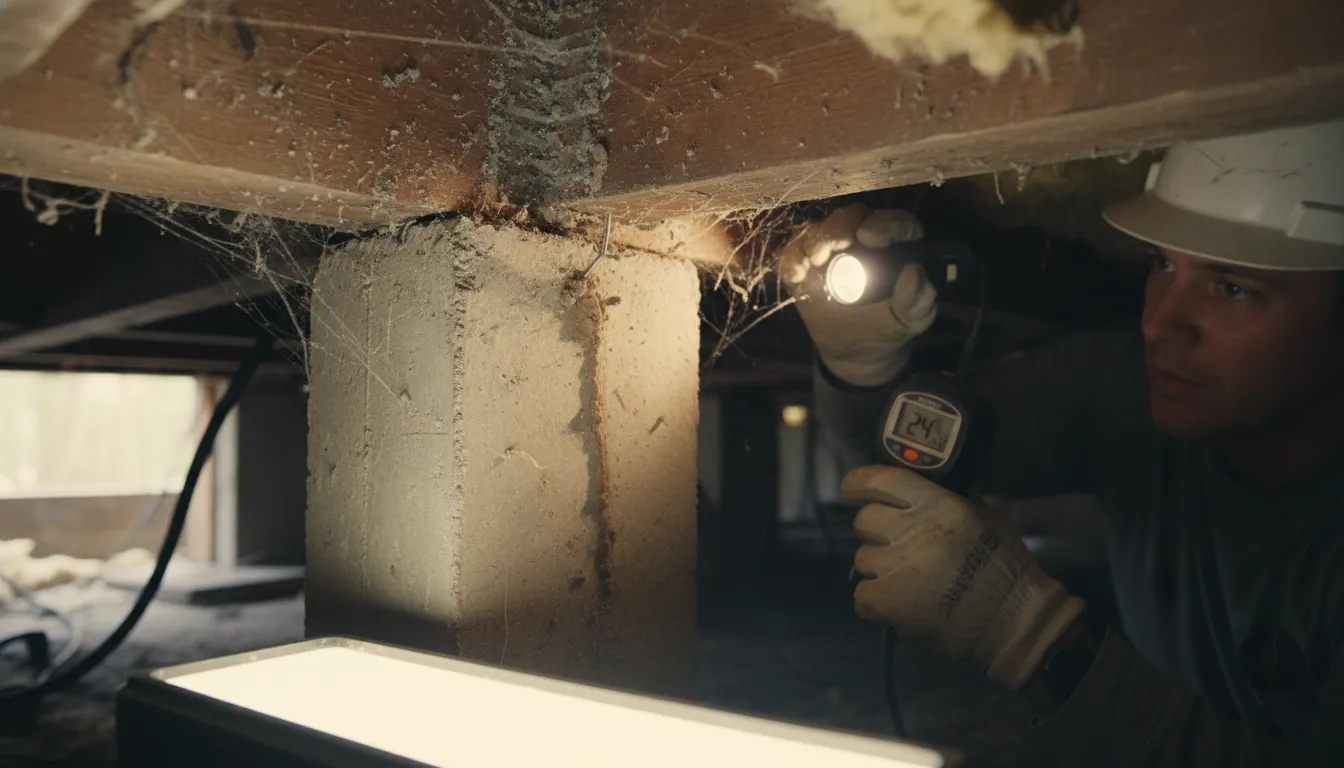
A termite inspection is a professional assessment of your property to detect the presence of wood-destroying insects and the damage they cause. In Fort Worth, where the warm climate is ideal for subterranean termites, these evaluations are a critical line of defense for protecting your largest investment. This resource helps you understand the process, what inspectors look for, and how to connect with qualified local professionals who can provide this essential service.
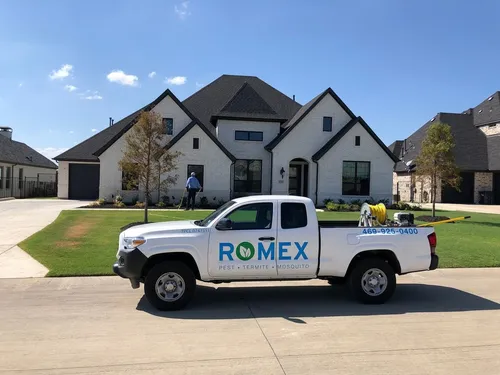
Romex Pest & Termite Control
1606 109th St Suite A, Grand Prairie, TX 75050
Romex Pest & Termite Control provides eco-friendly pest control services in Dallas, TX, serving both homes and businesses. Their offerings include treatment for bed bugs, rodents, termites, mosquitoes, and other common pests, using non-toxic methods that prioritize the safety of families and pets. The company employs advanced detection and treatment tools combined with integrated pest management strategies tailored to local needs. Romex Pest & Termite Control is licensed and insured across Texas and neighboring states, emphasizing environmentally responsible solutions.
Urbanex Pest Control
3450 Alemeda St ste 347, Fort Worth, TX 76126
Urbanex Pest Control is a veteran and family-owned company serving Fort Worth, TX, and several other U.S. cities since 2015. They offer pest and rodent control, termite inspection and treatment, mosquito control, and commercial pest management with family and pet-friendly plans tailored to each customer. Urbanex is known for thorough inspections and detailed treatments designed to keep homes and businesses pest-free.
Myles Pest Services
6517 Smithfield Rd c, North Richland Hills, TX 76182
Myles Pest Services is a pest control company serving Dallas, TX, and the Greater Fort Worth area. With over 35 years of experience, they provide tailored pest control solutions including rodent exclusion, termite protection, mosquito treatments, and general pest management. Their services focus on long-term results and customer convenience, offering online scheduling and upfront pricing. The company emphasizes a customer-first approach backed by a satisfaction guarantee.
SiteGuard Inspection Services
3834 Lucena Ct, Grand Prairie, TX 75052
SiteGuard Inspection Services offers a variety of property inspections in Irving, TX, and the Dallas-Fort Worth Metroplex. Their services include termite inspections, home and commercial inspections, pool and spa inspections, septic system inspections, foundation elevation inspections, and thermal imaging. They also provide inspections for new construction and throughout construction phases. SiteGuard serves multiple areas across North Texas, including Frisco, McKinney, Mansfield, Waxahachie, Corsicana, Weatherford, and Granbury.
Buzz Kill Pest Control
8200 Northeast Pkwy #116, North Richland Hills, TX 76182
Buzz Kill Pest Control is a locally owned company based in Dallas, TX, specializing in residential and commercial pest control services. They provide comprehensive solutions for a variety of pests including ants, termites, bed bugs, roaches, spiders, rodents, mosquitoes, and wasps. Their termite services include pre-construction soil treatments and in-ground baiting systems to protect new and existing buildings. With over 30 years of experience serving the Dallas-Fort Worth metroplex, Buzz Kill offers tailored integrated pest management plans using low-impact chemicals to ensure safety for families, pets, and workers.
Why Termite Inspections Are Essential in Fort Worth
The threat from termites in North Texas is not hypothetical; it's a constant, active concern. Subterranean termites, which live in the soil and build mud tubes to access the wood in your home, are the primary culprit 1 2. They are active year-round and can cause significant structural damage that is often hidden from plain view until it becomes severe and expensive to repair. A professional termite inspection, or wood-destroying insect (WDI) evaluation, is the most reliable way to detect an infestation in its early stages. Regular checks are a cornerstone of responsible homeownership, helping to preserve property value and avoid costly remediation down the line 3.
What a Professional Inspector Looks For
A thorough termite inspection is a detailed investigation, not just a quick glance. Certified inspectors are trained to identify both the direct evidence of termites and the conditions that attract them. Here's a breakdown of their key targets:
Direct Signs of Infestation:
- Mud Tubes: These pencil-sized tunnels made of soil and saliva are the hallmark of subterranean termites. Inspectors look for them on foundation walls, in crawl spaces, on piers, and along utility lines entering the home.
- Wood Damage: Termites eat wood from the inside out, leaving a thin veneer. Inspectors will tap on wood with a tool like a screwdriver, listening for a hollow sound and probing for weakened areas. They also look for blistering or bubbling paint, which can indicate moisture from termite activity underneath.
- Swarm Evidence: The presence of discarded insect wings near windowsills, doors, or in spider webs is a telltale sign that a reproductive termite swarm has occurred nearby, which often indicates an established colony.
- Termite Droppings: Drywood termites, while less common, leave behind distinctive piles of fecal pellets that resemble sawdust or coffee grounds.
Conducive Conditions: An inspector's job also involves identifying factors that make your home vulnerable. These include:
- Earth-to-wood contact (e.g., soil touching siding or fence posts).
- Wood debris or stored firewood in direct contact with the soil near the foundation.
- Excessive moisture from poor drainage, leaky pipes, or faulty gutters.
- Dense mulch beds placed too close to the home's siding.
- Poor ventilation in crawl spaces, which traps moisture.
The Inspection Process: What to Expect
Understanding the steps involved can help you prepare for a termite inspection service.
- Scheduling & Access: When you book an inspection, be prepared to provide the inspector with clear access to all critical areas. This includes the interior (basement, attic, closets), the exterior perimeter, and most importantly, any crawl spaces or sub-areas 4.
- The Visual Examination: The inspector will conduct a meticulous visual survey of the entire property. They will examine the foundation, sill plates, window and door frames, baseboards, and other structural wood elements 5. Attics and crawl spaces are scrutinized for damaged wood, mud tubes, and proper ventilation.
- Reporting: After the assessment, you will receive a detailed report of the findings. This document will note any evidence of active or previous infestation, damage found, and conditions that could lead to future problems. It should also include recommendations for treatment or corrective actions if necessary 6.
Special Considerations: Real Estate Transactions
In Texas, a termite inspection is a standard and highly recommended part of any home purchase. Lenders often require a formal Wood-Destroying Insect (WDI) Report from a licensed inspector 7 8. This official document is more detailed than a standard inspection report and is a critical piece of the transaction paperwork. It protects both the buyer and the lender by formally disclosing the presence or absence of wood-destroying insects. The cost for a real estate WDI report is typically higher than a routine inspection, often starting around $100 or more, due to the certification and liability involved 9 8.
Find the perfect termite inspection companies for your needs
Get personalized recommendations and expert advice
Understanding the Costs in Fort Worth
The price of a termite evaluation can vary based on the size of your home, its foundation type, and the purpose of the inspection. Based on local data, here are general guidelines 10:
- Standard Residential Inspection: For a typical single-family home, you can expect to pay between $75 and $150. This fee is sometimes bundled with a general home inspection for buyers.
- Real Estate WDI Report: As mentioned, the cost for the formal report required in most home sales typically starts at $100 or more.
- Free Inspections: Many local pest control companies offer complimentary inspections, particularly if they are providing a quote for potential treatment services. It's always wise to confirm what is included in a "free" inspection.
Investing in a professional inspection is far more economical than repairing extensive structural damage caused by undetected termites.
Subterranean vs. Drywood Termites: Know Your Enemy
While both types are found in Texas, understanding the difference helps clarify what inspectors are searching for 11:
- Subterranean Termites: These are the most common and destructive species in Fort Worth. They require contact with soil moisture and build the characteristic mud tubes for travel. Their colonies can contain millions of members, leading to rapid, widespread damage.
- Drywood Termites: These termites infest dry, sound wood and do not require contact with the soil. They are less common but can be introduced into a home via infested furniture or wood items. Signs include their distinctive fecal pellets and small "kick-out" holes in wood.
A qualified inspector will be trained to identify the signs of both species and recommend the appropriate course of action.
DIY Prevention Tips for Homeowners
While professional inspections are irreplaceable, homeowners can take proactive steps to make their property less attractive to termites:
- Eliminate Moisture: Repair leaky faucets, water pipes, and AC units. Ensure downspouts direct water away from the foundation and that the soil grade slopes away from the house.
- Reduce Wood-to-Soil Contact: Keep mulch, firewood, and lumber piles several inches away from your home's foundation. Use concrete bases for wooden fence posts and decks.
- Ventilate Crawl Spaces: Ensure crawl space vents are unblocked to reduce humidity, a major attractant for subterranean termites.
- Seal Entry Points: Fill cracks and crevices in the foundation where utility lines enter the home.
Annual professional inspections combined with these preventative measures form the best strategy for termite protection in Fort Worth.
Frequently asked questions
Sources
Footnotes
-
Termite Treatment in Fort Worth - Moxie Pest Control - https://moxieservices.com/termite-control-fort-worth/ ↩
-
Termites in Texas - Orkin - https://www.orkin.com/locations/texas-tx/termites ↩
-
Termite FAQs - Texas Department of Agriculture - https://texasagriculture.gov/Regulatory-Programs/Pesticides/Structural-Pest-Control-Service/Termite-Fumigation-Applications/Termite-FAQs ↩
-
DIY Termite Control: How to Get Rid of Termites Yourself - https://www.pedchem.com/blogs/news-articles/termite-inspection-and-how-to-get-rid-of-termites-yourself ↩
-
What Does A Termite Inspector Look For? - AG Pest Control - https://www.agpest.com/what-does-a-termite-inspector-look-for/ ↩
-
Reliable Termite Inspection services in Dallas-Fort Worth, TX - https://texinspec.com/service/termite-inspections/ ↩
-
How Much Does a Termite Inspection Cost? - https://patriotinspect.com/how-much-does-a-termite-inspection-cost/ ↩
-
Should I Get a Termite Inspection When Buying a Home in Texas? - https://www.bugco.org/blog/2014/january/getting-a-termite-inspection-when-buying-a-home/ ↩ ↩2
-
Fort Worth Termite Inspections - https://npiweb.com/baley/services/termite-inspections/ ↩
-
How Much Does A Termite Inspection Cost? - Forbes Home - https://www.forbes.com/home-improvement/pest-control/termite-inspection-cost/ ↩
-
Subterranean Vs Drywood Termites in Texas: Understanding the Key Differences - Waco, San Antonio, College Station Pest Control | iPest - https://ipestpros.com/subterranean-vs-drywood-termites-in-texas-understanding-the-key-differences/ ↩