Find the Best Termite Inspection Companies for Your Business
No obligation • Fast responses • Nationwide coverage

Why you can trust Pest Crews
Pest Crews is a leading U.S. resource for finding and evaluating residential and commercial pest control services. Our team researches providers, reviews treatment approaches, and organizes unbiased information to help you make informed decisions. Companies cannot pay to change our editorial content or influence how they appear.
Search providers near you
Top Termite Inspection Companies in Houston, Texas Ranked
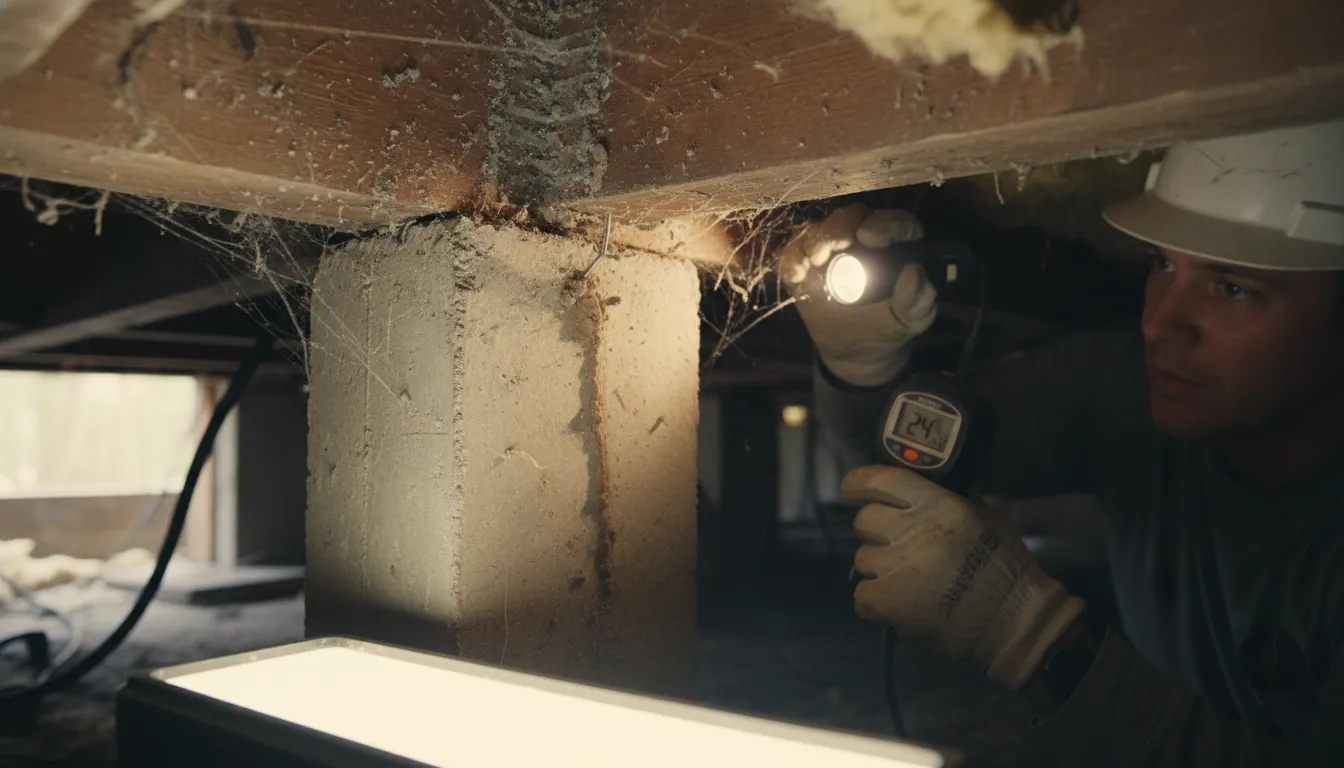
A termite inspection is a specialized assessment of a property to detect the presence or evidence of wood-destroying insects. In Houston's warm, humid climate, these inspections are not just a formality-they are a critical line of defense against costly structural damage. This guide will help you understand what a termite evaluation entails, what local inspectors look for, and how to find qualified professionals in the Houston area to protect your investment.

Holder's Pest Solutions
10560 Bissonnet St, Houston, TX 77099
Holder's Pest Solutions has been providing pest control services in Houston, TX, and the greater Houston-Galveston area since 1947. They offer residential and commercial pest management, addressing common pests such as bed bugs, termites, ants, cockroaches, rodents, and spiders. Their services include routine inspections, treatments, and follow-up visits tailored to the specific pest challenges faced by homes and businesses. Holder's Pest Solutions is known for its local expertise and uses an electronic data reporting system to maintain consistent communication with clients.
Hunter Pest Control
Houston, TX
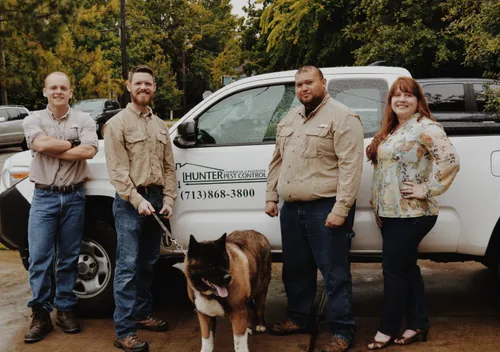
Hunter Pest Control is a family-owned pest control company serving Houston, TX. They offer services for residential and commercial properties, including cockroach control, termite inspections, and general pest management. The company specializes in wood-destroying insect treatments and termite inspections, with all service technicians certified at the highest level in Texas. Hunter Pest Control has been in business since 1988, providing professional pest control solutions tailored to local conditions.
Anytime Pest Elimination League City
2600 South Shore Blvd Suite 300-7103, League City, TX 77573
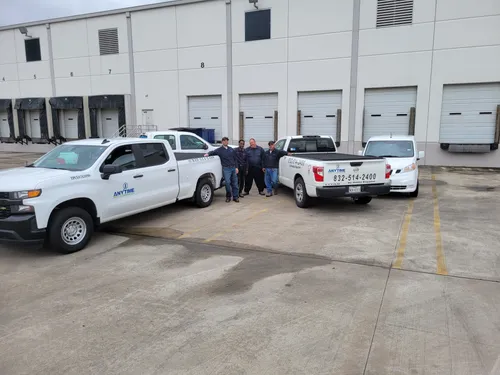
Anytime Pest Elimination League City is a pest control company serving Houston, TX, offering services for a wide range of pests including bed bugs, cockroaches, ants, rodents, termites, mosquitoes, bees, wasps, birds, and wildlife. They provide both residential and commercial pest control solutions using advanced techniques tailored to local pest challenges. With over 30 years of experience, the company has a strong understanding of pest behavior in the Houston area. Anytime Pest Elimination also offers 24/7 availability with a round-the-clock answering service to assist customers at any time.
Stephen Terry Services
7407 Spencer Hwy Suite 110, Pasadena, TX 77505
Stephen Terry Services is a pest control company based in Houston, TX, offering a range of services for residential and commercial properties. Their quarterly pest control program targets common local insects with initial comprehensive treatment followed by exterior services every three months. The company also provides critter control with live trapping and relocation, rodent proofing inspections and repairs, bee removal, mosquito yard sprays, and termite treatments using Termidor products. They handle one-time treatments for fleas, German roaches, and raspberry crazy ants as well.
Bulls-Eye Pest & Termite Control, Inc.
14905 Southwest Fwy #219, Sugar Land, TX 77478
Bulls-Eye Pest & Termite Control, Inc. is a family owned and operated pest control company serving Houston, TX, and the Greater Houston area. With over 20 years of experience, they provide residential and commercial pest control services including termite inspection and extermination, mosquito control, rodent control, and green pest control options. Their termite control services address Houston's unique climate challenges with effective prevention and treatment solutions. Bulls-Eye offers customized plans for businesses of all sizes and uses environmentally friendly methods that meet EPA standards.
Why Termite Inspections Are Essential in Houston
Houston's subtropical climate creates an ideal environment for termites, making them a year-round threat to homes and businesses. The region's high humidity and frequent rainfall provide the moisture these pests need to thrive. Without regular check-ups, a silent infestation can compromise the structural integrity of wood elements in a building, leading to repairs that can cost thousands of dollars. Proactive inspections are one of the most cost-effective ways to safeguard your property, providing peace of mind and potentially preventing a minor issue from becoming a major catastrophe1.
Common Termite Species in the Houston Area
Knowing your enemy is the first step in protection. Houston is home to several destructive termite species that inspectors are trained to identify.
- Formosan Subterranean Termites: Often called "super termites," this invasive species is highly destructive and prevalent in the Houston area. They form massive colonies and can consume wood at an alarming rate.
- Eastern Subterranean Termites: Native to Texas, these are the most common termites found across the state. They thrive in Houston's humid climate and are responsible for a significant amount of property damage each year.
- Drywood Termites: While less common than subterranean types, drywood termites are also found in the region. Unlike subterranean termites, they do not require contact with soil and can infest dry wood directly, often in attics or furniture2.
What a Professional Inspector Looks For
A thorough termite assessment is a meticulous process. A qualified inspector will examine both the interior and exterior of your property, focusing on key areas where termites are most likely to be active or gain entry.
Exterior Inspection Points:
- Foundation: Searching for mud tubes-pencil-sized tunnels of soil and saliva that subterranean termites build to travel between their colony and food source.
- Wood-to-Soil Contact: Checking for any structural wood, such as siding, door frames, or deck posts, that is in direct contact with the soil, which provides termites easy access.
- Moisture Sources: Identifying poor drainage, leaking faucets, or faulty gutters that create the damp conditions termites love.
- Landscaping & Debris: Noting wood mulch within three feet of the foundation, firewood stacked against the house, or tree stumps and wood debris in the yard.
Interior Inspection Points:
- Attics and Crawlspaces: Inspecting these often-overlooked areas for signs of infestation, damaged wood, or conducive moisture conditions.
- Basements and Slabs: Looking for cracks in the foundation or slab where termites might enter.
- Visible Wood Elements: Tapping on baseboards, window sills, door frames, and exposed beams to listen for a hollow sound, which indicates internal damage. Inspectors also look for blistering or darkening of wood, tiny exit holes from drywood termites, and pellet-like droppings known as frass3 4.
Understanding Inspection Costs in Houston
The cost of a termite inspection in Houston can vary based on several factors. For a standard inspection of a single-family home, homeowners can generally expect a range from $75 to $325. The final price is influenced by:
- Property Size and Type: Larger homes or those with complex layouts (multiple stories, extensive crawlspaces) require more time to inspect thoroughly.
- Scope of Inspection: A basic inspection for active infestation differs from a comprehensive Wood-Destroying Insect (WDI) Report, which is often required for real estate transactions. The formal report typically costs more.
- Location and Accessibility: Properties in certain areas or with difficult-to-access attics or crawlspaces may incur additional charges.
On average, a thorough inspection in Houston often falls between $100 and $2005 6. It's advisable to get quotes from several licensed providers, ensuring you understand exactly what services are included for the price.
Find the perfect termite inspection companies for your needs
Get personalized recommendations and expert advice
The Role of Moisture in Termite Risk
Moisture control is intrinsically linked to termite prevention. Inspectors pay close attention to any condition that elevates moisture levels around and within a structure. Common issues include earth-wood contact, which wicks moisture into wood7 8, poor ventilation in crawlspaces, plumbing leaks, and improper grading that allows water to pool near the foundation. Addressing these moisture problems is often a key recommendation following an inspection, as it removes a primary attractant for subterranean termites and helps protect the property from future invasion.
Special Considerations: Real Estate Transactions
If you are buying or selling a home in Houston, a termite inspection often becomes a formal part of the process. Most mortgage lenders require a Wood-Destroying Insect (WDI) Inspection Report before closing. This official document details any visible evidence of active or past infestation from termites or other wood-destroying organisms9 10. It's crucial to hire a licensed professional to conduct this specific type of inspection, as their report must meet state and lender guidelines. The cost for this service is typically on the higher end of the inspection price range but is a non-negotiable step in securing a loan and ensuring the property's soundness.
How to Prepare for an Inspection
To ensure the inspection is as efficient and comprehensive as possible, homeowners can take a few simple steps:
- Clear Access: Move boxes, stored items, and furniture away from perimeter walls, especially in basements, garages, and closets. Ensure the inspector has clear access to the attic hatch and crawlspace entrance.
- Trim Landscaping: Trim back shrubs, vines, and tree branches that are touching the house to allow for a clear view of the exterior foundation and siding.
- Address Minor Repairs: Fix leaking outdoor faucets or downspouts beforehand, as these will be noted during the inspection.
- Note Your Concerns: Make a list of any areas where you have seen suspicious signs, such as mud tubes, discarded wings, or damaged wood, and point them out to the inspector.
Interpreting Inspection Findings and Next Steps
After the inspection, the professional will review their findings with you. A clean report with no evidence of activity is the ideal outcome. However, if evidence of termites or conducive conditions is found, the inspector will provide a detailed explanation and a recommended course of action. This may range from simple corrective measures (removing wood-to-soil contact, improving drainage) to a proposal for professional treatment to eliminate an active colony. It is important to address any recommended treatments promptly to stop existing damage from worsening.
Frequently asked questions
Sources
Footnotes
-
Houston Pest Guide: Termites - https://bullseyepest.net/pest-guide/termites ↩
-
Termite Species in Houston: Everything You Need to Know - https://cycreekpestcontrol.com/blog/termite-species-in-houston/ ↩
-
What Does A Termite Inspector Look For? - AG Pest Control - https://www.agpest.com/what-does-a-termite-inspector-look-for/ ↩
-
Full Guide to Professional Termite Inspections for Home Inspectors - https://www.homegauge.com/learning/home-inspectors-termites/ ↩
-
How Much Is a Termite Inspection? Complete Cost Overview - https://www.homelight.com/blog/how-much-is-a-termite-inspection/ ↩
-
Termite Inspections: Cost and What to Expect - U.S. News Real Estate - https://realestate.usnews.com/real-estate/articles/termite-inspections-cost-and-what-to-expect ↩
-
Termite FAQs - Texas Department of Agriculture - https://texasagriculture.gov/Regulatory-Programs/Pesticides/Structural-Pest-Control-Service/Termite-Fumigation-Applications/Termite-FAQs ↩
-
Termite & Pest Inspection Services for Property Protection - https://www.arrivehouston.com/technical-inspection-services/termite-and-pest-inspection ↩
-
Should I Get a Termite Inspection When Buying a Home in Texas? - https://www.bugco.org/blog/2014/january/getting-a-termite-inspection-when-buying-a-home/ ↩
-
WDI and Termite Inspections | Pest Control in Texas - https://www.bugco.org/houston/wdi-and-termite-inspections/ ↩