Find the Best Termite Inspection Companies for Your Business
No obligation • Fast responses • Nationwide coverage

Why you can trust Pest Crews
Pest Crews is a leading U.S. resource for finding and evaluating residential and commercial pest control services. Our team researches providers, reviews treatment approaches, and organizes unbiased information to help you make informed decisions. Companies cannot pay to change our editorial content or influence how they appear.
Search providers near you
Top Termite Inspection Companies in Garland, Texas Ranked
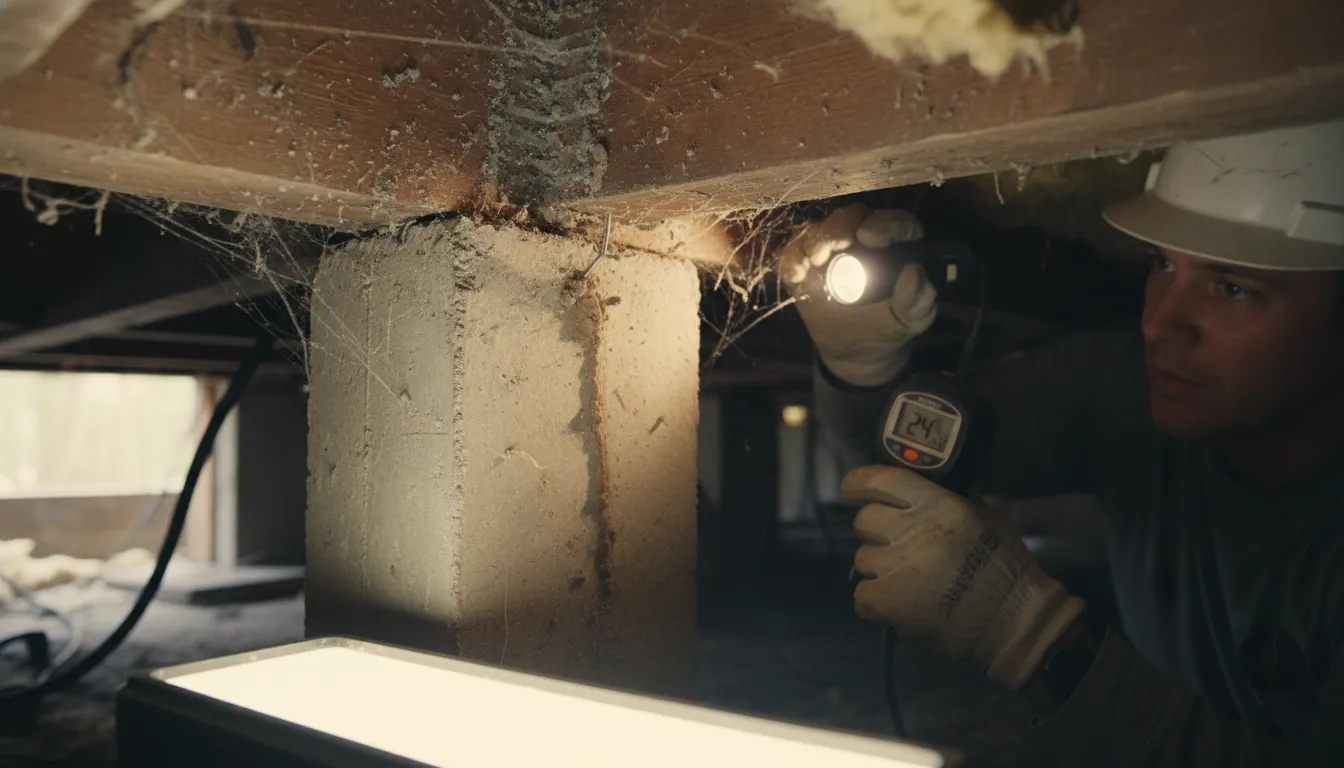
A termite inspection is a specialized assessment of your property to detect the presence or evidence of wood-destroying insects, primarily subterranean termites. In Garland, these evaluations are critical for protecting your home from costly structural damage, as Texas is a high-risk state for termite activity. This guide will help you understand what a professional termite inspection entails, what inspectors look for, and how you can use this information to connect with qualified local specialists for your property.
Romex Pest & Termite Control
1606 109th St Suite A, Grand Prairie, TX 75050
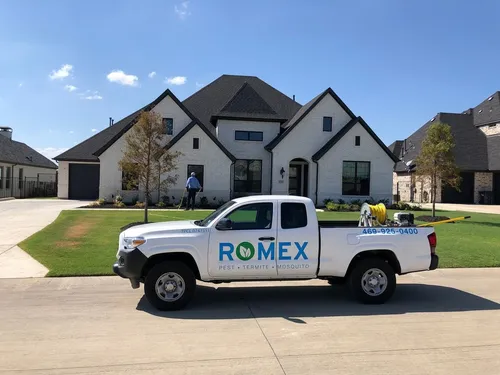
Romex Pest & Termite Control provides eco-friendly pest control services in Dallas, TX, serving both homes and businesses. Their offerings include treatment for bed bugs, rodents, termites, mosquitoes, and other common pests, using non-toxic methods that prioritize the safety of families and pets. The company employs advanced detection and treatment tools combined with integrated pest management strategies tailored to local needs. Romex Pest & Termite Control is licensed and insured across Texas and neighboring states, emphasizing environmentally responsible solutions.
Bryan & Bryan Inspections
825 Watters Creek Blvd Bldg M Ste 250, Allen, TX 75013
Bryan & Bryan Inspections is a pest control and termite inspection company serving Plano, TX, and surrounding areas. Established in 1994, the company provides comprehensive home and commercial inspection services, including pest and termite evaluations. Their inspectors use thermal imaging and offer detailed, easy-to-read reports with full-color images, delivered within 24 hours. Bryan & Bryan Inspections also provides termite protection plans as part of their service offerings.
Redstone Pest Control
300 W Princeton Dr Ste 4-378, Princeton, TX 75407
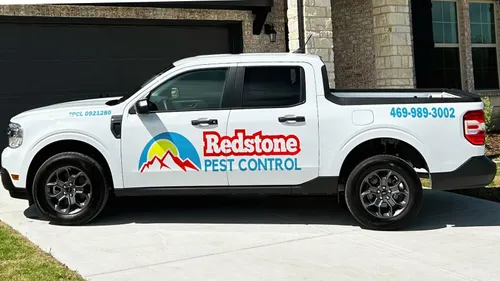
Redstone Pest Control is a family-owned pest control company serving Garland, TX. They offer comprehensive pest management services including cockroach, ant, rodent, termite, bee, and wasp control. Their approach includes thorough inspections, identifying nesting areas, and customized treatment plans that focus on both chemical and non-chemical methods. Redstone Pest Control emphasizes perimeter sprays, yard treatments, and granule applications to create effective barriers against pests. They provide regular maintenance treatments and a satisfaction guarantee to ensure ongoing pest protection. The company serves Garland and surrounding areas with a commitment to treating each home as their own.

Haven Pest Solutions
990 Security Row, Richardson, TX 75081
Haven Pest Solutions is a pest control company based in Dallas, TX, offering services that include general pest control, mosquito control, termite inspections, and rodent control. They focus on a holistic approach, starting with whole-home assessments and eco-friendly treatments tailored to each property. Their capabilities include preventative sealing and exclusion work to address the root causes of pest problems. The company emphasizes ongoing service plans that adapt to seasonal and structural changes to maintain protection throughout the year.
SiteGuard Inspection Services
3834 Lucena Ct, Grand Prairie, TX 75052
SiteGuard Inspection Services offers a variety of property inspections in Irving, TX, and the Dallas-Fort Worth Metroplex. Their services include termite inspections, home and commercial inspections, pool and spa inspections, septic system inspections, foundation elevation inspections, and thermal imaging. They also provide inspections for new construction and throughout construction phases. SiteGuard serves multiple areas across North Texas, including Frisco, McKinney, Mansfield, Waxahachie, Corsicana, Weatherford, and Granbury.
Why Termite Inspections Are Essential in Garland
The warm, humid climate of North Texas creates an ideal environment for subterranean termites, the most common and destructive species in the state. These insects work silently, often going unnoticed until significant damage has already occurred. A professional termite evaluation is your first line of defense, identifying not only active infestations but also conditions that could attract termites in the future. For homeowners, this is a vital part of routine maintenance. For those involved in real estate transactions, a formal Wood-Destroying Insect (WDI) or Wood-Destroying Organism (WDO) inspection report is frequently a required step.
What a Professional Inspector Looks For
A thorough termite inspection in Garland is a detailed process where a trained professional examines both the interior and exterior of your property. The goal is to identify signs of termite activity and "conducive conditions"-environmental factors that make your home attractive to pests.
Exterior Inspection Points
The inspector will start outside, walking the perimeter of your home and examining key areas:
- Foundation: Closely inspecting for the presence of mud tubes, which are pencil-sized tunnels termites build to travel between the soil and wood while protected from dry air.
- Landscaping & Grounds: Checking mulch beds, wood debris, fences, and tree stumps for signs of infestation. They will also assess the property's grading to ensure water drains away from the foundation, as excess moisture is a major attractant.
- Structural Wood: Examining any exterior wood, such as siding, trim, and door frames, for visible damage, blistering, or hollow sounds when tapped.
Interior Inspection Points
Inside the home, the inspector will examine accessible areas for evidence:
- Basements, Crawl Spaces, and Attics: These are prime inspection zones. The professional will look for mud tubes on foundation walls, damaged wood framing, and termite droppings (known as frass) 1.
- Living Areas: Checking along baseboards, window sills, and door frames. They may probe areas where walls meet floors, listening for hollow sounds or looking for cracked or bubbling paint that can indicate hidden galleries beneath the surface.
- Moisture Sources: Identifying leaks under sinks, around water heaters, or in bathrooms, as termites are drawn to moisture.
Tools of the Trade
Inspectors are equipped with specific tools to aid their assessment. A probing tool is commonly used to test the integrity of wood members. In some cases, a moisture meter may be used to detect elevated moisture levels within walls or structural wood, which can signal a hidden problem.
Key Signs of a Termite Problem
Understanding what inspectors are searching for can help you be more vigilant. The most common indicators of a subterranean termite issue include:
- Mud Tubes: The most definitive sign. These earthen tunnels are typically found on foundation walls, in crawl spaces, or running along pipes 2.
- Wood Damage: Termites eat wood from the inside out, leaving a thin veneer of wood or paint. Damaged wood may sound hollow when tapped and may show blistering or darkening 3.
- Discarded Wings: During swarming season (often spring), reproductive termites (swarmers) shed their wings after finding a mate. Piles of small, identical wings near windowsills or doors are a telltale sign 4.
- Termite Droppings (Frass): While more common with drywood termites, finding small, granular, wood-colored pellets can indicate activity.
- Conducive Conditions: These aren't signs of active termites but are major risk factors. They include wood-to-soil contact (like fence posts or deck stairs touching the ground), excessive moisture from poor drainage or leaks, and dense vegetation against the house 5 6.
Find the perfect termite inspection companies for your needs
Get personalized recommendations and expert advice
The Cost of a Termite Inspection in Garland
The price for a professional termite inspection in Garland typically ranges from $75 to $150 for a standard inspection and written report (WDI/WDO) 7. This is the standard fee for a detailed evaluation that is often required for real estate transactions. It's important to note that while some companies may offer a free initial check or visual assessment, a formal, documented inspection report that can be used for legal or lending purposes almost always carries a fee 7. The value lies in the inspector's expertise, detailed report, and the peace of mind that comes with a thorough assessment of your property's vulnerability.
The Inspection Report: Your Action Plan
After the inspection, you should receive a detailed report. This document is more than just a "pass or fail"; it's a roadmap for protecting your home. A comprehensive report will include:
- Findings: A clear statement on whether evidence of active or previous termite infestation was found.
- Diagram of the Property: A sketched layout noting where evidence or damage was located.
- List of Conducive Conditions: Specific factors observed that could encourage future infestations, such as earth-to-wood contact or moisture issues.
- Recommendations: Guidance on next steps, which may include treatment options if termites are found, or corrective actions like removing wood debris or improving drainage to mitigate risk.
If the inspection reveals an active infestation, the report provides the documentation needed to seek treatment solutions. If it shows only conducive conditions, you have a valuable checklist for preventive home maintenance.
Frequently asked questions
Sources
Footnotes
-
Home Inspections in Texas - What to Know - Constellation - https://www.constellation.com/energy-101/moving/texas-home-inspections.html ↩
-
Termite Inspection: How It's Done, Cost, and More for Central & ... - https://www.naturalgreenlawnandpest.com/learning-center/blog/2020/september/termite-inspection-how-it-s-done-cost-and-more-f/ ↩
-
What Does a Termite Inspector Look For? - Orkin - https://www.orkin.com/pests/termites/what-a-termite-inspector-does ↩
-
What to Expect When We Perform a Termite Inspection in Your ... - https://cititurf.com/blog/what-to-expect-when-we-perform-a-termite-inspection-in-your-home/ ↩
-
Termite FAQs - Texas Department of Agriculture - https://texasagriculture.gov/Regulatory-Programs/Pesticides/Structural-Pest-Control-Service/Termite-Fumigation-Applications/Termite-FAQs ↩
-
What Does A Termite Inspector Look For? - AG Pest Control - https://www.agpest.com/what-does-a-termite-inspector-look-for/ ↩
-
Should I Get a Termite Inspection When Buying a Home in Texas? - https://www.bugco.org/blog/2014/january/getting-a-termite-inspection-when-buying-a-home/ ↩ ↩2