Find the Best Termite Inspection Companies for Your Business
No obligation • Fast responses • Nationwide coverage

Why you can trust Pest Crews
Pest Crews is a leading U.S. resource for finding and evaluating residential and commercial pest control services. Our team researches providers, reviews treatment approaches, and organizes unbiased information to help you make informed decisions. Companies cannot pay to change our editorial content or influence how they appear.
Search providers near you
Top Termite Inspection Companies in Grand Prairie, Texas Ranked
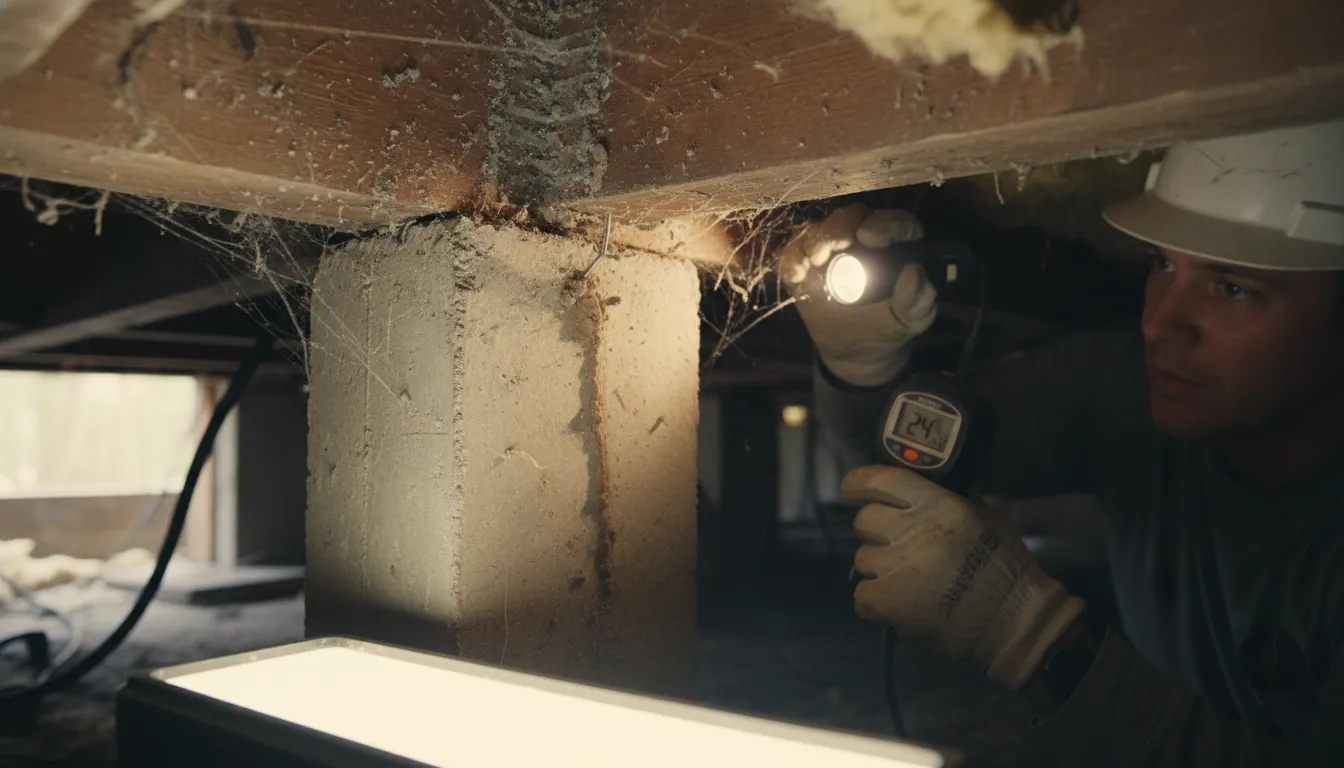
A professional termite inspection is a critical evaluation of your property to detect the presence of wood-destroying insects and the conditions that attract them. In Grand Prairie, where subterranean termites are a constant threat, these assessments are essential for protecting your investment from costly, hidden damage. This guide explains what a termite check involves, what local inspectors look for, and how you can find qualified professionals in the area to conduct a thorough examination.
Romex Pest & Termite Control
1606 109th St Suite A, Grand Prairie, TX 75050
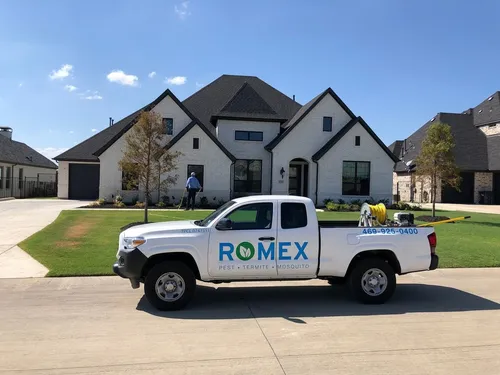
Romex Pest & Termite Control provides eco-friendly pest control services in Dallas, TX, serving both homes and businesses. Their offerings include treatment for bed bugs, rodents, termites, mosquitoes, and other common pests, using non-toxic methods that prioritize the safety of families and pets. The company employs advanced detection and treatment tools combined with integrated pest management strategies tailored to local needs. Romex Pest & Termite Control is licensed and insured across Texas and neighboring states, emphasizing environmentally responsible solutions.
Urbanex Pest Control
3450 Alemeda St ste 347, Fort Worth, TX 76126
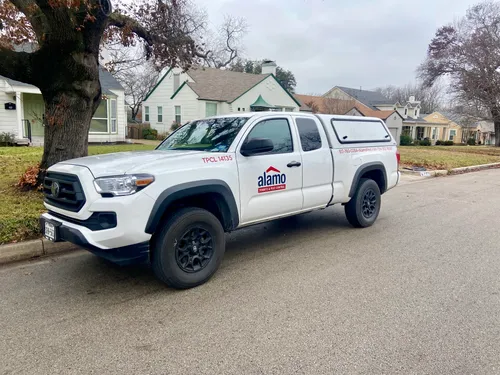
Urbanex Pest Control is a veteran and family-owned company serving Fort Worth, TX, and several other U.S. cities since 2015. They offer pest and rodent control, termite inspection and treatment, mosquito control, and commercial pest management with family and pet-friendly plans tailored to each customer. Urbanex is known for thorough inspections and detailed treatments designed to keep homes and businesses pest-free.
Bryan & Bryan Inspections
825 Watters Creek Blvd Bldg M Ste 250, Allen, TX 75013
Bryan & Bryan Inspections is a pest control and termite inspection company serving Plano, TX, and surrounding areas. Established in 1994, the company provides comprehensive home and commercial inspection services, including pest and termite evaluations. Their inspectors use thermal imaging and offer detailed, easy-to-read reports with full-color images, delivered within 24 hours. Bryan & Bryan Inspections also provides termite protection plans as part of their service offerings.
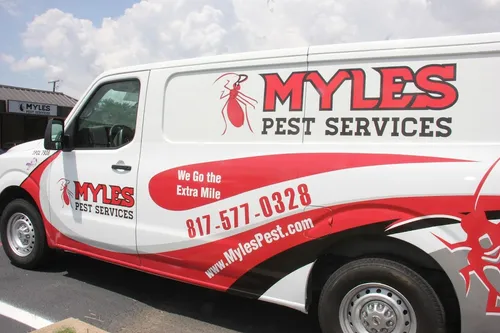
Myles Pest Services
6517 Smithfield Rd c, North Richland Hills, TX 76182
Myles Pest Services is a pest control company serving Dallas, TX, and the Greater Fort Worth area. With over 35 years of experience, they provide tailored pest control solutions including rodent exclusion, termite protection, mosquito treatments, and general pest management. Their services focus on long-term results and customer convenience, offering online scheduling and upfront pricing. The company emphasizes a customer-first approach backed by a satisfaction guarantee.

Haven Pest Solutions
990 Security Row, Richardson, TX 75081
Haven Pest Solutions is a pest control company based in Dallas, TX, offering services that include general pest control, mosquito control, termite inspections, and rodent control. They focus on a holistic approach, starting with whole-home assessments and eco-friendly treatments tailored to each property. Their capabilities include preventative sealing and exclusion work to address the root causes of pest problems. The company emphasizes ongoing service plans that adapt to seasonal and structural changes to maintain protection throughout the year.
Why Termite Inspections Are Essential in Grand Prairie
Termites are silent destroyers, often causing significant structural harm long before homeowners notice any signs. In Texas, termite damage repair costs can average over $3,000, making early detection through a professional inspection a financially prudent step 1. For homeowners, a termite evaluation provides peace of mind; for those buying or selling a home, it's often a required part of the transaction in the form of a Wood Destroying Insect (WDI) report. Regular inspections are the most effective way to catch an infestation early, before it compromises the safety and value of your home.
What a Professional Inspector Looks For
During a termite assessment, a certified professional conducts a meticulous search for both active infestations and conditions that could lead to one. Here are the key signs and risk factors they examine.
Signs of Active Infestation
Inspectors are trained to identify the subtle clues that termites leave behind:
- Mud Tubes: Subterranean termites, the most common species in Grand Prairie, build pencil-sized tunnels of mud and saliva to travel between their soil colony and wood food sources 2. Inspectors look for these tubes on foundation walls, piers, plumbing penetrations, and in crawl spaces.
- Wood Damage: Termites consume wood from the inside out, leaving a thin veneer. Inspectors will tap on wood surfaces with a tool; hollow-sounding or papery wood is a major red flag. They also look for visible damage like blistering or darkening of wood, sagging floors, and loosened tiles or molding.
- Swarmers and Discarded Wings: Reproductive termites (swarmers) emerge to start new colonies. Finding their shed wings on windowsills, in spider webs, or near light sources is a classic indicator of a nearby colony.
- Frass: While more common with drywood termites, pellet-like droppings can sometimes be found near infested wood.
- Pinholes in Drywall: Tiny pin-sized holes in drywall or wallpaper can be exit points for swarmers.
Conducive Conditions (Risk Factors)
A crucial part of the inspection is identifying factors that make your home attractive to termites. Addressing these can help prevent future problems:
- Excess Moisture: Termites thrive in damp environments. Inspectors check for leaky pipes, poor drainage, faulty gutters, and improper grading that pools water near the foundation.
- Wood-to-Soil Contact: Any direct contact between soil and untreated wood provides a highway for termites. This includes wood siding touching the ground, fence posts, door frames, and especially mulch or firewood piled against the house.
- Wood Debris and Cellulose Materials: Stacks of lumber, old tree stumps, or even cardboard boxes in crawl spaces or against the home can serve as a food source and breeding ground 3.
- Poor Ventilation: Crawl spaces and attics with inadequate ventilation trap moisture, creating an ideal habitat for termites 4.
The Termite Inspection Process: Step-by-Step
Understanding what happens during a termite examination can help you prepare and know what to expect. A comprehensive inspection typically follows a systematic approach.
1. Exterior Inspection
The inspector begins outside, walking the perimeter of your home. They examine the foundation for mud tubes, check siding and trim for damage, inspect decks and porches where wood meets the ground, and look at roof eaves and vents. The goal is to identify potential entry points and external signs of activity 5.
2. Interior Inspection
Inside, the inspector will access all viable areas. This includes:
- Basements and Crawl Spaces: These are critical areas where moisture and wood-to-soil contact are common. Inspectors look for mud tubes on piers and joists 6.
- Attics: They check for proper ventilation and inspect roof sheathing and rafters for damage, which can indicate an infestation from swarmers entering through the roof 7.
- Living Areas: While less common for major activity, inspectors will check baseboards, window and door frames, and areas around plumbing for signs. They may use a moisture meter to detect hidden dampness in walls 8.
3. Probing and Tool Use
Inspectors are not just relying on sight. They use tools like flashlights, mirrors, and probes. A screwdriver or ice pick may be used to gently probe wood in suspect areas to check for hollow spots or weakened integrity, a telltale sign of internal damage.
4. Reporting
After the assessment, the inspector will document all findings. If you require an official WDI report for a real estate transaction, it will detail any evidence of active infestation, past treatment, damage, and conducive conditions. Even for a routine check, you should receive a written summary explaining what was found and recommended next steps, which may include treatment or corrective actions to reduce risk.
Find the perfect termite inspection companies for your needs
Get personalized recommendations and expert advice
Understanding Inspection Costs and Reports in Grand Prairie
In the Grand Prairie area, the cost for a professional termite inspection can vary. For a standard inspection that results in an official WDI report, homeowners can expect to pay between $75 and $150 on average 9 10. The final price often depends on the size of the home, the complexity of the structure (e.g., multiple crawl spaces, piers), and whether the report is needed for a real estate closing.
Many local pest control companies also offer free or low-cost estimates, which are visual inspections to determine if treatment is needed. It's important to clarify with the provider what type of inspection you are receiving-a free estimate may not include a detailed written report suitable for a lender or buyer 11 12.
Remember, while an inspection is the best tool for detection, no inspection can guarantee that termites are absolutely absent, as they can be hidden deep within walls or under slabs 13. The value lies in the inspector's expertise in identifying probable areas of activity and risk.
Common Termite Species in North Texas
Knowing your enemy is part of the battle. In Grand Prairie, the primary threat comes from:
- Subterranean Termites: This is the most widespread and destructive species in the region. They live in colonies underground and build the characteristic mud tubes to access above-ground food sources. They are responsible for the vast majority of termite damage in Texas homes 14 15 16.
While less common, inspectors are also trained to identify signs of drywood or Formosan termites, which have different behaviors and treatment requirements.
How to Prepare for Your Termite Inspection
To ensure the inspector can do a thorough job, a little preparation can help:
- Clear Access: Ensure the inspector can easily access your attic, crawl space, garage, and all rooms. Move stored items away from foundation walls in basements and garages.
- Trim Vegetation: Cut back shrubs, vines, and tree branches that are touching the house.
- Move Mulch and Firewood: Temporarily relocate mulch, lumber, and firewood piles at least a few feet away from the foundation.
- Address Moisture: Fix any obvious leaks you are aware of and ensure downspouts direct water away from the house.
By preparing your home, you help the inspector complete a more efficient and comprehensive evaluation 17.
Frequently asked questions
Sources
Footnotes
-
Termite Damage Repair Cost [2026 Data] | Angi - https://www.angi.com/articles/termite-damage-repair-cost.htm ↩
-
Signs of Termite Infestations- How to Check for Termites - Terminix - https://www.terminix.com/termites/signs/ ↩
-
Termite Inspection in Dallas | RSH Engineering & Construction - https://rshengineering.com/service/termite-inspection/ ↩
-
What To Expect From Your Upcoming Home Termite Inspection - https://calprogroup.com/blog/what-to-expect-from-your-upcoming-home-termite-inspection/ ↩
-
What Happens During a Termite Inspection: What You Need to Know - https://ecolatermite.com/what-happens-during-a-termite-inspection-what-you-need-to-know/ ↩
-
What Does A Termite Inspector Look For? - AG Pest Control - https://www.agpest.com/what-does-a-termite-inspector-look-for/ ↩
-
Termite Inspection Guide - DoMyOwn.com - https://www.domyown.com/termite-inspection-guide-a-477.html ↩
-
Full Guide to Professional Termite Inspections for Home Inspectors - https://www.homegauge.com/learning/home-inspectors-termites/ ↩
-
Should I Get a Termite Inspection When Buying a Home in Texas? - https://www.bugco.org/blog/2014/january/getting-a-termite-inspection-when-buying-a-home/ ↩
-
How Much Is a Termite Inspection? Complete Cost Overview - HomeLight - https://www.homelight.com/blog/how-much-is-a-termite-inspection/ ↩
-
Termite Control in Grand Prairie - Paragon Pest Control - https://www.paragonpestdfw.com/pest-control/termite-control/ ↩
-
Termite Inspections Grand Prairie, TX | WDI Report - https://bradypestcontrol.com/services/termite-inspection/ ↩
-
Termite FAQs - Texas Department of Agriculture - https://texasagriculture.gov/Regulatory-Programs/Pesticides/Structural-Pest-Control-Service/Termite-Fumigation-Applications/Termite-FAQs ↩
-
What Do Termites Look Like in Prairie, Texas? | Forterra Pest Control - https://forterrapestcontrol.com/blog/what-do-termites-look-like-in-prairie-texas ↩
-
Ultimate Guide to Termite Treatment - https://www.fullscopepestcontrol.com/ultimate-guide-to-termite-treatment/ ↩
-
Blog - What Does Termite Damage Look Like? - https://www.getmypests.com/blog/2023/march/what-does-termite-damage-look-like-/ ↩
-
How to Prepare Your House for a Termite Inspection? - https://www.hitechtermite.com/articles/how-to-prepare-your-house-for-a-termite-inspection ↩