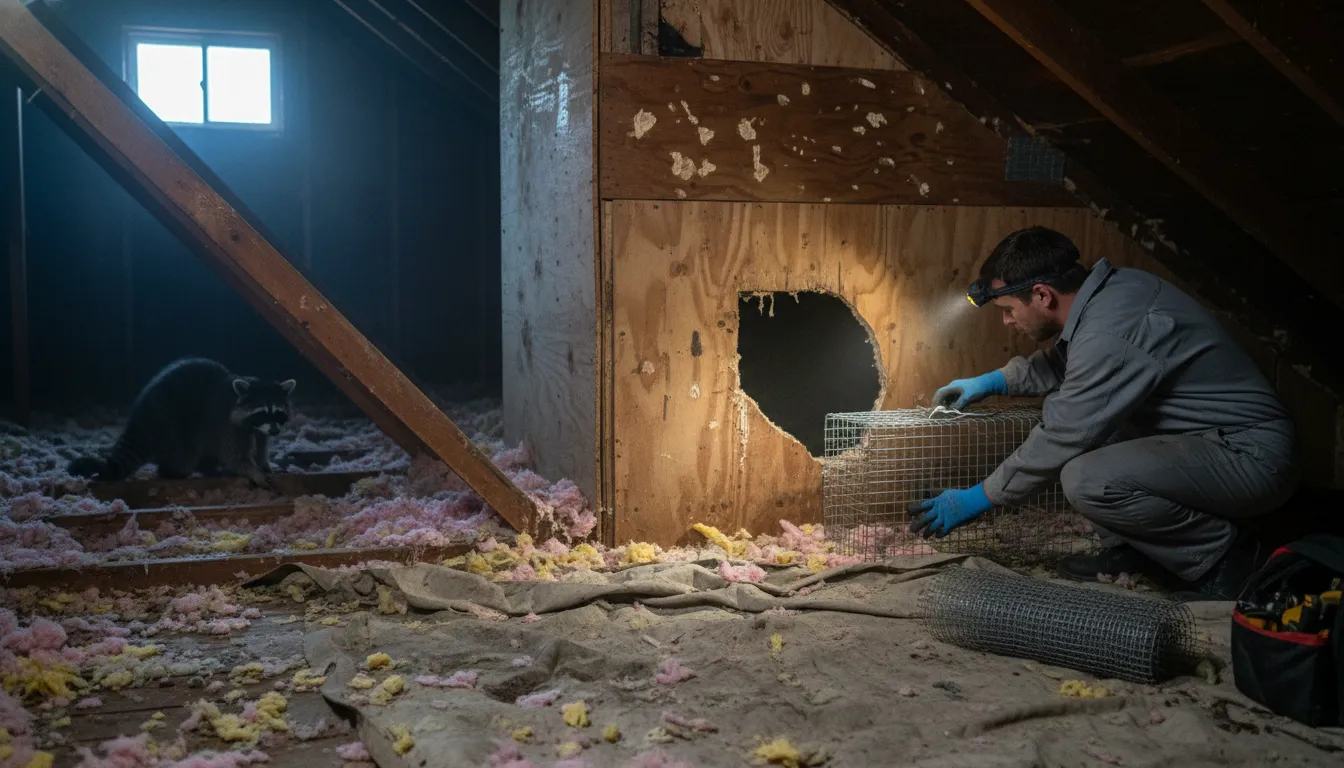
Find the Best Wildlife Removal Companies for Your Business
No obligation • Fast responses • Nationwide coverage

Why you can trust Pest Crews
Pest Crews is a leading U.S. resource for finding and evaluating residential and commercial pest control services. Our team researches providers, reviews treatment approaches, and organizes unbiased information to help you make informed decisions. Companies cannot pay to change our editorial content or influence how they appear.
Search providers near you
Top Wildlife Removal Companies in Alameda, California Ranked
Discovering an uninvited animal in your attic, under your deck, or rummaging through your garbage can be unsettling. Wildlife removal is the specialized service of safely and legally resolving conflicts with wild animals that have become a nuisance or a hazard on your property. In a city like Alameda, where urban spaces meet natural habitats, understanding how to manage these encounters is crucial for protecting your home and the local ecosystem. This guide will help you identify common local wildlife issues, learn effective prevention strategies, and navigate the process of finding qualified professionals for humane animal control and exclusion when needed.
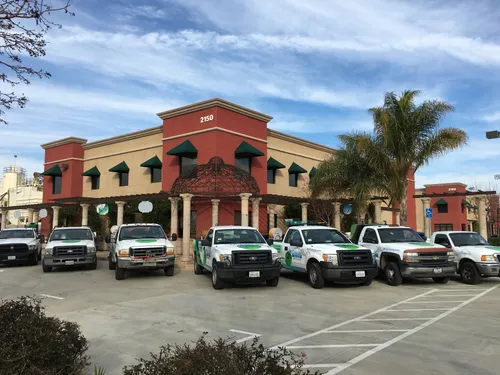
McCauley Agricultural & Pest Control
2150 Elkins Way Ste 205, Brentwood, CA 94513
McCauley Agricultural & Pest Control is a family-owned pest control company based near Oakland, CA, serving residential, commercial, and agricultural clients throughout the East Bay Area and Central Valley. They provide a range of services including termite inspection and control, wildlife removal, weed abatement, turf care, and ornamental plant services. With over 35 years of combined experience, McCauley uses advanced and eco-friendly materials to address pest and plant health issues.

Advanced Integrated Pest Management
1960 Arnold Industrial Pl, Concord, CA 94520
Advanced Integrated Pest Management provides pest control services in Oakland, CA, specializing in the removal and prevention of insects, rodents, and wildlife for both residential and commercial properties. Their service area includes nearby communities such as Clyde, Pleasant Hill, Dana Estates, and Clayton. The company offers comprehensive pest management solutions including ant, cockroach, spider, bed bug, wasp, bird, and rodent control, as well as vegetation management. Advanced IPM focuses on customized treatments to address infestations and prevent future pest issues.

California Exterminating Service
2770 Camino Diablo Suite D, Walnut Creek, CA 94597
California Exterminating Service is a pest control company serving Oakland, CA, and the surrounding East Bay area. With over 71 years of experience, they provide pest management solutions for common local pests such as ants, rodents, termites, cockroaches, and bees. Their approach emphasizes environmentally friendly methods, including natural deterrents and barriers, to protect homes while minimizing chemical use. They also offer wildlife removal and plant healthcare services tailored to the unique needs of Contra Costa and Alameda counties. The company prioritizes preventive treatments starting at the property perimeter to reduce indoor pest issues and maintain a sustainable environment.
Trap N Rodents Rodent Proofers,LLC
Fremont, CA
Trap N Rodents Rodent Proofers, LLC is a rodent control and wildlife removal company serving Fremont, CA. They specialize in comprehensive rodent inspections and rodent-proofing services that identify and seal all potential entry points to prevent rodent infestations. Their approach avoids chemical sprays and poisons, focusing instead on humane trapping and sealing techniques to eliminate rodents safely and effectively. With over 10 years of experience, they offer a two-year guarantee on their services and monitor traps for two weeks to ensure complete rodent removal.

Aptive Pest Control
San Jose, CA
Aptive Pest Control offers comprehensive pest management services in San Jose, CA, addressing common pests such as ants, spiders, cockroaches, rodents, termites, and wasps. Operating with a local understanding of the area's Mediterranean climate and seasonal pest activity, they provide year-round treatments tailored to prevent infestations and protect homes. Their services include exclusion methods, strategic baiting, and targeted treatments to manage and prevent pest problems effectively. Aptive Pest Control serves San Jose and surrounding communities, including Cupertino, Fremont, and Sunnyvale, ensuring coverage across the region.
Common Nuisance Wildlife in Alameda
Alameda's mix of residential neighborhoods, parks, and waterfront areas creates an ideal environment for a variety of adaptable wildlife species. Knowing which animals are most likely to cause issues is the first step in managing them.
- Raccoons: These intelligent, dexterous mammals are notorious for tipping over garbage cans, tearing into soffits to access attics, and creating dens in crawlspaces. They can carry diseases like rabies and roundworm, making their removal a priority.
- Squirrels: Both Eastern grey squirrels and red squirrels are common. They often enter attics and walls to nest, where they can chew on electrical wiring (a significant fire hazard), insulation, and structural wood.
- Skunks & Opossums: These animals are often attracted to pet food left outdoors and accessible garbage. While they help control insects and rodents, they can become a smelly problem under porches or decks and may defend themselves if startled.
- Coyotes: Present throughout the Bay Area, coyotes are increasingly seen in urban settings. They primarily prey on rodents but may threaten small pets. Managing attractants is key to coexistence.
- Rodents: While often grouped under general pest control, rats and mice are persistent wildlife issues that require exclusion and removal strategies similar to larger animals.
- Birds: Pigeons and other birds can nest in vents, on roofs, and in eaves, leading to clogged gutters, property damage from droppings, and health concerns.
Effective Wildlife Prevention Strategies
The most effective and humane form of animal control is preventing conflicts before they start. By making your property less attractive, you can avoid most wildlife problems.
Secure All Food Sources
Wildlife is primarily driven by the search for an easy meal.
- Garbage: Use wildlife-resistant trash cans with tight-fitting, locking lids. Store cans in a secured garage or shed until pickup day.
- Pet Food: Never leave pet food or water bowls outside overnight. Feed pets indoors.
- Compost & Fruit: Use enclosed compost bins. Regularly pick up fallen fruit from trees in your yard.
- Bird Feeders: If they attract rodents or raccoons, consider removing them or using baffles.
Eliminate Shelter and Entry Points
Animals seek safe, warm places to nest and raise young.
- Seal Structures: Conduct a thorough inspection of your home's exterior. Seal any holes, gaps, or cracks in the roof, siding, foundation, and around utility lines with sturdy materials like steel wool, hardware cloth, or metal flashing. Remember, for rodents, it's critical to seal all potential entry points before attempting trapping to prevent new animals from simply moving in 1.
- Trim Vegetation: Keep tree branches trimmed back at least 6 feet from your roof and prune dense shrubs near the foundation to reduce cover and access routes for squirrels, raccoons, and rats 2.
- Block Access: Secure crawlspace vents with heavy-gauge screens and install chimney caps.
Find the perfect wildlife removal companies for your needs
Get personalized recommendations and expert advice
Understanding Wildlife Removal Laws in California
Attempting DIY wildlife control in Alameda comes with significant legal restrictions designed to protect both animals and people. Ignorance of these laws can result in fines.
- Relocation is Illegal: It is against California state law to trap and relocate most wild animals to another area 3 4 5. This law prevents the spread of disease, avoids overburdening other ecosystems, and is often inhumane as relocated animals struggle to survive. Trapped animals must be released on the property where they were caught or humanely euthanized by the trapper.
- Trapping Regulations: Trapping nongame mammals that are damaging property is allowed, but strict rules apply. Traps generally cannot be set within 150 yards of an occupied dwelling without the occupant's permission 6 7. The methods used must be compliant with the California Code of Regulations.
- Protected Species: Some species, like certain birds of prey, are federally protected and require special permits for handling. A licensed professional will know these regulations.
When and How to Seek Professional Help
While prevention and minor deterrents are homeowner tasks, certain situations require expert intervention.
Types of Professional Services
- Alameda County Vector Control Services District (ACVCSD): This is a vital public resource. They provide free consultations and can assist with certain species like squirrels, coyotes, foxes, and mountain lions 8. They offer expert advice on prevention and may respond to active public safety concerns. For persistent attic infestations or direct removal, they often recommend licensed private companies.
- Licensed Wildlife Removal Companies: These private professionals handle the full scope of wildlife conflict resolution. Services include:
- Humane Trapping & Removal: Safe, legal capture and removal of animals from your property.
- Exclusion Work: The most important long-term solution. Professionals permanently seal all entry points after ensuring no animals are trapped inside.
- Attic Restoration & Cleanup: After animals are removed, droppings, urine, and nesting materials must be sanitized and contaminated insulation replaced to eliminate health risks and odors. This is a specialized service.
- City of Alameda Animal Services (FAAS): Focuses primarily on domestic animals (stray dogs and cats). They should be contacted for injured or sick wildlife that is immobile or in distress, but not for general nuisance wildlife removal from a home 9.
What to Expect: The Professional Process
A reputable wildlife control operator will typically follow a multi-step process:
- Inspection: A thorough assessment of your property to identify the species, entry points, and extent of the problem. This service often costs between $100 and $250.
- Removal Plan: A detailed proposal outlining the removal method (often one-way exclusion doors or live traps), the exclusion work needed, and any cleanup required.
- Execution & Exclusion: The safe removal of animals followed by the sealing of all entry points with durable materials.
- Cleanup & Restoration: Decontamination of affected areas and replacement of damaged insulation, which can be a significant part of the total cost for attic invasions.
Cost Considerations for Wildlife Control in Alameda
The cost of wildlife management varies widely based on the animal, the severity of the infestation, and the services required.
- Inspection/Consultation: Often free from Vector Control, or $100-$250 from a private company 10.
- Standard Removal & Exclusion: For a squirrel or raccoon family requiring trapping and basic exclusion, homeowners might pay between $300 and $800.
- Attic Remediation & Restoration: This is where costs can rise significantly. Removing contaminated insulation, sanitizing the space, and installing new insulation can range from $1,000 to over $4,000, depending on the attic's size and the level of damage 11 12.
- Coyote or Larger Wildlife: Response from Vector Control is typically a public service. Private removal, if necessary and legally permitted, would involve specialized trapping and carry higher costs.
Investing in professional exclusion and restoration not only solves the immediate problem but also protects your property's value and your family's health by preventing future invasions and removing biohazards.
Frequently asked questions
Sources
Footnotes
-
Wildlife - Friends of the Alameda Animal Shelter - https://www.alamedaanimalshelter.org/resources/wildlife.html ↩
-
Wildlife Resources | City of Alameda - https://www.alamedaca.gov/Departments/Police-Department/Wildlife ↩
-
California wildlife relocation laws for pest control - https://www.facebook.com/groups/1594787164103792/posts/3700674206848400/ ↩
-
Living With Urban Wildlife - San Francisco Animal Care and Control - https://www.sfanimalcare.org/living-with-urban-wildlife/ ↩
-
Living with Wildlife - https://wildlife.ca.gov/Living-with-Wildlife ↩
-
Animal trapping and control - Lacounty - https://file.lacounty.gov/SDSInter/acwm/235835_Trappingrequirementspaper.pdf ↩
-
Laws & Regulations - Humane Pest Control Inc - https://humanepestpro.com/?page_id=85 ↩
-
Other Wildlife In Alameda County - Vector Control Services - https://acvcsd.org/programs-services/wildlife-2/other-wildlife-in-alameda-county/ ↩
-
Animal Services | City of Alameda - https://www.alamedaca.gov/Departments/Animal-Services ↩
-
Wildlife - Vector Control Services - https://acvcsd.org/programs-services/wildlife-2/ ↩
-
Alameda Wildlife Animal Control - Removal of - http://www.wildlifeanimalcontrol.com/Alameda.html ↩
-
California Wildlife Removal Company Directory - Pro Animal Control - https://pro-animal-control.com/california-wildlife-removal-company/ ↩