Find the Best Wildlife Removal Companies for Your Business
No obligation • Fast responses • Nationwide coverage

Why you can trust Pest Crews
Pest Crews is a leading U.S. resource for finding and evaluating residential and commercial pest control services. Our team researches providers, reviews treatment approaches, and organizes unbiased information to help you make informed decisions. Companies cannot pay to change our editorial content or influence how they appear.
Search providers near you
Top Wildlife Removal Companies in Baldwin Park, California Ranked
Discovering an uninvited animal in your attic, under your deck, or rummaging through your trash can be unsettling. In Baldwin Park, professional wildlife removal is a specialized service focused on safely and legally resolving conflicts with nuisance animals. This process is crucial for protecting your property from damage and ensuring the humane treatment of local wildlife, which is governed by strict California regulations. This guide will help you understand the common issues, your legal responsibilities, and how to find qualified local experts to handle animal control situations effectively.
Orchard Inc.
Los Angeles, CA
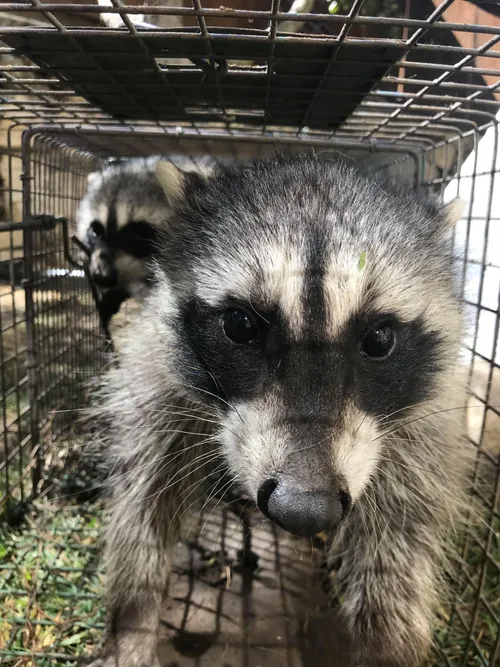
Orchard Inc. is a pest control company based in Los Angeles, CA, specializing in rodent, bird, and wildlife removal services for both residential and commercial properties. They use humane methods and combine modern techniques with proven approaches to manage infestations while respecting natural ecosystems. Orchard Inc. also offers wildlife fencing as a preventative measure to keep animals off properties. The company serves Los Angeles County and Orange County, handling a wide range of pest control needs with a focus on bird and rodent solutions.
Hawkins Animal Trapping and Removal
Long Beach, CA
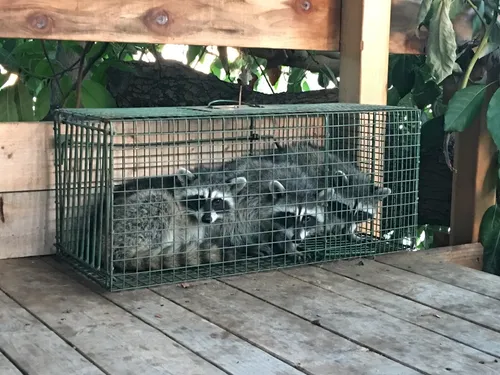
Hawkins Animal Trapping and Removal is a family-owned business based in Long Beach, CA, serving Los Angeles and Orange County. Established in 2018 by an industry professional with over 10 years of experience, the company offers wildlife and animal removal services for both homeowners and businesses. Their services include rodent, raccoon, bird, skunk, opossum, and bat removal, as well as attic cleaning and dead animal removal. They handle dead animals found in crawlspaces, attics, lawns, roofs, and driveways, ensuring safe and effective removal.
Aesthetic Wildlife Control
Los Angeles, CA
Aesthetic Wildlife Control provides humane and poison-free wildlife and rodent removal services in Los Angeles, CA. Their certified team offers a wide range of pest control solutions including rat, possum, bat, raccoon, skunk, snake, and dead animal removal, along with attic decontamination and bird proofing for solar panels. They use eco-friendly, non-toxic methods and provide thorough inspections with photo and video documentation to ensure effective exclusion and sanitation. The company is licensed by the California Department of Fish and Wildlife and offers 24/7 emergency animal removal services across Los Angeles and Orange County.
All City Animal Trapping
1321 Alameda St, Wilmington, CA 90744
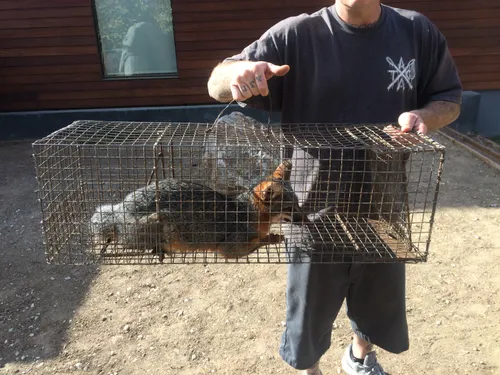
All City Animal Trapping is a wildlife removal company based in Los Angeles, CA. They specialize in humane trapping and removal of nuisance animals such as raccoons, squirrels, bats, and birds. Their services include damage repair, decontamination, and preventive measures to keep homes and businesses wildlife-free. With over 20 years of experience, the company serves residential and commercial customers throughout Los Angeles and surrounding counties. All City Animal Trapping employs licensed and insured professionals who use effective and humane methods for animal control.
Orkin
4420 E Miraloma Ave Ste C, Anaheim, CA 92807
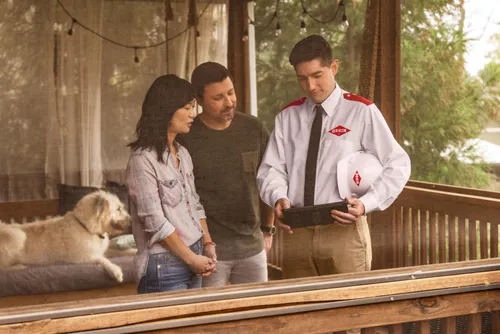
Orkin offers comprehensive pest control services in Long Beach, CA, addressing a wide range of pests including bed bugs, cockroaches, ants, rodents, termites, mosquitoes, and wildlife. The company provides tailored seasonal pest control plans and uses advanced methods such as infrared scanners, moisture monitors, and Sentricon® bait treatments for termite detection and elimination. Orkin has a strong presence in the area and offers 24/7 availability with flexible scheduling and next-day service to meet customer needs promptly.
Common Nuisance Wildlife in Baldwin Park
The urban-wildland interface in Baldwin Park and the greater Los Angeles County area means residents often encounter a variety of wild animals seeking food, water, or shelter. Knowing which species are most likely to cause problems is the first step in addressing an issue.
Mammals: Raccoons, opossums, and skunks are frequent visitors, attracted by accessible garbage and pet food. Squirrels and rats are notorious for chewing wires and nesting in attics, while bats may roost in quiet, dark spaces like eaves or vents. Larger predators, such as coyotes, are also present and pose distinct challenges.
Reptiles and Seasonal Activity: Non-venomous snakes can occasionally be found in yards, especially those with heavy brush or water sources. Wildlife activity often follows seasonal patterns: spring and summer are peak times for nesting and raising young in attics, while fall and winter see increased foraging as natural food sources become scarce 1.
Understanding California and LA County Wildlife Laws
Attempting to handle a wildlife problem without knowing the rules can lead to legal trouble. California has some of the most protective regulations in the country, designed to manage wildlife populations ethically and prevent the spread of disease.
The Relocation Ban: A critical law enforced by the California Department of Fish and Wildlife (CDFW) prohibits the relocation of most trapped wildlife. An animal caught in a live trap cannot simply be driven to a park or forest and released. The legal options are typically limited to releasing the animal on the immediate property where it was caught or, in many cases, humane euthanization by a licensed professional 2.
Trapping and Feeding Regulations: LA County has specific ordinances to complement state laws. It is illegal to feed non-domesticated rodents or mammalian predators (like coyotes or raccoons), unless you are temporarily caring for an injured animal awaiting authorities. Furthermore, traps cannot be set within 150 yards of a residence without the written consent of the property owner. For certain protected species or specific situations, such as recurring coyote predation or deer issues, a depredation permit from CDFW may be required before any action can be taken 3.
DIY Wildlife Control: Prevention and Legal Trapping
For minor issues or as a proactive measure, there are several safe and legal actions Baldwin Park homeowners can take themselves. The primary goal of do-it-yourself animal control should always be exclusion and prevention.
Exclusion and Deterrence: This is the most effective long-term strategy. Carefully inspect your home's exterior for entry points larger than a quarter-inch and seal them with sturdy materials like hardware cloth or steel wool. Secure trash cans with locking lids, remove fallen fruit, and never leave pet food outdoors overnight. Using motion-activated lights or sprinklers can also deter nocturnal animals from settling in your yard 4.
The Complexities of DIY Trapping: While live traps are available for purchase, their use is fraught with legal and practical complications. As noted, you must comply with state laws regarding release. Furthermore, trapping requires correctly identifying the animal, using the right bait and trap size, and checking traps frequently (as required by law). Handling trapped wildlife, especially species like skunks or raccoons that can carry rabies, poses a significant safety risk. For these reasons, many residents find that hiring a professional for trapping and removal is the wiser choice 5.
Find the perfect wildlife removal companies for your needs
Get personalized recommendations and expert advice
When to Call Animal Control vs. a Wildlife Professional
Knowing which agency or service to contact saves time and ensures the problem is handled appropriately. The roles of public animal control and private wildlife removal operators are distinct.
Contact LA County Animal Care & Control: You should call your local animal control authority for specific situations. Their primary mandates involve public health and safety. This includes picking up sick or severely injured animals, responding to aggressive dog incidents, and, in some jurisdictions, addressing high-concern wildlife like coyotes or large rodent infestations on public property. They are the official channel for reporting issues that fall under county ordinances 6.
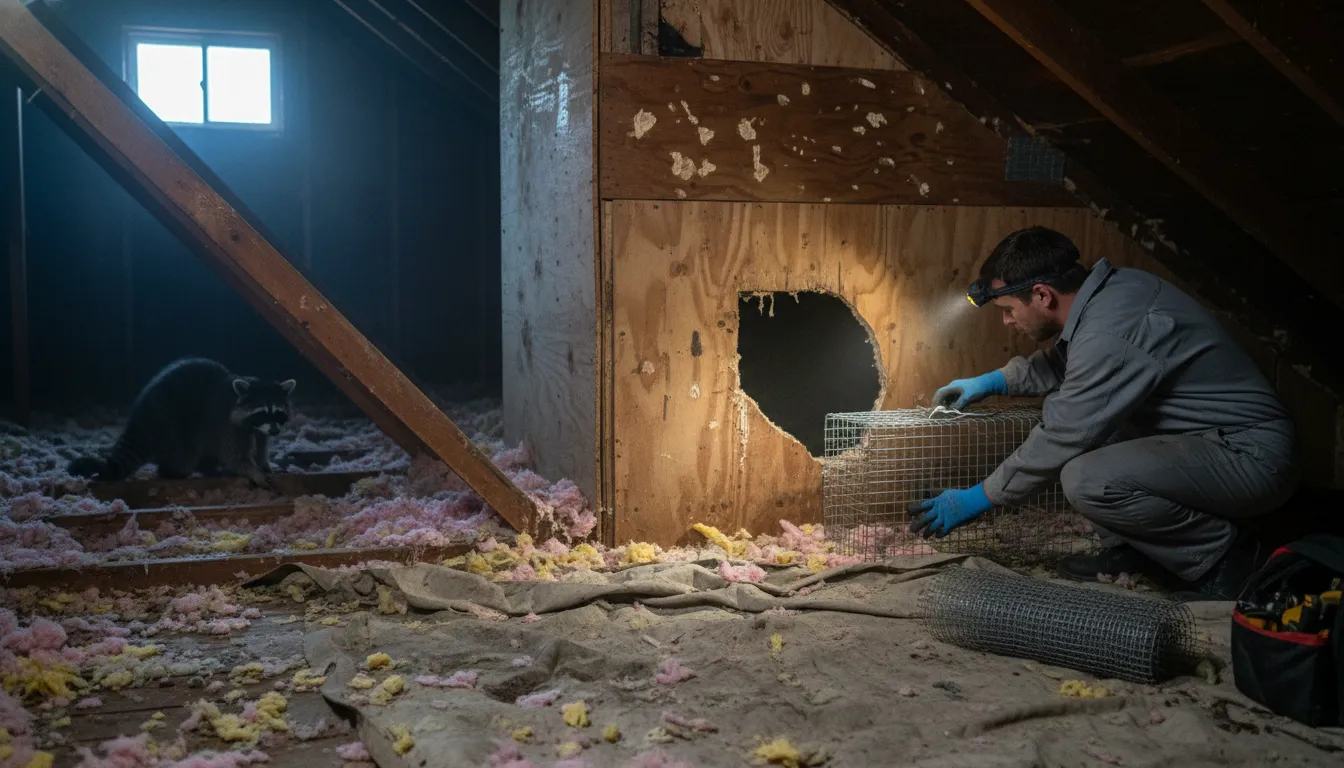
Hire a Licensed Wildlife Removal Service: For most wildlife conflicts on private property, a private animal control company is the appropriate resource. These specialists are equipped for complex removals from structures, such as extracting a raccoon family from an attic, performing bat exclusions, or safely removing a snake. They also provide comprehensive services like damage repair, exclusion sealing, and biohazard cleanup (deodorization and waste removal), which are essential for restoring your home after an infestation.
What to Expect: The Professional Removal Process and Costs
A reputable wildlife control operator will follow a systematic approach to ensure the problem is solved completely and humanely. Understanding this process and associated pricing helps you evaluate quotes and services.
Inspection and Assessment: The process almost always begins with a thorough inspection, which typically costs between $100 and $250. A technician will identify the species, locate entry points, and assess the extent of the damage and contamination. This fee is often credited toward the total cost if you proceed with their services.
Removal and Exclusion: The removal method depends on the animal. Live trapping is common for mammals, while one-way exclusion doors are often used for bats and some rodents, allowing them to leave but not re-enter. Following removal, the critical step is exclusion-permanently sealing all entry points to prevent re-infestation. This repair work can range from $200 to over $1,000 depending on the materials and labor required 7.
Cleanup and Final Costs: Animal waste and nesting materials pose health risks and can attract new pests. Professional cleanup and deodorization of an attic or crawlspace may add another $200 to $500 to the bill. Overall, total costs in Southern California vary widely: standard removal of an animal like a skunk or opossum might range from $300 to $800, while more complex jobs like bat colony exclusion or snake removal can cost between $500 and $1,500 or more. Always request a detailed, written quote that breaks down inspection, removal, repairs, and cleanup 8 9.
Choosing a Responsible Wildlife Control Service in Baldwin Park
Selecting the right provider is key to a safe, legal, and lasting solution. Look for companies that emphasize humane methods and full compliance with CDFW and county regulations. They should be fully licensed and insured, and willing to explain their process clearly. A strong guarantee on their exclusion work is a good sign of confidence in their service. Be wary of operators who quote unusually low prices or suggest they will "relocate" the animal to a distant area, as this is a red flag indicating they may not follow the law 10 11.
Frequently asked questions
Sources
Footnotes
-
California Wildlife Removal & Animal Control - Critter Control - https://www.crittercontrol.com/office-finder/california/ ↩
-
Laws and Regulations - https://vpcrac.org/download_file/view/206/252 ↩
-
Laws and Regulations - Humane Wildlife Control Inc - https://humanecontrol.com/laws-and-regulations/ ↩
-
Laws & Regulations - Humane Pest Control Inc - https://humanepestpro.com/?page_id=85 ↩
-
Animal trapping and control - Lacounty - https://file.lacounty.gov/SDSInter/acwm/235835_Trappingrequirementspaper.pdf ↩
-
Living With Wildlife - LA County Animal Care & Control - https://animalcare.lacounty.gov/living-with-wildlife/ ↩
-
Wildlife Control Service Baldwin Park, CA - https://www.aestheticwildlifecontrol.com/services/services-wildlife-control-service/ ↩
-
Animal Capture Wildlife Control: Los Angeles Wildlife Removal - https://www.animalcapturewildlifecontrol.com/ ↩
-
Los Angeles County Wildlife Removal - https://urbanwildlifetrappingexperts.com/los-angeles-county/ ↩
-
Animal Control in Los Angeles | Wildlife Removal & Trapping ... - https://animalcontrollosangeles.com/ ↩
-
Wildlife Control Services Baldwin Park, CA | Contact Us Today! - https://www.aestheticwildlifecontrol.com/ ↩