Find the Best Wildlife Removal Companies for Your Business
No obligation • Fast responses • Nationwide coverage

Why you can trust Pest Crews
Pest Crews is a leading U.S. resource for finding and evaluating residential and commercial pest control services. Our team researches providers, reviews treatment approaches, and organizes unbiased information to help you make informed decisions. Companies cannot pay to change our editorial content or influence how they appear.
Search providers near you
Top Wildlife Removal Companies in Burbank, California Ranked
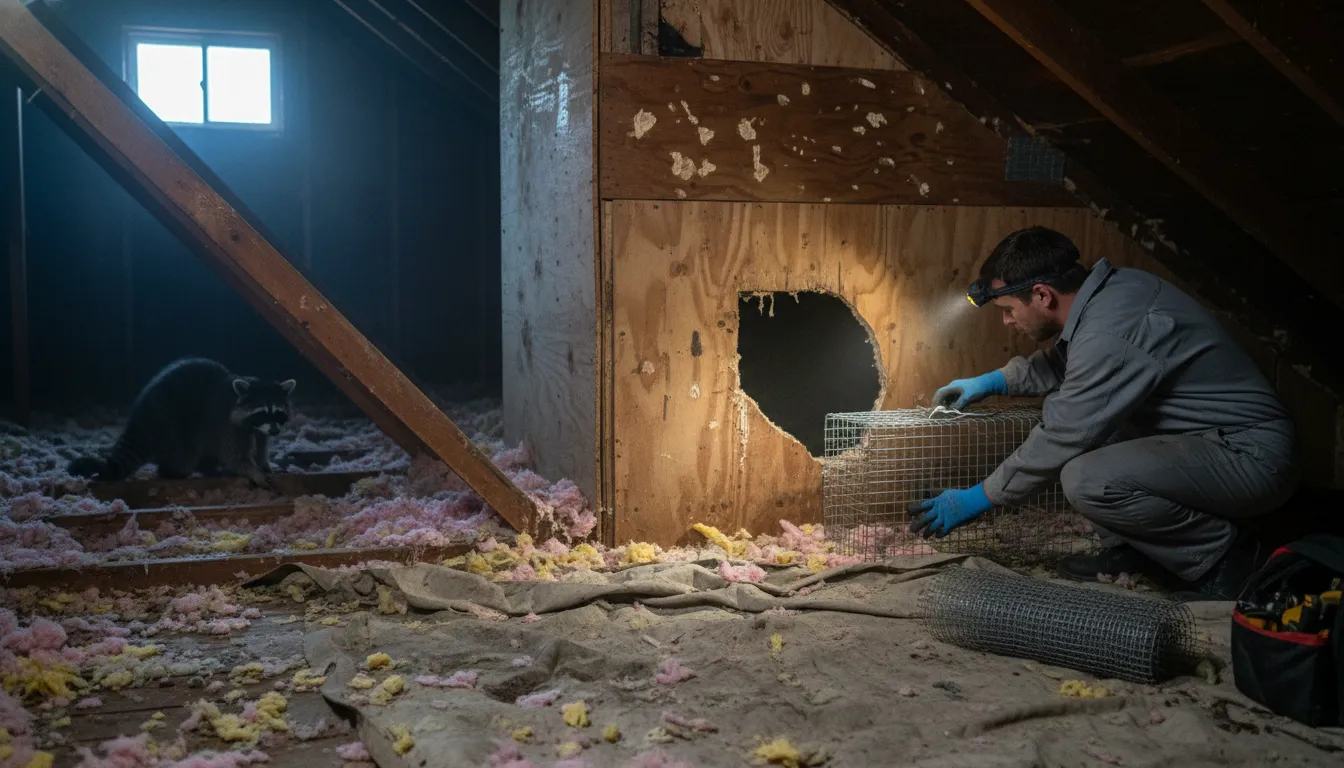
Discovering an uninvited animal in your attic, under your deck, or rummaging through your yard can be unsettling. Wildlife removal in Burbank addresses the safe, legal, and humane resolution of conflicts with local fauna, from raccoons and skunks to squirrels and birds. This service is crucial for protecting your property from damage and ensuring the well-being of both your family and the animals. The following guide will help you understand your options, from effective do-it-yourself strategies to knowing when it's time to call a professional wildlife control operator.
Orchard Inc.
Los Angeles, CA
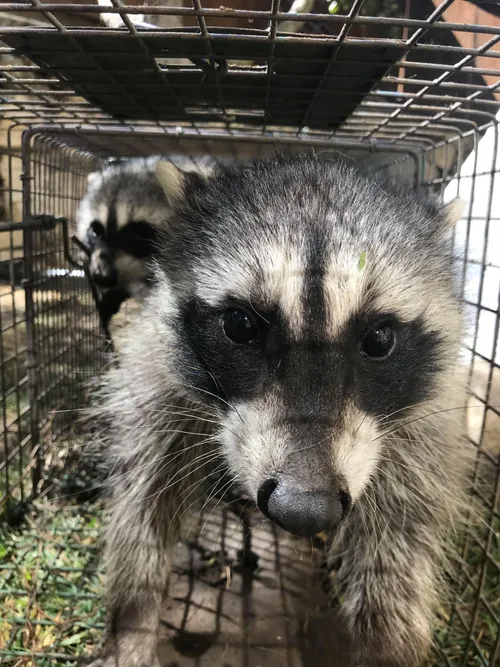
Orchard Inc. is a pest control company based in Los Angeles, CA, specializing in rodent, bird, and wildlife removal services for both residential and commercial properties. They use humane methods and combine modern techniques with proven approaches to manage infestations while respecting natural ecosystems. Orchard Inc. also offers wildlife fencing as a preventative measure to keep animals off properties. The company serves Los Angeles County and Orange County, handling a wide range of pest control needs with a focus on bird and rodent solutions.
Hawkins Animal Trapping and Removal
Long Beach, CA
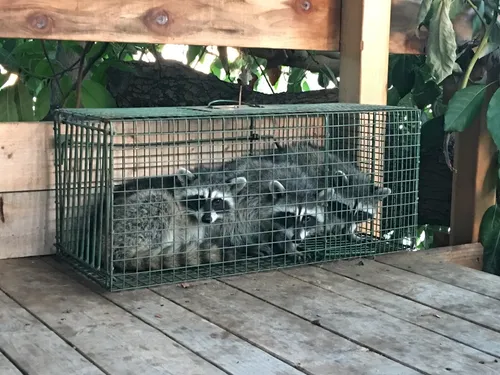
Hawkins Animal Trapping and Removal is a family-owned business based in Long Beach, CA, serving Los Angeles and Orange County. Established in 2018 by an industry professional with over 10 years of experience, the company offers wildlife and animal removal services for both homeowners and businesses. Their services include rodent, raccoon, bird, skunk, opossum, and bat removal, as well as attic cleaning and dead animal removal. They handle dead animals found in crawlspaces, attics, lawns, roofs, and driveways, ensuring safe and effective removal.
All City Animal Trapping
1321 Alameda St, Wilmington, CA 90744
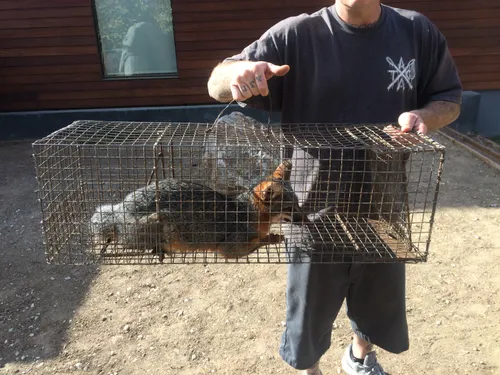
All City Animal Trapping is a wildlife removal company based in Los Angeles, CA. They specialize in humane trapping and removal of nuisance animals such as raccoons, squirrels, bats, and birds. Their services include damage repair, decontamination, and preventive measures to keep homes and businesses wildlife-free. With over 20 years of experience, the company serves residential and commercial customers throughout Los Angeles and surrounding counties. All City Animal Trapping employs licensed and insured professionals who use effective and humane methods for animal control.
Orkin
419 W Walnut St Ste 306, Gardena, CA 90248
Orkin provides comprehensive pest control services in Los Angeles, CA, specializing in residential pest management. They handle a variety of pests including bed bugs, cockroaches, ants, rodents, termites, mosquitoes, bees, wasps, and wildlife. Orkin offers customized pest plans tailored to specific pest problems and uses advanced treatments such as liquid barriers, Sentricon® bait, and dry foam void fillers for termite control. With over 120 years of experience, Orkin supports customers with 24/7 availability for pest emergencies.
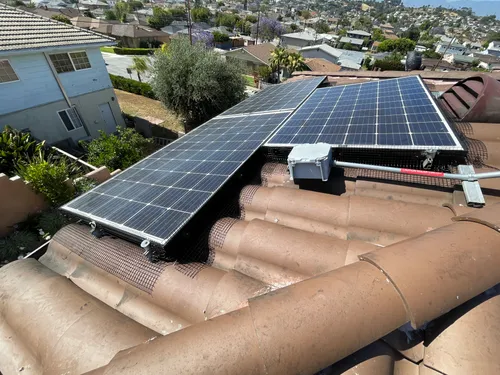
Wildlife Solutions And Trapping
2010 Blossom Ln, Redondo Beach, CA 90278
Wildlife Solutions And Trapping is a pest control and wildlife removal company serving Los Angeles, CA, including Redondo Beach, Long Beach, and Torrance. They specialize in humane removal of rodents, pigeons, raccoons, possums, and other wildlife, along with pest control services. The company offers thorough inspections and repairs to prevent future infestations, including sealing entry points and vent repairs. With nearly a decade of experience, Wildlife Solutions And Trapping focuses on safe and effective solutions to pest problems.
Common Wildlife Issues in Burbank
Burbank's proximity to the Verdugo Mountains and its mix of residential and urban spaces creates ideal habitats for a variety of adaptable wildlife. Understanding which animals are most likely to cause issues is the first step in managing them.
Mammals Seeking Shelter The most frequent culprits for indoor invasions are mammals looking for safe, warm places to nest or den. Raccoons are notorious for tearing into attic vents or soffits to establish dens, especially when they have young. Opossums and skunks often take up residence under decks, sheds, or crawlspaces, attracted by the dark, protected space. Tree squirrels and roof rats are agile climbers that can enter through incredibly small gaps in rooflines, where they nest, chew on wires, and contaminate insulation with droppings. Even ground-dwelling animals like gophers can become a significant nuisance, damaging lawns and gardens from below.
Birds and Other Nuisances Bird infestations present a different set of challenges. Pigeons and starlings often nest in building eaves, attics, or vents, leading to clogged gutters and health concerns from accumulated droppings 1. Woodpeckers may drill into siding or fascia boards, causing structural damage while searching for insects or creating nesting cavities. Beyond mammals and birds, residents may also encounter coyotes passing through yards, or bats finding their way into attic spaces.
Effective DIY Wildlife Control Strategies
For minor or early-stage wildlife problems, several do-it-yourself approaches can be effective and are often the first line of defense. Success depends on a combination of exclusion, habitat modification, and, in some cases, regulated trapping.
Remove Attractants from Your Property The most sustainable long-term solution is to make your property less inviting. This involves securing trash cans with tight-fitting, locking lids and bringing pet food indoors overnight. Regularly clean up fallen fruit from trees and consider using enclosed compost bins. For homes with pet doors, ensure they are locked at night or consider installing electronic models that only open for your pet's collar.
Seal Potential Entry Points After ensuring no animals are inside, permanently seal all possible entry points. This is known as exclusion. Use sturdy materials like 1/4-inch hardware cloth to cover attic vents, crawlspace openings, and chimney tops (with a proper cap). For animals that dig, like skunks or opossums, consider installing a wire mesh barrier that extends into a trench around the perimeter of decks, sheds, or fences.
Humane Eviction and Trapping If an animal is currently inside a structure like an attic, eviction is necessary before sealing the entry. For raccoons with babies, one-way doors allow the mother to leave but prevent her from returning, giving you a chance to safely remove the young once she has relocated them-a process best understood by professionals. For other species, you may consider trapping. California law allows residents to trap certain species, such as rats and squirrels, on their own property 2. However, it is critical to check the specific regulations set by the California Department of Fish and Wildlife (CDFW) regarding trap types, bait, and checking frequency 3. Any animal you trap must be dispatched humanely and disposed of properly; leaving a trapped animal to die is inhumane and leaving a carcass in your yard can attract other pests 4.
Find the perfect wildlife removal companies for your needs
Get personalized recommendations and expert advice
When to Call a Professional Wildlife Removal Service
While DIY methods work for prevention and minor issues, certain situations necessitate the expertise of a licensed wildlife control professional.
Complex or Dangerous Infestations If you suspect a raccoon or squirrel has a litter of young in your attic, DIY removal becomes ethically and practically complex. Professionals have the tools and knowledge to perform evictions and reunite families safely outdoors when possible. Similarly, dealing with bats, which are protected and may carry diseases, or aggressive animals like a cornered skunk, is a job best left to experts with proper protective gear and experience.
Persistent Problems and Structural Damage When you've sealed entries but animals keep getting in, a professional can perform a thorough inspection to find hidden access points. They are also essential for jobs that require significant repairs after animals have been removed, such as replacing contaminated insulation, repairing chewed wires, or fixing structural damage caused by woodpeckers or gnawing rodents.
Navigating Legal Compliance California has strict laws governing wildlife. A key regulation is that the relocation of most wild mammals is generally prohibited. Professionals understand these laws, possess the necessary permits for trapping certain species, and know the legal and humane protocols for handling animals, ensuring you don't inadvertently break the law.
Understanding Wildlife Removal Laws in California
Operating within the law is non-negotiable when dealing with wildlife in Burbank. Key regulations are designed to protect both animals and residents.
Prohibition on Relocation A cornerstone of California law is that you cannot trap and relocate most wild animals to another area 5 6. This is to prevent the spread of disease and avoid disrupting ecosystems. For many species, especially predators like raccoons, legal removal by a professional often means euthanasia if the animal cannot be released on-site or excluded.
Restrictions on Harassment and Trapping It is illegal to intentionally harass or disrupt an animal's breeding, feeding, or sheltering activities 7. For trapping, specific rules apply: traps cannot be set within 150 yards of an occupied residence without the written consent of the property owner 8. Always verify current CDFW regulations before attempting any trapping.
Reporting and Public Resources For situations beyond a homeowner's scope, know who to call. The Los Angeles County Department of Animal Care and Control should be contacted for dead wildlife over 15 pounds, sick or dangerously aggressive animals, or issues with livestock 9 10. They are a public resource for guidance and intervention in specific cases.
Cost Considerations for Wildlife Control
The cost of resolving a wildlife issue in Burbank can vary widely, depending entirely on the nature and scale of the problem.
Small-Scale Removal For the removal of a single animal from a readily accessible location, such as a squirrel from a garage or a snake from a backyard, you might expect costs starting around $100 to $200.
Standard Infestation and Exclusion A more common scenario, like removing a family of raccoons from an attic and performing basic exclusion repairs (sealing the main entry point), typically falls into a medium price range. These jobs often start around $300 and can go up depending on the complexity of the eviction and the amount of minor repair work needed 11.
Major Restoration Projects Large, complex jobs command higher prices. This includes situations where animals have caused significant damage, such as extensive contamination of insulation requiring full removal and replacement, major structural repairs to eaves or vents, or installing comprehensive exclusion systems around an entire roof or foundation. For these projects, costs often start in the $500 to $1,000 range and can increase significantly from there 12 13.
Frequently asked questions
Sources
Footnotes
-
Los Angeles County Wildlife Removal - https://urbanwildlifetrappingexperts.com/los-angeles-county/ ↩
-
Living with Wildlife - https://wildlife.ca.gov/Living-with-Wildlife ↩
-
California wildlife relocation laws for pest control - Facebook - https://www.facebook.com/groups/1594787164103792/posts/3700674206848400/ ↩
-
Burbank Wildlife Control Company, Los Angeles County CA - http://www.aaanimalcontrol.com/professional-trapper/city/CA-Burbank.htm ↩
-
Wildlife - LA Animal Services - https://www.laanimalservices.com/Wildlife ↩
-
Laws and Regulations - Humane Wildlife Control Inc - https://humanecontrol.com/laws-and-regulations/ ↩
-
Wildlife - Parks & Recreation - City of Burbank - https://www.burbankca.gov/web/parks-recreation/wildlife ↩
-
Animal trapping and control - Lacounty - https://file.lacounty.gov/SDSInter/acwm/235835_Trappingrequirementspaper.pdf ↩
-
Living With Wildlife - LA County Animal Care & Control - https://animalcare.lacounty.gov/living-with-wildlife/ ↩
-
Dead Animals - Burbank Recycling Guide - https://cityofburbank.recyclist.co/guide/dead-animals/ ↩
-
Burbank Wildlife Animal Control - Nuisance Removal - http://www.wildlifeanimalcontrol.com/Burbank.html ↩
-
Burbank Wildlife Control - All City Animal Trapping - https://allcityanimaltrapping.com/burbank-wildlife-control/ ↩
-
California Wildlife Removal Company Directory - Pro Animal Control - https://pro-animal-control.com/california-wildlife-removal-company/ ↩