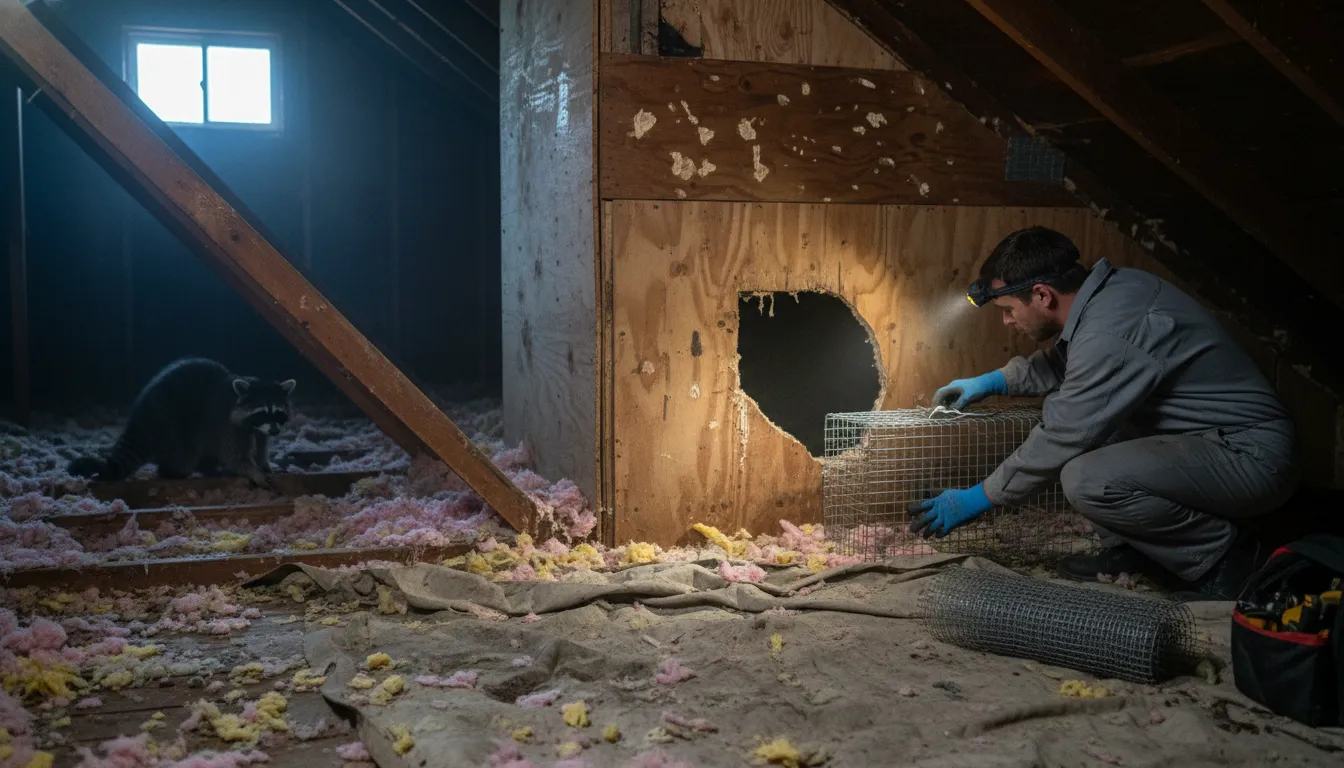
Find the Best Wildlife Removal Companies for Your Business
No obligation • Fast responses • Nationwide coverage
Why you can trust Pest Crews
Pest Crews is a leading U.S. resource for finding and evaluating residential and commercial pest control services. Our team researches providers, reviews treatment approaches, and organizes unbiased information to help you make informed decisions. Companies cannot pay to change our editorial content or influence how they appear.
Search providers near you
Top Wildlife Removal Companies in Chino, California Ranked
Finding an unexpected animal in your attic, under your deck, or rummaging through your trash can be a startling experience. Wildlife removal is the professional service dedicated to safely and humanely resolving conflicts with wild animals that have become a nuisance or a hazard on your property. In a city like Chino, where urban development meets natural habitats, understanding how to manage these encounters is crucial for protecting your home, family, and pets. This guide will help you identify common local wildlife issues, learn effective prevention strategies, and know when and how to find qualified local experts for humane animal control.
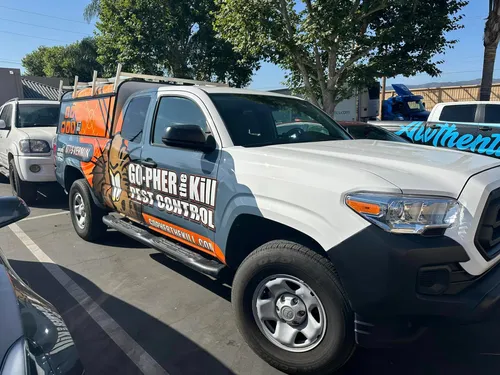
Go-Pher The Kill Pest Control Riverside
9880 Indiana Ave STE 23, Riverside, CA 92503
Go-Pher The Kill Pest Control Riverside offers pest and wildlife removal services in Riverside, CA. The company specializes in gopher control but also handles ants, roaches, spiders, rodents, and other pests for residential, commercial, and agricultural properties. They provide thorough pest inspections and ongoing protection to keep properties pest-free. Known for their expertise in gopher trapping and removal, Go-Pher The Kill has been serving the Riverside area for over seven years. Their licensed and insured team is committed to customer satisfaction with a guarantee to re-treat or refund if problems persist.
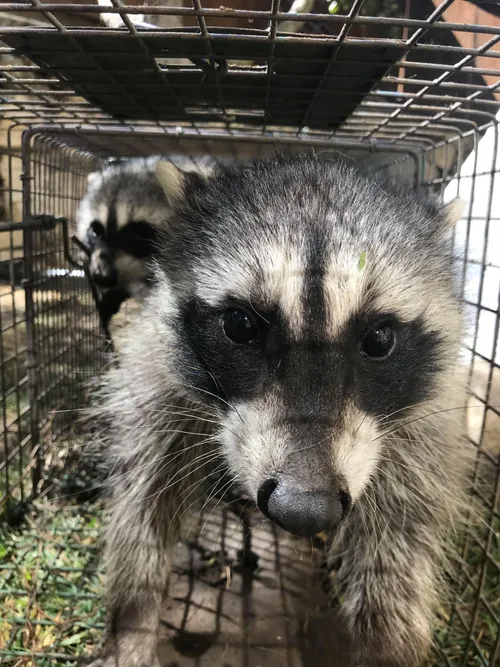
Orchard Inc.
Los Angeles, CA
Orchard Inc. is a pest control company based in Los Angeles, CA, specializing in rodent, bird, and wildlife removal services for both residential and commercial properties. They use humane methods and combine modern techniques with proven approaches to manage infestations while respecting natural ecosystems. Orchard Inc. also offers wildlife fencing as a preventative measure to keep animals off properties. The company serves Los Angeles County and Orange County, handling a wide range of pest control needs with a focus on bird and rodent solutions.
Aesthetic Wildlife Control
Los Angeles, CA
Aesthetic Wildlife Control provides humane and poison-free wildlife and rodent removal services in Los Angeles, CA. Their certified team offers a wide range of pest control solutions including rat, possum, bat, raccoon, skunk, snake, and dead animal removal, along with attic decontamination and bird proofing for solar panels. They use eco-friendly, non-toxic methods and provide thorough inspections with photo and video documentation to ensure effective exclusion and sanitation. The company is licensed by the California Department of Fish and Wildlife and offers 24/7 emergency animal removal services across Los Angeles and Orange County.
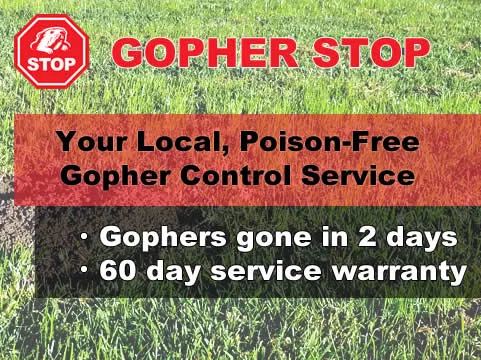
Gopher Stop
1660 Country Club Dr, Riverside, CA 92506
Gopher Stop is a wildlife removal and pest control company based in Riverside, CA, specializing in gopher removal. They focus on identifying and managing gopher infestations that damage lawns, plants, irrigation systems, and concrete structures. Their primary method involves trapping gophers within their tunnels, offering a poison-free approach that is both effective and environmentally conscious. Gopher Stop serves Riverside and nearby areas, providing professional gopher control with a reputation supported by customer reviews.
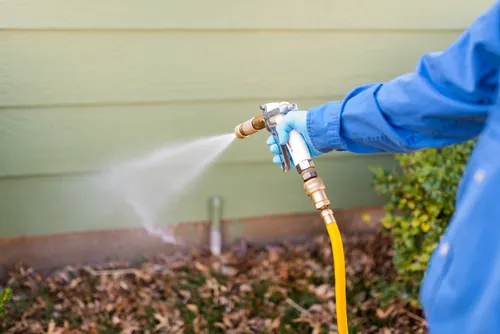
Compass Pest Management
5925 Rickenbacker Ave, Riverside, CA 92504
Compass Pest Management is a family-owned pest control company serving Los Angeles, CA, and surrounding areas since 1997. They provide a wide range of pest management services including bed bug treatment, termite inspections and fumigation, rodent exclusion, mosquito reduction, and bee and wasp removal. Their team also handles wildlife removal and commercial pest control, using proven methods and premium pesticides. With over 25 years of experience, Compass Pest Management offers ongoing pest prevention and exclusion services, focusing on practical solutions for homes and businesses. They operate Monday through Saturday and hold multiple licenses and certifications in pest control.
Common Wildlife Nuisances in Chino
Chino's blend of residential areas, open spaces, and proximity to the Chino Hills State Park creates an environment where people and wildlife frequently cross paths. Knowing which species are most likely to cause issues is the first step in managing them.
Mammals:
- Coyotes: These adaptable predators are common throughout Southern California. They are often attracted to neighborhoods by food sources like unsecured trash, pet food, or small, unattended pets.
- Raccoons: Intelligent and dexterous, raccoons are notorious for tipping over trash cans, tearing into attic vents for shelter, and creating dens under porches.
- Skunks & Opossums: These nocturnal foragers dig for grubs in lawns and can take up residence under sheds or decks. Skunks, of course, pose the added risk of a potent defensive spray.
- Rodents: This category includes roof rats, Norway rats, and house mice. They seek shelter in attics, wall voids, and garages, where they can chew wires, contaminate insulation, and reproduce rapidly.
- Squirrels & Bats: Tree squirrels may enter attics, while bats can form colonies in quiet, high areas of a structure. Bat removal is a specialized task due to protected species laws and the need for exclusion techniques.
Birds: While less common as indoor pests in Chino, birds like crows, ravens, and pigeons can become nuisances by creating messes on roofs, patios, and vehicles, or by nesting in unwanted areas like vents and chimneys.
Proactive Prevention: Your First Line of Defense
The most effective and cost-efficient approach to wildlife management is to make your property less attractive to animals in the first place. Many prevention tasks are simple DIY projects that can save you from future headaches.
Eliminate Food and Water Sources: Wildlife is primarily driven by the search for sustenance. Securing your trash is one of the most impactful steps you can take. Use heavy-duty cans with locking lids or store bins in a secured garage until pickup day. Never leave pet food or water bowls outside overnight. Regularly clean up fallen fruit from trees and keep barbecue grills clean.
Remove Shelter and Denning Sites: Animals seek safe, quiet places to rest and raise young. Trim back dense shrubs, tree branches, and ivy that touch your home's exterior, as these provide highways and hiding spots for raccoons, rats, and other climbers. Keep woodpiles elevated and away from your home's foundation.
Secure Potential Entry Points: A critical part of wildlife exclusion is a thorough inspection of your home's exterior. Seal any holes, gaps, or cracks in the foundation, siding, and roofline with durable materials like hardware cloth, steel wool, or metal flashing. Pay special attention to areas where utility lines enter the home and vents on the roof and soffits. Install chimney caps and vent covers designed to keep animals out while allowing airflow.
Prioritize Pet Safety: Coyotes view small dogs and cats as potential prey. Always supervise pets when they are outdoors, especially at dawn and dusk. Keep cats indoors and bring small dogs inside at night. Installing a coyote-proof fence can provide an extra layer of security for your yard 1.
Find the perfect wildlife removal companies for your needs
Get personalized recommendations and expert advice
When to Call a Professional for Animal Control
While prevention is a homeowner's responsibility, there are clear situations where professional intervention is necessary for safety, legality, and effectiveness.
1. A Public Safety Risk Exists: If you encounter wildlife that is acting aggressively, appears disoriented (a potential sign of rabies), or has entered the living spaces of your home, do not attempt to handle it yourself. This is a job for trained professionals.
2. You Discover Injured or Orphaned Wildlife: If you find a young animal alone or an adult that is clearly injured, contact Chino Animal Control or a licensed wildlife rehabilitator for advice. They can provide guidance on whether the animal truly needs help and the proper next steps 2.
3. DIY Methods Have Failed: If you've secured your home but animals have already established a nest or colony inside (like rats in the attic or raccoons under the deck), removal often requires specialized tools, techniques, and legal permits. Professionals can ensure the animals are removed humanely and that entry points are properly sealed to prevent re-entry 3.
4. The Infestation is Large or Complex: Dealing with a colony of bats, a persistent rodent infestation, or multiple animals requires an integrated approach of trapping, exclusion, and cleanup that is best handled by an expert.
Understanding Wildlife Removal Laws and Professional Standards
In California, wildlife removal is strictly regulated to ensure humane treatment. It is illegal under California Penal Code § 597 to inflict cruelty upon an animal 4. This means any professional you hire must adhere to high standards of care.
Licensing and Insurance are Non-Negotiable: Always hire a licensed and insured pest control or wildlife removal company. These professionals are often referred to as Nuisance Wildlife Trappers or Wildlife Control Operators. They possess the necessary knowledge of state and local regulations 5.
The Role of Permits: The California Department of Fish and Wildlife (CDFW) regulates the trapping of many species, especially furbearers like raccoons and skunks. A licensed professional will obtain the required permits before conducting any trapping activity, ensuring the work is legal 6.
Humane Practices: Reputable companies focus on humane live trapping and ethical relocation where permitted by law, or humane euthanasia when necessary and legal. They should be transparent about their methods. After removal, a crucial part of their service is exclusion-permanently sealing the entry points to solve the problem long-term 7.
What to Expect: Services and Cost Considerations
The cost of wildlife control in Chino varies significantly based on the species, the extent of the infestation, and the complexity of the exclusion work required.
- Inspection or Service Call Fee: Most companies charge an initial fee for a thorough property assessment, typically ranging from $100 to $250. This visit should result in a detailed plan and quote.
- Rodent Control (Exclusion & Trapping): For rat or mouse infestations, comprehensive services that include trapping, removal, sealing entry points, and sometimes cleanup can range from $300 to over $800, depending on the size of your home and accessibility of problem areas.
- Raccoon or Skunk Removal: Removing an individual animal, including trap setup, safe removal, and lawful relocation or disposal, generally costs between $200 and $400 per animal.
- Bat Exclusion: This is a specialized and often more expensive service due to the need for one-way exits and meticulous sealing of all potential entry points. Costs can range from $500 to $1,500 or more 8.
- Coyote or Large Animal Management: Direct removal of coyotes is highly regulated and often not the first solution. Services related to coyote deterrence or, in rare permitted cases, removal can vary widely in cost due to legal complexity.
Key Advice: It is highly recommended to obtain multiple written quotes. During the estimate, ask to see the company's CDFW permits and proof of insurance. Discuss their specific humane practices and their warranty on exclusion work. A reputable professional will be happy to answer these questions.
Frequently asked questions
Sources
Footnotes
-
Animal Control | Chino Hills, CA - Official Website - https://www.chinohills.org/266/Animal-Control ↩
-
Animal Control Officers | California | California Animal Welfare Assoc - https://www.calanimals.org/animal-control-officers ↩
-
FAQs • Animal Control - Chino Hills - https://www.chinohills.org/FAQ.ASP?TID=23 ↩
-
California Penal Code § [Section] 597(a) - Animal Cruelty - https://www.kannlawoffice.com/california-penal-code-section-597-a-animal-cruelty ↩
-
How to Become a Wildlife Control Agent: Career Path & Guide - https://himalayas.app/career-guides/wildlife-control-agent ↩
-
Animal Laws - Animal Care - San Bernardino County - https://animalcare.sbcounty.gov/animallaws/ ↩
-
Urban Wildlife Trapping Experts: Humane Wildlife Removal & Trapping in Southern California - https://urbanwildlifetrappingexperts.com/ ↩
-
Living with Wildlife - https://wildlife.ca.gov/Living-with-Wildlife ↩