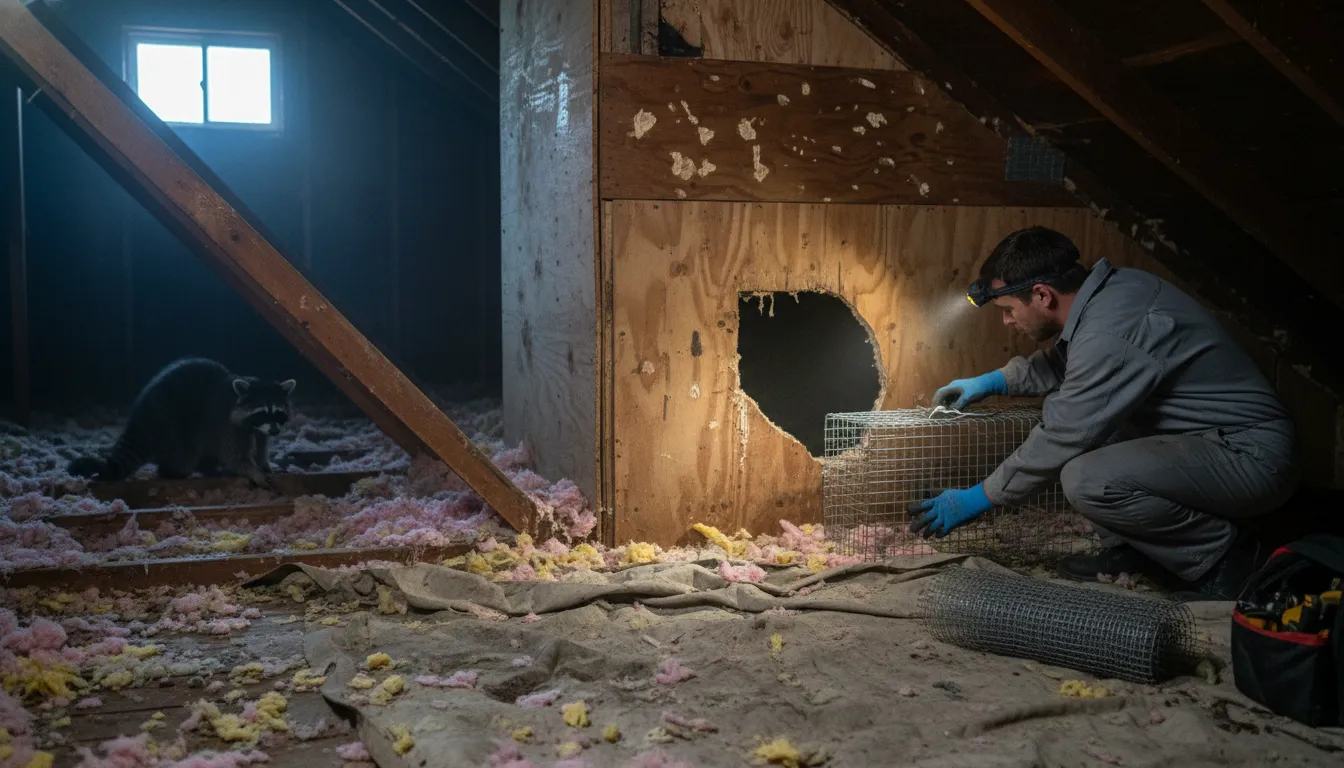
Find the Best Wildlife Removal Companies for Your Business
No obligation • Fast responses • Nationwide coverage

Why you can trust Pest Crews
Pest Crews is a leading U.S. resource for finding and evaluating residential and commercial pest control services. Our team researches providers, reviews treatment approaches, and organizes unbiased information to help you make informed decisions. Companies cannot pay to change our editorial content or influence how they appear.
Search providers near you
Top Wildlife Removal Companies in Costa Mesa, California Ranked
Finding an unexpected animal in your attic, under your deck, or rummaging through your trash can be a startling experience. Wildlife removal is the professional service dedicated to safely and humanely resolving conflicts with wild animals that have entered human spaces. In a city like Costa Mesa, where urban areas blend with natural habitats, these encounters are common. This resource helps you understand the local wildlife, your options for prevention and removal, and how to connect with licensed professionals who can protect your home and the animals according to California law.
Orchard Inc.
Los Angeles, CA
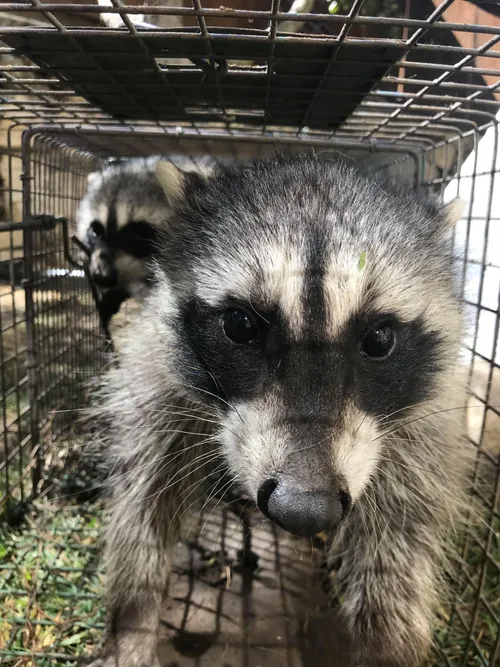
Orchard Inc. is a pest control company based in Los Angeles, CA, specializing in rodent, bird, and wildlife removal services for both residential and commercial properties. They use humane methods and combine modern techniques with proven approaches to manage infestations while respecting natural ecosystems. Orchard Inc. also offers wildlife fencing as a preventative measure to keep animals off properties. The company serves Los Angeles County and Orange County, handling a wide range of pest control needs with a focus on bird and rodent solutions.
Hawkins Animal Trapping and Removal
Long Beach, CA
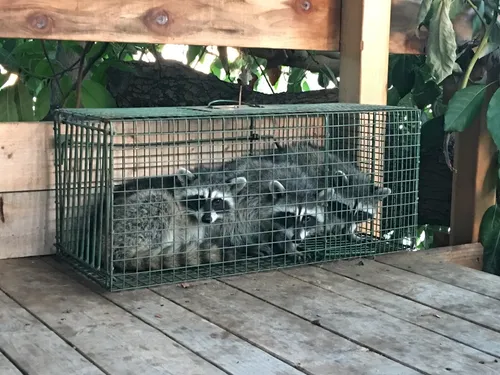
Hawkins Animal Trapping and Removal is a family-owned business based in Long Beach, CA, serving Los Angeles and Orange County. Established in 2018 by an industry professional with over 10 years of experience, the company offers wildlife and animal removal services for both homeowners and businesses. Their services include rodent, raccoon, bird, skunk, opossum, and bat removal, as well as attic cleaning and dead animal removal. They handle dead animals found in crawlspaces, attics, lawns, roofs, and driveways, ensuring safe and effective removal.
Aesthetic Wildlife Control
Los Angeles, CA
Aesthetic Wildlife Control provides humane and poison-free wildlife and rodent removal services in Los Angeles, CA. Their certified team offers a wide range of pest control solutions including rat, possum, bat, raccoon, skunk, snake, and dead animal removal, along with attic decontamination and bird proofing for solar panels. They use eco-friendly, non-toxic methods and provide thorough inspections with photo and video documentation to ensure effective exclusion and sanitation. The company is licensed by the California Department of Fish and Wildlife and offers 24/7 emergency animal removal services across Los Angeles and Orange County.
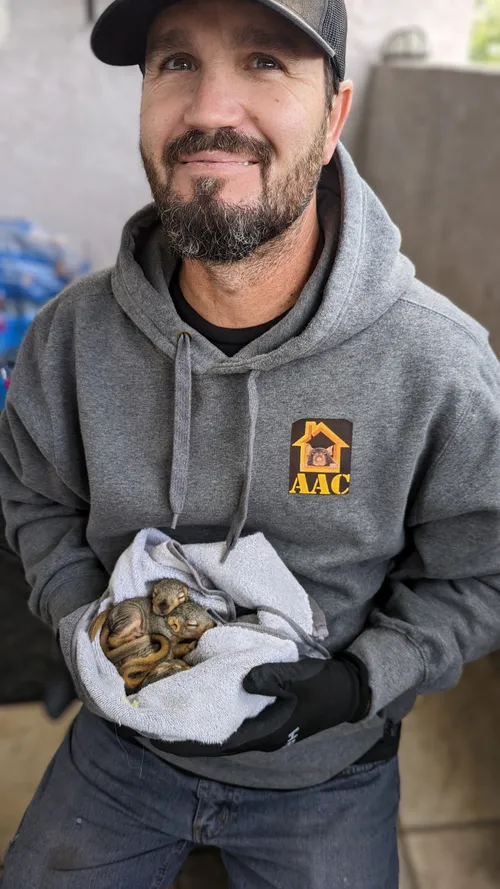
Ashe Animal Control
423 W 18th St, San Pedro, CA 90731
Ashe Animal Control is a family-owned business offering humane wildlife removal, rodent control, and property repair services in Los Angeles, CA, and Orange County. They specialize in safe animal trapping and removal while focusing on protecting homes with integrity and care. Their services include identifying and sealing entry points to prevent future infestations, ensuring long-term protection for residential and commercial properties. Ashe Animal Control is known for transparent pricing and personalized service, treating every home with respect and attention to detail.
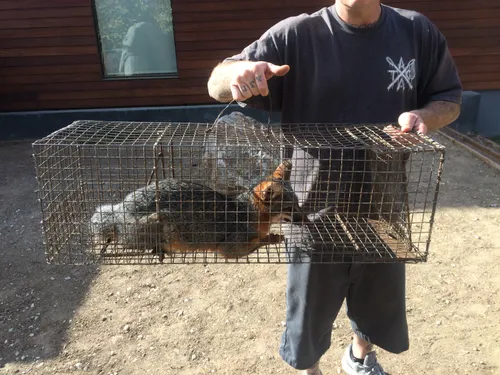
All City Animal Trapping
1321 Alameda St, Wilmington, CA 90744
All City Animal Trapping is a wildlife removal company based in Los Angeles, CA. They specialize in humane trapping and removal of nuisance animals such as raccoons, squirrels, bats, and birds. Their services include damage repair, decontamination, and preventive measures to keep homes and businesses wildlife-free. With over 20 years of experience, the company serves residential and commercial customers throughout Los Angeles and surrounding counties. All City Animal Trapping employs licensed and insured professionals who use effective and humane methods for animal control.
Common Wildlife Pests in Costa Mesa
Costa Mesa's proximity to open spaces, parks, and waterways makes it attractive to a variety of wild animals seeking food and shelter. Knowing which species are most likely to cause issues is the first step in effective wildlife control.
- Raccoons: Intelligent and dexterous, raccoons are notorious for tipping over trash cans, tearing into roof vents to access attics, and causing significant structural damage. They can also carry diseases like rabies and roundworm.
- Squirrels: Both tree and ground squirrels are common. They often chew their way into attics and eaves to nest, damaging wiring, insulation, and wood. A squirrel infestation is often announced by the sound of scratching and scurrying overhead during the day.
- Opossums: North America's only marsupial, opossums are typically less destructive but may take up residence under porches, decks, or sheds. They are opportunistic feeders and will eat pet food left outside or rummage through garbage.
- Skunks: Known for their potent defense mechanism, skunks dig for grubs in lawns and create dens under structures. Preventing an encounter is far preferable to dealing with the aftermath of a spray.
- Bats: Small bats can enter through gaps as tiny as a quarter-inch. While beneficial for insect control, a colony in your attic creates significant guano (droppings) accumulation, which poses health risks and can damage insulation. Their removal is often a specialized and more costly job.
- Coyotes: Common throughout Orange County, coyotes are primarily a threat to pets and can be attracted by unsecured food sources. While they rarely enter homes, their presence requires specific deterrent strategies.
For birds like pigeons, crows, and woodpeckers, specialized exclusion techniques are often required, as they are protected under federal law.
Why Professional Wildlife Control is Essential
While it might be tempting to try a do-it-yourself approach, dealing with wild animals requires specific expertise and is often governed by strict regulations.
Legal and Safety Concerns: In California, it is frequently illegal to trap and relocate wildlife without a permit from the California Department of Fish and Wildlife (CDFW) 1. Relocation is also considered inhumane and ineffective, as it often strands animals in unfamiliar territory where they cannot survive. Furthermore, wild animals can be aggressive when cornered, carry parasites, and transmit diseases. Professionals have the training and protective equipment to handle these risks safely.
The Limits of Animal Control: It's important to understand that the Costa Mesa Animal Control (CMAC) unit primarily handles domestic animals like dogs and cats. For wildlife, they typically provide information and referrals to licensed removal services but do not remove healthy, trapped wild animals from private property 2 3. They should be contacted for sick or injured domestic animals.
Effective and Humane Solutions: Licensed wildlife removal operators don't just trap animals; they provide comprehensive solutions. They identify how the animal is getting in, remove it using approved methods, and most critically, seal all potential entry points to prevent future problems-a process known as exclusion 4. They can also advise on and perform necessary sanitation, such as cleaning up hazardous droppings.
Find the perfect wildlife removal companies for your needs
Get personalized recommendations and expert advice
Prevention: Your First Line of Defense
The most effective and cost-efficient form of wildlife management is making your property less attractive to animals in the first place. By removing the incentives, you can avoid conflicts altogether.
Secure All Food Sources
Wild animals are driven by hunger. Eliminating easy meals is crucial.
- Trash: Use wildlife-resistant trash cans with locking lids or secure bins in a garage. Put trash out on the morning of pickup, not the night before.
- Pet Food: Never leave pet food or water bowls outside overnight.
- Bird Feeders: Consider removing them, as spilled seed attracts rodents, which in turn attract larger predators.
- Fallen Fruit: Regularly clean up fruit from trees in your yard.
Seal Entry Points and Modify Habitat
Denying shelter is just as important as denying food.
- Home Inspection: Regularly inspect your home's exterior, especially the roofline, vents, soffits, and foundation. Look for gaps, loose boards, or holes.
- Exclusion Work: Seal any openings with sturdy materials like hardware cloth, steel wool, or metal flashing. Chimneys should be capped with a professional-grade cap.
- Yard Maintenance: Clear away dense brush piles, trim tree limbs that overhang your roof, and keep woodpiles elevated and away from the house.
The Professional Wildlife Removal Process
When prevention fails and an animal has moved in, here's what you can expect from a licensed wildlife control service in Costa Mesa:
- Inspection: A thorough inspection of your property to identify the species, locate entry points, and assess the extent of the infestation or damage.
- Humane Removal: Using methods compliant with CDFW regulations, the professional will remove the animal. This may involve live trapping, one-way exclusion doors, or other techniques tailored to the specific animal and situation.
- Exclusion: This is the most critical step. All identified entry points will be permanently sealed to prevent re-entry. Without this, a new animal will simply take the place of the old one.
- Clean-up and Sanitation: For health and odor reasons, professionals may clean, disinfect, and deodorize affected areas, particularly important with rodents, bats, and raccoons.
- Repair: Some companies offer repair services for the damage caused, such as replacing torn insulation, chewed wires, or damaged vent covers.
Understanding Wildlife Removal Costs in Costa Mesa
The cost for professional animal removal services varies based on the species, the number of animals, the location of the problem (e.g., attic vs. crawlspace), and the extent of exclusion work needed. Here is a general overview of price ranges based on local service data 5:
- Squirrel Removal: Typically ranges from $200 to $600. Costs increase if multiple animals are present or if significant exclusion work is needed on multiple entry points.
- Raccoon Removal: Generally costs between $400 and $600. Their size, intelligence, and potential for causing major damage often make them a more complex and costly removal.
- Opossum Removal: Often between $250 and $500, as they are usually simpler to remove and exclude.
- Skunk Removal: Can range from $300 to $600. Professionals have techniques to remove skunks without triggering their spray.
- Bat Removal: Frequently starts at $700 and can go higher. Bat exclusion is a specialized process that involves installing one-way exits at every potential entry point after ensuring no young are trapped inside, followed by thorough sanitation.
Always get a detailed, written estimate from any service provider before work begins.
Legal and Ethical Considerations
California has robust laws protecting native wildlife. It is illegal for anyone without the proper license to trap most wild animals. Licensed operators understand these laws, including:
- Relocation Restrictions: As noted by OC Animal Care, relocating wildlife is often illegal and is not a solution, as it can spread disease and doom the animal 6.
- Protected Species: Certain species, including many birds, bats, and others, have additional protections that dictate how and when they can be handled.
- In-Season Trapping: Some regulations only allow the trapping of certain species during specific times of the year.
Hiring a licensed professional ensures the job is done legally, ethically, and effectively, providing you with lasting peace of mind.
Frequently asked questions
Sources
Footnotes
-
Costa Mesa Wildlife Control Company, Orange County CA - http://www.aaanimalcontrol.com/professional-trapper/city/CA-Costa-Mesa.htm ↩
-
Wildlife Notice | City of Costa Mesa - https://www.costamesaca.gov/government/departments-and-divisions/police/animal-services-unit/wildlife-notice ↩
-
FAQs | City of Costa Mesa - https://www.costamesaca.gov/government/departments-and-divisions/police/animal-services-unit/faqs ↩
-
Living with Wildlife - https://wildlife.ca.gov/Living-with-Wildlife ↩
-
Costa Mesa Wildlife Animal Control - Removal Trappers - http://www.wildlifeanimalcontrol.com/Costa-Mesa.html ↩
-
Wildlife Information | OC Animal Care - https://ocpetinfo.com/field-operations/wildlife-information ↩