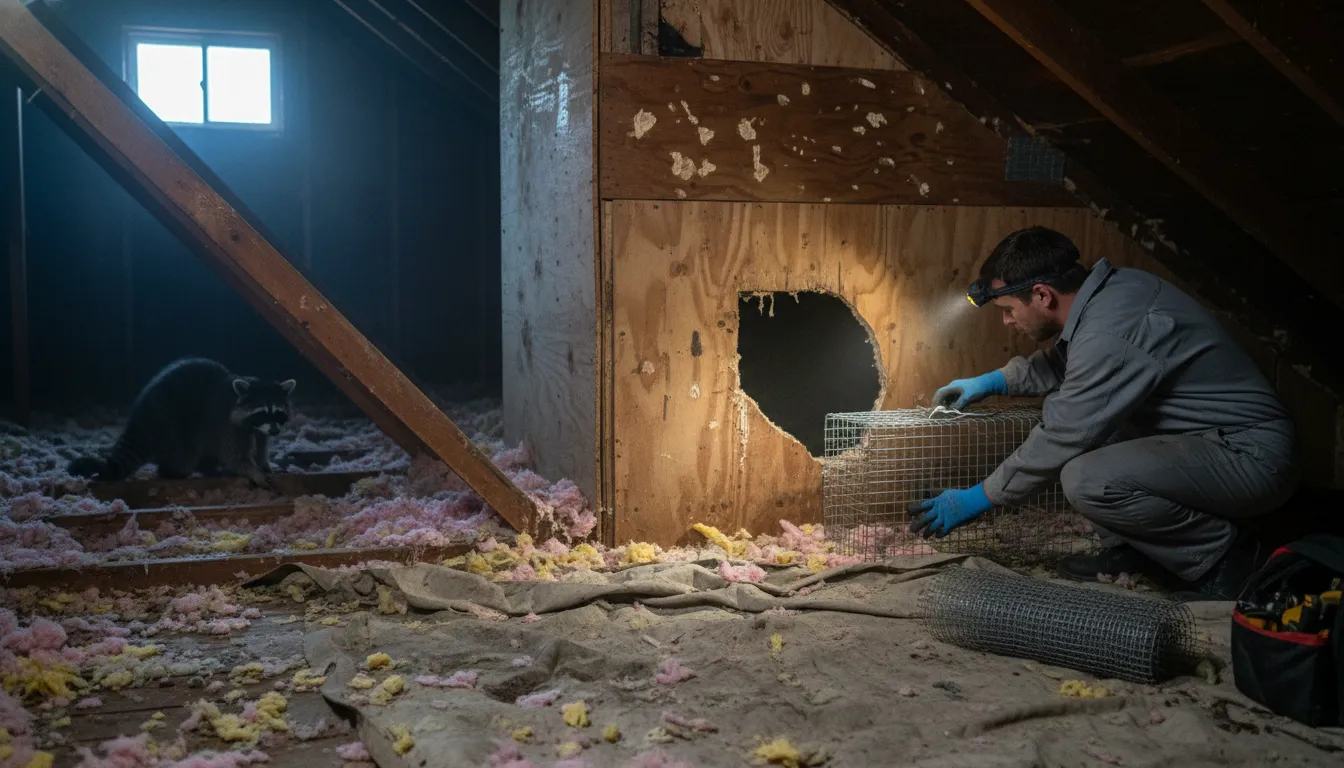
Find the Best Wildlife Removal Companies for Your Business
No obligation • Fast responses • Nationwide coverage

Why you can trust Pest Crews
Pest Crews is a leading U.S. resource for finding and evaluating residential and commercial pest control services. Our team researches providers, reviews treatment approaches, and organizes unbiased information to help you make informed decisions. Companies cannot pay to change our editorial content or influence how they appear.
Search providers near you
Top Wildlife Removal Companies in Delano, California Ranked
Discovering an uninvited animal in your home or business can be unsettling. Wildlife removal is the professional service of safely and humanely evicting nuisance animals from structures and properties, a critical step in protecting your investment and health. In Delano, this process is governed by specific California laws that prioritize humane treatment and often prohibit relocation, making expert intervention essential. This guide will help you understand the local wildlife issues, effective prevention strategies, and how to find qualified professionals to resolve your situation.

Terminix
2409 Calloway Dr, Bakersfield, CA 93312
Terminix provides pest control services in Bakersfield, CA, addressing common local pests such as ants, spiders, termites, bed bugs, roaches, and rodents. Their offerings include interior and exterior pest inspections, termite control with continuous protection systems, and wildlife removal. Terminix is equipped to handle bed bug infestations and termite damage prevention, backed by guarantees that cover retreatment and repair of termite damage. The Bakersfield team is familiar with seasonal pest patterns and delivers customized plans to protect homes in the area. They serve a wide range of nearby communities, ensuring comprehensive pest management across the region.

AB Pest Control
1201 24th St Ste B110-279, Bakersfield, CA 93301
AB Pest Control offers comprehensive pest control and wildlife removal services in Bakersfield, CA, and Kern County. Their licensed team handles a variety of pests including bed bugs, ants, mosquitoes, bees, wasps, fleas, and ticks. They use effective products and green pest control solutions along with advanced equipment to manage infestations. The company provides 24-hour emergency pest control services to address urgent needs promptly.

Terminix
3501 Pegasus Dr, Bakersfield, CA 93308
Terminix provides pest control and termite inspection services in Bakersfield, CA, and surrounding areas. The company offers protection plans covering a wide range of pests including ants, bed bugs, rodents, and termites. Their termite control includes annual inspections and a continuous protection system backed by a damage repair guarantee. Terminix technicians are familiar with local pest challenges and tailor treatments accordingly to protect homes throughout the year.
Critter Control of Irvine
Santa Ana, CA
Critter Control of Irvine is a wildlife removal and pest control company serving Santa Ana, CA. They provide professional trapping and exclusion services to protect residential and commercial properties from nuisance wildlife such as raccoons, skunks, and opossums. Their approach includes thorough property inspections, humane trapping, and securing entry points with durable materials to prevent future intrusions. The company handles a range of properties, including homes, retail stores, office buildings, and industrial facilities. Their services emphasize damage prevention and long-term exclusion solutions.

Ugott Pest Control
3700 Easton Dr Suite 4, Bakersfield, CA 93309
Ugott Pest Control provides residential and commercial pest control services in Bakersfield, CA. They handle a variety of pests including bed bugs, fleas, mosquitoes, roaches, ants, and spiders. The company offers same-day and emergency treatments, focusing on targeting the source of infestations to prevent recurrence. Established in 2005, Ugott Pest Control uses pet-conscious methods and serves homes, apartments, rental properties, and commercial spaces in Bakersfield and surrounding areas.
Common Nuisance Wildlife in Delano
The Central Valley's agricultural landscape and urban interfaces create ideal habitats for many species. Homeowners and business operators in Delano frequently encounter conflicts with both mammals and birds seeking food and shelter 1.
Mammals:
- Rodents: Rats and mice are common invaders, chewing wires and contaminating spaces.
- Tree Squirrels & Ground Squirrels: These animals often nest in attics, eaves, and sheds, causing gnawing damage.
- Raccoons: Intelligent and dexterous, raccoons are notorious for tearing into attic vents and soffits to create dens.
- Opossums & Skunks: These nocturnal scavengers may take up residence under porches, decks, or outbuildings.
- Bats: Small colonies can roost in attics or wall voids; their removal is highly regulated due to conservation status.
- Coyotes: While less likely to enter structures, they pose a threat to pets and livestock and are attracted by unsecured food sources.
Birds:
- Pigeons & Starlings: These birds nest on ledges, in rafters, and under solar panels, where their droppings can damage property and pose health risks.
- Woodpeckers: They drill into siding and eaves in search of insects or to create nesting cavities, causing significant structural damage.
Why Professional Animal Control is Necessary in California
Attempting do-it-yourself trapping or exclusion in Delano can lead to legal trouble, increased costs, and inhumane outcomes. California's complex regulations are designed to protect both people and wildlife 2 3 4.
Key Legal Restrictions:
- Trap Registration: Every trap set must bear a current trap number issued by the California Department of Fish and Wildlife (CDFW) 5.
- Relocation is Largely Prohibited: State law generally forbids the relocation of trapped wild animals. Animals must be released on the property where they were captured or, in some cases, humanely euthanized by a licensed professional. Relocation requires special permits and is rarely granted, as it can spread disease and disrupt ecosystems.
- Mandatory Trap Checks: Legally, traps must be checked at least once every 24 hours to prevent prolonged animal suffering 6.
- Protected Species: Bats, certain birds, and other species have additional protections. Disturbing active nests or roosts without proper authorization is illegal.
A licensed Wildlife Control Operator (WCO) understands these laws intimately. They ensure the eviction and exclusion process is compliant, effective, and avoids potential fines for the property owner.
Effective Wildlife Prevention Techniques
The most cost-effective form of wildlife management is making your property less attractive to animals in the first place. Implementing these habitat modification strategies can prevent most common invasions 7 8.
Remove Food Sources:
- Secure trash cans with tight-fitting, locking lids.
- Never leave pet food or water bowls outside overnight.
- Regularly clean up fallen fruit, nuts, and birdseed from the ground.
- Use rodent-proof containers for compost and animal feed.
Block Entry Points:
- Conduct seasonal inspections of your home's exterior. Look for holes in the foundation, loose siding, gaps in roof vents, and openings under eaves.
- Seal any openings larger than a quarter-inch with sturdy materials like hardware cloth, steel flashing, or concrete. Avoid using materials like foam or plastic, which animals can easily chew through.
- Install chimney caps and vent covers made of heavy-gauge wire mesh.
- Crucial Note: Before sealing any hole, ensure no animals are trapped inside. A professional can help, or you can use a light dusting of flour at the entrance to check for tracks over 24-48 hours.
Modify Habitat:
- Trim tree branches back at least 6-10 feet from the roofline to limit access for squirrels and raccoons.
- Keep shrubs and dense vegetation trimmed away from the foundation.
- Store firewood, lumber, and debris piles well away from structures.
Find the perfect wildlife removal companies for your needs
Get personalized recommendations and expert advice
Who to Call for Wildlife Issues in Delano
Knowing which agency or professional to contact saves time and ensures the problem is handled correctly.
For Immediate Threats or Domestic Animals:
- Delano Animal Control: This service primarily handles domestic animal issues such as stray dogs, barking complaints, or found/lost pets. They may respond to calls about wildlife that pose an immediate public safety threat but are generally not equipped for routine wildlife extraction from attics or walls 9 10. The city's fee schedule outlines potential costs for certain animal control services 9.
For Nuisance Wildlife in Structures:
- Licensed Wildlife Control Operator (WCO): This is your primary resource for animals inside a home or business. A licensed WCO has the expertise, equipment, and legal authority to:
- Conduct a thorough inspection to identify all entry points and the species involved.
- Humanely remove animals using legal, CDFW-compliant methods.
- Perform complete exclusion work, sealing all potential entry points with durable materials.
- Clean and sanitize affected areas (often as an additional service).
- Provide a warranty on their exclusion work.
Understanding Wildlife Removal and Exclusion Costs
The price for professional animal removal in Delano varies significantly based on the species, the extent of the infestation, and the complexity of the exclusion work required. Below are general cost ranges based on common scenarios 11 12.
- Raccoon or Squirrel Family Removal: Removing a mother and young from an attic typically ranges from $300 to $800+. The final cost depends on accessibility and the time required for safe removal.
- Full Property Exclusion/Sealing: This is the most important long-term investment. Professionally sealing all potential entry points on a home can range from $500 to over $2,000, depending on the size of the structure, roof pitch, and number of vulnerable areas (vents, eaves, etc.).
- Bat Colony Removal & Exclusion: Due to legal protections and the complexity of installing one-way exclusion devices at all possible roost exits, bat removal is a specialized job. Costs often range from $1,000 to $3,000 or more.
- Coyote or Larger Predator Deterrence: Professional services for coyotes typically focus on consultation and habitat modification to remove attractants, rather than direct removal. Costs vary widely based on the property size and recommendations.
Always request a detailed, written inspection report and estimate that breaks down removal costs, exclusion work, and any cleanup or repair services.
The Professional Removal Process: What to Expect
When you hire a qualified wildlife control company, they should follow a systematic and humane process.
- Inspection & Assessment: The technician will inspect your property inside and out to identify the species, entry points, damage, and nesting areas.
- Customized Plan: They will present a plan for humane removal and permanent exclusion, explaining the methods and legal compliance.
- Humane Eviction: This may involve the use of one-way exclusion doors (which allow animals to leave but not return), hand-removal, or legally compliant trapping on your property.
- Exclusion & Repair: After confirming all animals are gone, the technician will seal every identified entry point with permanent materials to prevent re-entry.
- Cleanup & Decontamination (Optional): Many companies offer biohazard cleanup services to remove droppings, urine, and nesting materials, which is important for health and odor control.
- Follow-up: A reputable operator will schedule a follow-up visit to ensure the exclusion is holding and the problem is fully resolved.
Frequently asked questions
Sources
Footnotes
-
Contact - Norcal Wildlife Removal - https://norcalwildliferemoval.com/contact/ ↩
-
Animal trapping and control - Lacounty - https://file.lacounty.gov/SDSInter/acwm/235835_Trappingrequirementspaper.pdf ↩
-
Laws & Regulations - Humane Pest Control Inc - https://humanepestpro.com/?page_id=85 ↩
-
State Laws About Trapping and Relocating Wildlife - https://www.animalcapturewildlifecontrol.com/blog/state-laws-about-trapping-and-relocating-wildlife/ ↩
-
California wildlife relocation laws for pest control - https://www.facebook.com/groups/1594787164103792/posts/3700674206848400/ ↩
-
Laws and Regulations - Humane Wildlife Control Inc - https://humanecontrol.com/laws-and-regulations/ ↩
-
Living With Wildlife - LA County Animal Care & Control - https://animalcare.lacounty.gov/living-with-wildlife/ ↩
-
Why You Should Not Relocate Wildlife In California - Emagazine.com - https://emagazine.com/why-you-should-not-relocate-wildlife-in-california/ ↩
-
Schedule of Fees - Delano - https://www.cityofdelano.org/DocumentCenter/View/278 ↩ ↩2
-
Animal Control - Delano - https://www.cityofdelano.org/DocumentCenter/View/4995/Policy-811-Animal-Control ↩
-
California Wildlife Removal Company Directory - Pro Animal Control - https://pro-animal-control.com/california-wildlife-removal-company/ ↩
-
Avoiding Wildlife Problems - El Dorado County - https://www.eldoradocounty.ca.gov/Land-Use/Agriculture-Weights-and-Measures/Avoiding-Wildlife-Problems ↩