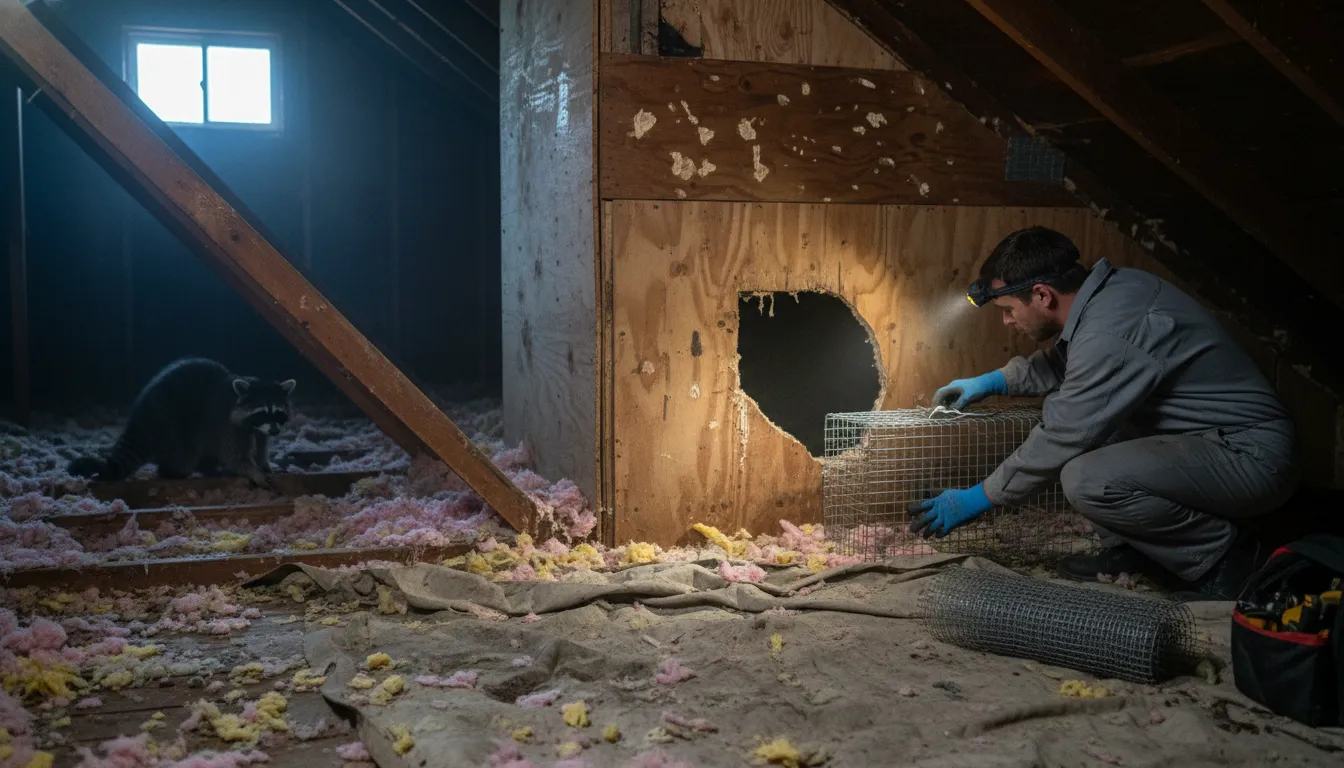
Find the Best Wildlife Removal Companies for Your Business
No obligation • Fast responses • Nationwide coverage

Why you can trust Pest Crews
Pest Crews is a leading U.S. resource for finding and evaluating residential and commercial pest control services. Our team researches providers, reviews treatment approaches, and organizes unbiased information to help you make informed decisions. Companies cannot pay to change our editorial content or influence how they appear.
Search providers near you
Top Wildlife Removal Companies in Jurupa Valley, California Ranked
Discovering an uninvited animal in your attic or under your deck can be unsettling. In Jurupa Valley, managing conflicts with local wildlife is a common challenge for homeowners, requiring a blend of prevention, humane practices, and professional expertise. This guide explains what wildlife control entails, why it's crucial for protecting your property and health, and how to navigate the process of finding qualified local specialists for safe and legal animal removal.
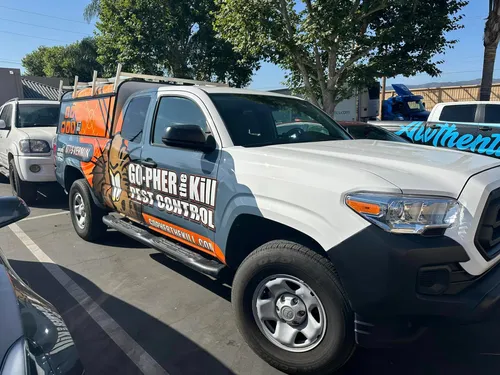
Go-Pher The Kill Pest Control Riverside
9880 Indiana Ave STE 23, Riverside, CA 92503
Go-Pher The Kill Pest Control Riverside offers pest and wildlife removal services in Riverside, CA. The company specializes in gopher control but also handles ants, roaches, spiders, rodents, and other pests for residential, commercial, and agricultural properties. They provide thorough pest inspections and ongoing protection to keep properties pest-free. Known for their expertise in gopher trapping and removal, Go-Pher The Kill has been serving the Riverside area for over seven years. Their licensed and insured team is committed to customer satisfaction with a guarantee to re-treat or refund if problems persist.
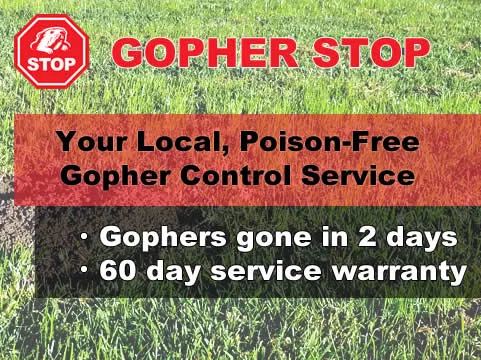
Gopher Stop
1660 Country Club Dr, Riverside, CA 92506
Gopher Stop is a wildlife removal and pest control company based in Riverside, CA, specializing in gopher removal. They focus on identifying and managing gopher infestations that damage lawns, plants, irrigation systems, and concrete structures. Their primary method involves trapping gophers within their tunnels, offering a poison-free approach that is both effective and environmentally conscious. Gopher Stop serves Riverside and nearby areas, providing professional gopher control with a reputation supported by customer reviews.
Compass Pest Management
5925 Rickenbacker Ave, Riverside, CA 92504
Compass Pest Management is a family-owned pest control company serving Los Angeles, CA, and surrounding areas since 1997. They provide a wide range of pest management services including bed bug treatment, termite inspections and fumigation, rodent exclusion, mosquito reduction, and bee and wasp removal. Their team also handles wildlife removal and commercial pest control, using proven methods and premium pesticides. With over 25 years of experience, Compass Pest Management offers ongoing pest prevention and exclusion services, focusing on practical solutions for homes and businesses. They operate Monday through Saturday and hold multiple licenses and certifications in pest control.

Terminix Commercial
1387 Center St, Riverside, CA 92507
Terminix Commercial offers comprehensive pest control services in Los Angeles, CA, specializing in commercial pest management. Their services include treatment and prevention for bed bugs, cockroaches, ants, rodents, termites, bees, wasps, and wildlife removal. The company provides tailored pest control plans such as the PESTFREE365 and termite protection systems to address common and costly pest issues. With a local team familiar with the area's pest challenges and backed by a nationwide network, Terminix Commercial ensures effective pest management solutions for businesses. They also offer termite inspections and continuous protection systems to prevent structural damage. The company serves a wide range of communities around Los Angeles and Riverside, including Ontario and San Bernardino.
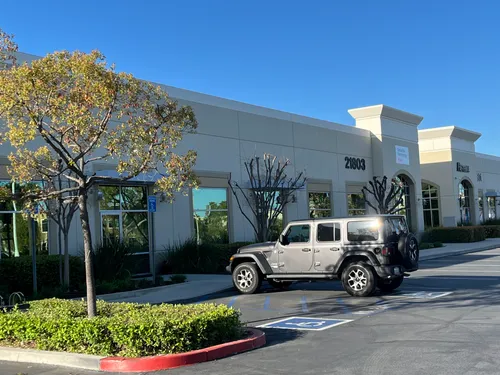
Corky's Pest Control
21803 Cactus Ave Suite E - F, Riverside, CA 92518
Corky's Pest Control is a pest control company serving Los Angeles, CA, offering a wide range of services including bed bug treatment, ant and cockroach control, rodent management, termite inspection and fumigation, mosquito treatment, bee and wasp removal, and wildlife relocation. Established in 1967, the company applies detailed inspections and modern methods to address pest issues effectively. They provide specialized capabilities such as termite fumigation and hive relocation for bees, ensuring safety and environmental care. Corky's Pest Control focuses on long-lasting pest management solutions tailored to residential properties.
Common Nuisance Wildlife in Jurupa Valley
The diverse habitats around Jurupa Valley support a variety of animals that can sometimes become a nuisance when they seek food, water, or shelter in our homes and yards. Knowing which species you're dealing with is the first step toward an effective solution.
Mammals:
- Squirrels: Often invade attics to nest, where they can chew on wires, creating a fire hazard, and contaminate insulation.
- Raccoons: Intelligent and dexterous, they can tear open roof vents or soffits to access attics. They are also common rummagers in unsecured trash.
- Rats and Mice: These rodents seek warmth and food indoors, especially in cooler months, and can cause significant property damage and spread disease.
- Skunks & Opossums: Typically found under porches, decks, or sheds. While generally less destructive to structures, they can dig up lawns and their presence is often announced by a potent odor.
- Jackrabbits: While less likely to enter homes, they can be a significant nuisance in gardens and landscaped yards.
Birds:
- Pigeons and Starlings: These birds often nest in attic vents, chimneys, and eaves. Their droppings are acidic and can damage roofing materials and pose health risks.
Why Professional Wildlife Control is Essential
While some deterrents can be effective, there are critical situations where calling a professional wildlife removal service is not just advisable-it's necessary for safety, legality, and effectiveness.
- Inside Structures: When animals are inside your walls, attic, or chimney, DIY removal becomes complex. Professionals have the tools and knowledge for humane removal and can prevent animals from dying in inaccessible spaces, which leads to odor and insect problems.
- Baby Animals (Spring & Summer): Many animals have litters in the spring. Sealing an entry point before ensuring all young have been removed can trap and orphan babies inside, which is inhumane and creates a bigger problem. Professionals know how to handle these sensitive situations.
- Dangerous Animals: If an animal appears sick, disoriented, or aggressive, it could pose a rabies risk. Never approach a potentially dangerous animal. Professional animal control operators are trained to handle these threats safely.
- Legal Compliance: California has specific laws governing wildlife. For instance, setting traps within 150 yards of an occupied dwelling generally requires the landowner's written permission or must be done by the landowner themselves. Furthermore, the relocation of many wild animals is heavily restricted or illegal in California to prevent the spread of disease and ecological disruption. Professionals ensure the entire process-from trapping to exclusion-is done in compliance with state and local regulations.
Find the perfect wildlife removal companies for your needs
Get personalized recommendations and expert advice
Effective Prevention and DIY Deterrence
The best strategy for wildlife control is to make your property less attractive to animals in the first place. Here are proactive steps every Jurupa Valley homeowner can take:
Remove Food, Water, and Shelter Attractants:
- Secure Trash: Use locking lids or store cans in a secured garage. Raccoons are notorious for tipping over unsecured bins.
- Manage Pet Food: Never leave pet food outdoors overnight. Feed pets indoors or remove bowls immediately after feeding.
- Clean Up Yard Debris: Keep woodpiles, leaf litter, and dense brush away from your home's foundation to reduce harborage areas for rodents and snakes.
- Address Water Sources: Fix leaky faucets and ensure proper drainage to eliminate standing water.
Seal Potential Entry Points:
- Inspect Your Home: Regularly check your roofline, soffits, vents, and foundation for gaps, holes, or loose materials.
- Cap Chimneys: Install a professionally-fitted chimney cap to keep birds, raccoons, and squirrels out.
- Cover Vents: Use ¼-inch hardware cloth (not chicken wire, which animals can chew through) to cover attic, crawl space, and dryer vents.
- Seal Gaps: Use high-quality sealant, metal flashing, or concrete to seal holes around pipes, cables, and where different building materials meet.
Use Humane Deterrents:
- Odor Repellents: Ammonia-soaked rags placed near a den entrance (but not where pets can reach) can encourage an animal to leave.
- Sensory Deterrents: Motion-activated lights or sprinklers can startle nocturnal animals. Leaving a radio playing in an attic during the day can deter nesting.
- Live Trapping (Use with Extreme Caution): If you attempt to use a live trap, it must be done responsibly. Use appropriate bait (e.g., sweet fruit for raccoons) and check traps frequently, at least twice a day. Crucially, you must have a plan for the captured animal that complies with California law, which generally prohibits relocation. Always prioritize contacting a professional.
Understanding the Wildlife Removal Process and Costs
When you hire a professional for animal control in Jurupa Valley, a standard process ensures the problem is solved completely and humanely.
- Inspection and Assessment: A technician will perform a thorough inspection of your property to identify the species, entry points, damage, and the extent of the infestation. This service typically costs between $100 and $250+.
- Humane Removal and Exclusion: This is the core of the service. The professional will humanely remove any animals present from the structure. Then, they will seal all identified entry points with durable materials to prevent re-entry. The cost for this work varies by species and complexity but often ranges from $300 to $800+ for common problems like squirrels or raccoons. 1
- Cleanup and Restoration: After animals are removed, attics and crawl spaces often require cleaning, disinfecting, and replacing contaminated insulation. This restoration work is vital for odor control and health but is a separate service, with costs that can range widely from $500 to $2,000+ depending on the space's size and contamination level. 2 3 4
- Follow-up and Warranty: Reputable services often offer a warranty on their exclusion work, guaranteeing that if the animal (or another) re-enters through their sealed points within a certain period, they will return to fix it at no additional charge.
Legal and Ethical Considerations in California
Navigating the legal landscape is a key part of ethical wildlife management. Jurupa Valley residents should be aware of a few critical points:
- No Feeding Wildlife: Many California cities, including some in Riverside County, have ordinances making it illegal to feed birds like pigeons in public areas, as it contributes to nuisance problems. 5
- Focus on Exclusion, Not Relocation: California law emphasizes humane exclusion-permanently preventing animals from entering a structure-as the preferred method. Relocating trapped animals is often illegal because it can spread disease and simply move the problem to another neighborhood. 6
- Trapping Regulations: As noted, traps set near homes require authorization. Professionals are considered authorized agents and handle all legal aspects of trapping. 7
For specific local guidance, including what to do with injured wildlife or to report aggressive animals, always refer to the official Jurupa Valley Animal Services page as your primary resource. 8
Frequently asked questions
Sources
Footnotes
-
Jurupa Valley Wildlife Control, Animal Trapping & Removal - http://www.riversidewildlife.com/JurupaValley.html ↩
-
AAAC Wildlife Removal & Control In Jurupa Valley CA - https://aallanimalcontrol.com/riverside/jurupa-valley/ ↩
-
Living with Wildlife - https://wildlife.ca.gov/Living-with-Wildlife ↩
-
Jurupa Valley Wildlife Removal - California Animal Pest Control - http://www.jurupavalleywildliferemoval.com/ ↩
-
Laws & Regulations - Humane Pest Control Inc - https://humanepestpro.com/?page_id=85 ↩
-
California wildlife relocation laws for pest control - Facebook - https://www.facebook.com/groups/1594787164103792/posts/3700674206848400/ ↩
-
Laws and Regulations - Humane Wildlife Control Inc - https://humanecontrol.com/laws-and-regulations/ ↩
-
Animal Services | Jurupa Valley, CA - https://www.jurupavalley.org/213/Animal-Services ↩