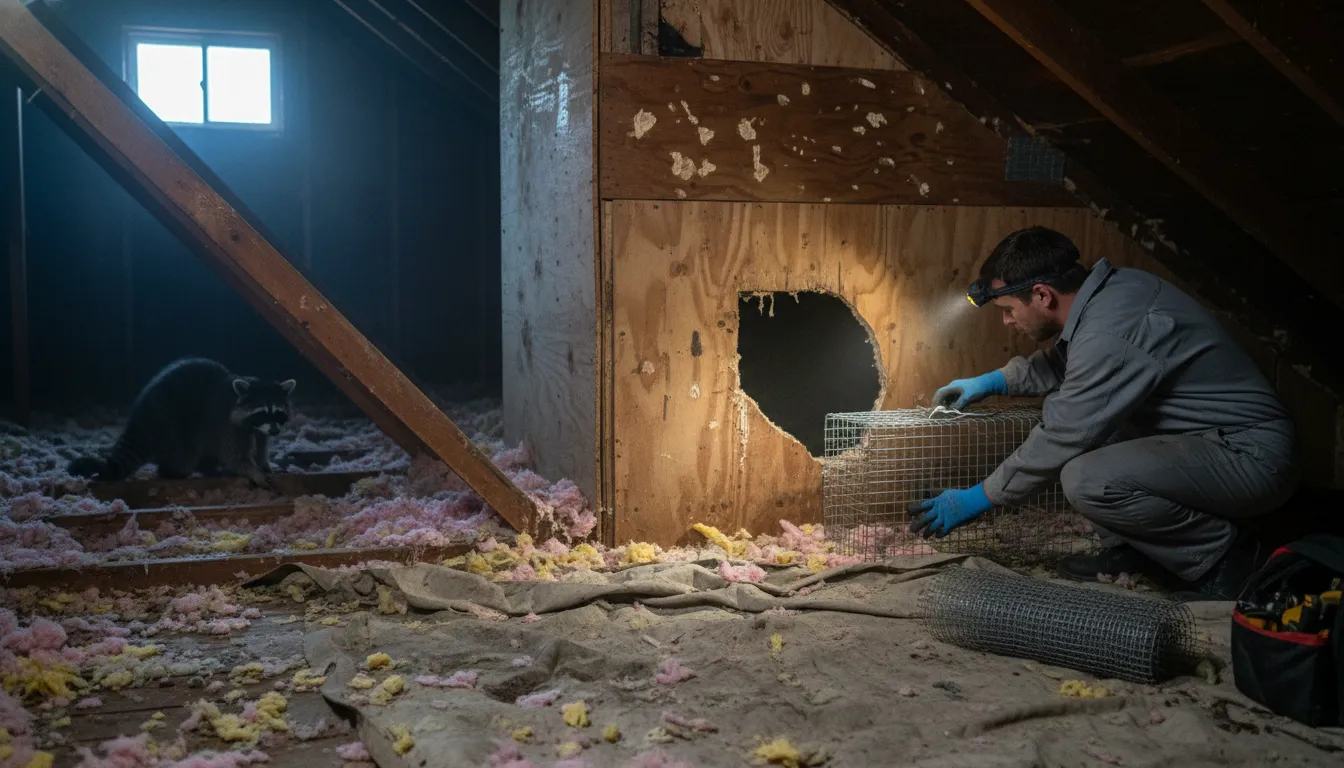
Find the Best Wildlife Removal Companies for Your Business
No obligation • Fast responses • Nationwide coverage

Why you can trust Pest Crews
Pest Crews is a leading U.S. resource for finding and evaluating residential and commercial pest control services. Our team researches providers, reviews treatment approaches, and organizes unbiased information to help you make informed decisions. Companies cannot pay to change our editorial content or influence how they appear.
Search providers near you
Top Wildlife Removal Companies in Lake Forest, California Ranked
Living with wildlife is a reality in many Southern California communities, but when animals like raccoons, coyotes, or squirrels move into your attic or become a persistent nuisance, professional intervention is often necessary. Wildlife removal is the specialized service of safely and legally evicting unwanted animals from your property and implementing measures to prevent their return. This process is crucial for protecting your home from damage and your family from potential health risks. For Lake Forest residents, finding a qualified local expert who understands both the local ecosystem and California's strict wildlife laws is the key to a lasting solution.
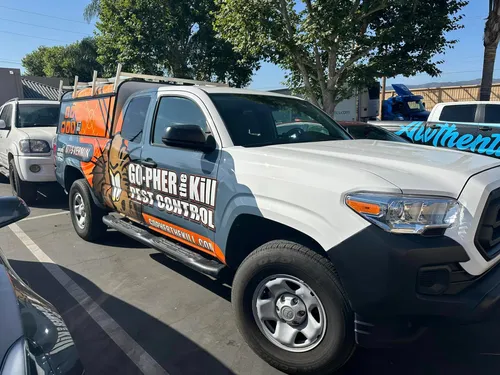
Go-Pher The Kill Pest Control Riverside
9880 Indiana Ave STE 23, Riverside, CA 92503
Go-Pher The Kill Pest Control Riverside offers pest and wildlife removal services in Riverside, CA. The company specializes in gopher control but also handles ants, roaches, spiders, rodents, and other pests for residential, commercial, and agricultural properties. They provide thorough pest inspections and ongoing protection to keep properties pest-free. Known for their expertise in gopher trapping and removal, Go-Pher The Kill has been serving the Riverside area for over seven years. Their licensed and insured team is committed to customer satisfaction with a guarantee to re-treat or refund if problems persist.
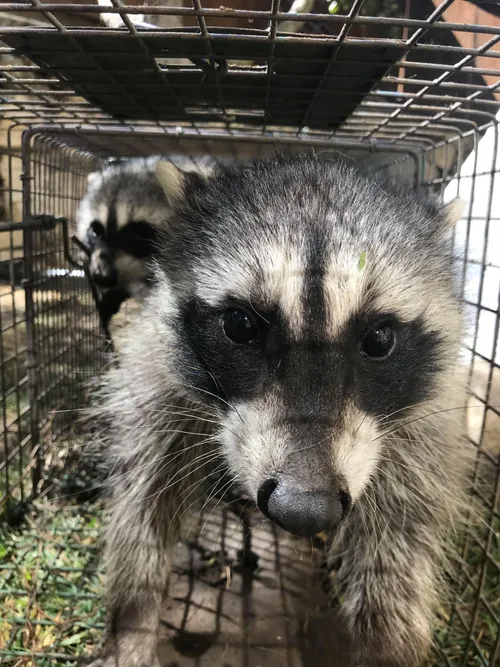
Orchard Inc.
Los Angeles, CA
Orchard Inc. is a pest control company based in Los Angeles, CA, specializing in rodent, bird, and wildlife removal services for both residential and commercial properties. They use humane methods and combine modern techniques with proven approaches to manage infestations while respecting natural ecosystems. Orchard Inc. also offers wildlife fencing as a preventative measure to keep animals off properties. The company serves Los Angeles County and Orange County, handling a wide range of pest control needs with a focus on bird and rodent solutions.
Aesthetic Wildlife Control
Los Angeles, CA
Aesthetic Wildlife Control provides humane and poison-free wildlife and rodent removal services in Los Angeles, CA. Their certified team offers a wide range of pest control solutions including rat, possum, bat, raccoon, skunk, snake, and dead animal removal, along with attic decontamination and bird proofing for solar panels. They use eco-friendly, non-toxic methods and provide thorough inspections with photo and video documentation to ensure effective exclusion and sanitation. The company is licensed by the California Department of Fish and Wildlife and offers 24/7 emergency animal removal services across Los Angeles and Orange County.
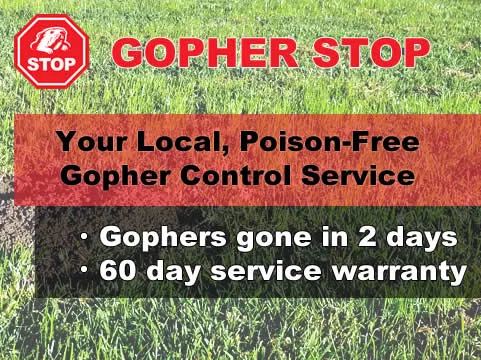
Gopher Stop
1660 Country Club Dr, Riverside, CA 92506
Gopher Stop is a wildlife removal and pest control company based in Riverside, CA, specializing in gopher removal. They focus on identifying and managing gopher infestations that damage lawns, plants, irrigation systems, and concrete structures. Their primary method involves trapping gophers within their tunnels, offering a poison-free approach that is both effective and environmentally conscious. Gopher Stop serves Riverside and nearby areas, providing professional gopher control with a reputation supported by customer reviews.
Compass Pest Management
5925 Rickenbacker Ave, Riverside, CA 92504
Compass Pest Management is a family-owned pest control company serving Los Angeles, CA, and surrounding areas since 1997. They provide a wide range of pest management services including bed bug treatment, termite inspections and fumigation, rodent exclusion, mosquito reduction, and bee and wasp removal. Their team also handles wildlife removal and commercial pest control, using proven methods and premium pesticides. With over 25 years of experience, Compass Pest Management offers ongoing pest prevention and exclusion services, focusing on practical solutions for homes and businesses. They operate Monday through Saturday and hold multiple licenses and certifications in pest control.
Common Nuisance Wildlife in Lake Forest
The natural canyons and greenbelts that make Lake Forest beautiful also provide habitat for a variety of mammals that can become problematic for homeowners. The most frequently encountered nuisance wildlife includes:
- Coyotes: Often seen at dawn or dusk, they are attracted to neighborhoods by food sources like unsecured trash, pet food, and small, unattended pets.
- Raccoons: Intelligent and dexterous, they are notorious for tipping over trash cans, tearing into attic vents, and creating dens in chimneys or under decks.
- Squirrels (Ground & Tree): These rodents can chew through siding, roof vents, and electrical wiring to nest in attics, posing a significant fire hazard.
- Opossums & Skunks: Typically seeking shelter, they may take up residence under porches, sheds, or in crawlspaces, sometimes resulting in odor issues or defensive encounters.
- Rats and Mice: These common pests invade homes for food and shelter, contaminating surfaces and gnawing on materials.
- Bats: While beneficial for insect control, bats can roost in attics or eaves, creating noise, odor, and potential health concerns from accumulated guano.
These animals are primarily drawn to residential areas in search of three things: food, water, and shelter 1. An unsecured garbage bin, a bowl of pet food left on the patio, a bird feeder, or fallen fruit from trees can be a powerful attractant. Similarly, an opening under a deck, an uncapped chimney, or a loose roof vent provides the perfect shelter for raising young or escaping the elements.
Why Professional Animal Control is Essential
Attempting to handle a wildlife intrusion on your own can be ineffective, dangerous, and even illegal. Professional wildlife removal specialists provide critical services that go far beyond simple trapping.
Expert Identification and Assessment: A professional can accurately identify the species, locate all entry points, and assess the extent of the infestation and damage. This is vital for creating an effective removal and exclusion plan.
Knowledge of Complex Regulations: California has some of the nation's strictest laws regarding wildlife. For example, it is generally illegal to relocate trapped animals off your property. Animals must be released on-site or humanely euthanized in accordance with the law. Professionals are licensed and understand these regulations, protecting you from potential fines.
Humane and Safe Techniques: Experts use species-specific methods, such as one-way exclusion doors, which allow animals to leave but not re-enter a structure, rather than indiscriminate trapping. They also have the training and equipment to handle animals safely, reducing the risk of bites, scratches, or exposure to diseases like rabies or leptospirosis.
Complete Solutions: True wildlife control involves more than just removing the animal. It includes sealing all potential entry points (exclusion), cleaning and sanitizing contaminated areas (like attics soiled with droppings or urine), and repairing damage caused by the animals.
Find the perfect wildlife removal companies for your needs
Get personalized recommendations and expert advice
The Wildlife Removal Process: What to Expect
A reputable wildlife control service in Lake Forest will typically follow a structured process to ensure the problem is resolved thoroughly and legally.
- Inspection and Quote: A technician will conduct a thorough inspection of your property, inside and out, to identify the pest species, entry points, and damage. They will then provide a detailed plan and quote for the work. Inspection fees typically range from $100 to $250.
- Removal/Eviction: Using humane methods appropriate for the situation-such as live traps, exclusion devices, or deterrents-the animals are removed from the structure. Trapping and removal services for common pests like squirrels or raccoons often start in the $200 to $500+ range 2 3.
- Exclusion and Repair: This is the most critical step for preventing a recurrence. All identified entry points are permanently sealed with durable materials like steel mesh, hardware cloth, or specialized vent covers. The cost for exclusion work can vary widely from $200 to over $800, depending on the complexity and number of entry points4 5 6.
- Clean-up and Restoration: If an attic, crawlspace, or wall void has been contaminated, professionals will remove soiled insulation, disinfect the area, and may offer restoration services like reinsulation. This step is crucial for eliminating odors and health hazards.
- Prevention Advice: A good technician will provide recommendations for making your property less attractive to wildlife, such as securing trash cans, trimming tree branches away from the roof, and removing other food sources.
Critical California Laws and Regulations
Understanding the legal framework is key for any Lake Forest homeowner dealing with wildlife. The California Department of Fish and Wildlife (CDFW) sets regulations that all residents and professionals must follow.
- No Relocation: It is illegal to trap and relocate most wild animals in California. An animal trapped on your property must be released on-site or humanely euthanized immediately. Relocation spreads disease, disrupts ecosystems, and is often a death sentence for the relocated animal.
- Landowner Consent: If traps are set within 150 yards of an occupied dwelling, the trapper must have written consent from the property owner7 8.
- Prohibited Methods: The use of certain poisons (rodenticides) is heavily restricted and illegal for use on many non-rodent species due to the danger they pose to pets, children, and non-target wildlife like hawks and owls.
- Protected Species: Special permits are required to handle certain species, like some birds of prey or bats. A professional will know how to identify and lawfully deal with these situations.
When to Call for Help and Who to Contact
It's important to know which agency or service to contact for different wildlife situations in Lake Forest:
- For Immediate Danger or Injured Animals: If you encounter an aggressive, sick, or visibly injured animal, or feel unsafe, contact the Lake Forest Police Department / Animal Control at (949) 770-1234.
- For Nuisance Wildlife in Your Home: The city directs residents to contact private wildlife removal companies for trapping, exclusion, and cleanup services, as police and animal control do not provide these services 9.
- For Regulatory Questions: For questions about state wildlife laws, protected species, or if you believe a protected animal is involved, you can contact the California Department of Fish and Wildlife.
Prevention is always the best and most cost-effective form of wildlife control. Simple steps like using trash cans with locking lids, picking up fallen fruit, not leaving pet food outdoors, and sealing off potential den sites under decks and sheds can deter most wildlife from seeing your yard as a resource10 11.
Frequently asked questions
Sources
Footnotes
-
California Wildlife Removal & Animal Control - https://www.crittercontrol.com/office-finder/california/ ↩
-
Living with Wildlife - https://wildlife.ca.gov/Living-with-Wildlife ↩
-
Why You Should Not Relocate Wildlife In California - Emagazine.com - https://emagazine.com/why-you-should-not-relocate-wildlife-in-california/ ↩
-
Lake Forest Wildlife Animal Control - - Bird Bat Rat Skunk ... - http://www.wildlifeanimalcontrol.com/Lake-Forest.html ↩
-
Lake Forest Wildlife Removal, Pest Animal Control CA - http://www.wildlife-removal.com/city/CA-Lake-Forest.htm ↩
-
Laws & Regulations - Humane Pest Control Inc - https://humanepestpro.com/?page_id=85 ↩
-
Animal trapping and control - Lacounty - https://file.lacounty.gov/SDSInter/acwm/235835_Trappingrequirementspaper.pdf ↩
-
Laws and Regulations - Humane Wildlife Control Inc - https://humanecontrol.com/laws-and-regulations/ ↩
-
Wildlife Calls - The City of Lake Forest - https://www.cityoflakeforest.com/departments/police/resources___services/wildlife_calls/index.php ↩
-
Living With Urban Wildlife - https://www.lakeforestca.gov/departments/public_safety/urban_wildlife.php ↩
-
Living With Wildlife - LA County Animal Care & Control - https://animalcare.lacounty.gov/living-with-wildlife/ ↩