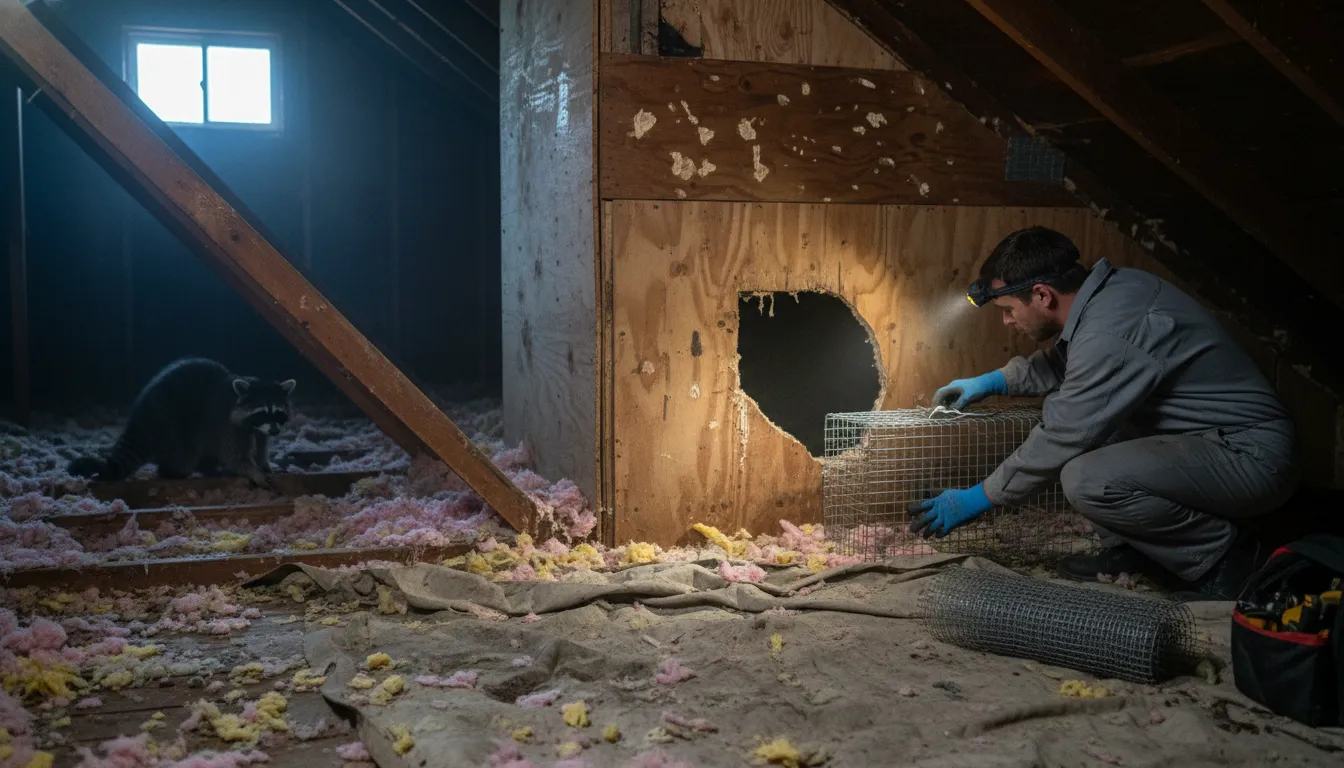
Find the Best Wildlife Removal Companies for Your Business
No obligation • Fast responses • Nationwide coverage

Why you can trust Pest Crews
Pest Crews is a leading U.S. resource for finding and evaluating residential and commercial pest control services. Our team researches providers, reviews treatment approaches, and organizes unbiased information to help you make informed decisions. Companies cannot pay to change our editorial content or influence how they appear.
Search providers near you
Top Wildlife Removal Companies in Milpitas, California Ranked
When squirrels nest in your attic, raccoons raid your trash, or bats roost in your eaves, it's more than a nuisance-it's a problem that can damage your property and pose health risks. Professional wildlife removal is the safe and effective solution for humanely evicting unwanted animals and securing your home against future intrusions. This guide will help you understand the local wildlife challenges in Milpitas, navigate California's regulations, and connect with the expert services you need to resolve your situation.
Trap N Rodents Rodent Proofers,LLC
Fremont, CA
Trap N Rodents Rodent Proofers, LLC is a rodent control and wildlife removal company serving Fremont, CA. They specialize in comprehensive rodent inspections and rodent-proofing services that identify and seal all potential entry points to prevent rodent infestations. Their approach avoids chemical sprays and poisons, focusing instead on humane trapping and sealing techniques to eliminate rodents safely and effectively. With over 10 years of experience, they offer a two-year guarantee on their services and monitor traps for two weeks to ensure complete rodent removal.

Aptive Pest Control
San Jose, CA
Aptive Pest Control offers comprehensive pest management services in San Jose, CA, addressing common pests such as ants, spiders, cockroaches, rodents, termites, and wasps. Operating with a local understanding of the area's Mediterranean climate and seasonal pest activity, they provide year-round treatments tailored to prevent infestations and protect homes. Their services include exclusion methods, strategic baiting, and targeted treatments to manage and prevent pest problems effectively. Aptive Pest Control serves San Jose and surrounding communities, including Cupertino, Fremont, and Sunnyvale, ensuring coverage across the region.
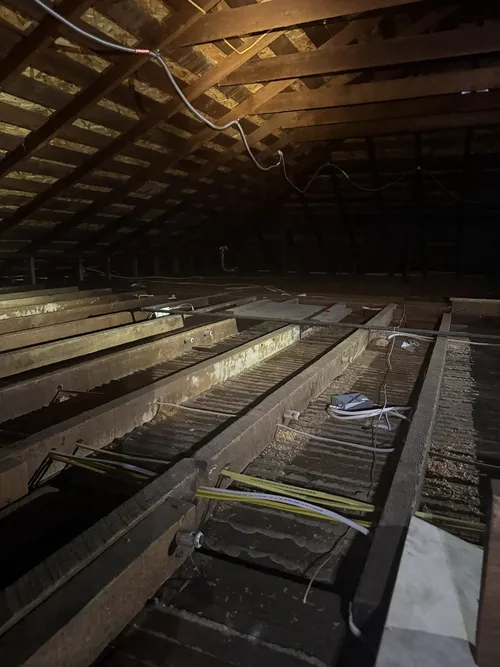
Attic Pros
718 Douglas Ave, Oakland, CA 94603
Attic Pros is a pest control and wildlife removal company based in San Jose, CA, specializing in attic and crawl space care. They provide rodent removal, attic cleaning and decontamination, insulation services, and sump pump installation. Their proven process includes thorough inspection, rodent proofing, and follow-up visits to ensure a rodent-free environment. Serving the San Francisco Bay Area, Attic Pros is licensed, bonded, and insured, with a focus on maintaining clean, dry, and safe attic spaces.
Critter Control of San Jose
San Jose, CA
Critter Control of San Jose provides pest and wildlife removal services in San Jose, CA. Since 1983, the company has focused on humane and environmentally responsible methods for handling nuisance animals. They serve both residential and commercial clients, using integrated and ecologically sound techniques to address issues involving rodents, cockroaches, and other wildlife. The company is independently operated by Bay Area Trapping, Inc., and offers solutions to prevent recurring animal problems.
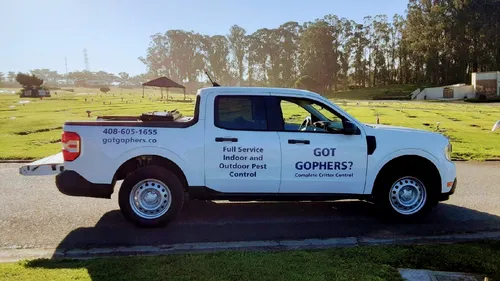
Got Gophers
San Jose, CA
Got Gophers is a pest control company serving San Jose, CA, and the broader Bay Area. They specialize in removing rodents and wildlife such as gophers, ground squirrels, raccoons, rats, skunks, moles, and voles from residential and commercial properties. Their services include critter removal, cleanup, repair, and exclusion work like fencing and netting to prevent future infestations. The company is fully licensed and bonded, with a team that has over 75 years of combined experience in pest control. Got Gophers offers tailored plans for various property types, including agricultural and industrial sites, and provides follow-up visits to address new pest activity.
Common Wildlife Intruders in Milpitas Homes
The urban-wildland interface in and around Milpitas means local homes and businesses frequently encounter a variety of wild animals seeking shelter and food. Knowing which species are most common can help you identify your problem and understand the specific challenges involved.
- Squirrels: These agile climbers often enter attics through small gaps in soffits or roof vents to build nests. Their constant gnawing can damage electrical wiring, insulation, and structural wood.
- Raccoons: Intelligent and dexterous, raccoons are notorious for tearing open trash cans and can exploit weak points on roofs, chimneys, and crawl space vents. They can carry diseases like rabies and their latrines pose serious health hazards.
- Rats and Mice: Rodents are a year-round concern, entering through gaps as small as a dime. They contaminate food, chew through materials, and can spread pathogens.
- Skunks & Opossums: Often found under decks, sheds, or porches, these animals are typically looking for den sites. While opossums are generally less destructive, skunks can cause significant odor problems.
- Bats: Small colonies may roost in attics or wall voids. Bats are protected by California law due to their ecological role, so their removal must be handled with care and timing to avoid harming them, especially during pup-rearing season.
- Nuisance Birds: Birds like pigeons, starlings, or sparrows can nest in vents, gutters, and other openings, leading to clogged drains and accumulations of droppings that can damage property and air quality 1.
Why Professional Animal Control is Essential
Attempting to handle a wildlife infestation on your own is often ineffective and can be dangerous. Professional wildlife removal specialists, also known as animal control operators or nuisance wildlife professionals, provide critical expertise.
Safety and Health: Wild animals can be aggressive when cornered, especially if they are protecting young. They can bite, scratch, and carry transmissible diseases such as rabies, leptospirosis, and histoplasmosis (from bat or bird droppings). Professionals have the training and protective equipment to manage these risks safely.
Humane and Legal Compliance: California Department of Fish and Wildlife (CDFW) regulations protect many native species 2 3. Trapping, relocating, or harming certain animals often requires specific permits and must be done following strict guidelines. Licensed professionals understand these laws and employ humane trapping and exclusion techniques that are compliant with state and local regulations 4.
Effective and Lasting Solutions: Simply trapping an animal doesn't solve the problem if the entry point remains open. The core of professional wildlife management is exclusion-permanently sealing all potential entry points after the animals have been humanely removed. Experts also provide cleanup and sanitization services to address hazardous waste like urine, feces, and nesting materials, and can repair damage caused by the animals.
Find the perfect wildlife removal companies for your needs
Get personalized recommendations and expert advice
Understanding the Wildlife Removal Process
When you contact a professional service for animal extraction, they typically follow a structured process to ensure a complete resolution.
- Inspection and Assessment: A technician will perform a thorough inspection of your property, inside and out, to identify the species involved, locate all entry points, and assess the extent of the damage and contamination. Many companies offer this initial inspection for a low fee or sometimes for free.
- Humane Removal: Using methods appropriate for the species and situation-such as one-way exclusion doors, hands-on removal, or in some cases, live trapping-the animals are removed from the structure. The goal is always to evict the animals without separating mothers from their dependent young when possible.
- Exclusion and Repair: This is the most critical step for prevention. All identified entry points are sealed with durable, animal-proof materials like steel mesh, hardware cloth, or specialized vent covers. Technicians may also recommend trimming tree branches away from the roofline and securing other attractants.
- Cleanup and Restoration: Professionals will remove contaminated insulation, nesting materials, and droppings. They then apply enzymatic cleaners and disinfectants to sanitize the area and may offer services to repair chewed wires, damaged drywall, or compromised wood.
- Follow-up and Prevention Advice: A reputable company will offer guidance on making your property less attractive to wildlife, such as securing trash in locking bins, removing pet food at night, and keeping yard debris to a minimum.
What to Do in a Wildlife Emergency
Not every wildlife sighting requires an emergency call. Here's a quick guide on who to contact based on the situation:
- For Aggressive, Sick, or Injured Animals: If a wild animal is acting strangely (e.g., disoriented, overly aggressive, out during the day for nocturnal species), appears injured, or is posing an immediate threat, contact Milpitas Animal Services for guidance 5. You can also reach out to the Santa Clara County Vector Control District for advice on wildlife-related public health concerns 6.
- For an Animal Trapped Inside: If a squirrel, raccoon, or bird is actively inside your living space, remain calm, isolate the animal in one room if possible by closing doors, and call a professional wildlife removal company. Do not attempt to chase or catch it yourself.
- For Immediate Public Safety Danger: If a large animal, like a coyote or mountain lion, is in a populated area and acting aggressively, or if a person or pet has been attacked, call 911.
- For General Infestations: For ongoing issues like noises in the attic, animals under the deck, or signs of rodent activity, your best course is to contact a licensed local wildlife control company directly for an inspection and removal plan 7.
Costs and Considerations for Wildlife Management
The cost for professional animal removal in Milpitas varies widely based on the species, the severity of the infestation, the size of your home, and the extent of repairs needed. It's wise to get estimates from a few licensed companies.
- Inspection Fees: Many companies charge a service call or inspection fee, which can range from $0 to $150, and is often credited toward the total cost of removal if you hire them 8.
- Removal and Exclusion: Trapping and removal services are often priced per animal or as a flat rate for the job. The permanent exclusion work (sealing the home) is a separate and crucial cost. For a standard squirrel or raccoon removal with basic exclusion, costs can start in the hundreds of dollars. Complex jobs involving multiple animals, extensive damage, or hard-to-reach areas like high roofs can run into the thousands 9.
- Cleanup and Repairs: Decontamination (cleanup of droppings, urine, nests) and repair services (replacing insulation, fixing chewed wires or wood) are typically additional line items that add to the overall project cost but are vital for restoring your home's safety and integrity.
Always ensure the company you hire is properly licensed, insured, and provides a clear, written estimate detailing all phases of the work: removal, exclusion, cleanup, and repairs.
Frequently asked questions
Sources
Footnotes
-
California Wildlife Removal Company Directory - Pro Animal Control - https://pro-animal-control.com/california-wildlife-removal-company/ ↩
-
Living with Wildlife - https://wildlife.ca.gov/Living-with-Wildlife ↩
-
Contact - Norcal Wildlife Removal - https://norcalwildliferemoval.com/contact/ ↩
-
Laws and Regulations - Humane Wildlife Control Inc - https://humanecontrol.com/laws-and-regulations/ ↩
-
Animal Services | Milpitas, CA - https://www.milpitas.gov/630/Animal-Services ↩
-
Wildlife | Mosquito and Vector Control District | County of Santa Clara - https://vector.santaclaracounty.gov/vectors/wildlife ↩
-
Milpitas Wildlife Removal - California Animal Pest Control - http://milpitaswildliferemoval.com/ ↩
-
TOP 10 BEST Wildlife Removal near Milpitas, CA - Yelp - https://m.yelp.com/search?find_desc=Wildlife+Removal&find_loc=Milpitas%2C+CA ↩
-
Milpitas California Pest Wildlife Removal, Animal Trapping and Control - http://www.sanjosepestwildlife.com/Milpitas.html ↩