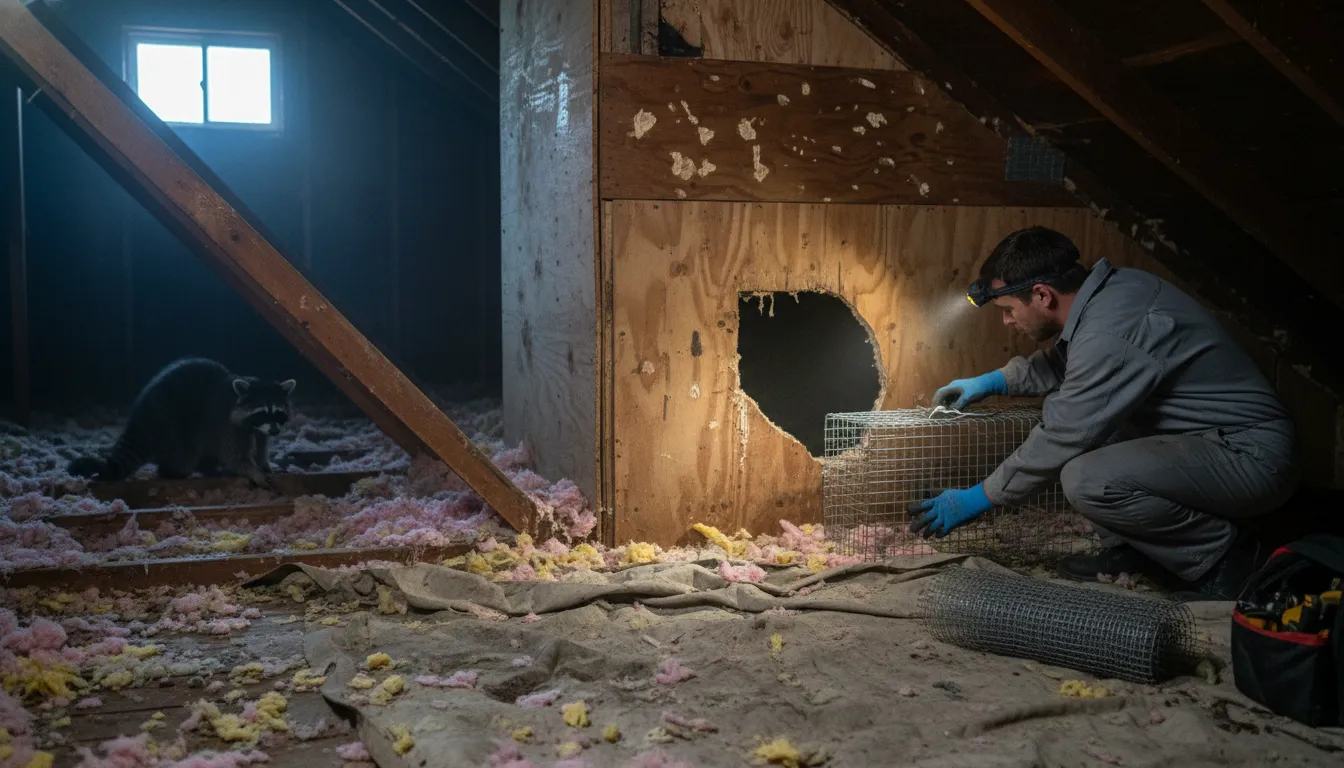
Find the Best Wildlife Removal Companies for Your Business
No obligation • Fast responses • Nationwide coverage

Why you can trust Pest Crews
Pest Crews is a leading U.S. resource for finding and evaluating residential and commercial pest control services. Our team researches providers, reviews treatment approaches, and organizes unbiased information to help you make informed decisions. Companies cannot pay to change our editorial content or influence how they appear.
Search providers near you
Top Wildlife Removal Companies in Newport Beach, California Ranked
Living in a beautiful coastal community like Newport Beach means sharing the environment with a variety of native wildlife. While observing animals in their natural habitat can be a delight, it becomes a serious problem when raccoons, opossums, skunks, or rodents decide your attic, crawlspace, or yard is their new home. Professional wildlife removal is the safe, legal, and effective solution for resolving conflicts with nuisance animals. This resource is designed to help you understand the local wildlife issues, your legal responsibilities, and how to connect with licensed experts who can humanely address infestations and protect your property.
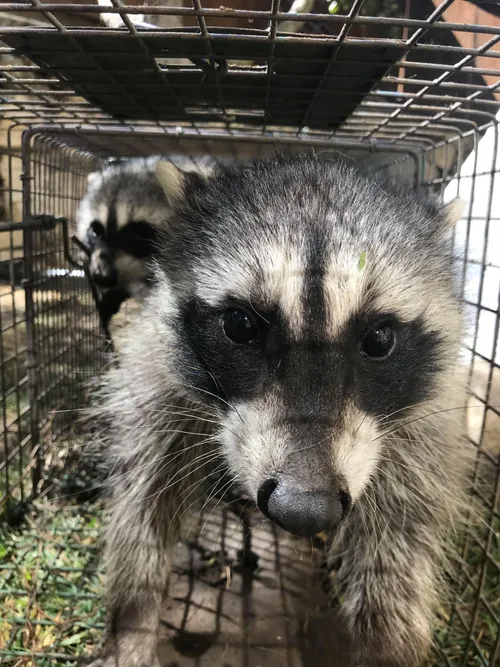
Orchard Inc.
Los Angeles, CA
Orchard Inc. is a pest control company based in Los Angeles, CA, specializing in rodent, bird, and wildlife removal services for both residential and commercial properties. They use humane methods and combine modern techniques with proven approaches to manage infestations while respecting natural ecosystems. Orchard Inc. also offers wildlife fencing as a preventative measure to keep animals off properties. The company serves Los Angeles County and Orange County, handling a wide range of pest control needs with a focus on bird and rodent solutions.
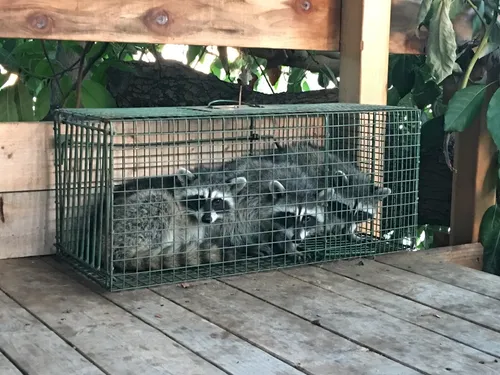
Hawkins Animal Trapping and Removal
Long Beach, CA
Hawkins Animal Trapping and Removal is a family-owned business based in Long Beach, CA, serving Los Angeles and Orange County. Established in 2018 by an industry professional with over 10 years of experience, the company offers wildlife and animal removal services for both homeowners and businesses. Their services include rodent, raccoon, bird, skunk, opossum, and bat removal, as well as attic cleaning and dead animal removal. They handle dead animals found in crawlspaces, attics, lawns, roofs, and driveways, ensuring safe and effective removal.
Aesthetic Wildlife Control
Los Angeles, CA
Aesthetic Wildlife Control provides humane and poison-free wildlife and rodent removal services in Los Angeles, CA. Their certified team offers a wide range of pest control solutions including rat, possum, bat, raccoon, skunk, snake, and dead animal removal, along with attic decontamination and bird proofing for solar panels. They use eco-friendly, non-toxic methods and provide thorough inspections with photo and video documentation to ensure effective exclusion and sanitation. The company is licensed by the California Department of Fish and Wildlife and offers 24/7 emergency animal removal services across Los Angeles and Orange County.
Ashe Animal Control
423 W 18th St, San Pedro, CA 90731
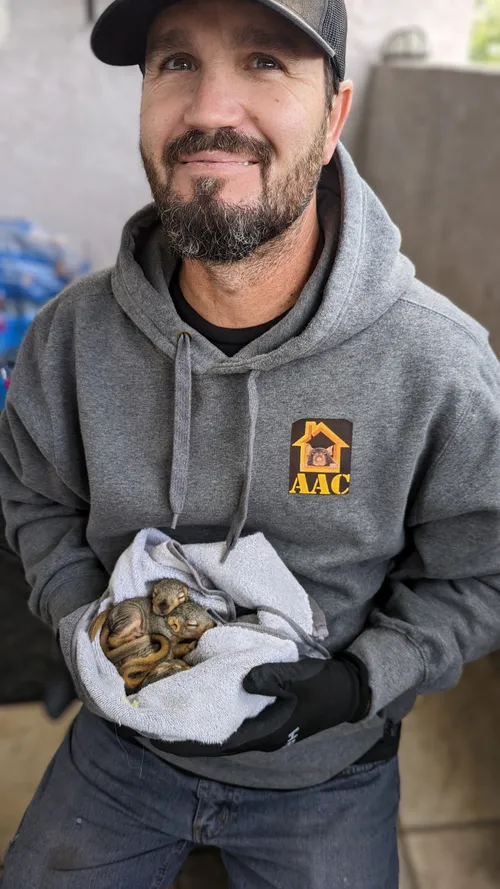
Ashe Animal Control is a family-owned business offering humane wildlife removal, rodent control, and property repair services in Los Angeles, CA, and Orange County. They specialize in safe animal trapping and removal while focusing on protecting homes with integrity and care. Their services include identifying and sealing entry points to prevent future infestations, ensuring long-term protection for residential and commercial properties. Ashe Animal Control is known for transparent pricing and personalized service, treating every home with respect and attention to detail.
All City Animal Trapping
1321 Alameda St, Wilmington, CA 90744
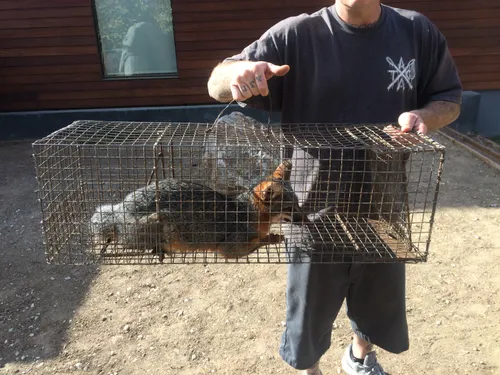
All City Animal Trapping is a wildlife removal company based in Los Angeles, CA. They specialize in humane trapping and removal of nuisance animals such as raccoons, squirrels, bats, and birds. Their services include damage repair, decontamination, and preventive measures to keep homes and businesses wildlife-free. With over 20 years of experience, the company serves residential and commercial customers throughout Los Angeles and surrounding counties. All City Animal Trapping employs licensed and insured professionals who use effective and humane methods for animal control.
Common Nuisance Wildlife in Newport Beach
The mild climate and varied habitats in and around Newport Beach support numerous species that can become pests. Knowing which animal you're dealing with is the first step toward a proper solution.
- Raccoons: Intelligent and dexterous, raccoons are notorious for rummaging through trash, damaging roofs to access attics, and creating latrines that pose health risks.
- Opossums: North America's only marsupial, opossums often seek shelter under decks, porches, or in garages. While they eat many pests like ticks and snails, they can be a nuisance and may carry diseases.
- Skunks: Known for their potent defensive spray, skunks dig for grubs in lawns and often take up residence under sheds or decks. A skunk den on your property is a lingering risk for a smelly encounter.
- Tree Squirrels & Ground Squirrels: Squirrels can cause significant damage by chewing electrical wiring, insulation, and wooden structures in attics. Their constant activity can be noisy and destructive.
- Rodents (Rats & Mice): These are year-round pests that contaminate food, chew through walls and wires (a fire hazard), and reproduce rapidly. Roof rats are particularly common in the area.
- Bats: Bats are beneficial for insect control but become a problem when a colony roosts in an attic or wall void. Their guano (droppings) can pose serious respiratory health risks and damage structures. Bats are also protected by specific regulations.
- Coyotes: Commonly seen in open spaces and sometimes neighborhoods, coyotes pose a threat to small pets. Managing attractants is key to coexistence.
Why Professional Wildlife Control is Essential
Attempting to handle a wild animal problem on your own can be ineffective, dangerous, and, in California, often illegal. Licensed wildlife control operators (WCOs) provide critical services that go beyond simple trapping.
Legal Compliance: California state law strictly prohibits the relocation of healthy wildlife 1. An animal trapped on your property must be released on-site or humanely euthanized. Relocating an animal transfers the problem elsewhere and can spread disease or doom the animal to starvation in an unfamiliar territory. Professionals understand these complex regulations, including special rules for protected species like bats and certain birds 2.
Humane and Effective Solutions: Experts don't just remove the animal; they solve the problem. The core of modern wildlife control is exclusion-permanently sealing the entry points an animal used to get inside, after ensuring all animals are out. This prevents re-infestation. Professionals also perform necessary cleanup and decontamination of affected areas to remove hazardous waste like droppings and urine.
Safety and Health: Wild animals can carry diseases transmissible to humans and pets, including rabies, leptospirosis, hantavirus, and parasites like roundworm. Professionals have the training and personal protective equipment (PPE) to handle animals and contaminated materials safely, minimizing health risks for your household.
Find the perfect wildlife removal companies for your needs
Get personalized recommendations and expert advice
The Wildlife Removal Process: What to Expect
When you contact a licensed professional for animal extraction and exclusion, they typically follow a structured process to ensure a complete resolution.
- Inspection and Assessment: The technician will perform a thorough inspection of your property, inside and out, to identify the species involved, locate all entry points, and assess the extent of the damage or contamination.
- Removal: Using methods appropriate for the species and situation-which may include one-way exclusion doors, hand-removal, or live trapping-the professional will remove the animals. As per law, trapping is done with a plan for immediate on-site release or humane dispatch 3 4.
- Exclusion and Repair: This is the most critical step. Once the animals are confirmed gone, all identified entry points are permanently sealed with durable materials like steel mesh, hardware cloth, or chimney caps to prevent future entry.
- Cleanup and Sanitation: Areas soiled by animal waste, urine, or nesting materials are cleaned, disinfected, and deodorized. In cases of significant attic restoration, old insulation may be removed and replaced.
- Prevention Advice: A reputable professional will provide recommendations for making your property less attractive to wildlife, such as securing trash cans, removing pet food, and trimming tree branches away from the roof.
Understanding Costs for Wildlife Control Services
The cost for professional wildlife management in Newport Beach varies based on the animal, the severity of the infestation, and the services required. Prices generally reflect the complexity of the removal and the extent of exclusion work needed. Based on local service data, here is a general range for common services 5:
- Birds or Moles: $100 - $550
- Rats or Mice: $175 - $550
- Squirrels or Opossums: $200 - $600
- Raccoons or Skunks: $300 - $600
- Bats: $230 - $700 (often higher due to specialized exclusion and cleanup)
It's important to get a detailed, written estimate that breaks down inspection, removal, exclusion, repair, and cleanup costs. The most effective solution is rarely the cheapest short-term trap-and-remove option; investing in proper exclusion saves money and stress in the long run.
What You Can Do: Prevention and First Steps
While removal should be left to professionals, homeowners can take proactive steps to deter wildlife and know when to call for help.
Effective Deterrence Strategies:
- Secure Food Sources: Use locking lids on trash cans, bring pet food indoors overnight, and promptly harvest or remove fallen fruit from trees.
- Eliminate Shelter: Seal gaps under decks, porches, and sheds with heavy-gauge mesh. Keep woodpiles neat and away from the house.
- Modify Habitat: Trim tree branches at least 6-8 feet away from your roof and trim dense, ground-level vegetation where animals can hide.
- Protect Vulnerable Areas: Install chimney caps and vent covers made of sturdy, animal-proof materials.
Who to Contact and When:
- For an Immediate Threat: If a wild animal is actively attacking, appears dangerously ill (e.g., rabies suspect), or is cornered and posing direct danger, call 911.
- For Public Nuisance Animals: For wildlife causing issues in public parks, streets, or common areas, you can contact the Newport Beach Police Department (NBPD) Animal Control for guidance 6.
- For Wildlife on Private Property: For animals in your attic, under your house, or causing damage to your home, you need to contact a licensed wildlife control company. They are equipped and legally authorized to handle private property removals and exclusions 7 8 9.
Frequently asked questions
Sources
Footnotes
-
California wildlife relocation laws for pest control - https://www.facebook.com/groups/1594787164103792/posts/3700674206848400/ ↩
-
Laws and Regulations - Humane Wildlife Control Inc - https://humanecontrol.com/laws-and-regulations/ ↩
-
Animal trapping and control - Lacounty - https://file.lacounty.gov/SDSInter/acwm/235835_Trappingrequirementspaper.pdf ↩
-
Why You Should Not Relocate Wildlife In California - Emagazine.com - https://emagazine.com/why-you-should-not-relocate-wildlife-in-california/ ↩
-
Animal Control | Newport Beach Police Department - https://www.nbpd.org/what-we-do/services/animal-control ↩
-
Newport Beach Wildlife Animal Control - http://www.wildlifeanimalcontrol.com/Newport-Beach.html ↩
-
Animal Capture Wildlife Control: Los Angeles Wildlife Removal - https://www.animalcapturewildlifecontrol.com/ ↩
-
Newport Beach Wildlife Removal, Pest Animal Control CA - http://www.wildlife-removal.com/city/CA-Newport-Beach.htm ↩
-
Wildlife Program - https://www.longbeach.gov/acs/programs-services/wildlife-program/ ↩