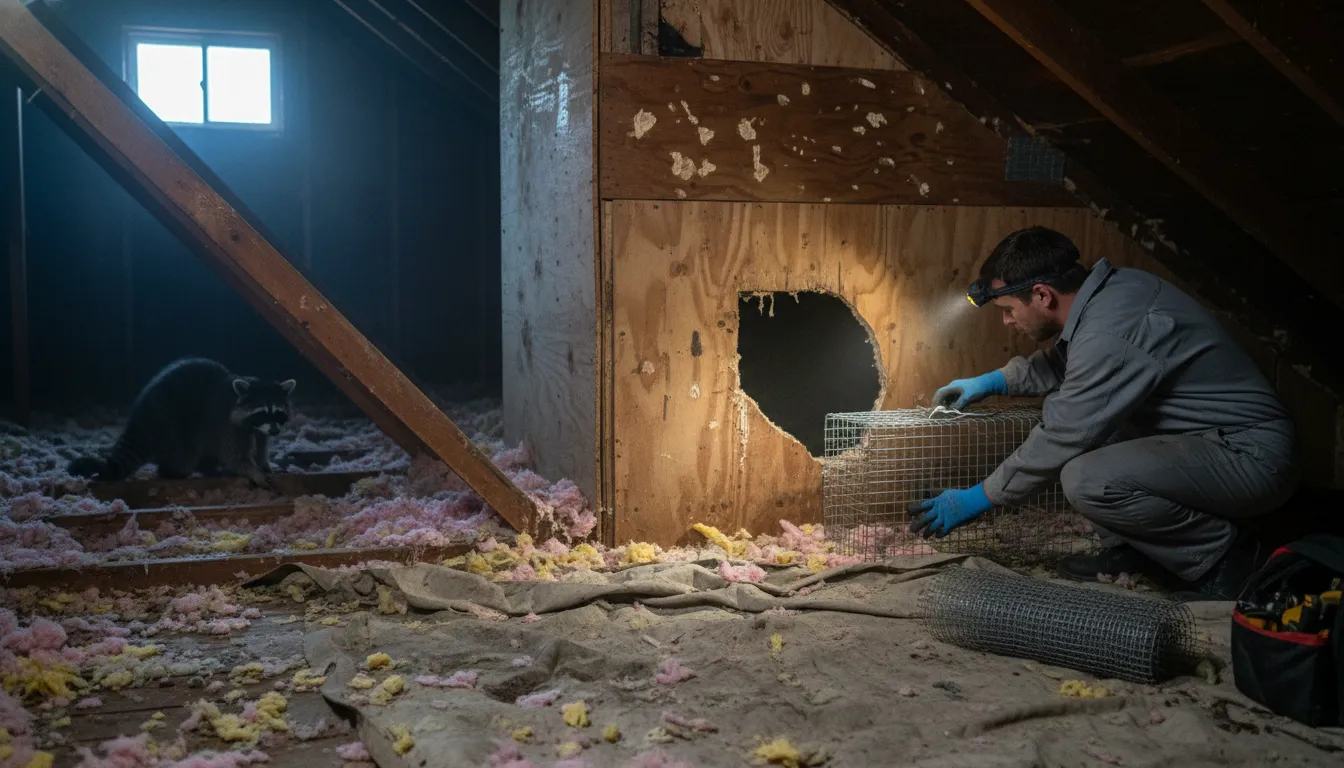
Find the Best Wildlife Removal Companies for Your Business
No obligation • Fast responses • Nationwide coverage

Why you can trust Pest Crews
Pest Crews is a leading U.S. resource for finding and evaluating residential and commercial pest control services. Our team researches providers, reviews treatment approaches, and organizes unbiased information to help you make informed decisions. Companies cannot pay to change our editorial content or influence how they appear.
Search providers near you
Top Wildlife Removal Companies in Pico Rivera, California Ranked
When wild animals like raccoons, squirrels, or coyotes become unwelcome guests in your home or yard, it's more than a nuisance-it can pose risks to your property, health, and safety. Wildlife removal is the specialized service of safely and humanely evicting these animals and preventing their return. For Pico Rivera residents, navigating this process means understanding local wildlife behavior, strict California regulations, and knowing when to call a professional. This guide will help you identify common pests, explore effective prevention strategies, and make informed decisions about managing wildlife conflicts in our community.
Orchard Inc.
Los Angeles, CA
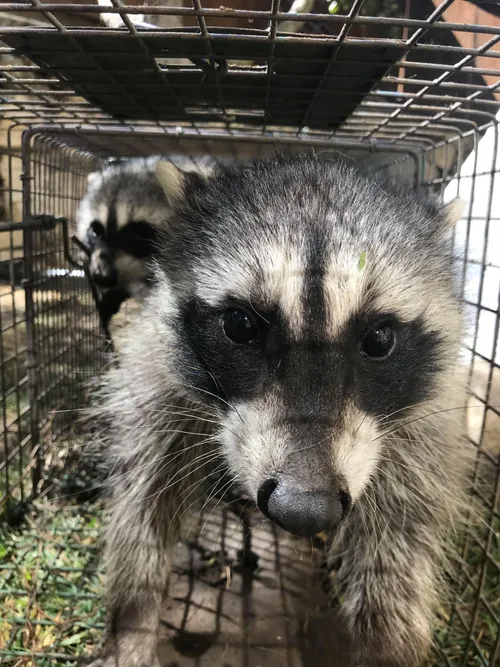
Orchard Inc. is a pest control company based in Los Angeles, CA, specializing in rodent, bird, and wildlife removal services for both residential and commercial properties. They use humane methods and combine modern techniques with proven approaches to manage infestations while respecting natural ecosystems. Orchard Inc. also offers wildlife fencing as a preventative measure to keep animals off properties. The company serves Los Angeles County and Orange County, handling a wide range of pest control needs with a focus on bird and rodent solutions.
Hawkins Animal Trapping and Removal
Long Beach, CA
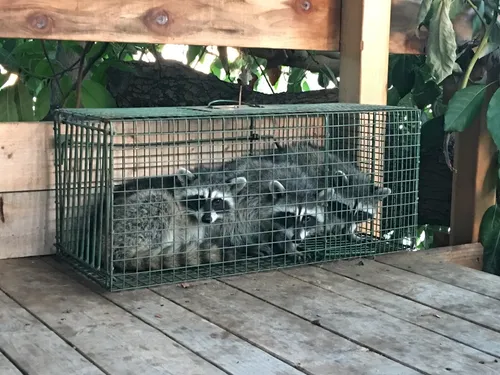
Hawkins Animal Trapping and Removal is a family-owned business based in Long Beach, CA, serving Los Angeles and Orange County. Established in 2018 by an industry professional with over 10 years of experience, the company offers wildlife and animal removal services for both homeowners and businesses. Their services include rodent, raccoon, bird, skunk, opossum, and bat removal, as well as attic cleaning and dead animal removal. They handle dead animals found in crawlspaces, attics, lawns, roofs, and driveways, ensuring safe and effective removal.
Aesthetic Wildlife Control
Los Angeles, CA
Aesthetic Wildlife Control provides humane and poison-free wildlife and rodent removal services in Los Angeles, CA. Their certified team offers a wide range of pest control solutions including rat, possum, bat, raccoon, skunk, snake, and dead animal removal, along with attic decontamination and bird proofing for solar panels. They use eco-friendly, non-toxic methods and provide thorough inspections with photo and video documentation to ensure effective exclusion and sanitation. The company is licensed by the California Department of Fish and Wildlife and offers 24/7 emergency animal removal services across Los Angeles and Orange County.
Ashe Animal Control
423 W 18th St, San Pedro, CA 90731
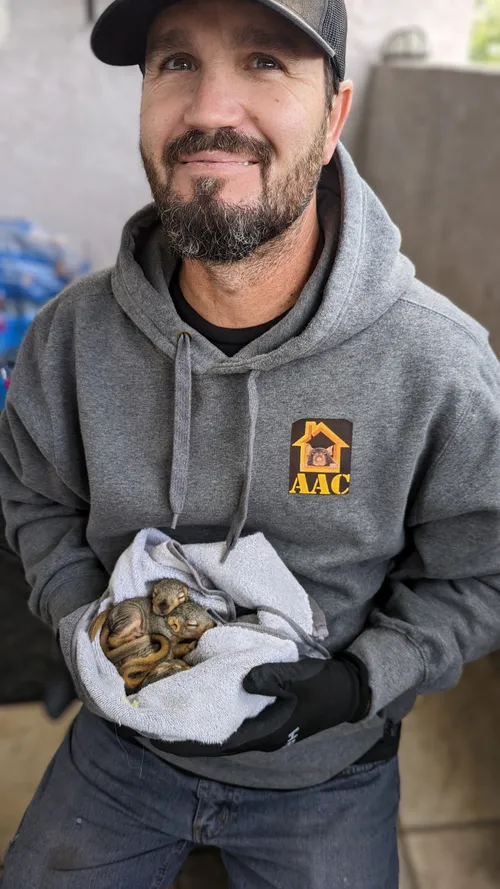
Ashe Animal Control is a family-owned business offering humane wildlife removal, rodent control, and property repair services in Los Angeles, CA, and Orange County. They specialize in safe animal trapping and removal while focusing on protecting homes with integrity and care. Their services include identifying and sealing entry points to prevent future infestations, ensuring long-term protection for residential and commercial properties. Ashe Animal Control is known for transparent pricing and personalized service, treating every home with respect and attention to detail.
All City Animal Trapping
1321 Alameda St, Wilmington, CA 90744
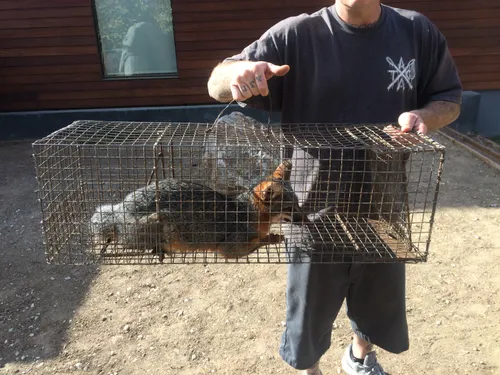
All City Animal Trapping is a wildlife removal company based in Los Angeles, CA. They specialize in humane trapping and removal of nuisance animals such as raccoons, squirrels, bats, and birds. Their services include damage repair, decontamination, and preventive measures to keep homes and businesses wildlife-free. With over 20 years of experience, the company serves residential and commercial customers throughout Los Angeles and surrounding counties. All City Animal Trapping employs licensed and insured professionals who use effective and humane methods for animal control.
Common Nuisance Wildlife in Pico Rivera
The urban environment of Pico Rivera provides ample food and shelter for a variety of wild animals. Knowing which species you're dealing with is the first step toward an effective solution.
- Rodents: This category includes roof rats and house mice, which are prolific breeders and can cause significant damage by gnawing on wires, insulation, and structural wood. They are also common carriers of disease.
- Mammals: Several mammal species frequently cause issues.
- Squirrels: Both ground and tree squirrels can invade attics and crawl spaces, chewing on entry points and storing food.
- Raccoons: These intelligent, dexterous animals are notorious for tipping over trash cans and can tear through roof vents or soffits to access attics.
- Opossums & Skunks: Often seeking shelter under decks, sheds, or porches, these animals can create odor problems and may dig in lawns for grubs.
- Coyotes: A significant presence in the area, coyotes are adaptable predators. While they help control rodent populations, they can pose a threat to unattended pets and small livestock.
- Jackrabbits: Considered non-game mammals, they can cause extensive damage to gardens, landscaping, and young trees.
- Birds: While less commonly targeted for full removal, birds like pigeons and starlings often require exclusion services. Their nests can block vents, and their droppings are corrosive and can harbor pathogens.
The Cornerstone of Control: Prevention and Exclusion
The most effective and long-term strategy for wildlife management is making your property less attractive and accessible. Proactive measures can prevent most conflicts before they begin.
Eliminate Food and Water Sources: Wildlife is drawn to reliable sustenance. Secure your trash cans with tight-fitting lids or bungee cords. Avoid leaving pet food and water bowls outside overnight. Regularly clean up fallen fruit from trees and keep barbecue grills clean.
Seal Entry Points: Conduct a thorough inspection of your home's exterior. Look for gaps, holes, or weak spots. Common entry points include loose roof vents, gaps under eaves, broken screens, and openings where utility lines enter the home. Seal these with durable materials like 1/4-inch hardware cloth, metal flashing, or concrete; avoid materials like wood or plastic that animals can easily chew through.
Modify Habitat: Trim tree branches that overhang or touch your roof to eliminate highways for squirrels and raccoons. Keep woodpiles and dense brush away from your home's foundation. Installing motion-activated lights or sprinklers can also deter nocturnal animals from settling in.
Find the perfect wildlife removal companies for your needs
Get personalized recommendations and expert advice
Understanding California's Wildlife Regulations
Attempting wildlife control in Pico Rivera requires careful adherence to state and local laws designed to protect both animals and people. Ignorance of these rules can lead to legal trouble and inhumane outcomes.
Trapping Rules: In California, most non-game mammals that are injuring property (like squirrels, jackrabbits, and certain rodents) may be trapped by a property owner or tenant. However, the law dictates the type of trap and its use. For instance, body-gripping traps are heavily restricted, and all traps must be checked at minimum every 24 hours.
The Critical Rule on Relocation: One of the most important regulations to understand is that you generally cannot trap and relocate wildlife off your property. Animals trapped on your property must either be released on the same property immediately or humanely euthanized according to California Department of Fish and Wildlife (CDFW) regulations 1. Relocation is often illegal because it can spread disease, cause stress and death to the relocated animal, and simply transfer the problem to another community 1.
Protected Species: Special protections apply to many species, including most birds (their nests and eggs are protected by federal law), bats, and others. Handling these animals typically requires a special permit.
When to Call a Professional Wildlife Control Operator
While DIY prevention is always recommended, some situations necessitate the expertise of a licensed professional.
- Animals Inside the Structure: If you hear noises in your attic, walls, or chimney, a professional can safely identify the species, locate all entry points, humanely remove the animals (often using one-way exclusion doors rather than traps), and perform necessary repairs.
- Risk of Disease or Injury: Never attempt to handle a wild animal directly. Professionals have the training and protective equipment to manage animals that may be aggressive, sick (e.g., showing signs of rabies), or simply stressed, minimizing the risk of bites or exposure to diseases like leptospirosis or hantavirus.
- Complex or Persistent Infestations: If you have a recurring problem or a large-scale infestation (like a colony of bats or a family of raccoons), a professional has the tools and strategies for effective resolution.
- Uncertainty About Laws: A licensed wildlife control operator will understand the precise regulations governing the capture, handling, and disposition of the specific animal troubling you, ensuring the process is legal and ethical 2 3.
What to Expect from Professional Wildlife Removal Services
Hiring a professional involves more than just animal capture. A reputable service will follow an integrated process.
- Inspection and Assessment: The technician will perform a thorough inspection to identify the pest species, locate all active entry points, and assess the extent of damage or contamination (like urine or feces).
- Humane Removal and Control: Using methods compliant with California law, the operator will remove the animals. This is increasingly done through exclusion techniques that allow animals to leave but not re-enter, rather than lethal trapping 4.
- Clean-up and Sanitation: Especially important with rodents or raccoons, this step involves removing nesting materials and decontaminating affected areas to eliminate health hazards and odors.
- Exclusion and Repair: The most critical step for long-term success. The professional will seal all identified entry points with durable materials to prevent future invasions 5.
- Follow-up Recommendations: You should receive advice on habitat modification and maintenance to keep your property wildlife-free.
Cost Considerations for Wildlife Management in Pico Rivera
The cost for professional wildlife management services can vary widely based on the species, the extent of the problem, and the required solutions. Here's a general breakdown based on local service structures:
- Exclusion and Sealing: The process of animal-proofing your home typically ranges from $200 to over $1,000, depending on the size of the home, number of entry points, and materials needed.
- Trapping and Removal (per animal): For common issues like squirrels or opossums, removal services can cost between $150 and $400 per animal, though this often includes an initial service call.
- Specialized Removal: Situations involving bats (which require careful exclusion and are often protected) or coyote mitigation can be more complex and costly, sometimes ranging from $500 to $1,000 or more 6 7 8.
For immediate dangers involving coyotes that are acting aggressively or posing a direct threat to pets, residents should contact LA County Animal Care & Control, as this may involve county-level response protocols 9.
Frequently asked questions
Sources
Footnotes
-
Why You Should Not Relocate Wildlife In California - Emagazine.com - https://emagazine.com/why-you-should-not-relocate-wildlife-in-california/ ↩ ↩2
-
Laws Concerning Wildlife Management - https://pesticidestewardship.org/wildlife-damage-management/laws-concerning-wildlife-management/ ↩
-
Laws & Regulations - Humane Pest Control Inc - https://humanepestpro.com/?page_id=85 ↩
-
Living with Wildlife - https://wildlife.ca.gov/Living-with-Wildlife ↩
-
Animal trapping and control - Lacounty - https://file.lacounty.gov/SDSInter/acwm/235835_Trappingrequirementspaper.pdf ↩
-
Animal Capture Wildlife Control: Los Angeles Wildlife Removal - https://www.animalcapturewildlifecontrol.com/ ↩
-
Living With Wildlife - LA County Animal Care & Control - https://animalcare.lacounty.gov/living-with-wildlife/ ↩
-
Curbing Coyote Sightings in the City - Pico-Rivera.org - https://www.pico-rivera.org/curbing-coyote-sightings-in-the-city-4/ ↩
-
Contact - Norcal Wildlife Removal - https://norcalwildliferemoval.com/contact/ ↩