Find the Best Wildlife Removal Companies for Your Business
No obligation • Fast responses • Nationwide coverage

Why you can trust Pest Crews
Pest Crews is a leading U.S. resource for finding and evaluating residential and commercial pest control services. Our team researches providers, reviews treatment approaches, and organizes unbiased information to help you make informed decisions. Companies cannot pay to change our editorial content or influence how they appear.
Search providers near you
Top Wildlife Removal Companies in Placentia, California Ranked
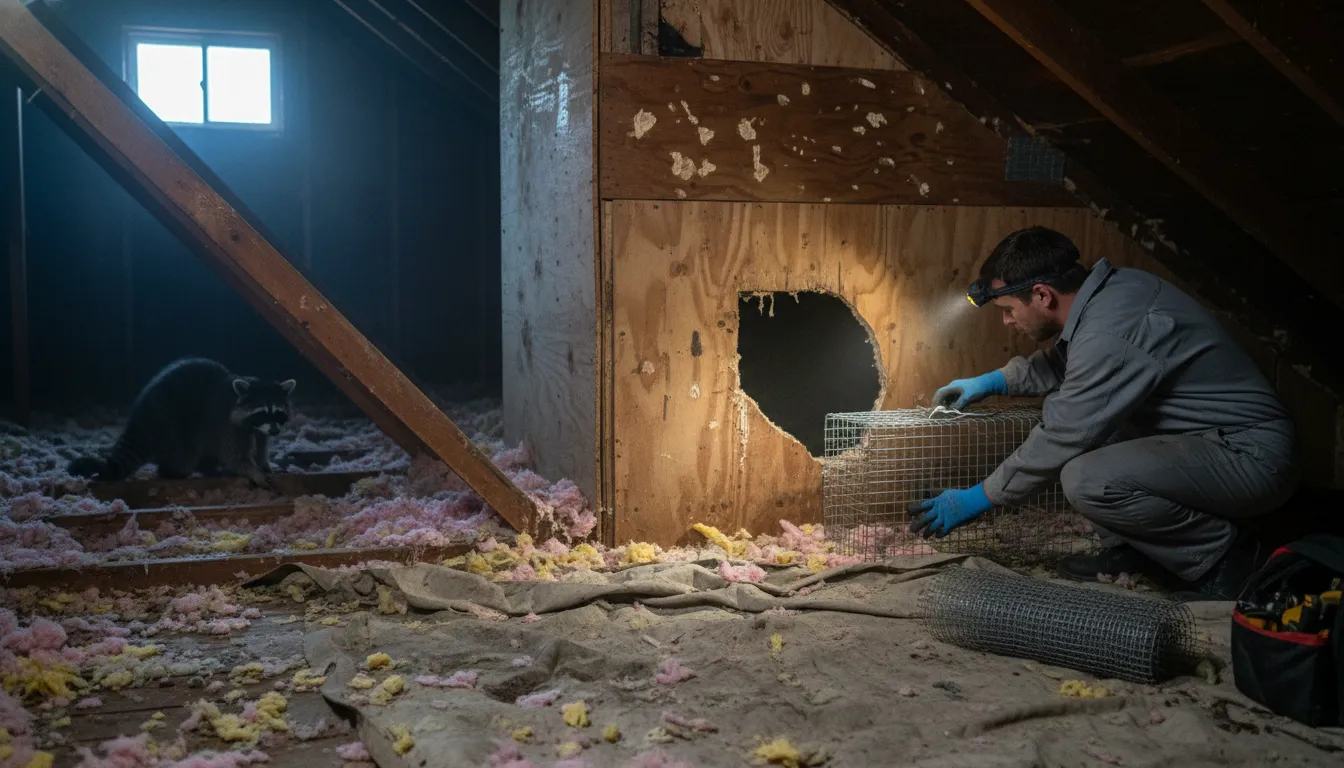
When raccoons rummage through your trash cans or squirrels take up residence in your attic, it's more than a nuisance-it's a problem that requires a safe, legal, and effective solution. Wildlife removal is the specialized service of humanely and permanently addressing conflicts with wild animals on your property. In Placentia, dealing with local fauna like raccoons, opossums, and skunks is common, but California's strict wildlife laws mean homeowners can't simply trap and relocate animals themselves. This guide will help you understand the local wildlife issues, when to call a professional, and how to find qualified experts in animal control and exclusion for your home or business.
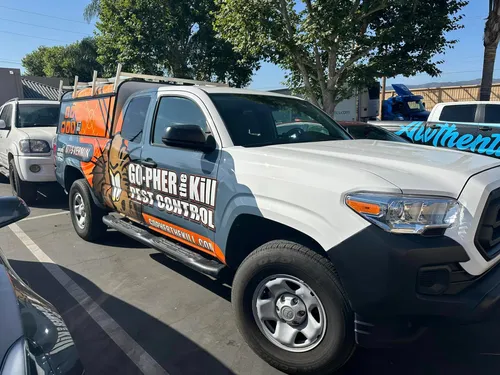
Go-Pher The Kill Pest Control Riverside
9880 Indiana Ave STE 23, Riverside, CA 92503
Go-Pher The Kill Pest Control Riverside offers pest and wildlife removal services in Riverside, CA. The company specializes in gopher control but also handles ants, roaches, spiders, rodents, and other pests for residential, commercial, and agricultural properties. They provide thorough pest inspections and ongoing protection to keep properties pest-free. Known for their expertise in gopher trapping and removal, Go-Pher The Kill has been serving the Riverside area for over seven years. Their licensed and insured team is committed to customer satisfaction with a guarantee to re-treat or refund if problems persist.
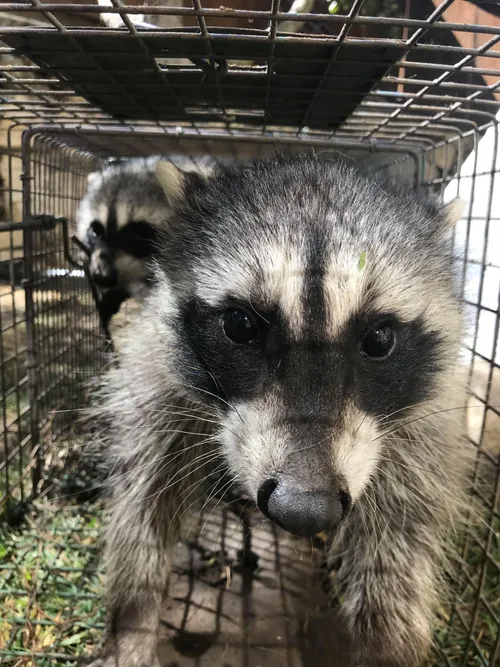
Orchard Inc.
Los Angeles, CA
Orchard Inc. is a pest control company based in Los Angeles, CA, specializing in rodent, bird, and wildlife removal services for both residential and commercial properties. They use humane methods and combine modern techniques with proven approaches to manage infestations while respecting natural ecosystems. Orchard Inc. also offers wildlife fencing as a preventative measure to keep animals off properties. The company serves Los Angeles County and Orange County, handling a wide range of pest control needs with a focus on bird and rodent solutions.
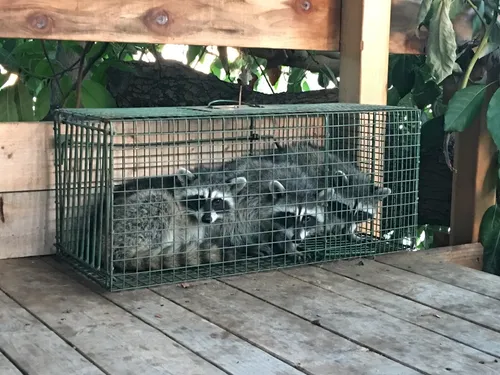
Hawkins Animal Trapping and Removal
Long Beach, CA
Hawkins Animal Trapping and Removal is a family-owned business based in Long Beach, CA, serving Los Angeles and Orange County. Established in 2018 by an industry professional with over 10 years of experience, the company offers wildlife and animal removal services for both homeowners and businesses. Their services include rodent, raccoon, bird, skunk, opossum, and bat removal, as well as attic cleaning and dead animal removal. They handle dead animals found in crawlspaces, attics, lawns, roofs, and driveways, ensuring safe and effective removal.
Aesthetic Wildlife Control
Los Angeles, CA
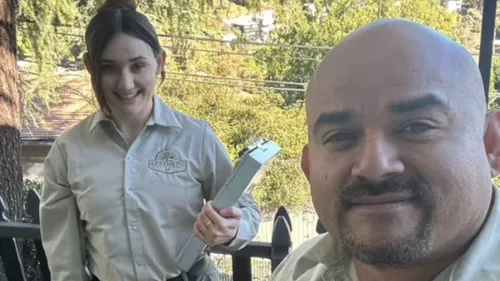
Aesthetic Wildlife Control provides humane and poison-free wildlife and rodent removal services in Los Angeles, CA. Their certified team offers a wide range of pest control solutions including rat, possum, bat, raccoon, skunk, snake, and dead animal removal, along with attic decontamination and bird proofing for solar panels. They use eco-friendly, non-toxic methods and provide thorough inspections with photo and video documentation to ensure effective exclusion and sanitation. The company is licensed by the California Department of Fish and Wildlife and offers 24/7 emergency animal removal services across Los Angeles and Orange County.
Ashe Animal Control
423 W 18th St, San Pedro, CA 90731
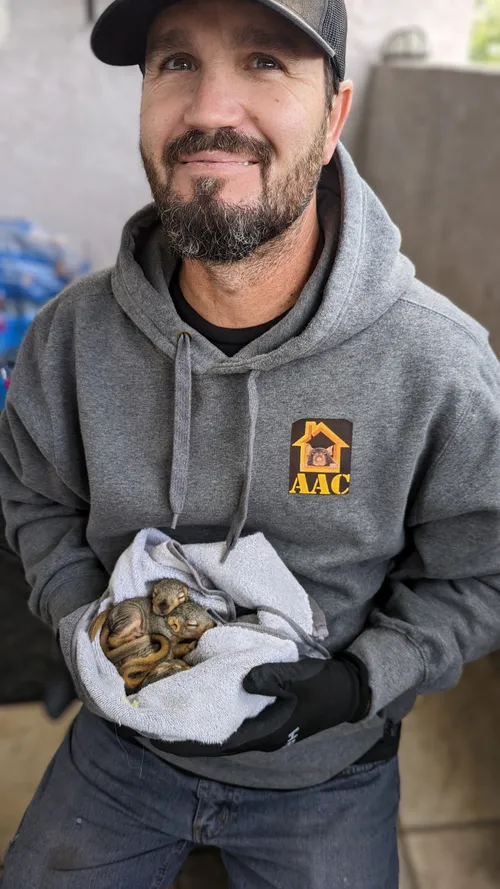
Ashe Animal Control is a family-owned business offering humane wildlife removal, rodent control, and property repair services in Los Angeles, CA, and Orange County. They specialize in safe animal trapping and removal while focusing on protecting homes with integrity and care. Their services include identifying and sealing entry points to prevent future infestations, ensuring long-term protection for residential and commercial properties. Ashe Animal Control is known for transparent pricing and personalized service, treating every home with respect and attention to detail.
Common Nuisance Wildlife in Placentia
Placentia's proximity to natural foothills and urban green spaces creates a perfect environment for wildlife to thrive, sometimes a little too close to our homes. Understanding which animals are most likely to cause problems is the first step in managing them.
- Raccoons: Intelligent and dexterous, raccoons are notorious for tipping over garbage cans, raiding pet food, and seeking shelter in attics, chimneys, and under decks. They can cause significant damage while trying to create a den and pose a health risk through their droppings.
- Opossums: North America's only marsupial, opossums are often found under sheds, in crawl spaces, or in garages. While they eat many pests like snails and slugs, they can also get into trash and create a mess.
- Squirrels: Both tree and ground squirrels are active in Placentia. They are particularly adept at finding entry points into attics and eaves, where they nest, chew on wires (a serious fire hazard), and store food.
- Skunks: Known for their potent defense mechanism, skunks often burrow under porches, sheds, and foundations. The primary concern, besides the odor, is the potential for pets to be sprayed.
- Rodents: Rats and mice are constant pests, seeking food and shelter indoors. They contaminate surfaces, chew through materials, and reproduce rapidly.
- Bats: Bats are beneficial for insect control but become a problem when they roost in attics or wall voids. Their guano (droppings) can pose serious respiratory health risks and damage structures. Importantly, all bats in California are protected, and their removal is highly regulated.
- Coyotes: Commonly seen in the region, coyotes are a threat to small pets and can be attracted by unsecured food sources like garbage, pet food, or fallen fruit.
Why Professional Wildlife Control is Essential
Attempting to handle a wildlife intrusion on your own can be ineffective, dangerous, and illegal. Professional wildlife removal services are trained to resolve conflicts safely and in compliance with state and local regulations.
Legal Compliance: The California Department of Fish and Wildlife (CDFW) has strict rules. It is generally illegal to relocate trapped wildlife off your property, as this can spread disease and disrupt ecosystems. Most native species, including bats and coyotes, are protected and require special permits for handling. Professionals hold these necessary licenses.
Humane Practices: Licensed trappers are trained in the most current, humane methods for trapping and handling animals, minimizing stress and harm.
Permanent Solutions: The core of professional wildlife control is exclusion. Simply removing the animal is not enough; a qualified expert will identify and seal all potential entry points to prevent re-infestation. This process often involves installing one-way doors, repairing damage, and sealing gaps with durable materials.
Health and Safety: Wildlife can carry diseases such as rabies, leptospirosis, and histoplasmosis (from bat guano). Professionals have the protective gear and knowledge to manage these biohazards safely, including cleanup and sanitization services 1.
What to Expect: The Professional Removal Process
When you contact a wildlife control operator in Placentia, they will typically follow a multi-step process to ensure the problem is solved completely.
- Inspection and Assessment: A technician will perform a thorough inspection of your property, inside and out, to identify the species involved, locate entry points, and assess the extent of the damage or infestation. This service typically costs between $100 and $250.
- Customized Plan: Based on the inspection, the professional will present a plan for removal, exclusion, and any necessary repairs or cleanup. They should explain all applicable laws and the methods they will use.
- Removal and Trapping: Using species-appropriate techniques, the animals will be humanely removed. This may involve live trapping, one-way exclusion devices, or other methods. Costs for trapping and removal can range from $150 to $400+ per animal for common mammals like raccoons or skunks.
- Exclusion and Repair: This is the most critical step for a long-term solution. The technician will seal all identified entry points with materials like steel mesh, hardware cloth, or specialized chimney caps to prevent re-entry. Exclusion work can range from $300 to over $1,000 depending on the complexity and size of the job 2.
- Cleanup and Sanitation: If animals have been living in an attic or crawlspace, droppings, urine, and nesting materials need to be removed and the area sanitized to eliminate odors and health risks. This cleanup service can add $200 to $800 or more to the total cost 3 4.
- Prevention Advice: A reputable professional will provide guidance on making your property less attractive to wildlife, such as securing trash and removing food sources.
Find the perfect wildlife removal companies for your needs
Get personalized recommendations and expert advice
Effective Prevention: Making Your Property Less Inviting
The best strategy for wildlife control is to prevent animals from seeing your yard as a desirable habitat in the first place. Here are key steps every Placentia homeowner can take:
- Secure Food Sources: Use locking lids on garbage cans, store bins in a garage or shed, and avoid leaving pet food outdoors overnight. Clean grills after use and pick up fallen fruit from trees.
- Eliminate Shelter: Trim tree branches back at least 6 feet from your roofline. Clear dense brush, woodpiles, and debris from against your home's foundation. Seal off crawl space vents with sturdy mesh.
- Protect Your Home: Conduct seasonal inspections of your home's exterior. Look for and seal any gaps, holes, or cracks larger than a quarter-inch, especially around rooflines, vents, and utility lines. Install chimney caps and soffit vents with built-in screens 5.
- Use Deterrents: Motion-activated sprinklers or lights can effectively startle and discourage nocturnal animals like raccoons and skunks from frequenting your yard.
When to Call for Help vs. Handling It Yourself
California law allows residents to take immediate action against certain non-game mammals (like ground squirrels) or non-native birds (like pigeons, starlings, and house sparrows) that are actively causing property damage 6 7. However, this usually means the animal must be released on-site or humanely dispatched; relocation is prohibited.
You should immediately call a licensed wildlife removal professional if:
- An animal is inside the living spaces of your home, or in an attic, wall, or chimney.
- You suspect the presence of bats, which are protected and require special handling 8.
- The problem is recurring despite your prevention efforts.
- There is significant damage or a large amount of droppings requiring cleanup.
For urgent situations involving public safety, contact Orange County Animal Care:
- You encounter a sick, severely injured, or dangerously aggressive animal. Do not attempt to handle it 9.
- A wild animal poses an immediate threat to people or pets.
Understanding Local Laws and Ordinances
Placentia and Orange County have regulations that complement state law. Notably, it is unlawful to feed wild animals on public property or in a manner that creates a nuisance on private property 10. This ordinance is designed to prevent animals from becoming habituated to humans, which increases conflict. Always check with local authorities or your wildlife professional to ensure your actions are compliant.
Frequently asked questions
Sources
Footnotes
-
Controlling Nuisance Animals Uninvited Guests - https://nj.cooperatornews.com/article/controlling-nuisance-animals ↩
-
Animal Capture Wildlife Control: Los Angeles Wildlife Removal - https://www.animalcapturewildlifecontrol.com/ ↩
-
Placentia Wildlife Animal Control - Pest Wildlife Trappers - - http://www.wildlifeanimalcontrol.com/Placentia.html ↩
-
Placentia Wildlife Removal, Pest Animal Control CA - http://www.wildlife-removal.com/city/CA-Placentia.htm ↩
-
A Guide To Common Nuisance Wildlife In Northern California - https://www.bigtimepestcontrol.com/blog/post/common-wildlife-in-california ↩
-
Animal trapping and control - Lacounty - https://file.lacounty.gov/SDSInter/acwm/235835_Trappingrequirementspaper.pdf ↩
-
Living with Wildlife - https://wildlife.ca.gov/Living-with-Wildlife ↩
-
Living With Wildlife - LA County Animal Care & Control - https://animalcare.lacounty.gov/living-with-wildlife/ ↩
-
Wildlife Information | OC Animal Care - https://ocpetinfo.com/field-operations/wildlife-information ↩
-
ordinance no. o-2023-01 - https://placentia.granicus.com/MetaViewer.php?view_id=4&clip_id=549&meta_id=84373 ↩