Find the Best Wildlife Removal Companies for Your Business
No obligation • Fast responses • Nationwide coverage

Why you can trust Pest Crews
Pest Crews is a leading U.S. resource for finding and evaluating residential and commercial pest control services. Our team researches providers, reviews treatment approaches, and organizes unbiased information to help you make informed decisions. Companies cannot pay to change our editorial content or influence how they appear.
Search providers near you
Top Wildlife Removal Companies in Rosemead, California Ranked
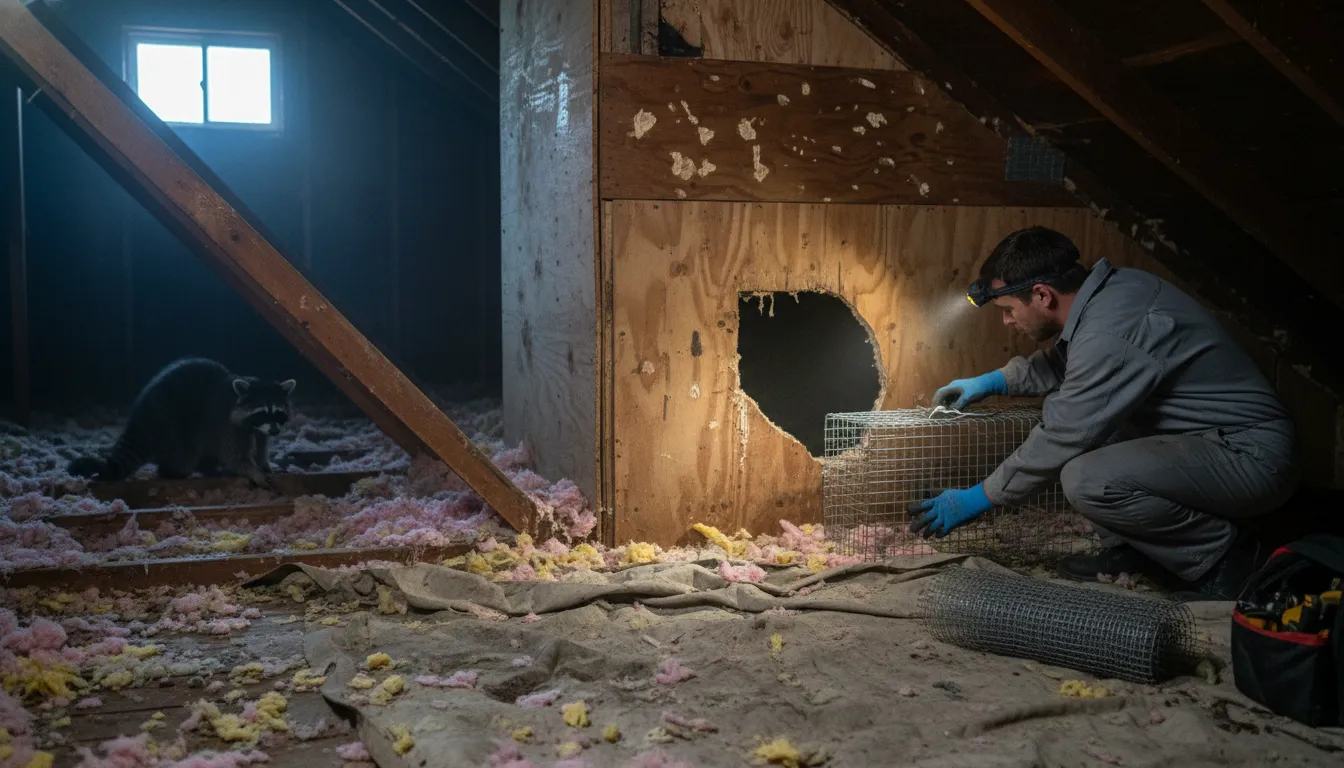
Living with wildlife is part of life in Southern California, but when raccoons take up residence in your attic or skunks make a home under your deck, it becomes a nuisance and a potential hazard. Wildlife removal is the specialized service of safely and humanely evicting wild animals from homes and businesses, addressing the damage they cause, and preventing their return. This guide explains the common wildlife issues in Rosemead, outlines your legal responsibilities, and helps you understand when to call a professional, what the process entails, and how to protect your property for the long term.
Orchard Inc.
Los Angeles, CA
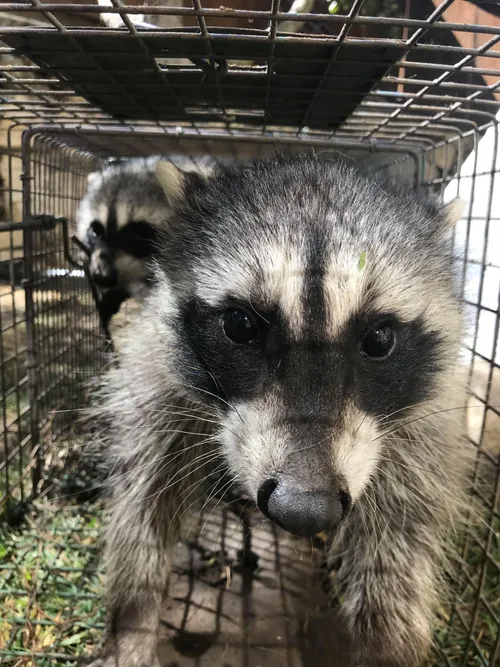
Orchard Inc. is a pest control company based in Los Angeles, CA, specializing in rodent, bird, and wildlife removal services for both residential and commercial properties. They use humane methods and combine modern techniques with proven approaches to manage infestations while respecting natural ecosystems. Orchard Inc. also offers wildlife fencing as a preventative measure to keep animals off properties. The company serves Los Angeles County and Orange County, handling a wide range of pest control needs with a focus on bird and rodent solutions.
Hawkins Animal Trapping and Removal
Long Beach, CA
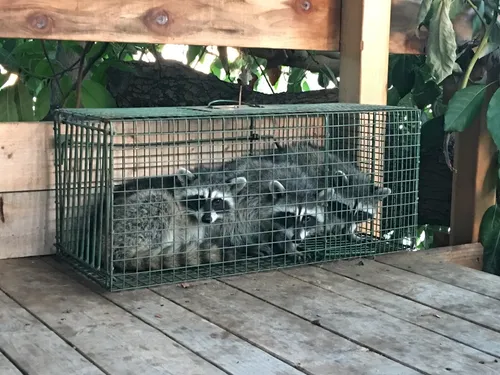
Hawkins Animal Trapping and Removal is a family-owned business based in Long Beach, CA, serving Los Angeles and Orange County. Established in 2018 by an industry professional with over 10 years of experience, the company offers wildlife and animal removal services for both homeowners and businesses. Their services include rodent, raccoon, bird, skunk, opossum, and bat removal, as well as attic cleaning and dead animal removal. They handle dead animals found in crawlspaces, attics, lawns, roofs, and driveways, ensuring safe and effective removal.
Aesthetic Wildlife Control
Los Angeles, CA
Aesthetic Wildlife Control provides humane and poison-free wildlife and rodent removal services in Los Angeles, CA. Their certified team offers a wide range of pest control solutions including rat, possum, bat, raccoon, skunk, snake, and dead animal removal, along with attic decontamination and bird proofing for solar panels. They use eco-friendly, non-toxic methods and provide thorough inspections with photo and video documentation to ensure effective exclusion and sanitation. The company is licensed by the California Department of Fish and Wildlife and offers 24/7 emergency animal removal services across Los Angeles and Orange County.
Ashe Animal Control
423 W 18th St, San Pedro, CA 90731
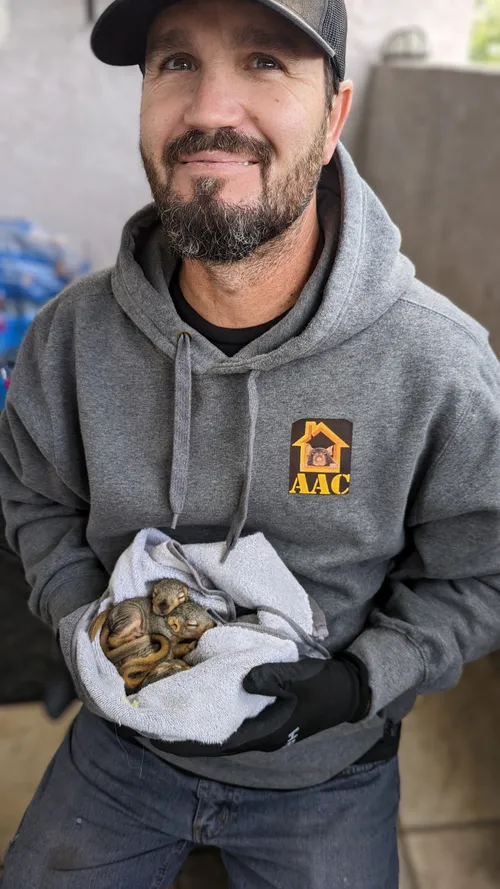
Ashe Animal Control is a family-owned business offering humane wildlife removal, rodent control, and property repair services in Los Angeles, CA, and Orange County. They specialize in safe animal trapping and removal while focusing on protecting homes with integrity and care. Their services include identifying and sealing entry points to prevent future infestations, ensuring long-term protection for residential and commercial properties. Ashe Animal Control is known for transparent pricing and personalized service, treating every home with respect and attention to detail.
All City Animal Trapping
1321 Alameda St, Wilmington, CA 90744
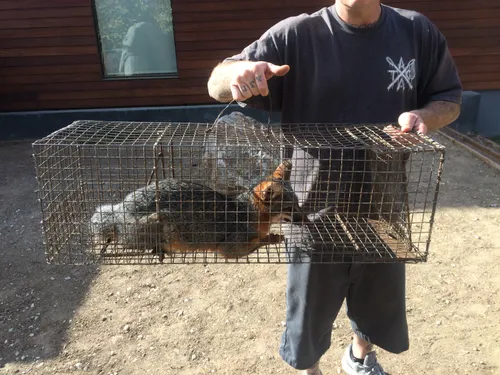
All City Animal Trapping is a wildlife removal company based in Los Angeles, CA. They specialize in humane trapping and removal of nuisance animals such as raccoons, squirrels, bats, and birds. Their services include damage repair, decontamination, and preventive measures to keep homes and businesses wildlife-free. With over 20 years of experience, the company serves residential and commercial customers throughout Los Angeles and surrounding counties. All City Animal Trapping employs licensed and insured professionals who use effective and humane methods for animal control.
Common Nuisance Wildlife in Rosemead
The San Gabriel Valley's mix of urban neighborhoods and proximity to natural areas creates ideal habitats for a variety of adaptable animals. Knowing which species you're dealing with is the first step toward an effective solution.
- Raccoons: Intelligent and dexterous, raccoons are notorious for tearing into attic vents, roof soffits, and chimney caps to create dens. They can cause significant insulation damage and pose health risks through their droppings.
- Opossums: North America's only marsupial, opossums often seek shelter under porches, decks, and in crawlspaces. While they eat pests like snails and slugs, they can create messes and may hiss or bare teeth when threatened.
- Squirrels: Both tree squirrels and ground squirrels are active in Rosemead. Tree squirrels chew entry points into attics and eaves to store food and nest, often causing electrical fire hazards by gnawing on wires. Ground squirrels can undermine foundations and landscaping with their burrowing.
- Skunks: Known for their potent defense mechanism, skunks dig under structures and can spray pets or people who startle them. Removing them requires careful, specialized techniques.
- Rodents: Roof rats and house mice are common urban pests that contaminate food, chew constantly to keep their teeth short, and can spread diseases. An infestation often indicates accessible entry points on the property.
- Bats: Several bat species are protected in California due to their ecological benefits. A colony in an attic or wall void creates large accumulations of guano (droppings), which can harbor histoplasmosis spores and create odor issues. Removal is strictly regulated.
- Coyotes: Commonly seen at dawn and dusk, especially near the edges of town, coyotes pose a threat to small pets. Management focuses on deterrents and habitat modification, as relocation is typically not a legal or practical option.
Understanding California Wildlife Laws
One of the most critical aspects of dealing with nuisance animals in Rosemead is compliance with state law. Most native mammals and birds in California are protected by the California Department of Fish and Wildlife (CDFW). It is generally illegal to trap, harm, or relocate these animals without specific permits. For example, relocating a "furbearer" like a raccoon or skunk often requires a license, as moving an animal can spread disease and often simply transfers the problem to another location. This legal framework makes professional wildlife control operators essential, as they are licensed to perform humane trapping and relocation where permitted by law 1.
The Wildlife Removal Process: From Inspection to Exclusion
A professional wildlife management service follows a structured approach to ensure the problem is solved completely and humanely.
- Inspection and Assessment: A technician will perform a thorough inspection of your property, inside and out, to identify the species, locate all entry points, and assess the extent of the damage and contamination. This service call typically ranges from $100 to $300, a fee that is often applied toward the total service cost if you proceed 2 3.
- Humane Removal: The method depends on the animal. Live trapping may be used for mammals like raccoons or squirrels, always in compliance with CDFW regulations. For species like bats, exclusion is the only legal method-installing one-way doors that allow them to leave but not re-enter.
- Exclusion and Repair: This is the most important step for a permanent solution. After the animals are out, all entry points must be sealed with durable materials like hardware cloth, steel mesh, or chimney caps. Simply plugging a hole with foam or insulation is ineffective, as animals can easily chew through it.
- Cleanup and Sanitation: Wildlife leaves behind droppings, urine, nesting materials, and parasites. Professional cleanup involves removing contaminated insulation, disinfecting the area with enzyme cleaners, and addressing odors. This step is crucial for restoring a healthy living environment.
- Prevention Advice: A reputable operator will provide recommendations to make your property less attractive, such as securing trash cans with locking lids, removing pet food, trimming tree branches away from the roof, and eliminating standing water.
Find the perfect wildlife removal companies for your needs
Get personalized recommendations and expert advice
When to Call a Professional vs. Animal Control
Knowing which agency or service to contact saves time and ensures the situation is handled appropriately.
- Rosemead Public Safety Animal Control: Contact them for issues involving stray domestic animals (dogs/cats), picking up deceased animals on public property, general nuisance complaints, or cases of animal cruelty or neglect. For injured or orphaned wildlife, they can often provide guidance or refer you to a licensed rehabilitator 4.
- Licensed Wildlife Removal Professional: This is the right call for any wild animal inside a structure (attic, walls, chimney, crawlspace), causing significant property damage, or when humane trapping and exclusion are needed. Professionals have the licensing, insurance, and expertise to handle complex situations like bat colonies or raccoon dens with young legally and safely 5.
- CDFW or Licensed Rehabilitator: If you find a wild animal that is clearly sick, injured, or a truly orphaned young animal (observe from a distance first, as parents are often nearby), contact the CDFW or a state-licensed wildlife rehabilitator for instructions.
Cost of Wildlife Control Services in Rosemead
Costs vary widely based on the animal, the severity of the infestation, the accessibility of the den, and the extent of repairs needed. Here is a general overview based on regional service data:
- Raccoon or Opossum Removal (from attic/wall): $500 - $1,500+. This comprehensive service usually includes trapping, removal, sealing entry points, and basic cleanup.
- Squirrel Removal: $300 - $1,000+. The price depends on whether you have tree squirrels in the attic or ground squirrels burrowing in the yard.
- Bat Exclusion: $500 - $2,000+. This is a specialized and often more expensive service due to the need for careful exclusion devices, potential guano removal, and adherence to strict seasonal regulations to avoid trapping flightless young.
- Minor Rodent Proofing/Exclusion: Costs can range significantly but investing in proper exclusion is more cost-effective than repeated trapping for chronic rodent problems.
Effective Prevention and Deterrence Strategies
Many wildlife conflicts can be avoided with proactive property maintenance.
- Secure Food Sources: Use trash cans with locking, wildlife-resistant lids. Never leave pet food outdoors overnight. Harvest ripe fruit from trees and pick up fallen fruit promptly.
- Eliminate Shelter: Seal off crawlspace openings with heavy-gauge mesh. Trim tree limbs back at least 6 feet from the roofline. Clear away dense brush, wood piles, and debris from the perimeter of your home.
- Use Deterrents Thoughtfully: Motion-activated sprinklers or lights can startle animals away from gardens. Ultrasonic devices and commercial repellents have mixed results and require frequent reapplication. Always prioritize physical exclusion as your primary defense.
- Bird-Specific Measures: To deter pest birds like pigeons or starlings, install bird netting, slope covers on ledges, or humane scare devices. Ensure vents are covered with proper screening.
Frequently asked questions
Sources
Footnotes
-
A Guide on How to Legally Remove Protected Wildlife from Your Property - https://allpests.com.au/a-guide-on-how-to-legally-remove-protected-wildlife-from-your-property/ ↩
-
Living with Wildlife - https://wildlife.ca.gov/Living-with-Wildlife ↩
-
How Much Does Animal & Wildlife Removal Cost? (2026) - HomeGuide - https://homeguide.com/costs/animal-and-wildlife-removal-costs ↩
-
Animal Control - Rosemead, CA - https://rosemeadca.gov/services/public_safety/animal_control/index.php ↩
-
A Guide on How to Legally Remove Protected Wildlife from Your Property - https://allpests.com.au/a-guide-on-how-to-legally-remove-protected-wildlife-from-your-property/ ↩